The Enduring Legacy of Link and Zelda
26 August 2026
If you’ve ever picked up a gaming controller and lost yourself in a world of epic quests, ancient ruins, and magical music, chances are you’ve brushed shoulders with one of gaming’s most iconic duos — Link and Zelda. Their story isn't just another fantasy tale with swords and sorcery. It’s a time-spanning saga that’s been captivating hearts and imaginations since 1986. Yep, you read that right — almost four decades!
So, what’s the deal? Why do we still care about a green-clad hero and a wise princess in a world ruled by Triforce and chaos? Buckle up, because we’re diving deep into the legacy of Link and Zelda, and why they’ve become so much more than just pixels on a screen.
The Birth of a Legend: Where It All Began
Let’s rewind the clock to the mid-80s. Nintendo’s designer genius, Shigeru Miyamoto, decided to take inspiration from his childhood – exploring forests and caves near his home in Kyoto. The result? _The Legend of Zelda_.Released in 1986 on the NES, it brought something revolutionary to the table: open-world gameplay. Unlike other games at the time where you just moved from left to right, Zelda let you choose your own path. It was freedom, mystery, and adventure all rolled into one gold cartridge.
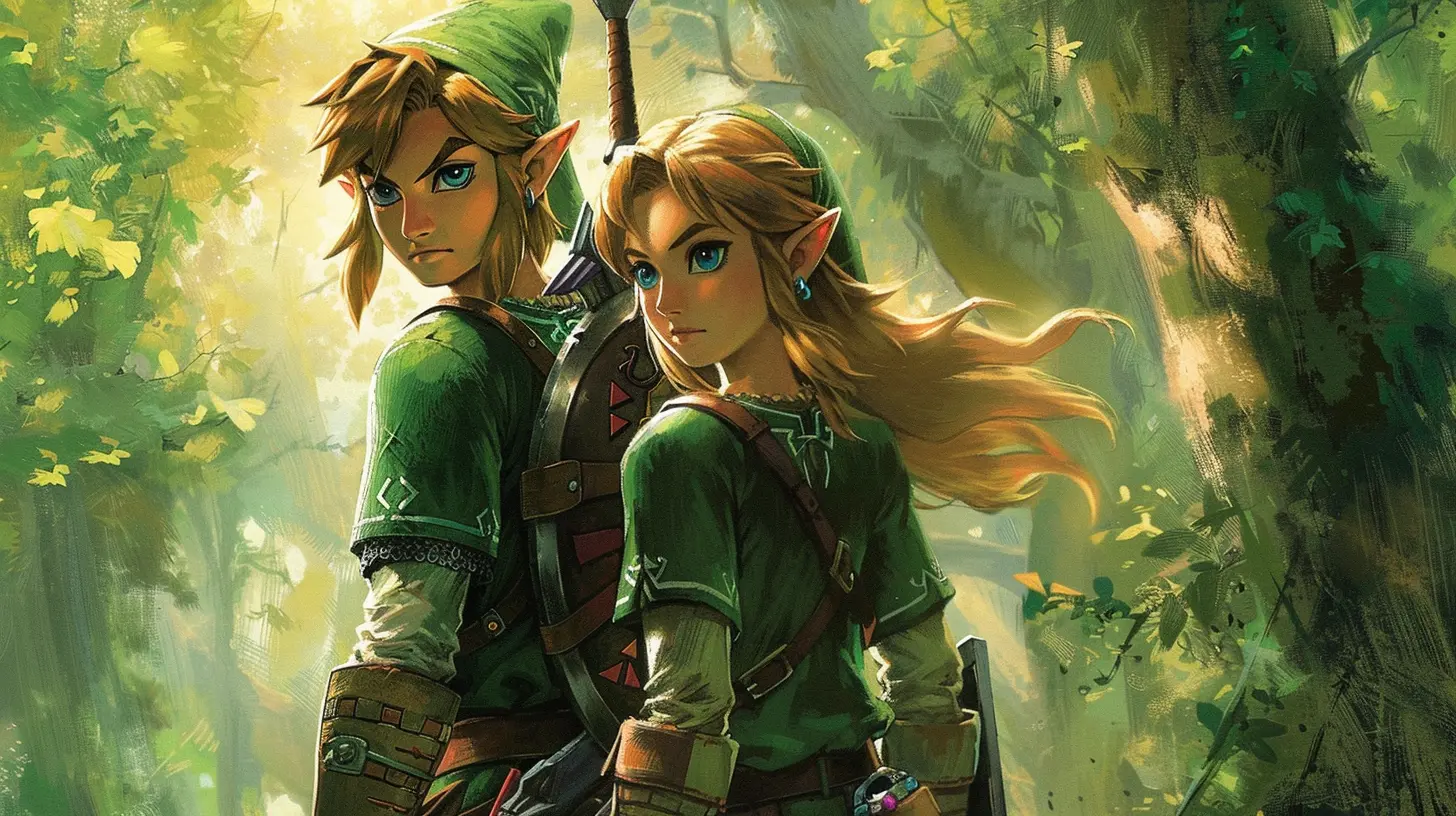
And smack at the center of it all? Link, the courageous hero clad in green, and Zelda, the wise and powerful princess. Their partnership would set the stage for one of gaming’s most beloved franchises.
Link: The Silent Hero We All Relate To
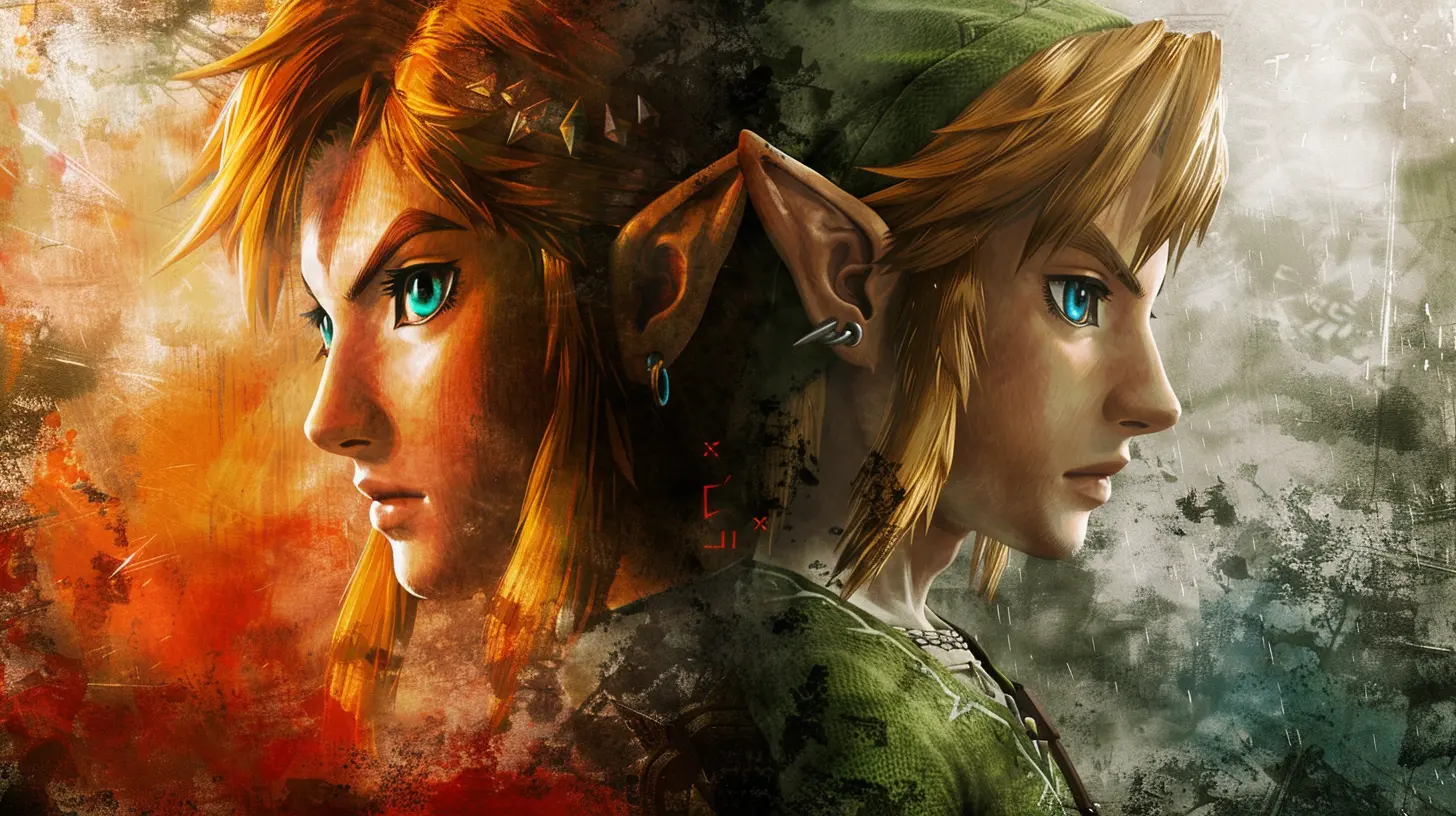
Now, let’s talk about our main guy — Link. He’s the silent protagonist who somehow manages to say everything without saying a word. That’s the beauty of his character. He’s meant to be a reflection of us, the player. Whether you’re exploring Hyrule, fighting Moblins, or solving ancient puzzles, it’s _you_ in that green tunic.Over the years, Link's appearance has changed — from the pixelated adventurer on the NES to the cel-shaded hero of _Wind Waker_, and the gritty survivor in _Breath of the Wild_. Despite the visual changes, he’s always had the same soul: brave, selfless, and ready to fight for what’s right.
Why Do We Love Link So Much?
Let’s be honest. Link doesn’t talk. He doesn’t crack jokes or give emotional speeches. So why do we love him?Because he’s us. He’s our digital reflection in a fantasy world. He’s the one who takes the risks, makes the sacrifices, and never gives up — even when the odds are ridiculous.
Plus, who else can look that cool while swinging a sword and playing an ocarina?
Zelda: More Than a Damsel
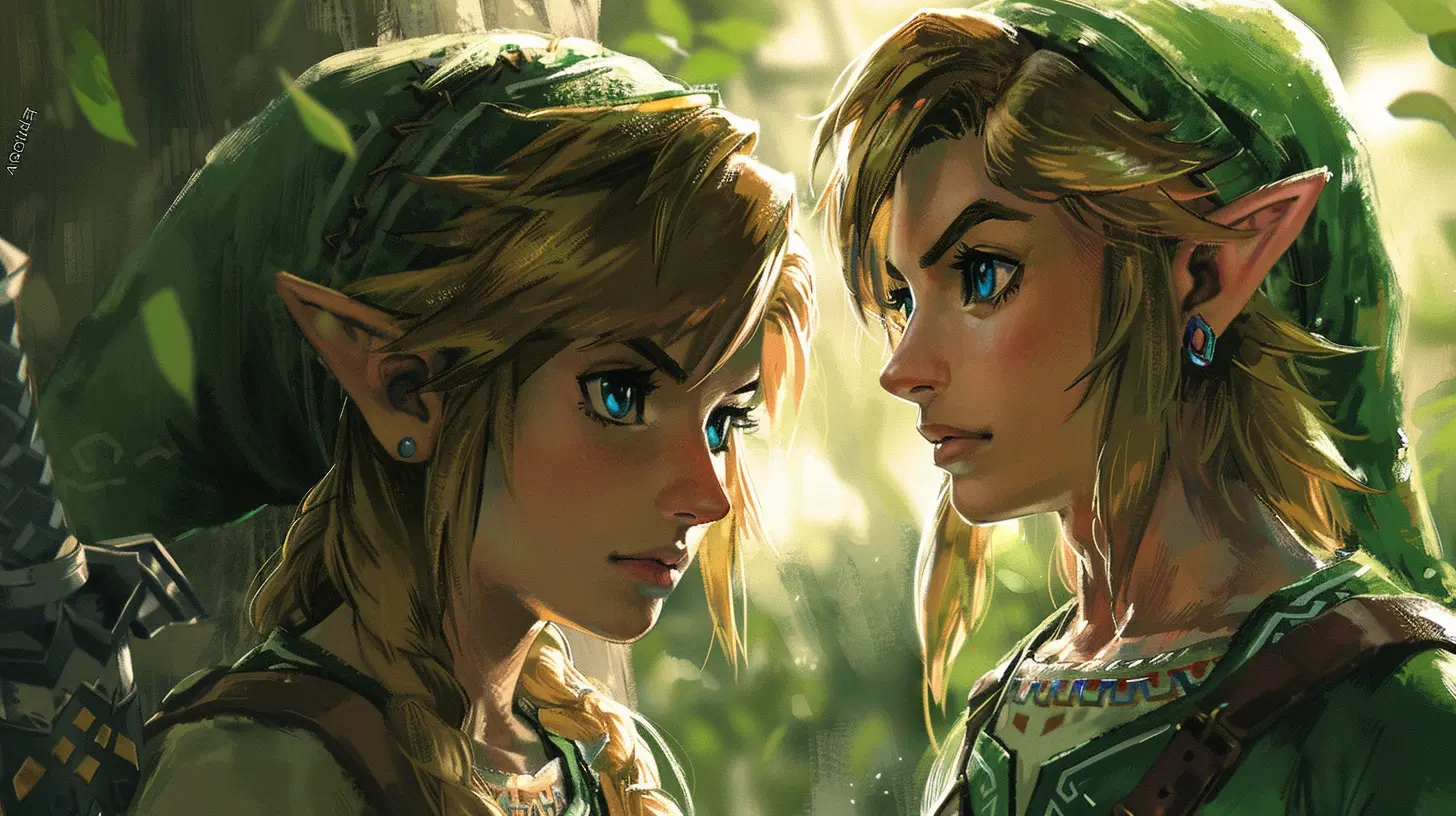
Here’s a truth bomb: Zelda isn’t just the princess who needs saving. Far from it. From the start, she’s been a powerful figure in her own right.In _Ocarina of Time_, she disguises herself as Sheik and helps Link from the shadows. In _Wind Waker_, she’s a pirate. In _Breath of the Wild_, she’s a scholar deeply connected to ancient technology. Zelda has transformed from a symbol of vulnerability to a beacon of wisdom, resilience, and strength.
The Evolution of Zelda’s Role
Let’s face it. The early games didn’t give her much to do aside from being the goal at the end of Link’s journey. But as the series evolved, so did she. Now, Zelda isn't just the reason for the quest — she’s part of it. Sometimes, she’s even the key to saving the world.And if we’re being real, her emotional depth in games like _Skyward Sword_ and _Breath of the Wild_ hits hard. She's not just a plot device — she's a fully developed character with her own fears, dreams, and determination.
Triforce and Destiny: What Holds It All Together?
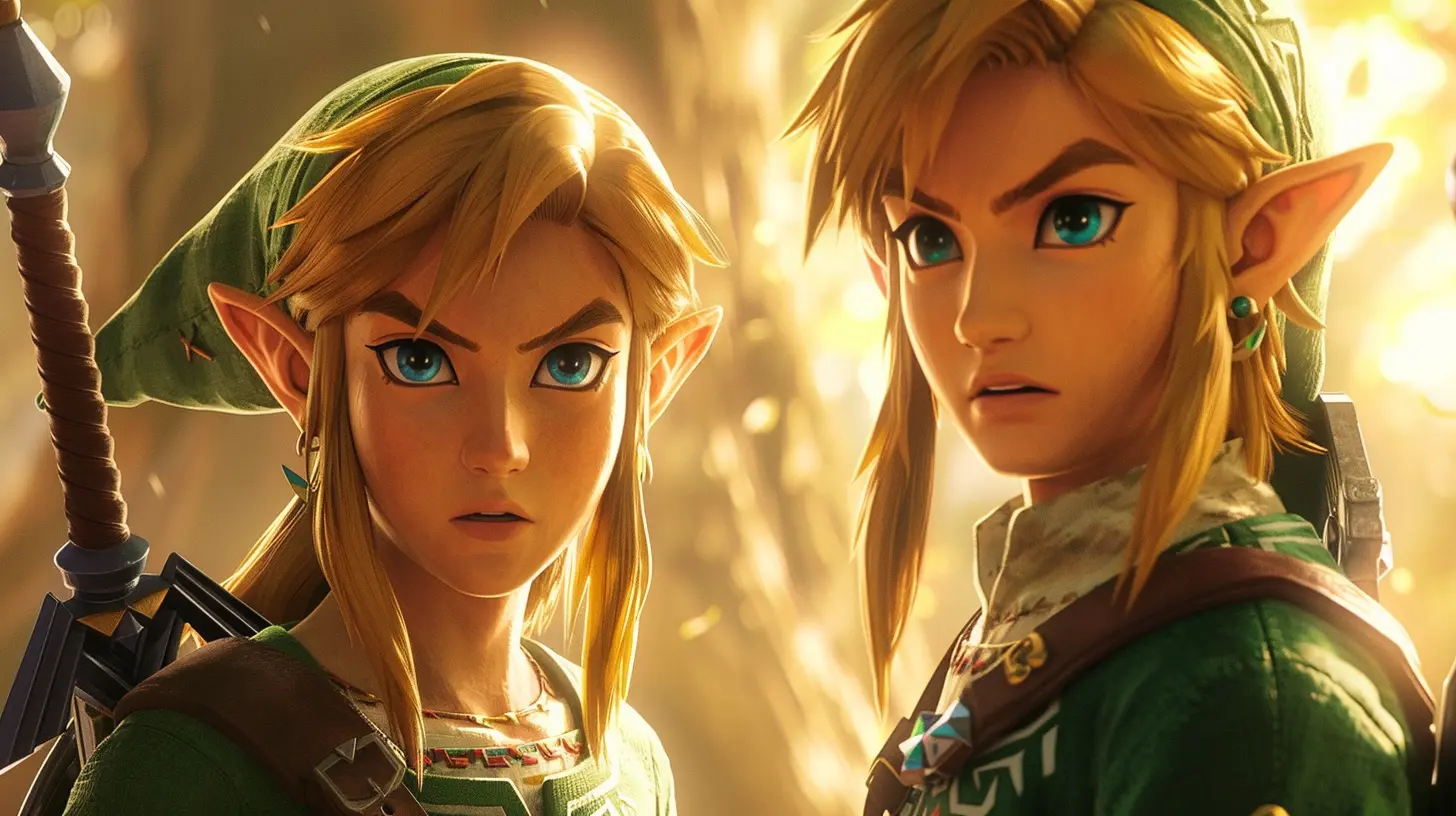
So what’s the glue that binds Link and Zelda's stories across generations and timelines? The Triforce.This mystical artifact symbolizes Power, Wisdom, and Courage — the three fundamental traits that define the trio of Link, Zelda, and the recurring villain Ganon.
It’s a theme that repeats across almost every title: evil seeks power, Zelda holds wisdom, and Link brings the courage to restore balance. It’s simple, but timeless — just like a great fairy tale.
Hyrule: More Than Just a Setting
Every hero needs a world worth saving, and Hyrule is just that — a magical, dangerous, and breathtaking kingdom that feels alive.Hyrule is constantly changing. From the lush forests of _Ocarina of Time_ to the desolate wilds of _Breath of the Wild_, each game reimagines the kingdom in new and fascinating ways. But no matter how it looks, it always feels like home.
That’s why we come back — time and time again. Not just for the puzzles or the epic boss fights, but to return to a world that feels strangely familiar and endlessly new.
Iconic Games That Shaped the Legend
Let’s toss a few titles on the table that you’ve probably heard of — and if you haven’t, now’s the time to add them to your must-play list.1. The Legend of Zelda (1986)
The one that started it all. Pure adventure. Pure nostalgia.2. A Link to the Past (1991)
Introduced dual worlds and one of the cleanest, most iconic 2D art styles in gaming history.3. Ocarina of Time (1998)
Arguably the GOAT. This game changed the way we think about 3D gameplay. Period.4. Wind Waker (2002)
Controversial at launch due to its cartoony look, now a cult classic. Proof that art style > realism.5. Twilight Princess (2006)
Dark, moody, and mature. This one brought out Link’s beast mode. Literally.6. Breath of the Wild (2017)
A game-changer. Open-world done right. This entry redefined the franchise and the genre.7. Tears of the Kingdom (2023)
A direct sequel to BOTW and proof that Nintendo isn't afraid to push the envelope. Sky islands, building mechanics, and more Zelda-lore than ever.Why This Franchise Keeps Winning
Simple answer? It evolves. The Legend of Zelda series never gets too comfortable. Every new game feels like a fresh take, yet keeps the core magic intact.But there’s more. These games respect your intelligence. They don’t hold your hand. They challenge you to think, to explore, to take risks. You grow with each game, just like Link does on his journey.
And let’s not ignore the feels. The music, the moments, the mysteries — they stick with you.
Cultural Impact and Fandom
The influence of Link and Zelda goes way beyond the controller. They’ve invaded pop culture, inspired fan art, cosplay, music covers, and countless YouTube retrospectives.There’s something universally appealing about their saga. It’s the classic hero’s journey with a dash of magic and a whole lot of heart. It speaks to kids, teens, adults — anyone who’s ever dreamed about being brave when it mattered most.
Looking Ahead: The Future of Link and Zelda
Where do they go from here? Honestly, the possibilities are endless.Rumors of a Zelda-focused game where she’s the main playable character keep swirling. And given how progressive Nintendo has been lately, that future doesn’t seem too far off.
With powerful new hardware on the horizon and the success of _Tears of the Kingdom_, it’s safe to say this franchise isn’t slowing down. Link and Zelda are here to stay — not as relics of the past, but legends of the future.
Final Thoughts: Why We’ll Always Come Back
Maybe it’s nostalgia. Maybe it’s the thrill of adventure. Or maybe it’s just that the world of Zelda feels like home.Whatever the reason, the legacy of Link and Zelda isn’t just about games. It’s about courage, friendship, sacrifice, and wonder. Whether you’re a first-time player or a lifelong fan, their story invites you to be the hero — to step into a world where anything is possible and where hope never dies.
And in a world that sometimes feels a bit too real, having a little magic in our lives? That’s priceless.
all images in this post were generated using AI tools
Category:
Nintendo GamesAuthor:

Francesca West
Discussion
rate this article
1 comments
Cynthia Beck
Link and Zelda have transcended gaming through rich storytelling and innovative gameplay. Their enduring legacy continues to inspire new generations, blending nostalgia with fresh experiences that keep players engaged in Hyrule's adventures.
August 27, 2026 at 4:44 AM
Francesca West
I completely agree. Link and Zelda have truly shaped gaming, creating a timeless connection that resonates with both old fans and newcomers. The blend of nostalgia and innovation is what makes their adventures so special.