How Casual Games Build Micro Habits in Everyday Life
17 August 2026
Let’s be honest—how many times have you told yourself, “I’ll just play one level,” and then found yourself ten levels deep into Candy Crush or Wordscapes?
We’ve all been there.
But what if I told you that those seemingly “pointless” casual games actually have some sneaky benefits? Not just the dopamine hit when you finally beat that tricky level, but actual real-life behavioral changes.
Yes, I’m talking about micro habits.
Casual games, those light, easy-to-pick-up mobile or browser-based games, are shaping how we behave in small—but powerful—ways. In this article, we're diving deep into how they work their magic on our daily routines and subtly influence our habits. This isn't just about screen time anymore. It’s about how games are training our brains without us even noticing.
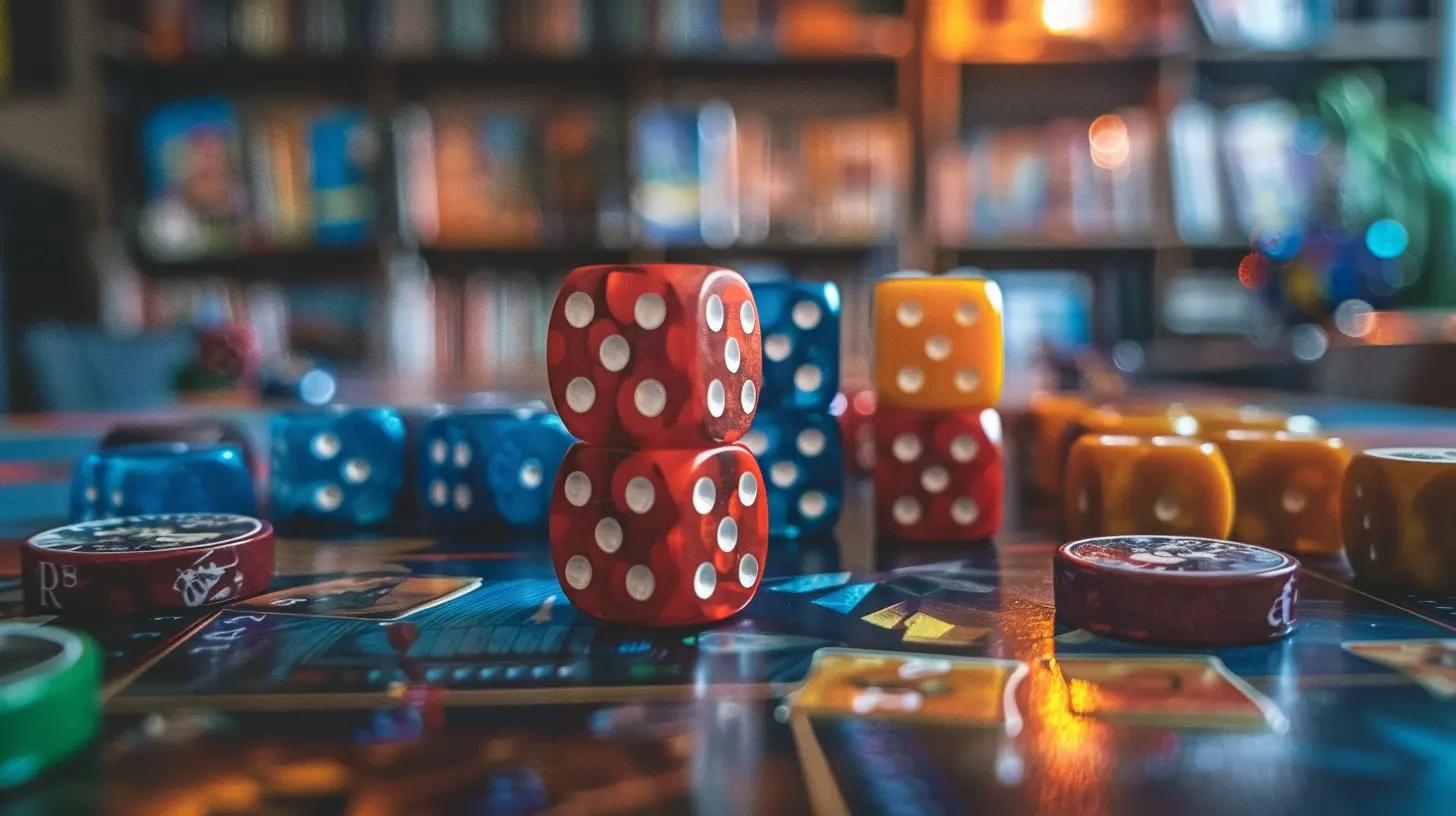
What Are Casual Games, Anyway?
Before we go full Sherlock Holmes on the micro habit mystery, let’s make sure we’re on the same page.Casual games are the friendly, low-commitment little brothers of the video game world. Think of games like:
- Candy Crush
- Angry Birds
- Temple Run
- 2048
- Wordle
- Sudoku mobile apps
- Merge Dragons
They're designed so you can jump in, play for a few minutes (or more...), and jump out. No need to memorize complex controls or backstories. Just pure, bite-sized gaming goodness.
Now, they might look harmless, but they’re cleverly built to do something very human: influence our behavior one small step at a time.
What Exactly Are Micro Habits?
Micro habits are tiny, repeatable actions that require little effort but, over time, stack up to create meaningful changes.Think brushing your teeth every morning, checking your phone as soon as you wake up (oops), or drinking a glass of water after lunch. They’re not life overhauls—they're small tweaks. And when they’re consistent, they shape routines.
So how do casual games sneak their way into this world of behavioral patterns?
Let’s break it down.
1. Instant Gratification Teaches Habit Loops
Want to know the secret behind why your thumb keeps reaching for that game app?It’s the juicy combo of cue, action, and reward—aka, the habit loop.
Here’s how it looks in a game:
- Cue: You see a notification—"Your lives are full!" or “Your daily challenge is ready!”
- Action: You open the game and play a quick round.
- Reward: You’re showered with colorful explosions, coins, new levels, maybe even leaderboard glory.
You repeat this loop. Daily. Sometimes hourly.
It’s classic behavioral conditioning. And just like brushing your teeth because mint feels fresh, you start playing because it feels good.
Over time, your brain wires this loop in so tightly, it becomes second nature. That’s the first micro habit born.
2. Daily Challenges = Real-Life Routine Starters
A lot of casual games hit you with a “daily challenge” or “bonus if you log in every day.” Ring any bells?This technique is basically a game’s way of saying: “Hey, let’s build a streak together.”
And surprise, you start to build real-world habits around them. For example:
- You wake up and check your daily Wordle.
- Finish breakfast? Time to complete today’s Sudoku.
- Waiting in line? Might as well knock out a level of 1010!
Without realizing it, you've tied specific parts of your day to game-playing. That’s habit formation, baby.
Now imagine if you piggybacked a healthy habit on top of that? Like drinking water before playing? See where I’m going?
3. Games Normalize Goal Setting (In Tiny Chunks)
Ever notice how games break down big goals into small chunks?Finish level 1 before you get to level 2. Collect 10 coins to unlock that cool new skin. Beat the boss to win a badge.
This structure not only keeps you playing but also trains your brain to think in mini milestones.
In real life, that’s gold.
It teaches you how to break larger tasks into bite-sized actions:
- “I’m going to read 5 pages today” instead of “I need to finish this whole book.”
- “I’ll tidy one drawer” rather than “I must clean the entire kitchen!”
Sound familiar? That’s the casual-game mindset kicking in.
4. Repetition Builds Mastery—and Discipline
Here’s a fun fact: humans are wired to love progress. We get a hit of feel-good chemicals every time we improve at something—even if it’s stacking shapes in Tetris.Casual games create a safe space for repetition. You repeat levels. You tweak strategies. You fail and try again. And each time, you get better.
That repetition builds discipline. Not only in-game but in other areas too. It forms the mindset of:
> “If I keep showing up, I'll get better.”
Imagine applying that thought process to fitness, creativity, or productivity? Yep—thanks, casual games.
5. Frictionless Access Breeds Consistency
You want to form a habit? Make it easy to start.That’s what makes casual games such powerful habit-formers—they’re frictionless.
No need for loading screens, logins, manuals, or updates. They’re optimized for quick hits. That ease of access encourages consistency. And consistency = habit.
This is the same principle James Clear talks about in "Atomic Habits"—make it obvious, easy, and satisfying.
Casual games nailed that formula before that book was even published.
6. They Introduce the Power of Streaks
Ooh, streak systems. They’re like catnip for the human brain.Games love to reward you for showing up every day. Duolingo, for example (not even a game, really), uses this to genius levels. You miss a day? Poof—your streak is gone. And you feel it in your soul.
But look closer: that streak mechanic is actually making you show up daily. Which is total micro habit territory.
Once your brain starts to value “showing up,” you're halfway to building discipline without even knowing it.
7. They Help Regulate Emotions
This might sound a bit deep for games with candy bombs and flying birds, but hear me out.Casual games became many people’s go-to escape during stressful moments. Got a bad meeting? Play a round. Stuck in traffic? Match some gems. Feeling overwhelmed? Build a cozy little farm.
That’s emotional regulation, and it's no joke.
When you start to pair emotions with simple, calming actions (like gaming), your brain learns to cope using micro habits. It's not just procrastination—it's mini-therapy for your brain.
8. They Reinforce Focus and Flow
Ever get into the zone while playing? That’s the “flow state.” Time melts away, distractions disappear, and you’re completely immersed.Casual games, with their short loops and increasing difficulty, are engineered to create these flow states.
Practicing entering flow while gaming actually helps you recognize and recreate it in real life. Writing, exercising, studying—it all benefits from that kind of mental focus.
That’s a pretty powerful habit to build, all from a game you play for five minutes a day.
9. They Make Failure Feel Friendly
Nobody likes failing, right?But casual games are masters at teaching us it’s okay to fail.
- Missed a puzzle? Try again.
- Didn’t beat the high score? Close, but you’ll get there.
- Hit game over? You’ll get another life in 5 minutes.
This perspective flips how we treat failure. Instead of quitting, we try again. And again. Until we get it.
In real-life habit-building, that mindset keeps us moving. Fall off your workout streak? No sweat. Just start again tomorrow.
Games train us to embrace imperfection and keep going. That's habit gold.
10. They’re the Gateway Drug to Productivity Tools
Hear me out—casual games introduce systems that are eerily close to productivity tools.- Streaks? Calendars use that too.
- Badges? That’s like mini goals.
- Timed rounds? Hello, Pomodoro Technique!
After a while, your brain starts to see overlaps. Suddenly, habit trackers, to-do apps, and time-blocking don’t feel so foreign.
It’s like games are sneakily easing you into the self-improvement world. With sparkles and sound effects, of course.
Can You Use Casual Games Intentionally to Build Good Habits?
Absolutely. The trick is to become aware of the process and then direct it.Here are a few power tips:
- Stack a healthy habit onto your game session (e.g., meditate for 2 minutes before playing).
- Use game cues (like daily challenge reminders) as triggers for real-life actions.
- Choose games that simulate productive behavior (e.g., puzzle-solving, memory improvement, problem-solving).
- Set personal rules like “Only play after completing X task.”
You’re not at the mercy of your games—you can harness them.
Final Thoughts: Casual Games—A Trojan Horse for Habit Building?
So yeah, casual games might feel like just a way to kill time on your commute or wind down at night. But beneath the surface, they’re doing something much deeper.They're shaping your routines. They're helping your brain fall in love with repetition, challenge, and small wins. They're teaching you how to keep going—even after you fail. And, most surprisingly, they’re building strong micro habits… one tap at a time.
Next time you play a game on your phone, don’t feel guilty.
You might just be rewiring your life.
all images in this post were generated using AI tools
Category:
Casual GamingAuthor:

Francesca West
Discussion
rate this article
1 comments
Orion Mathews
Casual games can spark positive change, turning small moments into impactful habits. Embrace the fun and transform your routine!
August 23, 2026 at 4:13 AM
Francesca West
I completely agree! Casual games can certainly make daily routines more enjoyable while helping to build positive habits. It's all about finding that balance between fun and productivity.