The Creative Worlds of Kirby and Why They Work
5 September 2026
If you’ve ever played a Kirby game, chances are you've smiled at least once. It’s almost impossible not to. Kirby, that round little puffball from Planet Popstar, doesn’t just inhale enemies — he swallows up stress too. But it’s not just Kirby’s cuteness that has kept fans coming back since 1992. Something much deeper is at play.
Let’s be honest, there are tons of platformers out there. Yet Kirby stands out like a pink marshmallow in a field of pebbles. Why? It all boils down to the creativity behind his worlds — and how masterfully they’re crafted.
So, grab a Warp Star and come with me as we dive into the imaginative universes of Kirby and unravel why these whimsical worlds work so darn well.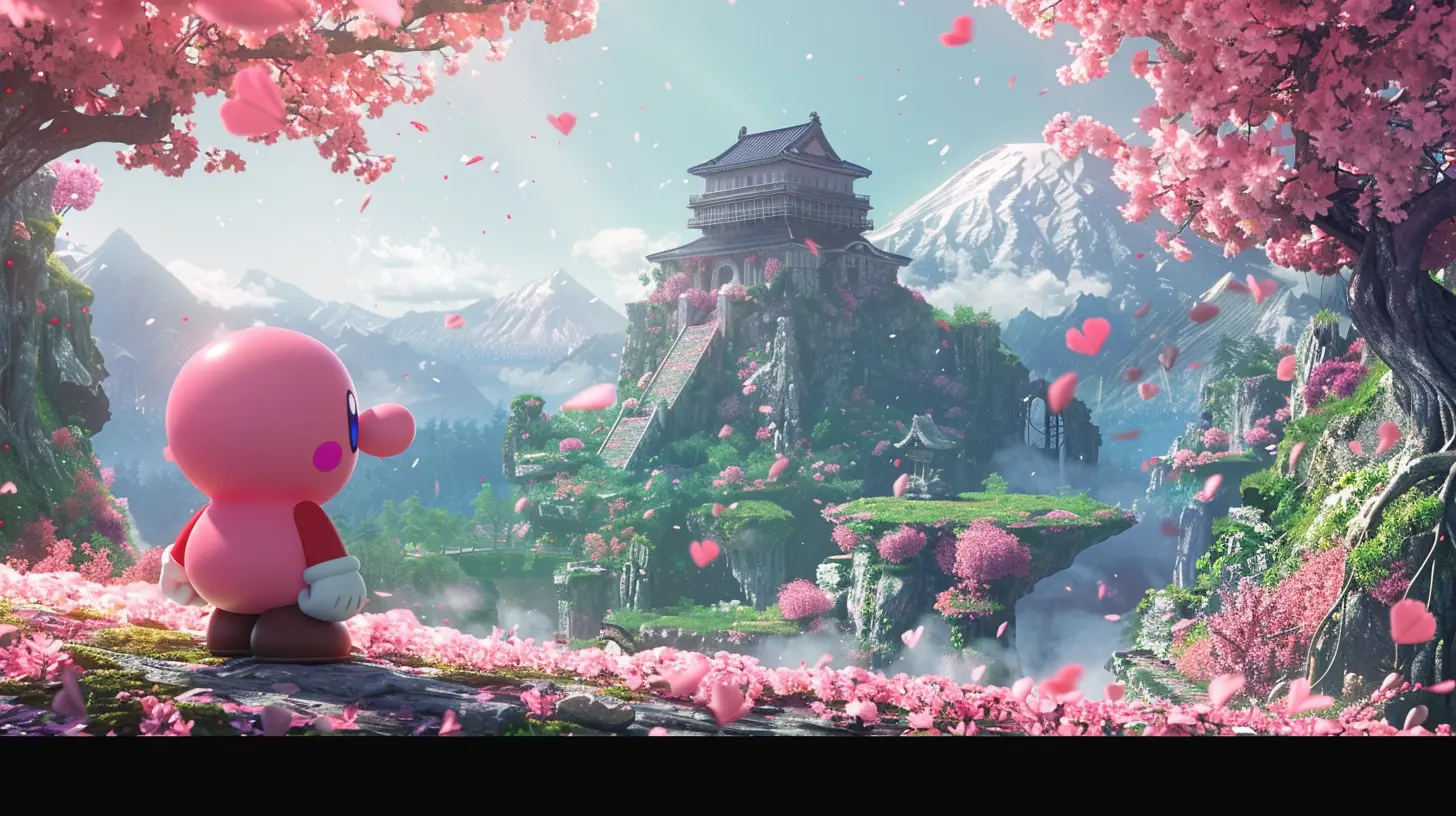
A Whimsical World That Breaks the Mold
Bright, Bold, and Bubbling with Charm
One of the first things you notice when booting up a Kirby game? The color palette! It’s like someone opened up a box of crayons and said, “Let’s use all of them.” From rolling green hills to cotton candy skies, every inch of a Kirby level feels like a pop-up storybook.This isn’t by accident. The developers at HAL Laboratory know color theory like the back of their hands. Each shade is chosen not just for aesthetics but to evoke joy, curiosity, and wonder. When you’re surrounded by rainbows and smiling stars, it's hard not to feel immersed — and a little happier.
Childlike, But Not Childish
Kirby may look simple, but don’t mistake childlike visuals for child’s play. The worlds are artfully designed to appeal to all ages. Sure, a 7-year-old can pick up the controller and have a blast, but older players will appreciate the hidden depths, secret doors, and layered mechanics that add spice to the sweet.It’s a bit like a Pixar movie — whimsical on the surface, layered and intelligent underneath.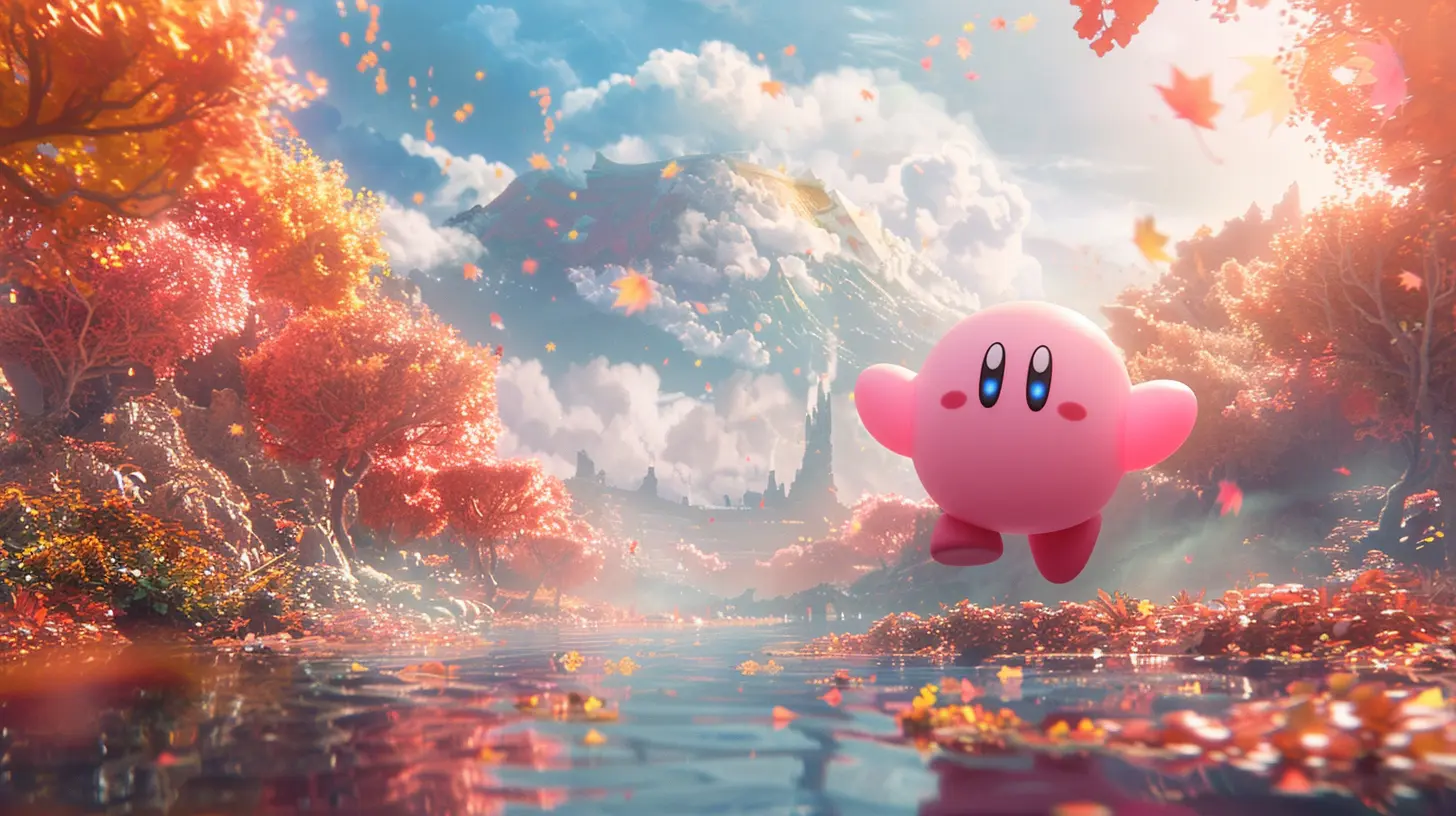
Themes That Tie It All Together
Magic and Technology? Yes, Please!
Kirby’s worlds often mix fantasy and sci-fi in a way that shouldn't work — but totally does. One minute you're bouncing through a candy-coated landscape, the next you're battling a cosmic horror from another dimension.Think about Planet Robobot. The game took the cute and cuddly Kirby we knew and dropped him into a mechanized, corporate-overrun world. Somehow, it still worked. Why? Because the Kirby series nails thematic contrast. Cute meets creepy. Nature meets machine. Simplicity meets cosmic chaos.
This balance keeps things feeling fresh without ever abandoning what makes Kirby Kirby.
Quirky Without Being Confusing
Another thing Kirby’s worlds do beautifully? Stay weird — but not too weird. You’ve got levels with flying toast, pillow-shaped enemies, and umbrellas that can bounce you to victory. But no matter how zany things get, they always feel consistent in the game’s internal logic.There’s a method to the madness. The art style, level design, music, and gameplay all work in harmony to say, “Yeah, this is strange — but you’re still in Kirby’s world, and it all makes sense here.”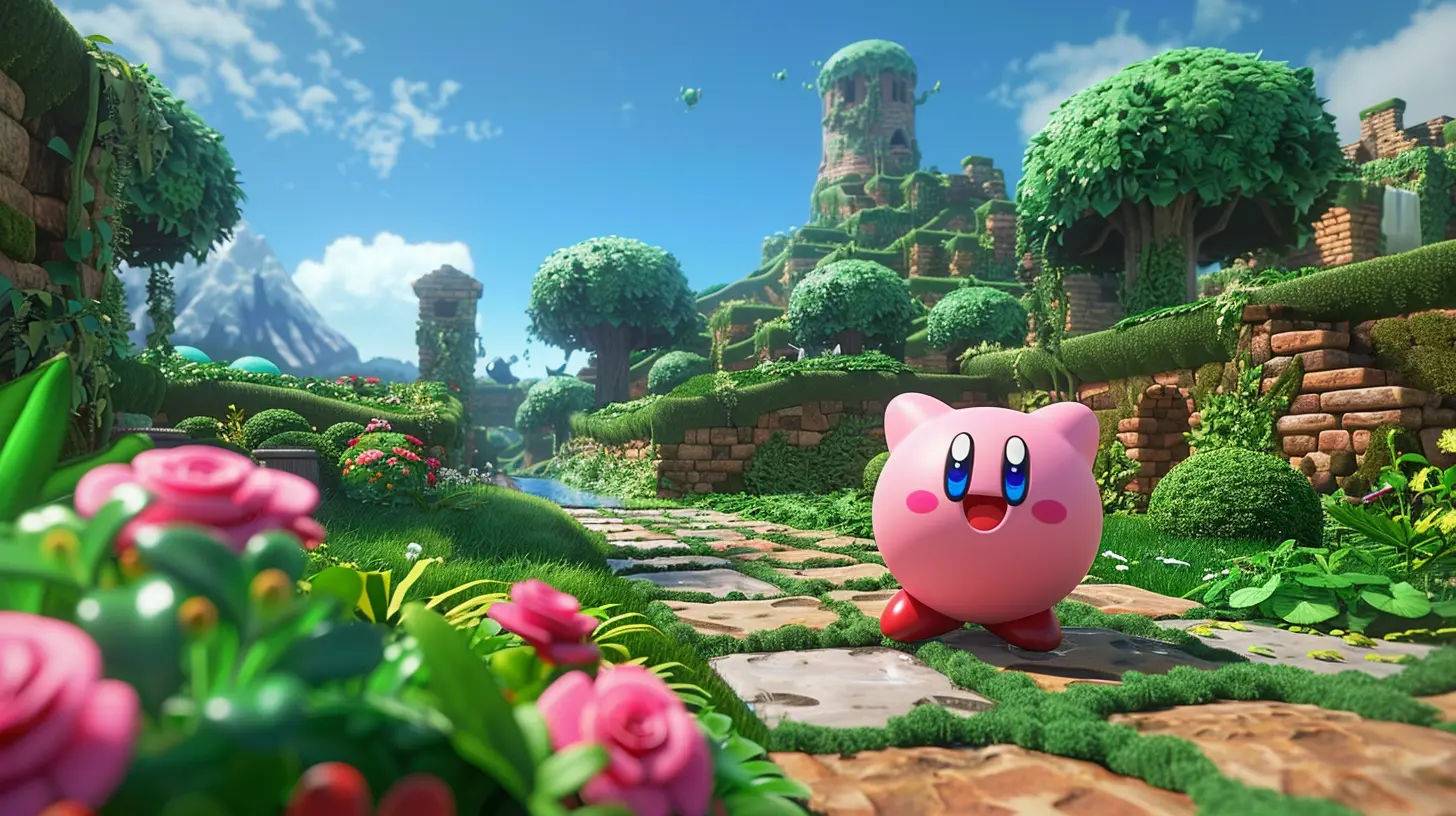
Gameplay That Matches the Setting
The Copy Ability Magic
It’s impossible to talk about what makes Kirby’s worlds work without mentioning the iconic copy ability. Kirby’s inhaling mechanic isn’t just a gimmick; it’s a gameplay tool that actively ties into the world around him.Each enemy ability Kirby absorbs is a reflection of its environment. Fire powers in volcano levels. Water powers in beach stages. This synchronicity helps the player feel more connected to the world. You're not just in the level — you're interacting with it on a deep, mechanical level.
It makes exploration feel rewarding and turns every new enemy into a little surprise gift box. What will Kirby become this time?
Level Design With Personality
Let’s get real: some platformers feel like you're running through a copy-pasted set of blocks. But not with Kirby.Every level feels like it has heart and a unique personality. From Dedede’s snowy domains to haunted dreamlands, each stage introduces a new twist or mechanic. Sometimes you’re running from a rolling boulder. Other times you're flipping gravity or catching a ride on a star-spangled rainbow.
This variety is what keeps the gameplay from feeling stale — even after multiple installments.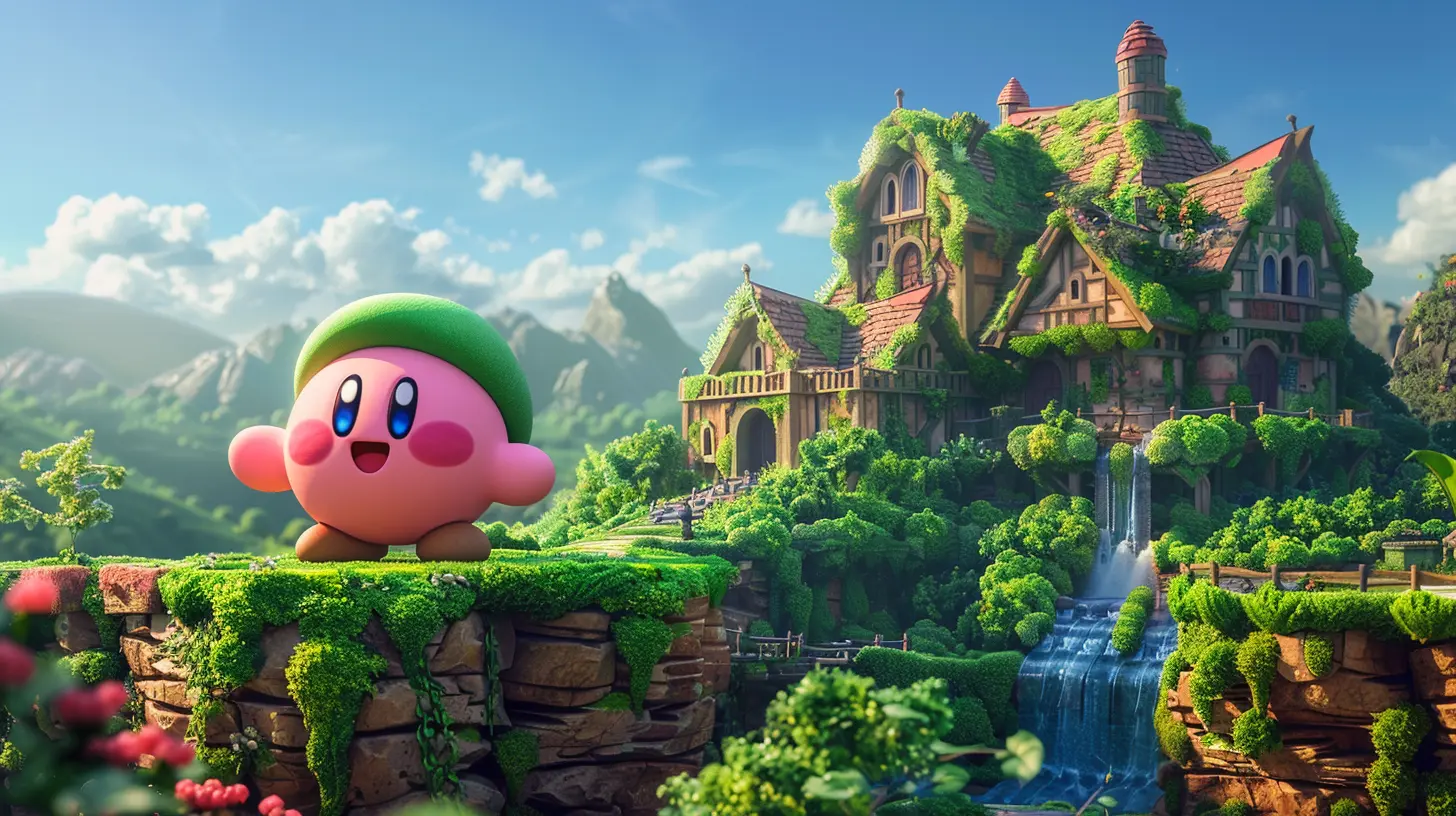
Music That Lifts the Soul (And the Stakes)
Have you ever caught yourself humming Green Greens out of nowhere? Yup, that’s the magic of Kirby music.The sound design in Kirby games is just as rich and colorful as its visuals. Whimsical flutes, jazzy melodies, and tense boss battle tunes all come together to give each world its own flavor.
And just like in the level design, the music transitions smoothly from “aww” to “OMG” without ever feeling forced. One minute Kirby’s skipping through a flower-filled meadow, the next he's taking on a dimension-shattering monster — and the soundtrack guides you every step of the way.
Bosses That Feel Like Finales (Not Just Fights)
Beyond the Cute
Let’s face it — some of the bosses in Kirby’s world look like they came from a kid’s bedtime story... until you fight them. That’s when the gloves come off.Kirby bosses often escalate in wild, unexpected ways. What starts as a duel with a grumpy penguin can turn into an interdimensional battle with a Lovecraftian eyeball god. Seriously.
This contrast gives the worlds depth. It reminds us that beneath all the pink puffiness, there’s real danger, struggle, and stakes. And it’s this emotional rollercoaster that makes the end of each world so satisfying.
Creative Mechanics
Boss fights in Kirby aren’t button mashers. They're puzzles, dance routines, and memory games all in one. You’re encouraged to experiment, use different copy powers, and strategize based on the boss’s attack patterns.Some fights even change mechanics halfway through, evolving just like the worlds themselves. That keeps players on their toes and adds replayability in bucketloads.
Character Design That Tells a Story
From Waddle Dees to Meta Knight, every character in the Kirby universe feels like it belongs — because they’re all designed with the same love and attention that went into the worlds.Kirby himself is the ultimate blank slate — simple, round, and friendly. His design allows players to project onto him, while his animations and expressions still give him loads of personality.
Meanwhile, side characters like King Dedede, Magolor, and Marx all have their own arcs, quirks, and emotional depth. They aren’t just obstacles — they’re part of the world’s living, breathing lore.
Art That Evolves, But Never Abandons Its Roots
Look at how Kirby has changed over the years. From chunky pixels on the Game Boy to full-on vibrant 3D in Kirby and the Forgotten Land, the visuals have evolved — but the core aesthetic remains the same.This consistency builds familiarity while still allowing space for innovation. You still know you’re in Kirby’s world — no matter the console generation.
It’s the artistic version of comfort food. New flavors, same cozy feeling.
World-Building Through Subtle Storytelling
Kirby games aren’t heavy on dialogue or exposition — and that’s a good thing. Instead, the story is told through visuals, background elements, enemy types, and music.You piece together the lore as you play, like finding breadcrumbs in a magical forest. It’s subtle, but it’s there.
Games like Kirby: Planet Robobot and Kirby Star Allies introduced surprisingly deep lore hidden behind adorable smiles. Heck, even Kirby and the Forgotten Land dives into themes of isolation and rebirth — all masked under bright visuals and bouncy gameplay.
Why It Works: A Symphony of Style, Mechanics, and Emotion
So here’s the big question: why does it all work?Kirby’s creative worlds succeed because they balance contrast and consistency. Cute and creepy. Simple and deep. Accessible and rewarding. It's like a magic trick that keeps performing itself — and never gets old.
The developers at HAL Laboratory clearly understand one thing above all — emotion matters. Players connect with Kirby’s worlds not just because they’re well-designed, but because they feel good.
Joy. Wonder. Curiosity. Surprise. Those are the real power-ups in Kirby’s adventure, and they’re what make the pink puffball’s universe unforgettable.
Final Thoughts
Kirby’s creative worlds are more than just fun levels in a video game. They’re carefully orchestrated expressions of imagination. They tap into something pure — something childlike, without ever talking down to the player.Whether you’re a nostalgic veteran or a wide-eyed newcomer, Kirby’s universe welcomes you with open arms and a whole lot of charm.
And let’s be real — in a gaming world full of gritty realism and dark themes, sometimes you just need a pink ball of happiness who can fly, fight, and occasionally wear a chef hat.
all images in this post were generated using AI tools
Category:
Nintendo GamesAuthor:

Francesca West
Discussion
rate this article
1 comments
Jane Erickson
Kirby's universe thrives on creativity and charm, blending whimsical designs with innovative gameplay mechanics. The character's ability to absorb powers allows for endless experimentation, keeping gameplay fresh and engaging. This balance of simplicity and depth not only appeals to newcomers but also rewards long-time fans with layers waiting to be explored.
September 7, 2026 at 3:46 AM