How Controllers Influence Game Development
9 June 2026
Let’s get real for a second. You can have the most mind-blowing graphics, a killer soundtrack that slaps harder than your favorite playlist, and a storyline so juicy it could win an Oscar. But if your controller sucks? Game over, buddy. And no, I'm not just talking about the actual physical device—you know, that plastic piece of sorcery in your hands—I'm talking about how the very design and concept of controllers shape everything that happens behind the scenes in game development.
So buckle up, gamers and devs alike, because we’re diving into how those magical button-mashing gadgets influence the games we love. Spoiler: it’s more than just “press X to pay respects.”
? What’s the Big Deal About Controllers Anyway?
Think about it—controllers are your handshake with the game world. They’re your steering wheel, your sword, your wizard’s staff, your dance partner. Without them, you’re stuck staring at a screen like it’s a museum exhibit.Controllers serve as the bridge between player and game. And you better believe game developers don’t take that bridge lightly. They design entire gameplay mechanics, UI layouts, and character movement based on what the controller can and can’t do.
The Controller Dictates the Rules of Engagement
Game development doesn’t happen in a vacuum. The hardware dictates the possibilities, and the controller is one of the most defining hardware elements.- Got analog sticks? You’re likely building a 3D world with rich player movement.
- Only D-pads? Welcome to the 2D side-scrolling galaxy.
- Gyro sensors? Now we’re talking motion controls à la Wii era madness.
- Touchpads or back buttons? Hellooo innovation and headaches in equal measure.
Every button, trigger, and stick tells the devs: “Here’s what your player will likely do.” And if the controller changes, the game often has to change with it.
? Evolution of Controllers = Evolution of Gameplay
Still think it’s just plastic and rubber? Let’s take a lil’ walk down memory lane.1. The Joystick Era (Pong, Atari)
Back in the day, we had one stick, one button. That’s it. Games had to work within that super tight limitation. No room for combos, inventory systems, or skill trees. You move, you shoot. Done.Simple hardware = simple game mechanics.
2. The D-Pad Days (NES, SNES)
Nintendo came along and was like, “Let’s give players directional input with some face buttons.” And BOOM—now developers could design more complex actions. We got platformers like Mario and puzzlers like Tetris that used the limited input in smart ways.3. Analog Revolution (N64, PS1 DualShock)
Analog sticks changed the game—literally. Now players could move with precision in 3D space. This leap didn’t just expand movement, it redefined level design. Devs could build verticality into levels, create camera systems, and give us tight-as-hell control over our characters.4. Modern Marvels (PS5 DualSense, Xbox Elite, Nintendo Joy-Cons)
Today’s controllers are beasts. Haptic feedback? Adaptive triggers? Motion sensors, gyros, customizable buttons, touchpads, speakers, and even heartbeats if that’s your jam.All these features open new doors for immersion, but they also add complexity on the dev side. Now developers must design experiences that use these tools meaningfully, not just as gimmicks.
You feel a trigger tighten before a gun jams in your FPS? That’s not magic. That’s a dev sweating bullets, coding that tension into the controller to elevate your gameplay.
?️ How Game Devs Build Around Controllers
Here’s where things get juicy. Controllers aren’t just tools for players—they’re design constraints for developers. Let’s break it down.? Input Mapping: Every Button Counts
Games are built around one golden rule: don't make players fight the controls.Devs spend months figuring out the right buttons for the right actions. If you mess this up, you're inviting rage quits and Twitter rants.
Ever play a game where the jump button just felt… wrong? Like it belonged somewhere else? That's bad input mapping. And it can tank an otherwise solid game.
? Cognitive Load: Keep It Simple, Stupid
A controller has a lotta buttons, but most players can’t (and won’t) remember complex combos without a lot of pain. Devs need to design intuitive control schemes that match muscle memory and instinct.Think of it like learning to dance. If the choreography is too crazy, you’ll trip on your own feet. That’s why games like Dark Souls (hard as hell, but super intuitive controls) thrive—because the controller becomes invisible. You’re just in it.
? Controller-Specific Features = Exclusive Mechanics
Got a PlayStation 5? That DualSense controller’s haptics and adaptive triggers enable cool mechanics other consoles can’t replicate. So what happens?Devs create features that only work on that controller. It’s not just cross-platform headaches; it’s strategic game design.
- Astro’s Playroom is basically a tech demo for the DualSense—every mechanic screams “Look what this controller can do!”
- Splatoon uses motion aiming on Joy-Cons for more precise, almost mouse-like accuracy.
? Accessibility & Customization
Not all players have the same physical abilities. Modern game developers are finally realizing this and building in controller remapping, toggle options, and support for accessibility controllers like Xbox’s Adaptive Controller.This isn’t just good ethics—it’s smart business and better design. You open the door to more players, and everyone wins.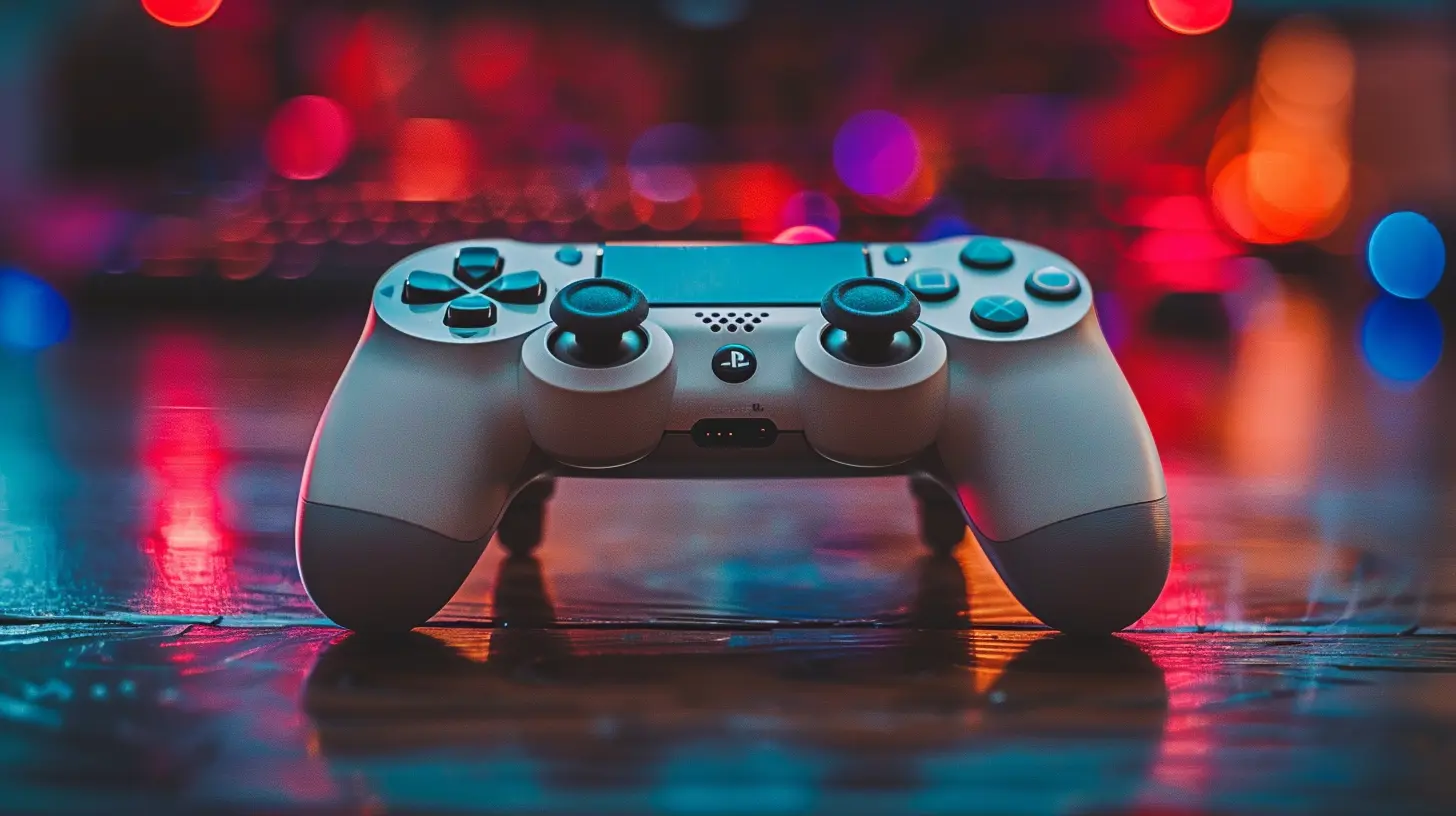
?️ Indie Devs vs Big Studios: Controller Woes
Let’s talk indie devs real quick. These brave souls are working with micro budgets and max stress. Fancy controller features? Motion support? Adaptive triggers?Yeah. Not gonna happen.
Indie games often have to simplify controls, not out of choice, but necessity. The upside? Some of the most intuitive, creative gameplay comes from these limitations. Less is more, baby.
But AAA studios? They go all in. If a new controller has a pulse sensor, you better believe some big-shot studio is finding a way to make a horror game scare you based on your heart rate.
? Controllers Shape Genres (Not the Other Way Around)
Ever notice how certain genres thrive on some consoles more than others? It's not a coincidence. It’s the controller, honey.? Fighting Games Love That D-Pad
Ask any hardcore Street Fighter fan—they’ll tell you the D-pad is life. That’s why the PlayStation’s symmetrical layout is a fave for fighter fans. Xbox’s offset sticks? Not so much.? Racing Games Favor Triggers
Analog triggers allow for throttle and brake mechanics that feel real. That’s why racing games like Forza and Gran Turismo get so cozy with those pressure-sensitive triggers.? Strategy Games Shine on PC, Struggle with Gamepads
Ever try playing Civilization on a console? Rough ride. Not because the game sucks, but because the controller just isn’t designed for that level of micro-movement and menu navigation.? The Future: Where Are Controllers Taking Game Dev?
We’re heading into wild territory, friends. Here’s what we’re seeing on the horizon:- Haptic gloves that simulate texture and pressure.
- Brain-computer interfaces (no joke, it’s happening).
- Modular controllers that switch layouts on the fly.
These new methods of input will force devs to completely rethink gameplay. We’re not just mashing buttons anymore—we’re feeling, thinking, and immersing.
Imagine an RPG where your real-life anxiety level changes how your character performs in battle. Creepy? Yes. Cool? Also yes.
? Final Thoughts: Respect the Controller
So next time you pick up a controller and go all-in on your favorite title, just remember: that little hunk of plastic isn’t just an accessory. It’s the MVP. It’s the reason your jump feels floaty or your aim snaps just right. It’s the steering wheel of game design, and every developer is along for the ride.Controllers influence game development more than most people realize. They’re not just tools—they’re the canvas, the brush, and sometimes, the entire frame.
So yeah, give your controller a little love. It’s doing a heck of a lot more than just helping you win.
all images in this post were generated using AI tools
Category:
Game ControllersAuthor:

Francesca West
Discussion
rate this article
2 comments
Juno Ward
Great insights! Controllers really do shape our gaming experiences.
September 15, 2026 at 4:18 AM
Francesca West
Thanks for your comment! I completely agree. Controllers play a crucial role in how we interact with games and can really shape the overall experience.
Hawk McIlroy
This article highlights a fascinating aspect of gaming. The way controllers shape game design is often overlooked but crucial. It's interesting to see how different input methods create unique experiences and push developers to innovate. Thanks for shedding light on this important topic in game development.
June 12, 2026 at 3:34 PM
Francesca West
Thanks for your thoughtful comment! I'm glad you found the topic engaging. Controllers really do play a pivotal role in shaping how games are designed and experienced.