How Casual Games Are Shaping the Future of Entertainment
20 April 2026
Let’s be real for a second—when you think of video games shaping the future of entertainment, your mind likely darts to high-octane, graphically intense blockbusters like GTA, Call of Duty, or The Legend of Zelda. But what if I told you the real revolution in entertainment is happening one tap, swipe, and match-three combo at a time? That’s right. Casual games—the ones you sneak in on your phone while waiting for your coffee—are quietly but powerfully reshaping how we play, connect, and even relax.
In this article, we’re diving deep into how casual games are becoming the new titans of the entertainment world. We’ll talk about why they matter, how they’ve evolved, and what it all means for the future of gaming and beyond.
What Are Casual Games, Anyway?
Let’s start with the basics. Casual games are video games designed to be easy to learn, quick to play, and super accessible. Think Candy Crush, Angry Birds, Among Us, or Wordle. You don’t need to read a 50-page manual or master complex controls. You pick it up, and within minutes, you’re hooked.They’re short. They’re snappy. They’re the gaming equivalent of bite-sized snacks—and just like snacks, it’s hard to stop at one.
But don’t let their simplicity fool you. Behind those adorable graphics and cheerful sound effects lies a booming industry that's flipping the entertainment game on its head.
The Accessibility Factor: Anyone Can Play
One of the most beautiful things about casual games is that they welcome everyone. Whether you’re a 60-year-old grandma playing a word game on her tablet, a working professional decompressing after a long day, or a teenager waiting for the school bus, casual games don’t discriminate.You don’t need expensive consoles or high-end PCs. A smartphone is all it takes. And guess what? Nearly everyone has one these days.
This kind of accessibility breaks down barriers. It’s gaming without the gatekeeping. And it’s bringing entertainment to people who never considered themselves “gamers.”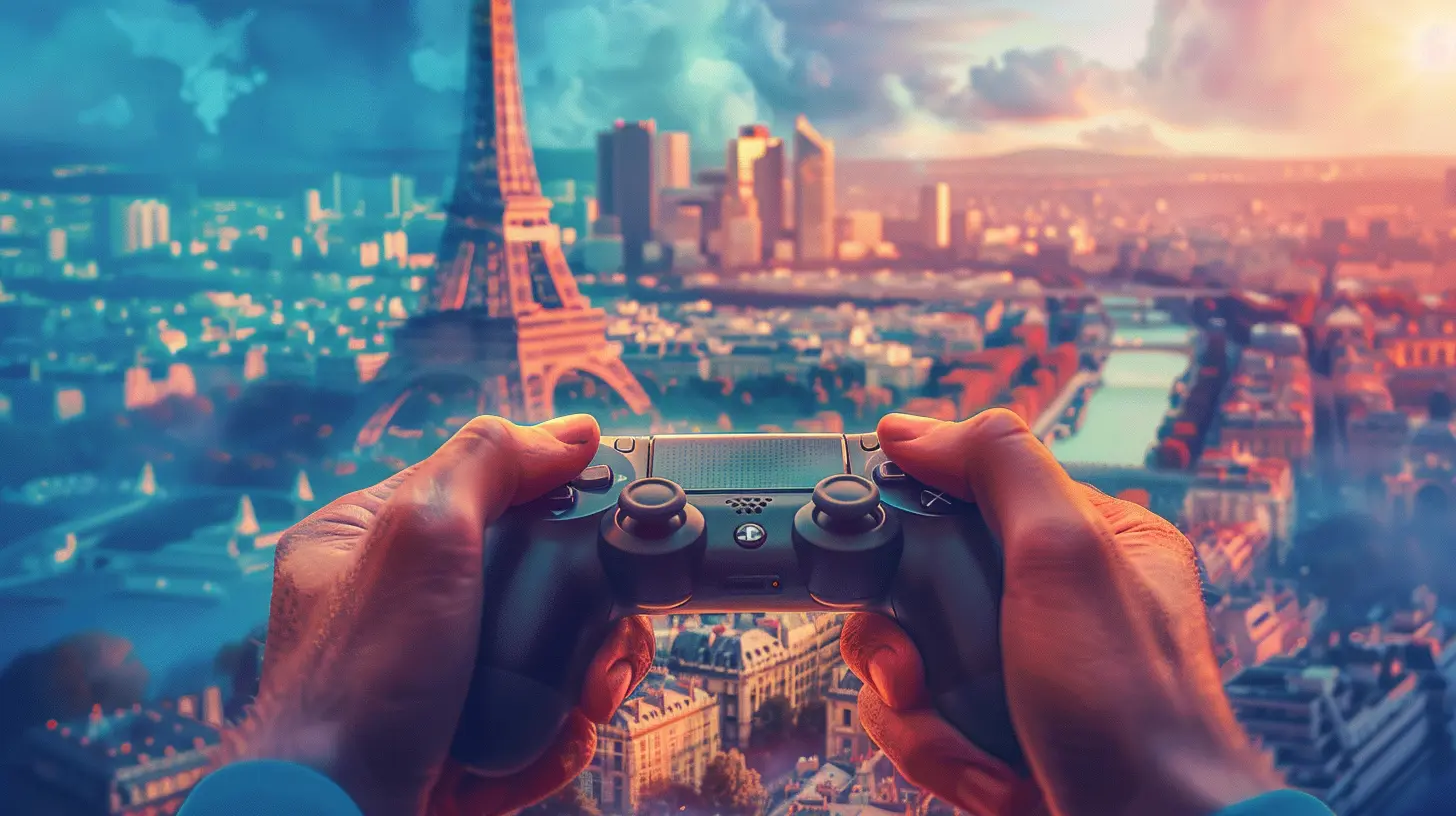
Casual Games Are Everywhere (And That’s Not a Bad Thing)
Think about how deeply casual games have woven themselves into daily life. They’ve become the go-to entertainment when we’re commuting, waiting in lines, or even watching TV. Multi-tasking? Casual games have your back.Some might argue that we’re getting too addicted, but let’s put a positive spin on it—casual games are filling in the gaps of our day with something enjoyable. They offer a quick hit of fun, a bit of challenge, and sometimes even that lovely little dopamine kick when you complete a level or beat your high score.
And with smartwatch games, voice-controlled titles, and mini-games in social apps, casual games are finding their way into places we never expected.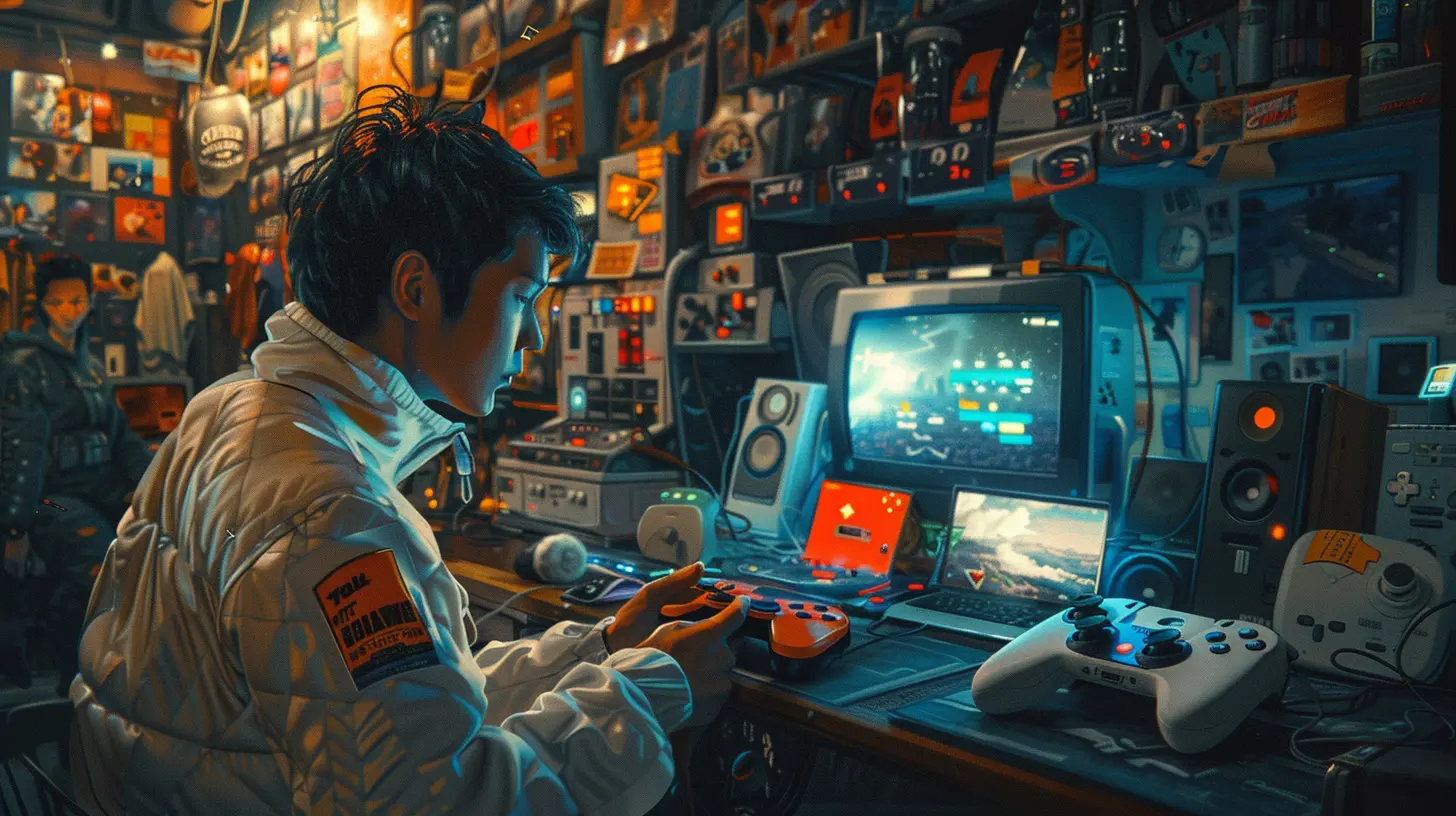
Gaming Meets Social Connection
Remember back when games were considered isolating? Yeah, that stereotype is fading fast—and casual games are a big reason why.Take Words With Friends, Among Us, or even Pokemon GO. These aren't just about playing solo—they're about connecting with others. Whether it's challenging your friends to a word duel, collaborating to discover imposters, or walking around town to catch creatures, casual games are increasingly social.
They've turned into digital water coolers. A way to keep in touch, spark conversations, and bond over shared experiences. In an age where human connection is more digital than ever, casual games are creating meaningful social spaces.
Changing Who We Call “Gamers”
Let's bust a myth right now: being a gamer doesn’t mean grinding for 12 hours a day, wearing a headset, and yelling into a mic. If you've ever played Candy Crush or 2048 for more than five minutes, guess what? You’re a gamer.Casual games are redefining what it means to be part of gaming culture. They’ve opened the doors to a more diverse and inclusive gamer community. Age, gender, background—none of that matters here. Everyone’s invited, and everyone’s playing.
That’s powerful. Because when more people play, we get more stories, more perspectives, and more innovation.
Mobile Is the New Mainstage
Forget the couch. Forget the rig. Mobile is where the future of gaming is headed—especially casual gaming.With over 3 billion smartphone users globally, mobile games have the potential to reach an audience unlike anything consoles or PCs can match. And developers know it. That’s why we're seeing a surge in high-quality casual mobile games with engaging narratives, stunning visuals, and clever mechanics.
Mobile casual games aren’t just side hustles anymore—they’re front and center. And they’re setting new standards for the entire gaming industry.
Monetization Is Evolving Too
Let’s talk moolah. Because casual games? They’re not just fun, they’re big business.Freemium models, in-app purchases, ads—you name it. Developers are getting creative with how they monetize casual games. The best part? Most of them are doing it without making players feel forced to pay.
This shift isn’t just about making money; it's changing how we consume entertainment. We’re seeing the birth of what you could call "micro-entertainment ecosystems," where you enjoy quick experiences and invest when you want to enhance them.
It’s a flexible, user-first approach that speaks volumes about the future of digital entertainment.
Casual Games and Mental Wellness
Now here’s something you might not expect—casual games are doing wonders for mental health. Yep, you read that right.From stress relief to cognitive stimulation, these games offer an easy escape from the chaos of everyday life. Need a five-minute break? Pop open a puzzle game. Want to wind down before bed? Try a soothing farming sim.
Some studies even suggest that casual gaming helps reduce anxiety and boosts mood. It's kind of like yoga for your thumbs—relaxing, engaging, and good for the soul.
Casual Games in Education and Awareness
Who said games can't teach you something useful?We're seeing more and more casual games used in educational settings and awareness campaigns. Whether it's learning a new language, practicing math, or understanding environmental issues, casual games are turning learning into play.
Companies and organizations are smartening up too, using gamified apps to engage users. The line between education and entertainment is blurring, and casual games are right at the center of that transformation.
Casual Games as a Gateway to Bigger Experiences
Here’s a fun thought—casual games often act like the gateway drug to more immersive gaming. You start with puzzle games on your phone, and before you know it, you’re exploring fantasy worlds on your tablet or diving into strategy games on a console.Think of casual games as the shallow end of the gaming pool. They help new players dip their toes in, build confidence, and maybe, just maybe, take a dive into deeper waters.
This onboarding power is crucial for the future of the industry. It broadens the base and fuels growth across the board.
The Bottom Line: Casual Games Are Here to Stay
The rise of casual games isn’t a trend. It’s a total shift in the way we think about entertainment.They’re simple but smart. Relaxing but engaging. Casual yet culture-shaping.
So, the next time someone brushes off mobile games as shallow or mindless, hit ‘em with the truth: casual games are rewriting the rules. They’re making play more inclusive, more innovative, and more impactful.
And let’s be honest—when the future of entertainment is this fun, who wouldn’t want to play along?
FAQs: Quick Hits on Casual Gaming
Q: Are casual games only for kids or older people?Absolutely not! Casual games are for everyone. That’s the best part.
Q: Do casual games make money?
Big time. Some of the highest-grossing games of all time are casual games.
Q: What’s the difference between casual and hardcore games?
Casual games are simpler, quicker to pick up, and usually played in shorter sessions. Hardcore games often require more time, skill, and dedication.
Q: Can casual games really impact the broader entertainment world?
Yes! They’re already doing that—from influencing how shows and apps are made to changing how we define “gamer.”
Q: Should I feel bad for spending time on casual games?
Heck no. If it brings you joy and gives your brain a break, it’s time well spent.
Final Thoughts
Casual games might not always grab the headlines, but they’re winning where it counts—in people’s hearts (and phones). With their unmatched reach, inclusivity, and ability to adapt, they’re not just part of the entertainment industry—they’re leading it.So yeah, maybe they don’t have dragons or space wars (well, not always), but casual games are doing something just as epic—reshaping the way we play, connect, and entertain ourselves in today’s busy world.
And honestly? That’s pretty game-changing.
all images in this post were generated using AI tools
Category:
Casual GamingAuthor:

Francesca West
Discussion
rate this article
2 comments
Naya Ramirez
Casual games are revolutionizing entertainment by making gaming accessible to all. Their simplicity and engaging nature draw in diverse audiences, paving the way for innovative storytelling and interactive experiences. Embracing this trend is essential for the future of the industry.
April 25, 2026 at 4:26 PM
Francesca West
I appreciate your insight. Casual games truly bridge the gap in gaming, inviting a broader audience to experience interactive storytelling in a fresh way.
Parker Lamb
Casual games redefine engagement, influencing mainstream culture.
April 24, 2026 at 4:52 PM
Francesca West
Absolutely, casual games are bridging gaps and bringing diverse audiences together, reshaping how we interact with entertainment.