How Nintendo Created Gaming Icons That Stand the Test of Time
11 March 2026
Nintendo. Just hearing the name probably conjures up an image or two—maybe a red-hatted plumber leaping through a pixelated world, or a sword-wielding hero in green taking on mythical beasts. But have you ever stopped to wonder how Nintendo managed to transform simple characters into eternal gaming icons?
It's not just luck. It’s not just timing. It’s mastery—pure creative genius wrapped in nostalgia, innovation, and a firm grasp on what makes us tick as gamers.
In this deep-dive, let’s unpack how Nintendo cracked the code and built beloved characters that stand the test of time.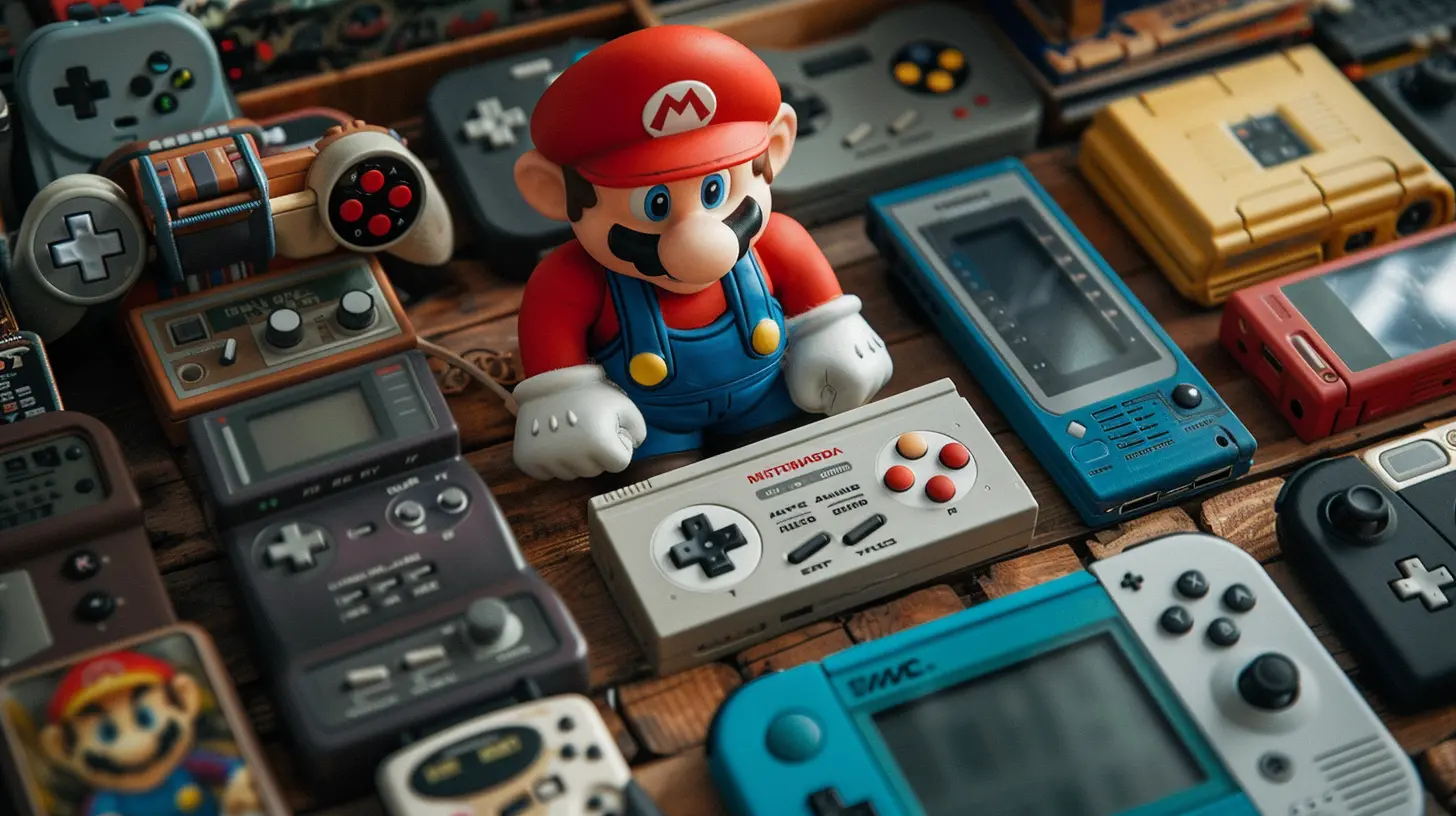
The Humble Beginnings That Set the Stage
To understand Nintendo’s success, we’ve got to take it back. Way back.Nintendo started as a playing card company in 1889. Yup—before Mario was even a thought, Nintendo was dealing hanafuda cards. It wasn’t until the 1970s that they jumped into the gaming industry. And boy, did they jump in with style.
Games like Donkey Kong in 1981 introduced characters like Jumpman (who later became Mario). He was pixelated, sure, but relatable. He was just an average guy trying to save his girl—a story as old as time, but told in a brand-new way on arcade screens.
This is where the magic started.
Character First, Gameplay Second? Not Quite
Nintendo never made the mistake of putting style over substance. They didn’t just design cool-looking characters and slap them into games. Their formula has always been gameplay-first, but always with characters that fit naturally into the world.Take Link from The Legend of Zelda, for example. He doesn’t just exist to swing a sword; he embodies courage, silence, and resilience. He’s an empty canvas for players to project themselves onto, yet he’s iconic enough that we know him instantly.
Mario, on the other hand, thrives because his mechanics match his world. He jumps cleanly, power-ups make sense, and his bright design complements the levels around him.
Nintendo masters the balance of function and personality. It’s like peanut butter and jelly—it only works when both parts shine.
Simplicity Is Nintendo’s Secret Sauce
Ever notice how Nintendo’s characters are easy to draw, even on a napkin?That’s not an accident.
Shigeru Miyamoto, the legendary designer behind Mario and Zelda, once explained that characters are kept simple so they can be recognizable—even on low-res screens. Think about the mustache on Mario—it was there because facial expressions couldn’t be shown with a few pixels, so the mustache helped communicate his face.
Simple designs make characters timeless. They’re easy to recognize, to laugh with, to care about. They don’t get lost in the noise of high-res graphics or bloated realism, and that’s intentional.
It’s like wearing your favorite old T-shirt—it doesn’t have the fanciest fabric, but it fits just right every time.
Emotional Connection: Nintendo’s True Power-Up
Why do we keep coming back to Mario Kart, Pokémon, or Animal Crossing?It’s not just the gameplay (though that helps). It’s because Nintendo has found ways to connect emotionally with players.
Games like Animal Crossing offer comfort. Pokémon taps into the excitement of collecting and the joy of discovery. Mario and Luigi? They thrive on playful energy and sibling devotion. Zelda games often turn players into heroes during deeply personal journeys.
These games make you feel. And once someone feels something, they remember it. Forever.
Nintendo doesn’t just want you to play—it wants you to care.
Reinvention Without Losing Identity
One of the toughest things in gaming is staying relevant. Tech changes, player tastes shift, graphics evolve. And yet, Nintendo manages to keep its stars in the limelight.How?
They reinvent without erasing identity.
Look at the evolution of Mario—from 2D side-scrollers to 3D open worlds like Super Mario Odyssey. His look might’ve changed slightly, but his essence remains the same. He’s still cheerful, heroic, and a bit goofy.
Zelda games reimagine the same world in different forms—from the pixel past of A Link to the Past to the sprawling beauty of Breath of the Wild. Yet they keep the soul—the Triforce of characters, the theme of courage, and that sense of adventure.
Nintendo respects its past but never gets stuck there. They evolve while honoring what made gamers fall in love in the first place.
Consistency and Quality Over Hype
Let’s talk trust, because that’s something Nintendo has earned.While other gaming giants sometimes hype up games that fall flat, Nintendo rarely releases a dud. Sure, not every game is a masterpiece, but most land with polish, love, and attention to detail.
That consistent quality builds trust. Fans know that when a new Nintendo title drops, it’s likely worth playing.
And the characters benefit from that trust. When you see Kirby or Samus on a box, you don’t just think of the character—you think of all the good times, smooth controls, and clever design that comes with them.
Nintendo doesn’t need a massive marketing stunt. Its icons sell themselves.
The Multi-Generational Magic
Here’s where Nintendo really wins: it makes games for everyone.From toddlers to grandparents, there’s a Nintendo character or story that resonates. Families play Mario Party together. Friends bond over Smash Bros. Pokémon fans span decades. There’s no “age barrier” when it comes to Nintendo.
By making characters that are universally appealing—cute but not childish, heroic but not edgy—Nintendo has made its IPs timeless.
It’s sort of like Disney in that way. Characters grow with you. Your love for them matures instead of fading.
Cross-Media Presence: From Game Console to Pop Culture
Another smart move? Nintendo doesn’t keep its characters stuck inside the console.These icons have leaped into cartoons, toys, clothing, collectibles, and even theme parks. With the Super Mario Bros. Movie smashing box office records and Universal Studios opening Super Nintendo World, these characters are now truly part of pop culture history.
They're like rock stars who went from playing local gigs (NES cartridges) to selling out stadiums (worldwide franchises).
And that kind of exposure cements their legendary status.
Innovation Without Losing Charm
Nintendo’s known for pushing boundaries—you don’t get the Wii, the DS, or the Switch without a good dose of daring. Yet despite all these hardware changes, their characters stay true.That’s not easy.
Think about it—Luigi still freaks out at ghosts, even in a VR-style haunted mansion. Kirby still sucks up enemies whether he’s 2D or 3D. Link still saves Hyrule, whether he’s cel-shaded or hyper-realistic.
Changing the platform without losing the soul of the character? That’s a delicate dance, and Nintendo nails it every time.
Community and Nostalgia: The Perfect Power Combo
Let’s be real—nostalgia is a heck of a drug.Many of us grew up with Nintendo. Our first wins, losses, co-op sessions—it’s all wrapped up in memories of these characters.
Nintendo doesn’t just rely on nostalgia, though. They build genuine community experiences. Think of all the fan art, the speedruns, the cosplay, the remixes. Nintendo characters live on not just in games, but in the culture around them.
Fans keep the flame burning. Nintendo just keeps giving them reasons to celebrate.
Conclusion: More Than Characters, They’re Companions
So, how did Nintendo create gaming icons that stand the test of time?They focused on simplicity and emotion, embraced innovation while staying consistent, and above all—crafted characters that feel like old friends. These aren’t just pixels or avatars. They’re companions on our digital journeys.
Whether you’re dodging banana peels in Mario Kart, solving ancient puzzles in Hyrule, or throwing a Pokéball at a Snorlax for the hundredth time, one thing’s clear:
Nintendo didn’t just build characters. It built legends.
all images in this post were generated using AI tools
Category:
Nintendo GamesAuthor:

Francesca West
Discussion
rate this article
2 comments
Dixie McIntyre
Nintendo's magic lies in its ability to craft timeless characters and worlds that resonate across generations. Their dedication to creativity and innovation not only shapes gaming but also inspires countless dreams. Here’s to the lasting legacy of Nintendo!
March 15, 2026 at 5:26 PM
Francesca West
Absolutely! Nintendo's unique blend of creativity and nostalgic storytelling truly creates enduring magic that connects with players of all ages.
Victor Clark
What a fantastic exploration of Nintendo's legacy! It’s amazing how characters like Mario and Link have transcended generations, becoming symbols of joy and creativity in gaming. Your insights highlight the timeless magic of these icons. Thanks for sharing this nostalgic journey that reminds us of the power of imagination in gaming!
March 12, 2026 at 5:07 AM
Francesca West
Thank you for your kind words! I'm glad you enjoyed the exploration of Nintendo's iconic legacy and the impact of characters like Mario and Link. Their enduring charm truly showcases the power of imagination in gaming!