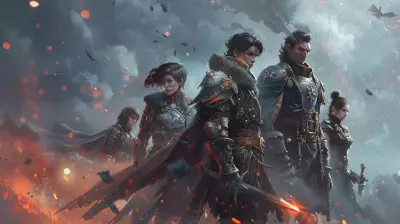
The Art of Balancing Fun and Frustration in Casual Games
7 August 2026
Let’s be honest—casual games are kind of like that one friend who always shows up just when you need a good time. They’re not too demanding, they don’t ask for a huge time investment, and they’re perfect for killing a few spare minutes (or hours… let’s not kid ourselves). But behind the simplicity of a casual game lies a tricky balancing act that can make or break the entire experience: keeping things fun, while sprinkling in just enough frustration to keep us hooked.
Sounds weird, right? You’d think frustration would be the last thing a game dev wants to add, but the right kind of it? Oh, it’s magic. Let’s dive into this rollercoaster of game design and see how developers manage to keep us coming back for “just one more try.”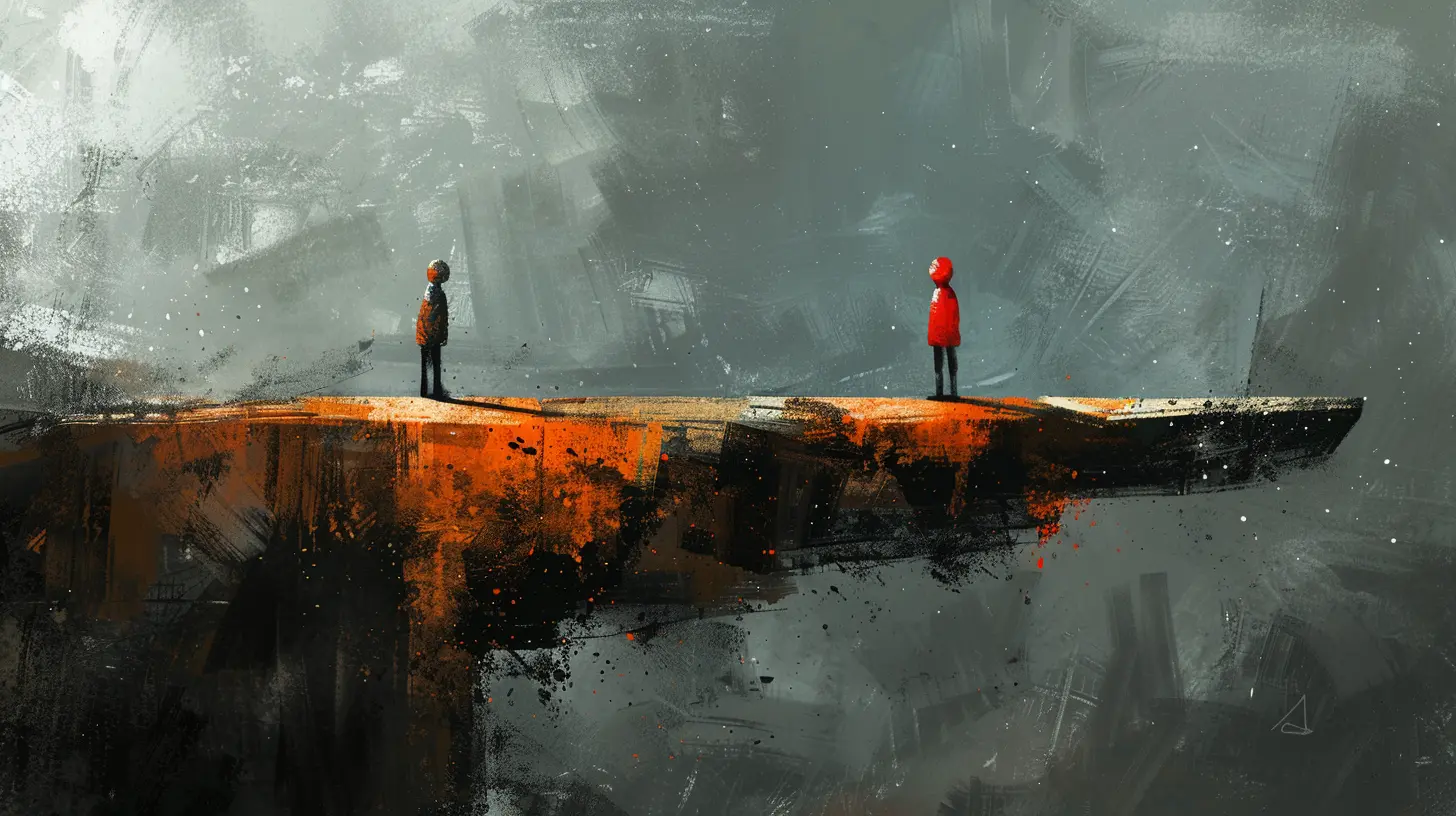
What Makes a Casual Game “Casual”?
Okay, before we break down the fun/frustration puzzle, let’s talk about what makes a game "casual" in the first place. Casual games are usually quick to pick up, easy to understand, and don’t need hours of gameplay to feel rewarding.Think:
- Candy Crush
- Flappy Bird
- Angry Birds
- Crossy Road
- Subway Surfers
They’ve got that instant appeal. You don’t need a guide or a tutorial video. You just jump in, tap or swipe, and boom—you’re playing. But don’t let the simplicity fool you. There's some serious brainpower behind that casual tap.
It Starts with Fun – The Hook
Every great casual game starts by being… well, fun. That initial spark, the “OMG this is so addictive!” feeling, is what reels us in. But what exactly makes a game fun?1. Simplicity of Gameplay
No one wants to read a manual longer than a fast-food receipt before they can start playing. Simplicity is key. One or two controls. A clear objective. Instant feedback.Take Flappy Bird again. Tap to flap. That’s it. No tutorials, no upgrades, no backstory. Just tap. And (let’s be real), we all got hooked.
2. Quick Rewards
Casual games reward players fast. Whether it's matching three gems and watching them explode or crossing a few roads without becoming pixel roadkill, you get that sweet hit of satisfaction almost immediately.That rapid dopamine hit keeps us going. Click-click-win. Swipe-swipe-success. Feels good, right?
3. Visual & Audio Candy
Bright colors, satisfying sounds, and smooth animations make everything feel more polished and enjoyable. A good casual game often feels like a mini-theme park in your pocket. It’s joyful chaos, and our brains eat it up.
Enter Frustration – The Secret Ingredient
Here’s where it starts to get interesting. You’d think game devs would want to keep things 100% pleasant. But too much fun without challenge? Boring.We’re wired to enjoy things that make us work just a little. That little spark of frustration? It’s what makes winning feel like a legit victory.
1. The Just-One-More Mentality
You fail, and it stings—but not enough to quit. Instead, your brain whispers, “You were sooo close.” And you tap again. This is beautifully engineered frustration. Not enough to rage quit, but enough to make you try again. And again. And again.2. Randomness with Purpose
Many casual games include randomness or unpredictable elements. Ever notice how in Clash Royale or Fruit Ninja, things suddenly seem to speed up or stack against you? That’s not bad design—it’s intentional tension.Randomness keeps things unexpected. It stops you from feeling like a robot solving patterns. It introduces chaos, and let’s face it—chaos keeps things spicy.
3. Gradual Difficulty Curve
Good casual games start super easy, but slowly ramp up difficulty. Why? Because your skill is growing, and the game needs to keep pace.That floating bird or speeding train isn't necessarily harder, but because you’re better, the game pushes back a little more. It’s like a dance—fun, frustrating, but you keep moving.
Striking the Perfect Balance: Fun + Frustration = Flow
Let’s talk about “flow.” It’s that magical state where time disappears. You’re not bored, you're not stressed—you’re just immersed. Legendary games live here.The best casual games hit that sweet spot right in the middle of fun and frustration. Too easy, and you’re yawning. Too hard, and you’re smashing your phone. But when it's just right? You’re hooked.
Game Devs’ Secret Sauce:
- Frequent feedback loops: Instant cause-and-effect keeps your brain engaged.- Micro-challenges: Small wins feel rewarding and add momentum.
- Clear goals: You always know what you’re trying to do, even if the path is bumpy.
- Low punishment for failure: You lose, but you can try again fast. No big penalty.
Common Mistakes That Tip the Balance
Let’s flip the coin. What happens when devs get it wrong?1. Too Frustrating
Some games throw you into the deep end way too early. Maybe the controls are clunky, maybe the enemies are unfair, or maybe they slap an ad in your face every time you lose.Result? You bail.
2. Too Boring
Yep, the other extreme—games that are basically auto-win simulators. No challenge, no emotion. Sure, it’s relaxing… for five minutes. Eventually, we crave that tension and payoff.3. Over-Monetization
We get it—devs need to make money. But if every retry costs coins or one little power-up costs $4.99, that frustration turns into resentment. And players peace out.How Casual Games Keep You Coming Back for More
Ever thought, “Why am I still playing this game?” You know the one. The simple, cartoony tapping game that somehow eats up your lunch breaks.Here’s why they work:
1. Daily Rewards & Streaks
Casual games love streaks. Log in every day, and the rewards grow. Miss a day? Ooof. The fear of missing out (FOMO) is real.2. Level Progression
There’s always a new level, a new skin, a new challenge just around the corner. And that keeps you intrigued.3. Leaderboards & Social Competition
Even in solo games, adding a leaderboard triggers your competitive side. “Oh no, Mark beat my score again? Not today.”Examples of Balanced Brilliance
Let’s give some shoutouts to games that truly nailed the fun/frustration balance.? Angry Birds
At first glance? Simple physics. But each level forces your brain to strategize, adapt, and retry. Those smug pigs? They’re emotionally motivating!? Crossy Road
You’re crossing a road. Rabbits can do that. But throw in speeding trains, rivers, and your own itchy thumbs? Boom: fun + frustration at its finest.? Brain Out (or similar puzzle games)
These games mess with your expectations. Puzzles seem easy, then suddenly twist. You feel smart one moment, totally stumped the next. It’s a mental rollercoaster—and it’s addictive.Tips for Game Devs: Mastering the Balance
If you’re dreaming of crafting the next big casual hit, here’s some advice:- Start easy, escalate gradually. Let players feel smart before challenging them.
- Design for failure loops. Failing should feel fair—and retrying should be instant.
- Use frustration wisely. Just enough to motivate, not enough to alienate.
- Offer small wins often. Keep that dopamine flowing.
- Watch your ads. Monetize ethically. Too many interruptions = uninstall city.
How Players Can Embrace the Friction
And for players? Here’s how to enjoy the ride without letting frustration ruin the fun:- Take breaks. That level isn’t going anywhere.
- Laugh at failure. Games are supposed to be goofy and fun.
- Celebrate small wins. Didn’t win the level but beat your high score? That counts.
- Avoid pay-to-win traps. Play games that love you back.
Final Thoughts: Joy in the Juggle
Casual games are more than just time-wasters. They’re carefully-crafted experiences that tap into our desire for fun, challenge, and mastery. The magic happens in the balance—the dance between fun and frustration. Too much of either, and the spell breaks. But get it just right? You’ve got gaming gold.So next time you’re cursing at a little bird or dodging cars for the fiftieth time, take a second to appreciate the genius behind the chaos. That tension you feel? That’s not failure—it’s design. And that’s the beauty of the art.
all images in this post were generated using AI tools
Category:
Casual GamingAuthor:

Francesca West
Discussion
rate this article
1 comments
Jenna Wolf
Finding the right mix of fun and frustration is key in casual games. When challenges feel rewarding rather than punishing, players stay engaged. Developers should focus on this balance for a satisfying experience.
August 8, 2026 at 3:27 PM
Francesca West
Absolutely! Striking that balance keeps players hooked and coming back for more. It's all about rewarding challenges.