From Tetris to Today: A Brief History of Casual Gaming
16 April 2026
Remember the first time you played Tetris? That oddly satisfying feeling of lining up blocks perfectly, watching them disappear with a satisfying whoosh. It didn’t take flashy graphics or intense storylines to hook us. Just pure, simple fun.
That’s what casual gaming is all about.
Over the decades, we've come a long way from dropping geometric shapes in an 8-bit world to swiping candies, catching Pokémon, and building pixel kingdoms on our smartphones. Whether you're unwinding after work or killing time while waiting in line, casual games are a universal comfort zone. So, how did we get from Tetris to today's app stores overflowing with endless games?
Let’s dive into this colorful evolution, one block at a time.
The Birth of Casual Gaming: Tetris and the Simplicity Revolution
Back in 1984, a Russian software engineer named Alexey Pajitnov created something magical. No blood, no high scores, no bosses—just falling blocks and brainy fun. That game? Tetris.Little did Pajitnov know, he gave birth to a casual gaming revolution.
Tetris broke barriers. It didn’t care about age, gender, or gaming skill. It ran on early PCs and eventually made its way into millions of pockets via the original Game Boy.
This game proved one thing: simple mechanics plus addictive gameplay equals a timeless classic. Tetris wasn't just a game—it was a moment. And it laid the foundation for an entirely new genre.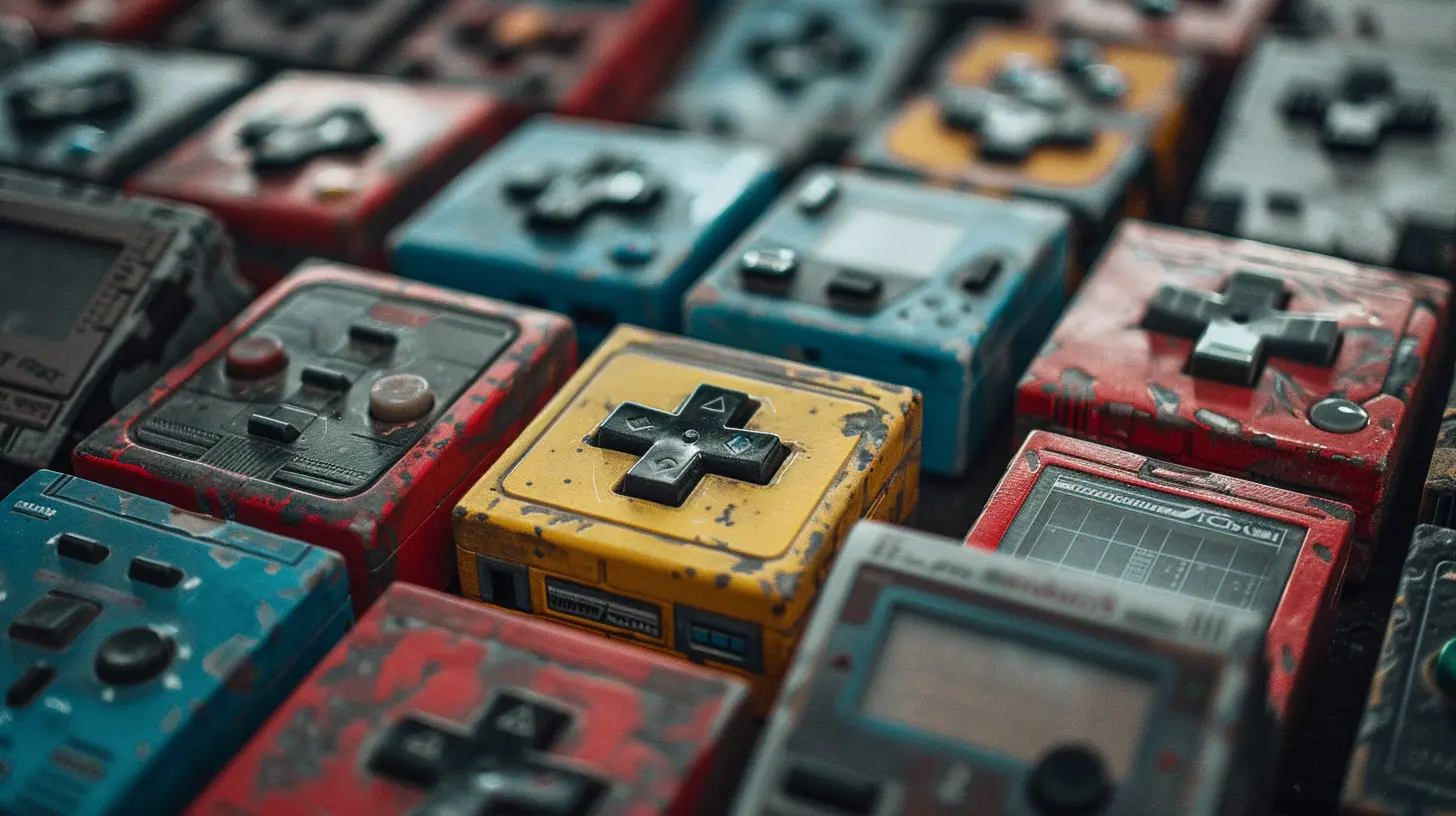
What Exactly Is a "Casual Game"?
Let’s clear this up.A casual game isn’t about how “serious” you are. It’s a game that anyone can pick up and play—without reading a manual or grinding for hours. Think short sessions, intuitive controls, and easy-to-learn mechanics. They’re designed for everyone, from your aunt who just got a smartphone to your friend who’s a die-hard gamer but needs a break.
Genres range from puzzle and time management, to simulation and match-3 games. If it’s got low commitment but high satisfaction? It’s casual.
The 90s: Arcade Fun Comes Home
The 90s were a wild time. Flannel shirts. Dial-up internet. Tamagotchis.But in the world of gaming, we were stepping into living rooms in a big way. Console makers like Nintendo and Sega began offering games that, while not always labeled “casual,” definitely leaned that way.
Think Dr. Mario, Lemmings, and even early Sonic titles. These games had bright visuals, catchy soundtracks, and super simple controls. No one needed to be a pro to have fun.
PC games also threw in their two cents with titles like Solitaire and Minesweeper, pre-installed on nearly every Microsoft computer. Who knew clearing mines could be so addictive?
Early 2000s: The Rise of Online and Flash Games
Ah, the golden era of dial-up tones and loading bars—when websites like Miniclip, AddictingGames, and Newgrounds ruled the online space.Kids and teens flocked to school library computers and home desktops to play interactive mini-games that loaded right in the browser. No installs. No cost. Just fun.
Titles like:
- Bejeweled – Match-3 addictiveness at its peak
- Diner Dash – Chaos in a fictional restaurant, but oh-so-satisfying
- Bloons Tower Defense – Colorful monkeys popping balloons like no tomorrow
These games paved the way for casual gaming to thrive online. Flash made it easy, and developers took full advantage.
The Facebook Era: Casual Gaming Goes Social
Let’s talk about FarmVille.When Facebook burst onto the scene, no one expected it to become a gaming hub. But then, suddenly, everyone’s mom, coworker, and college roommate was sending you requests to water their crops.
Casual gaming exploded here because it was tied to something even more addictive than gameplay: our social networks.
Games like:
- FarmVille
- Candy Crush Saga
- Mafia Wars
- Pet Society
They all integrated with your friend list, encouraging you to invite others, compete, and share your progress. This wasn’t just gaming—it was community-building with a pixelated twist.
And let's be real, who didn't spend at least one late night trying to build a bigger farm?
Mobile Gaming: Casual Gaming in Your Pocket
This is where things really took off.The launch of the iPhone in 2007 (and Android shortly after) didn’t just change how we communicate—it redefined how we play. Suddenly, you could game anywhere: in bed, at the bus stop, or even (don’t lie!) during meetings.
The App Store became a gateway to thousands of casual games, with mega-hits like:
- Angry Birds – Slingshotting birds never felt so good
- Temple Run – Endless running, endless fun
- Subway Surfers and Jetpack Joyride – Quick-reaction games perfect for short bursts
- Fruit Ninja – Slice and dice therapy at your fingertips
These games weren’t just time-fillers. They became rituals.
“Just one more level” turned into entire lunch breaks and long bathroom visits (you know it’s true). And the best part? Most of them were free or super cheap.
Casual Gaming Gets Competitive: Welcome to the eSports Lite Era
Usually, when we think of eSports, we imagine intense shooters or high-skill strategy games. But casual games quietly carved out their own competitive lane.Think:
- Clash Royale – Card-based battles with surprising depth
- Words With Friends – Scrabble with a social twist
- 8 Ball Pool – Classic gameplay with internet bragging rights
Even games like Candy Crush introduced leaderboards, rankings, and weekly challenges, feeding our craving to “be the best,” but in a way that felt fun—not stressful.
You’re not just killing time. You’re climbing digital ladders and showing off your gaming chops—without sacrificing your sanity.
The Psychology Behind the Popularity
Why are casual games so addictive, anyway?Here’s the deal:
- Instant Gratification – Quick rewards trigger those feel-good brain chemicals
- Low Barrier to Entry – No practice runs or steep learning curves
- Satisfying Feedback Loops – Think sparkles, sounds, and level-ups telling you “Hey, you're crushing it!”
- Stress Relief – After a long day, blowing up colored balls doesn’t seem like such a bad idea
Casual games tap into our deepest needs for achievement and escape—but in a light, snackable kind of way. It's like the popcorn of the gaming world. And who doesn’t love popcorn?
Casual Games in 2020s: The Golden Era?
You bet.Mobile phones are more powerful than some early computers. And with cloud gaming, touch screens, and smart AI integration, today’s casual games are smarter, prettier, and more personalized.
Today's casual giants include:
- Among Us – Social deduction made viral
- Wordle – A daily obsession for word nerds
- Royal Match & Homescapes – Match-3s with storyline twists
- Stumble Guys – A mini party game chaos on your phone
On top of that, indie developers have more tools than ever to create casual masterpieces. Whether it’s cozy farming sims or silly rhythm games, there’s something for everyone—and it keeps getting better.
What's Next for Casual Gaming?
The future? It’s looking brighter than a Candy Crush level-up screen.We’re already seeing casual gaming blend with:
- Augmented Reality (AR) – Pokémon Go was just the beginning
- Voice & Gesture Controls – Smart speakers and VR might usher in a new era
- Hyper-Casual Games – Even fewer mechanics, even faster gameplay
- Cross-Platform Syncing – Start on your phone, finish on your tablet or laptop
And let’s not forget the rise of accessibility and diversity in game design. More people creating = more inclusive, relatable games. That’s a win for everyone.
Why Casual Gaming Matters
Look, not everyone wants to spend 100+ hours in an epic RPG or master every combo move in a fighter. And that’s perfectly okay.Casual gaming reminds us that play is for everyone. It’s about pure joy, creativity, and connection—all wrapped up in a five-minute game session. It brings generations together. It builds friendships. And sometimes, it even saves sanity.
From Tetris to today, casual gaming has proven its staying power. It’s not just a trend. It’s a lifestyle.
So the next time you swipe your screen to make three candies explode or launch a bird at a pig fortress, take a second to appreciate the journey. Because gaming doesn’t always need to be epic to be meaningful.
Sometimes, it just needs to be fun.
Final Thoughts
Casual gaming has come a long way—but its heart remains the same. It’s about fun, relaxation, and instant joy. Whether you’re a lifelong gamer or picking up a controller for the first time, casual games welcome you with open arms. And with technology constantly evolving, the future of casual gaming is only getting more exciting.So go on—press play.
all images in this post were generated using AI tools
Category:
Casual GamingAuthor:

Francesca West
Discussion
rate this article
2 comments
Taryn McEachern
Casual gaming has evolved remarkably, from Tetris's simple blocks to today's immersive experiences. This journey highlights not just technological advancements, but also the profound ways games connect us, offering joy and relaxation. As we play, we embrace a shared, innovative cultural legacy.
April 24, 2026 at 4:32 AM
Francesca West
You're spot on. The evolution of casual gaming truly reflects our changing culture and technology, turning simple fun into shared experiences that enrich our lives.
Julianne Gilbert
Fascinating journey! It’s amazing to see how casual gaming evolved from simple blocks to immersive experiences.
April 20, 2026 at 4:08 AM
Francesca West
Thanks for your feedback! It's incredible to witness that evolution firsthand.