Unexpected Life Lessons from Casual Gaming
6 March 2026
Let’s face it—when most people think of gaming, especially the casual variety, they imagine short bursts of fun used to pass time. Candy Crush on the morning commute? Sure. A quick round of Subway Surfers while waiting for your coffee? Absolutely.
But guess what? Casual gaming isn’t just a mindless escape. Beneath the colorful graphics and satisfying sound effects, these games are quietly teaching us lessons—real ones we can apply to our everyday lives. Sounds crazy, right? But stick with me—I promise by the end of this post, you’ll never look at your mobile games the same way again.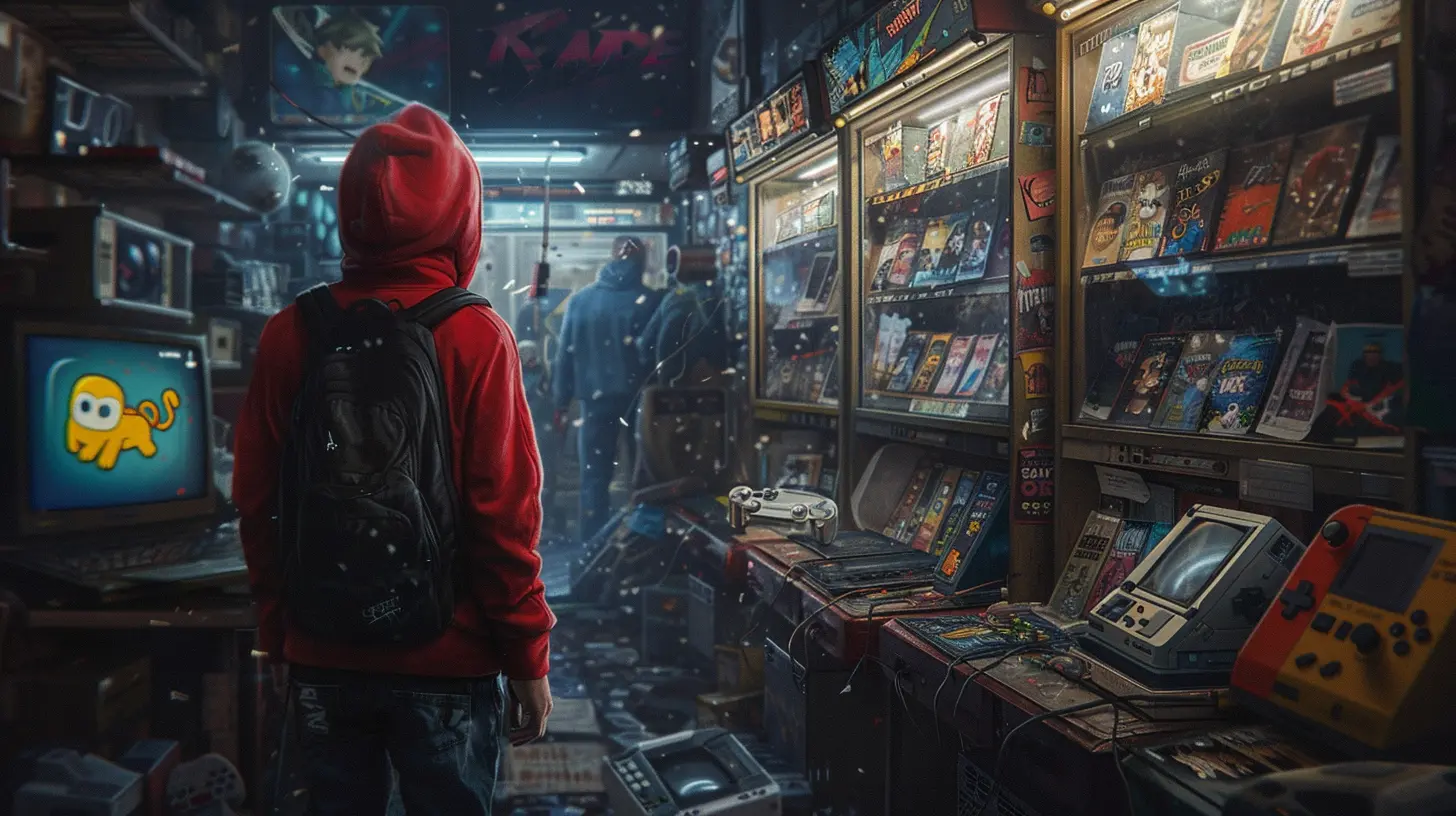
What Even Are Casual Games?
Before we dive into the wisdom, let’s define our terrain.Casual games are typically simple, easy-to-learn games you can jump into right away without a steep learning curve. They don’t require hours of strategy or storytelling—just tap, swipe, and you’re in. Think Bejeweled, Angry Birds, Fruit Ninja, and Wordscapes. Whether it’s matching tiles, dodging obstacles, or guessing words, these games are designed to be quick, fun, and addictive.
And that’s where the magic happens—because in that simplicity lies a surprising depth of life lessons.
1. Patience Pays Off
Ever been stuck on a level in Candy Crush for days? Yeah, same.Casual games are sneaky masters at teaching patience. You fail. You try again. The same level. Over. And. Over. At some point, it stops being frustrating and starts becoming a test of grit.
Let’s be honest—life isn’t exactly a breeze either. Whether it’s waiting for a job callback, working through a difficult relationship, or just trying to save money, patience is key. Casual games remind us that not everything will happen instantly. Sometimes, you’ve got to play the long game.
The Takeaway:
Small, consistent efforts—even after failure—can eventually bring success. Keep swiping, keep grinding.
2. Problem-Solving on the Fly
Think of puzzle games like Brain Test or Two Dots. You’re constantly asked to make decisions, try new angles, and experiment with strategies.This is mental fitness, plain and simple. You're evaluating options, learning from your mistakes, and rerouting your approach—all in real-time. Isn’t that what life throws at us too?
You might not realize it, but casual gaming trains that quick, flexible thinking that’s super useful in real-world scenarios—from workplace problem-solving to making snap decisions in everyday life.
The Takeaway:
Sometimes, the best way forward is to rethink your approach rather than repeating the same solution.
3. Celebrating Small Wins
One thing that keeps people coming back to casual games? The constant rewards. Whether it’s stars, coins, or unlocking the next challenge, these mini-celebrations feel good.And here’s the lesson: Small victories matter. Life often feels like one big to-do list. But casual gaming reminds us how motivating it is to acknowledge progress—even if it’s tiny.
Apply this to your daily routine. Finished your laundry? That’s a win. Made it to the gym? Another high five to yourself. These micro-moments keep us going.
The Takeaway:
Don’t ignore small achievements—they stack up to big wins over time.4. Learning from Failure
There’s no “Game Over” in casual games—just “Try Again.”You fail a level? You're not penalized with shame or judgment. Instead, you’re encouraged to pick yourself back up and give it another shot. That’s healthy failure right there.
It builds resilience. Over time, the sting of failure fades, and you start embracing it as part of the learning curve—a powerful shift, especially when applied outside the game.
The Takeaway:
Failure isn’t the end—it’s part of the journey toward getting better.5. The Joy of Focus
Ever found yourself completely immersed in a game of 2048, only to look up and realize 30 minutes have passed? That’s flow—a deep state of focus that makes you lose track of time.It happens when your skill level matches the challenge level, and it feels amazing. The coolest part? Once you recognize what flow feels like in gaming, it becomes easier to apply it elsewhere—writing, working, cooking, you name it.
The Takeaway:
Focus is a skill—train it in a chill game, and use it in real life.6. Time Management Skills
Ironically, casual games teach you how to manage time better. With limited lives, energy systems, or daily rewards, you can't binge endlessly (unless you’re paying, of course).You start budgeting your time more effectively—play during breaks, use downtime efficiently, and avoid impulsive distractions.
That quick awareness of time in games often translates to more mindful habits off-screen too.
The Takeaway:
Even playtime has limits. Learn to make the most of every minute.7. Social Connection
Many casual games have multiplayer options or social features that let you send lives, challenge friends, or rank on leaderboards. It adds a subtle layer of community interaction.You begin connecting with friends or even strangers through shared challenges. These moments may seem trivial, but they foster a sense of belonging—something we all crave.
So yeah, playing Words With Friends could actually bring friends… back together.
The Takeaway:
Games can be glue—tiny digital bridges bringing people a little closer.8. Emotional Regulation
Ever rage-quit a game and then laugh at yourself five minutes later? No shame in that—we’ve all been there.Casual games are low-risk ways to experience big feelings: frustration, excitement, satisfaction. And over time, you get better at managing them.
You miss a perfect shot? You breathe and try again. You lose a level right before winning? You walk it off. That’s emotional regulation in action.
The more you practice it in a safe space like a game, the better you become at handling emotions in more serious situations.
The Takeaway:
Gaming builds emotional muscle—helping you react calmly, not just quickly.9. Creativity Comes Alive
Games like Tetris or Monument Valley trigger more than strategy—they spark creativity. How do you solve the puzzle? What if you did it differently? What if you bent the rules?You develop creative confidence. You’re no longer afraid to try something unconventional. And once that mindset spills into work or life, you're doing things differently—and better.
The Takeaway:
Casual gaming teaches you to color outside the lines—and that’s where the magic happens.10. Mindful Escapism
Let’s be real: Life can be overwhelming. Between jobs, family, bills, and the constant buzz of notifications, sometimes you just need a breather.Casual games offer that pause. They give you a structured way to decompress—an intentional escape that helps you reset instead of doomscrolling through social media.
By engaging your brain without stressing it, these games provide a break with purpose.
The Takeaway:
Taking a break isn’t lazy—it’s necessary. Casual games can be your pocket-sized reset button.Final Thought: It’s More Than “Just a Game”
So, next time someone says, “You’re wasting time on your phone,” smile politely.Because now you know better.
Behind every fruit slice, word guess, or tile match lies an unexpected lesson in patience, focus, resilience, and creativity. Casual gaming is no replacement for real-world experience—but it sure can prepare you for it in sly, subtle ways.
You don’t have to be a pro gamer to benefit. Just keep playing, keep learning, and maybe—just maybe—you’ll walk away with more than just a high score.
FAQs About Life Lessons from Casual Games
Are casual games really educational?
Yes, in subtle ways. While they may not teach academic subjects, they enhance life skills like problem-solving, emotional control, and strategic thinking.Can playing games actually help with stress?
Definitely. Many casual games engage your brain in ways that help reduce stress and anxiety. They're a focused distraction that lets you reset.Isn’t it better to be productive instead of gaming?
Productivity isn't just about doing—it’s about balance. Casual gaming, when used mindfully, can recharge your mental batteries and make you more effective in other areas.all images in this post were generated using AI tools
Category:
Casual GamingAuthor:

Francesca West
Discussion
rate this article
2 comments
Skyler Lewis
Casual gaming transcends entertainment, teaching resilience, strategy, and the value of small victories in everyday life.
March 7, 2026 at 3:28 PM
Francesca West
Thank you for highlighting the deeper impacts of casual gaming! It's amazing how these experiences can translate into real-life skills and resilience.
Heather McDowney
Who knew that dodging pixelated meteors and collecting virtual coins could prepare us for real-life challenges? Forget therapy; I’ll just conquer the next level of Candy Crush and call it self-improvement! If only my boss knew how many life skills I've mastered while saving princesses!
March 7, 2026 at 4:50 AM
Francesca West
Absolutely! Casual gaming can surprisingly boost skills like problem-solving and resilience. Who knew saving princesses could lead to real-life growth? Keep leveling up!