When Simplicity Meets Genius in Game Design
11 September 2026
Video games have come a long way—from pixelated screens and 8-bit soundtracks to hyper-realistic open worlds that mimic real life. But here's the twist: despite all the massive leaps in technology, some of the most beloved and engaging games out there are the simplest ones.
Yep, you heard that right.
Simple doesn’t mean boring. In fact, simple can be brilliant. When simplicity meets genius in game design, you get experiences that are accessible, unforgettable, and downright addictive. Let’s dive headfirst into how less often becomes more in the world of video game design.
The Magic of Less: Why Simple Games Stick With Us
Let me ask you something—how often do you find yourself returning to complex RPGs with 100+ hour campaigns versus a quick round (or ten) of Tetris or Among Us?Exactly.
Simple game mechanics are easier to learn, but hard to master. That’s what makes them so intriguing. They have this sneaky way of pulling you in, and before you know it, it's 2 AM and you’re promising yourself just “one more round.”
Easy to Learn, Hard to Master
This is the golden rule of legendary game design. Think of Pong, Snake, or even the original Super Mario Bros. You already knew how to play within minutes, but truly mastering the rhythm and finesse required hours of play—and quite a few rage quits.It’s this balance between accessibility and depth that makes simple game design so deeply compelling. A genius move, honestly.
Iconic Games That Nailed It With Simplicity
Let’s shine a spotlight on some game titles that absolutely crushed it while keeping things minimal.Tetris – The Ultimate Puzzle
What’s more straightforward than stacking blocks? And yet, Tetris is one of the most iconic games ever made. All you do is rotate and drop blocks to clear lines. That’s it. But the tension builds, the music speeds up, and your heart races.Pure genius, wrapped in simplicity.
Minecraft – Blocks of Brilliance
At first glance, Minecraft looks like a game built by toddlers—blocky graphics, basic crafting, and a world made entirely of cubes. But peel back the simplicity and you find limitless creativity. Want to build the Taj Mahal? Go ahead. Want to fight zombies in survival mode? Sure. The core idea is simple; the possibilities are endless.Flappy Bird – Tap, Die, Repeat
Remember Flappy Bird? One tap to flap. That’s it. But who knew a game so basic could become a global sensation almost overnight? The rage, the obsession, the memes—it all stemmed from one ridiculously simple interaction. That’s viral-level genius.
The Psychology Behind Simple Game Design
So, why do our brains adore these kinds of games? It’s not just about nostalgia or ease.Instant Gratification
Simple games give you that sweet dopamine hit fast. You boot it up, and within seconds, you're playing. No cutscenes, no tutorials, no 15-minute dialogues. Just straight into the action.And that’s exactly what modern brains crave.
Low Barrier, High Reward
Games like Crossy Road or 2048 don’t intimidate players with complicated controls or rules. Anyone—literally anyone—can jump in. But reaching a high score? That takes skill. This contrast keeps us hooked.Flow State Friendly
Remember that psychological state where you’re so into something that you lose track of time? That’s called the "flow state." Simple games are often designed to trigger this perfectly. You feel challenged, but not overwhelmed. And the feedback loop—score, retry, improve—is immediate.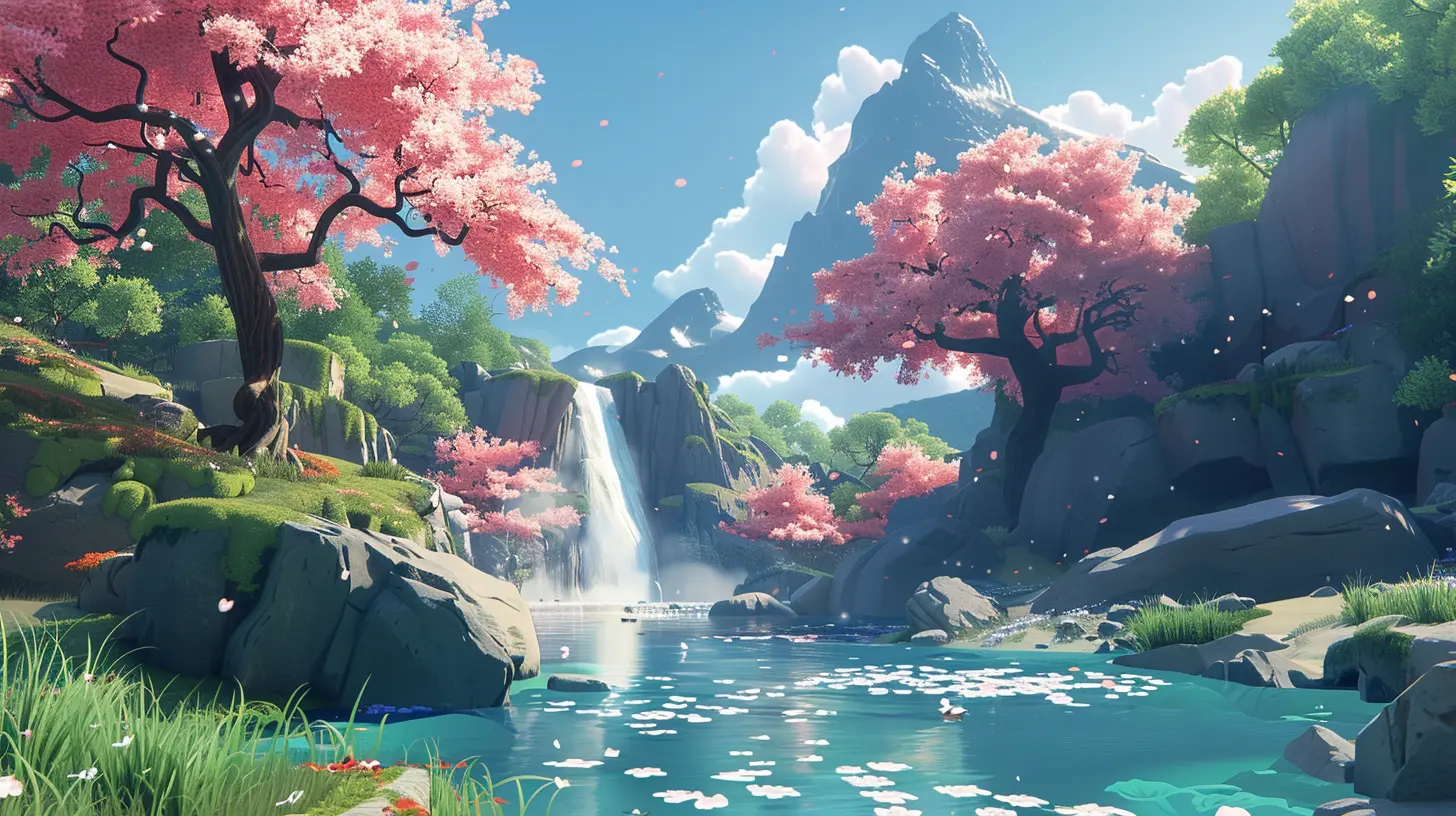
Minimalist Design: Aesthetic Brilliance
It isn’t just about gameplay. Visual simplicity plays a huge role too.Clean UIs for Immersive Focus
When a game’s interface is clean and intuitive, players focus more on the mechanics and less on figuring things out. Think of games like Monument Valley or Limbo. Minimal graphics, but stunning in their own way.Evoking Emotion with Less
Some indie games manage to tell emotional, moving stories with minimal dialogue or text. Journey, for example, uses visual cues and music to create a deep, reflective experience—no words needed.That’s the power of visual storytelling through simplicity.
Indie Games and the Rise of Minimalist Masterpieces
Let’s be real—big-budget game studios often chase photorealism and feature-packed releases. But indie developers? They’re the true artists of minimalist game design.The Indie Advantage
Indie developers don’t usually have AAA budgets, but that actually works in their favor. With fewer resources, they focus on tight mechanics, compelling ideas, and innovative storytelling. The result? Masterpieces like Celeste, Inside, and Thomas Was Alone.These games didn’t need flashy graphics—they needed heart, polish, and smart design choices.
Constraints Breed Creativity
There’s a saying in the creative world: “Creativity loves constraints.” It’s 100% true in game design. When devs have to work with limits—be it budget, graphics, or mechanics—they often craft something original and deeply engaging.Multiplayer Simplicity: Letting Players Create the Fun
Even multiplayer games benefit from simple frameworks. Ever tried to explain Mario Kart or Rocket League to someone? It takes like 30 seconds. But playing? You could easily sink hours into it.Social Simplicity
Games like Among Us or Fall Guys are built on easy interactions and quick rounds. What sets them apart is how they empower players to create drama, laughter, and chaos. Game mechanics take a back seat to human interaction—and that’s by design.The Genius Behind the Curtain: Smart Systems, Simple Interfaces
Don’t get it twisted—just because something looks simple doesn’t mean it’s easy to make.Behind every “easy” mechanic is likely a complex system of design choices, testing, and iteration. Developers sweat the details so players don’t have to.
Hidden Depth
Take the game Loop Hero, for example. On the surface, it plays itself. But underneath, it’s a strategic beast. Deck building, enemy placement, class management—all these intricate systems are masked by a simplistic loop of walking in circles.That’s clever design. That’s genius.
Why Simple Games Often Have Better Longevity
Have you noticed how many of the “most replayed” games are simple ones? There’s a reason.Strong Core Loops
Simple games often have a rock-solid gameplay loop. You try, fail, learn, and try again. That kind of design builds habits. It’s like how you keep playing card games or Sudoku—they never age because the loop is satisfying and timeless.Easy to Update
Simple game frameworks are easier to tweak. Developers can add new levels, characters, or features without breaking the core experience. That’s why games like Stardew Valley or Geometry Dash keep evolving and retaining players.Simplicity as an Art Form
What if we stop seeing simplicity as a limitation and start seeing it as a design philosophy?Simplicity is clarity. It’s control. It’s knowing exactly what your game is—and isn’t.
It’s stripping away the noise so only the good stuff remains.
And when that happens? You’re not just playing a game. You’re experiencing something beautifully crafted, yet effortlessly fun.
Final Thoughts
So, whether you’re a gamer, a developer, or just someone curious about why certain games are so addicting, remember this: genius in game design doesn’t always come with explosions, 4K textures, or billion-dollar budgets.Sometimes, it starts with just a block, a button, or a well-timed jump.
When simplicity meets genius in game design, you get games that make memories, not just headlines.
Isn’t that what gaming’s all about?
all images in this post were generated using AI tools
Category:
Casual GamingAuthor:

Francesca West
Discussion
rate this article
1 comments
Alisha Martinez
True brilliance lies in creating depth from simple mechanics.
September 26, 2026 at 4:09 AM
Francesca West
I completely agree. It's amazing how deep experiences can emerge from straightforward mechanics. That's where the magic happens.