Why Nintendo’s Characters Are So Universally Loved
21 August 2026
When it comes to video game icons, very few names ring louder than Mario, Link, Pikachu, and Donkey Kong. These characters are instantly recognizable across the globe, regardless of age, gaming experience, or even language. People don’t just play Nintendo games—they grow up with them. But have you ever stopped and asked yourself: Why are Nintendo’s characters so universally loved?
Let’s break it down. From the nostalgic magic to the simple, timeless design, Nintendo knows exactly how to craft characters that stick with us forever. In this article, we’re diving deep into what makes these beloved characters not just icons, but cultural legends.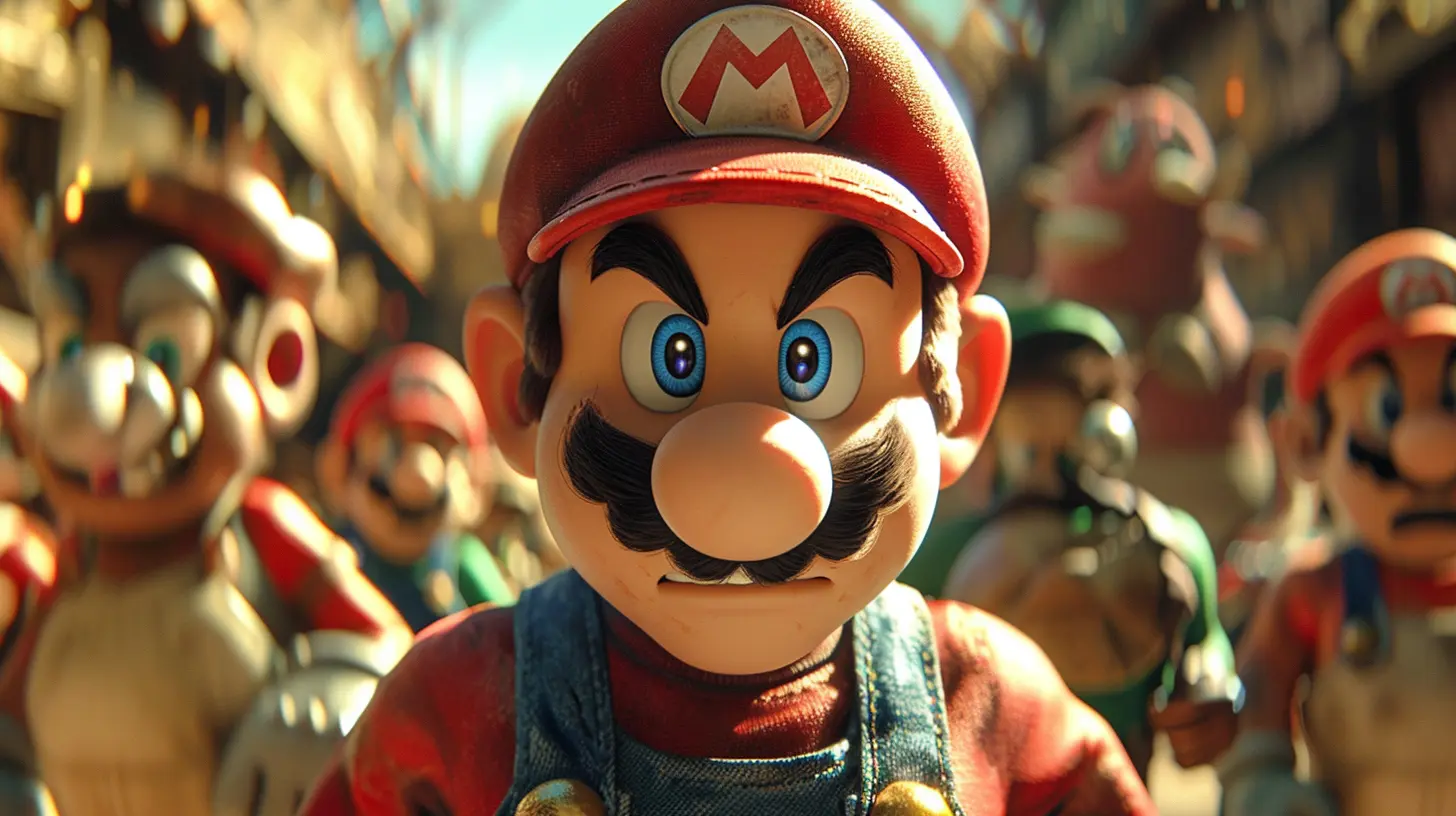
The Power of Simplicity
Let’s start with something that might seem all too obvious: simplicity.Nintendo nails character design by keeping things clean and recognizable. Take Mario as a prime example. Red cap, mustache, overalls—boom, you know exactly who that is. The simplicity works so well because it's easy for players of all ages to connect with. You don’t need to memorize a backstory or follow convoluted lore to “get” Mario. He’s just your everyday plumber on a mission to save a princess.
And it’s not just Mario. Kirby is literally a pink puffball with feet. Link? A kid in a green tunic wielding a sword. Pikachu? A bright yellow mouse with lightning powers.
These characters are easy to draw, easy to remember, and easy to love. When designs are simple, they allow room for imagination—and that’s where the magic lives.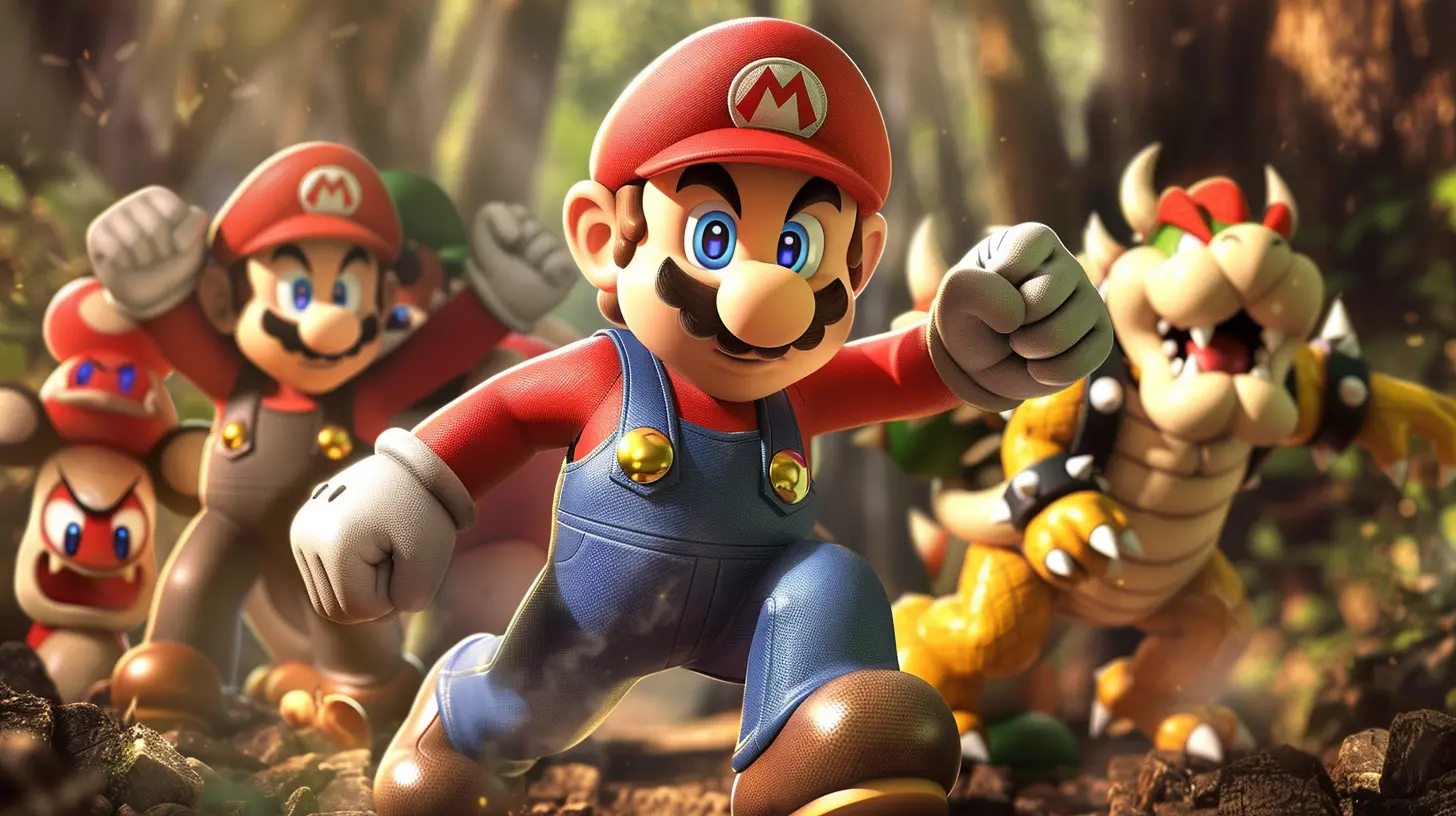
Nostalgia That Hits Hard
If you've played Nintendo games since you were a kid, chances are you’ve formed a real emotional connection with these characters. And you're not alone.Nintendo has been around for decades, and their characters have been growing with generations of gamers. When people hear the Super Mario Bros. theme, their minds instantly flash back to childhood living rooms and long afternoons spent conquering Bowser’s Castle. It's not just gaming—it's a journey down memory lane.
Unlike other franchises that constantly rebrand or reboot, Nintendo stays true to its roots. The evolution of their characters is subtle and respectful. Over the years, Mario has gone 2D to 3D, but he's still Mario. That consistency breeds familiarity, and with familiarity comes trust—and love.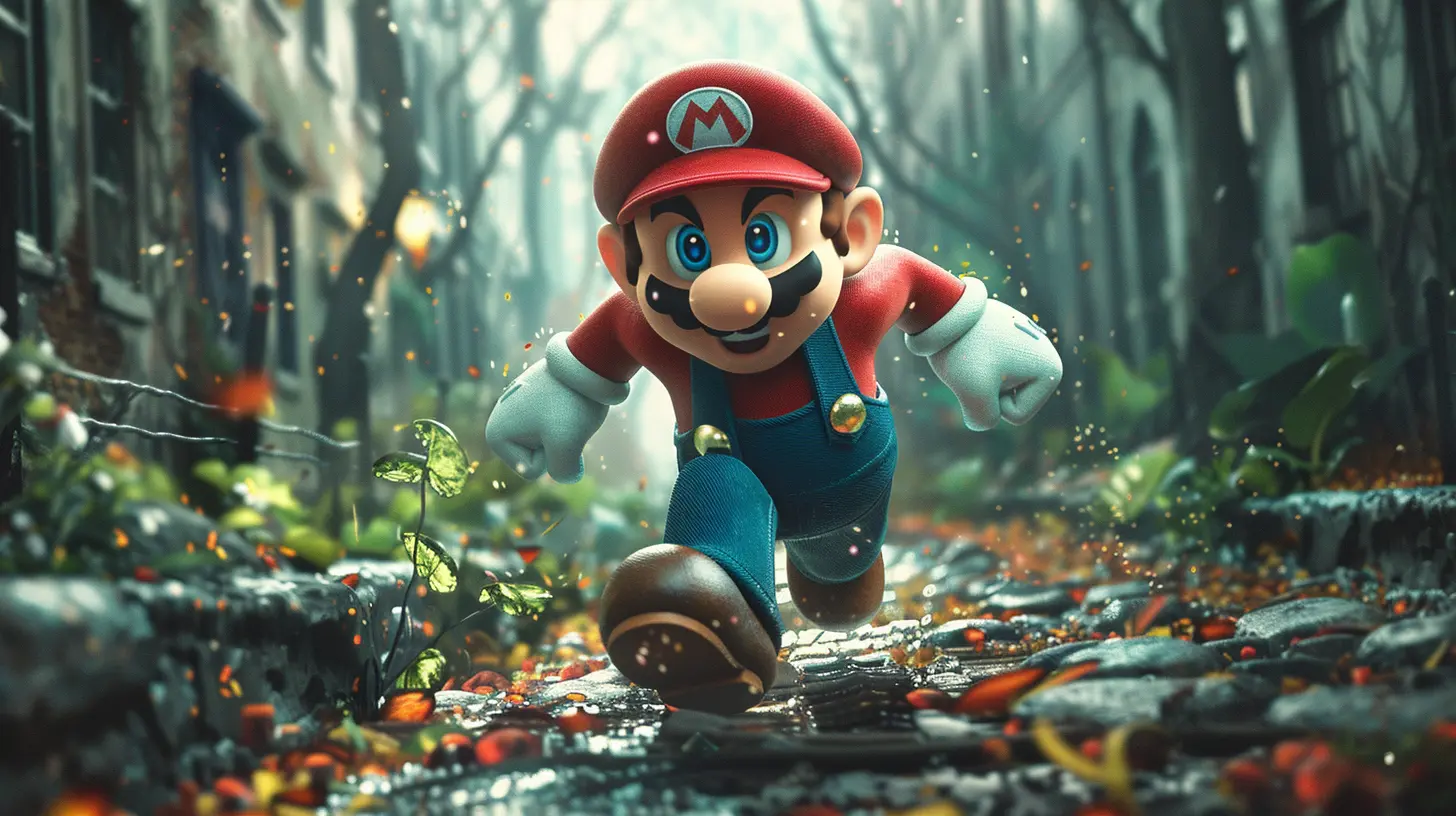
Universality Without Borders
Nintendo’s characters speak every language by not speaking much at all.Think about it: Many of Nintendo’s flagship characters don’t talk, or if they do, they speak in iconic sounds rather than full dialogue. Link grunts, Mario shouts “It’s-a me!” and Pikachu says… well, just “Pika.”
That’s the genius of it. These characters transcend language barriers. They're all about expressions, actions, and memorable gestures. Their world-building relies more on emotion and gameplay than on long-winded exposition. This means a six-year-old in Tokyo and a 30-year-old in New York can enjoy the same story without needing a translation.
It’s like watching a great silent movie. You feel the impact without needing subtitles.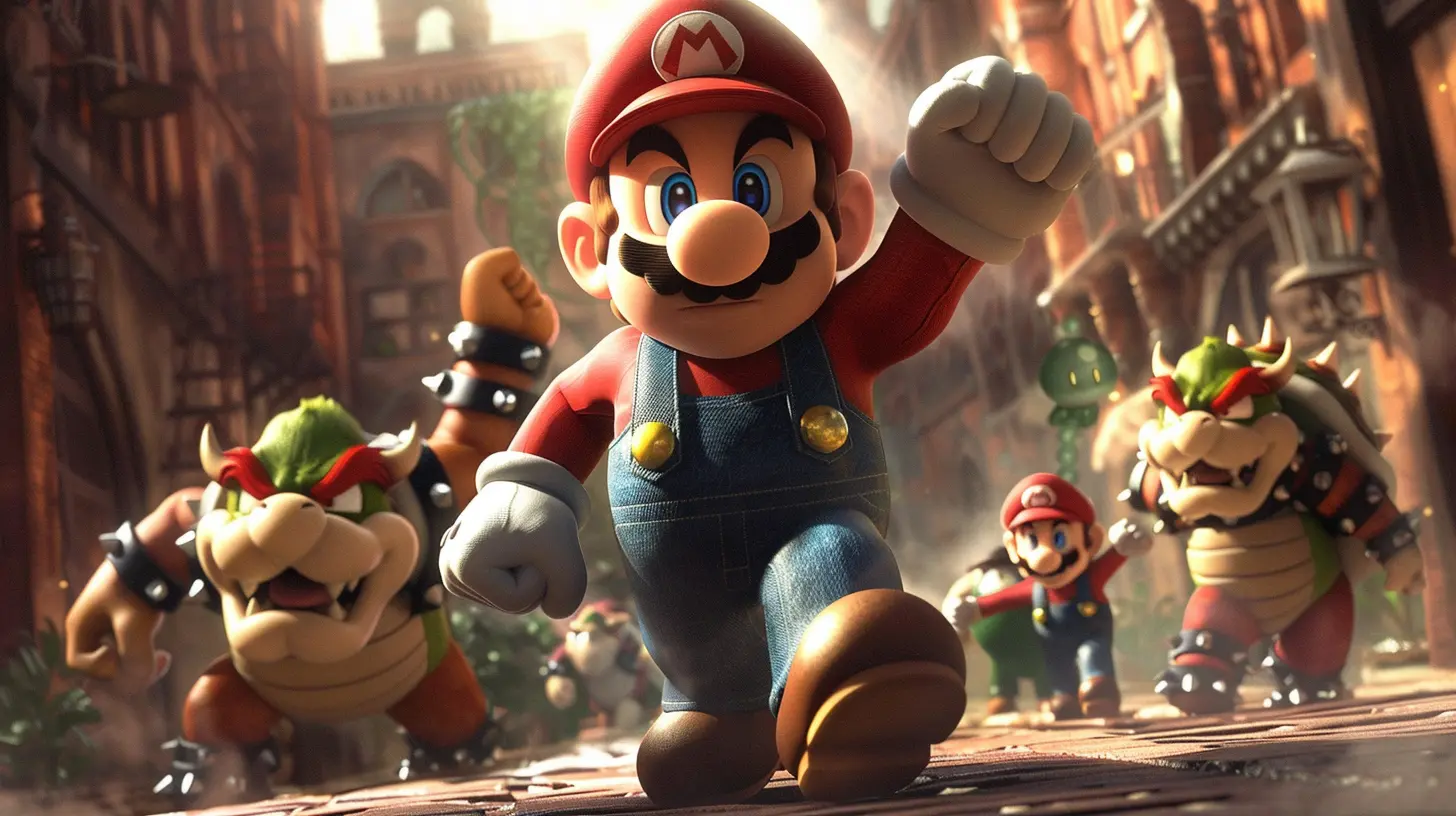
Timeless Design and Evolution
Nintendo manages a delicate balance: evolving its characters without losing their essence.Let’s take a look at Link. From pixelated hero in “The Legend of Zelda” on NES to the cel-shaded adventurer in “Wind Waker” and the open-world champion in “Breath of the Wild,” Link’s design changes while his core identity remains intact.
Even characters like Samus Aran from “Metroid” or Fox McCloud from “Star Fox” have transitioned smoothly from generation to generation. Nintendo’s team knows how to modernize the look without losing the heart.
Good character design isn't just about looks—it's about personality. Nintendo characters aren’t edgy or ultra-realistic. They’re wholesome, consistent, and highly stylized. That stylization gives them a kind of visual immunity to aging. Unlike hyper-detailed characters that can look dated as tech progresses, Nintendo’s mascots remain timeless.
Relatable and Iconic Archetypes
Love adventurers? There’s Link. Into mischievous cuteness? Say hello to Kirby. Want a symbol of perseverance? That’s Mario in a nutshell.Nintendo crafts characters around classic archetypes that are instantly relatable:
- The Hero: Link and Samus
- The Underdog: Mario
- The Sidekick: Luigi, Toad, or Yoshi
- The Villain: Bowser, King Dedede, Ganondorf
These familiar roles help players quickly understand and emotionally invest in the characters. You root for Mario not just because you want to beat the game, but because you know what it feels like to go from zero to hero.
Emotional Storytelling Without Heavy Dialogue
Nintendo excels at something many game developers struggle with—showing rather than telling.Their games often avoid heavy dialogue or cutscenes, opting instead for gesture-based or visual storytelling. You understand the stakes, the hero’s emotion, and the journey without needing someone to spell it all out.
Remember the opening of “The Legend of Zelda: Breath of the Wild”? Waking up in a mysterious place, stepping out into a breathtaking world—you feel the weight of the adventure ahead without a single spoken word. That kind of storytelling makes the experience more personal, almost like the character’s feelings are your own.
That emotional resonance builds a deeper connection and makes the characters more than just pixels on a screen.
Built for Imagination
There’s a reason Nintendo characters have become the stars of coloring books, Halloween costumes, plush toys, and even theme park rides. They're built for imagination.They aren’t locked into gritty, super-serious universes. They exist in colorful, whimsical worlds where mushrooms grant powers and stars let you become invincible. Kids and adults alike can dive into these fantasy realms, projecting their own personalities and dreams onto the characters.
Want to be a brave warrior? Link has your back. Need a cheerful buddy to brighten your mood? Call Kirby. Nintendo characters aren’t just played—they’re lived.
Family-Friendly Appeal
Let’s face it—gaming has gone in a lot of directions, some of which aren’t exactly family dinner conversation material. But Nintendo still prides itself on being family-friendly, and its characters reflect that.They don’t swear, they don’t shed blood, and they don’t go on revenge sprees. Instead, they jump, float, and save the day (and maybe race go-karts or play tennis in their downtime).
That accessibility means parents are comfortable letting their kids engage with Nintendo games. And when a whole family can enjoy the same game together, those characters become a household name.
Cross-Media Presence
Nintendo doesn’t stop at games. Its characters are everywhere—comics, cartoons, movies, merchandise, and more. The 2023 Super Mario Bros. Movie introduced Mario and Luigi to a whole new generation, not via a controller, but through cinema.These characters are cultural juggernauts, not just game mascots. And every new appearance cements their place even deeper into pop culture. You don’t need to be a gamer to know who Pikachu is—he’s on cereal boxes, t-shirts, and even airplanes in Japan.
The more places we see these characters, the more attached we become. They’re not just on your screen—they’re part of your world.
Universally Positive Roles
There’s something unapologetically good about Nintendo characters. They fight for friendship, for peace, for love—classic virtues that resonate with almost everyone.You don’t need to question their moral compass. They’re not anti-heroes fighting inner demons or characters on morally gray quests. They’re beacons of positivity, and in a complicated world, that’s refreshing.
People gravitate to characters who uplift and inspire. Nintendo has mastered the art of creating feel-good heroes you want to root for time and time again.
Meme Culture and Internet Love
Let’s not underestimate the power of memes and online fandoms. Nintendo characters are meme gold.Luigi’s death stare? Iconic. Bowsette? That broke the internet. Kirby eating everything in sight? Relatable.
Fans take these characters and give them an online life of their own, creating jokes, fan art, and stories that go viral. That kind of community-driven love isn’t manufactured—it’s organic, and it's a big reason why these characters stay relevant.
Conclusion
When you put it all together—simple designs, emotional connections, timeless storytelling, and a positive, global appeal—it’s no wonder why Nintendo’s characters are so universally loved.Nintendo doesn’t just create characters. It creates experiences. And those experiences are tied to some of our fondest memories, deepest laughs, and most satisfying victories in gaming. Whether you’re 5 or 55, there’s something in a Nintendo character that speaks to you.
So next time you hear that familiar “It’s-a me!” or see a yellow mouse with red cheeks, take a second to smile. You’re not just seeing a character. You’re reconnecting with a piece of yourself.
all images in this post were generated using AI tools
Category:
Nintendo GamesAuthor:

Francesca West
Discussion
rate this article
1 comments
Jessamine Cole
Nintendo's characters resonate with many due to their timeless design, memorable adventures, and relatable traits, fostering a strong emotional connection across generations of fans.
August 24, 2026 at 2:50 PM
Francesca West
Absolutely, Nintendo's characters have a unique ability to connect with people of all ages. Their designs and stories really stick with us.