Zelda Fan Theories That Might Actually Be True
24 April 2026
If you’ve ever found yourself tumbling down the rabbit hole of Zelda lore, you’re not alone. The Legend of Zelda series is one of the most iconic and mysterious franchises in gaming history. With over three decades of mind-bending stories, cryptic hints, and timelines more tangled than a pile of hookshot chains, it’s no surprise that fans have come up with some pretty wild — and surprisingly plausible — theories.
In fact, some of them might just be true.
So, whether you're a die-hard Hylian historian or just someone who’s curious about the secrets behind the Triforce, buckle up. We're diving into the most convincing Zelda fan theories that might actually hold water.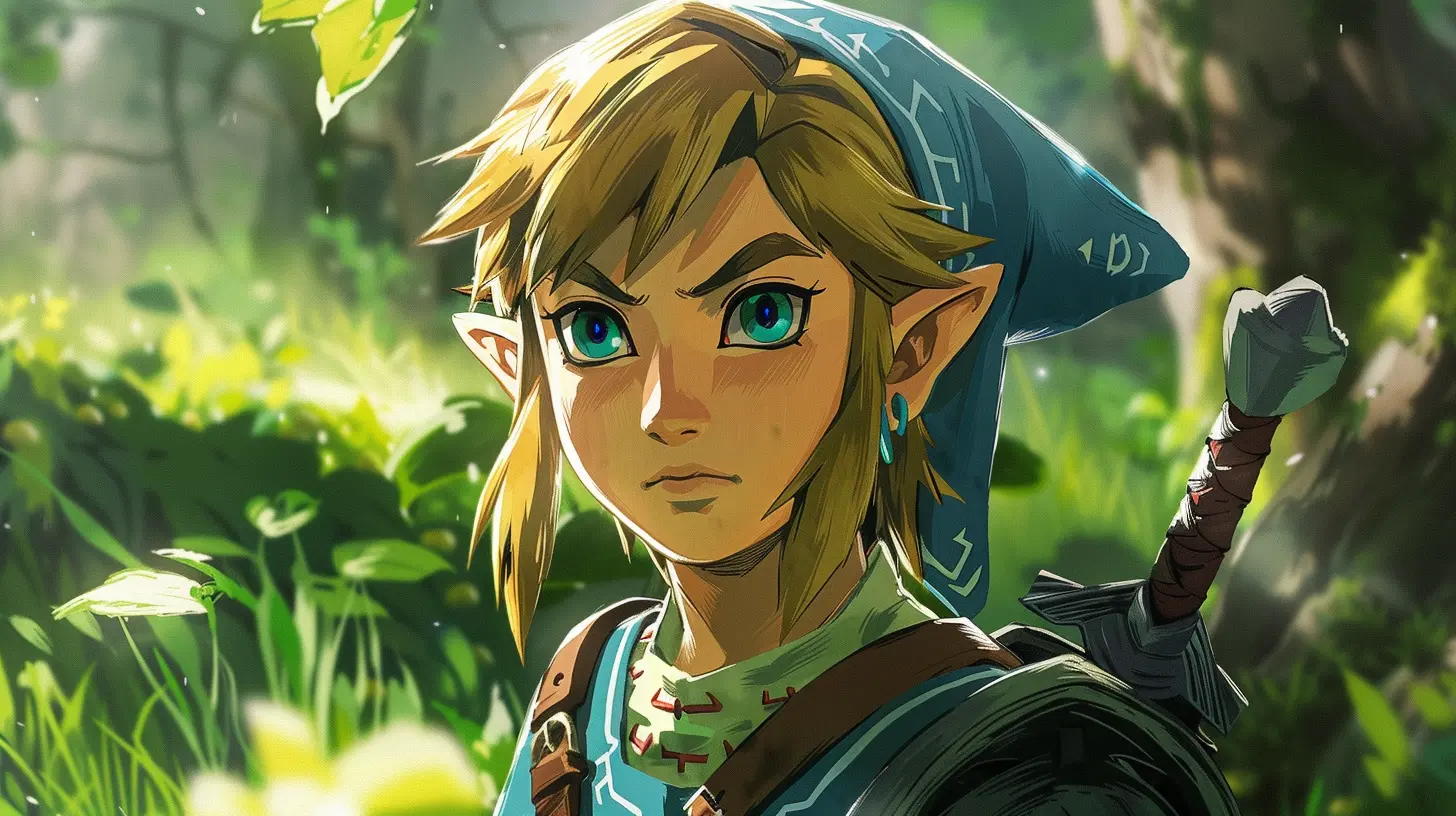
1. Ganondorf Isn’t Evil — He’s Just Misunderstood
Let’s be real: Ganondorf's been the main baddie for most of Zelda’s history. But what if he’s not actually evil? Some fans believe that Ganondorf is more of a tragic figure than a villainous one.Think about it. He’s the only male born to the Gerudo tribe in 100 years, and from a young age, he’s been burdened with expectations. To his people, he’s a king, a protector. To the rest of Hyrule? He’s the big bad. This theory paints Ganondorf as a product of his circumstances — someone who sought power to protect his people and got corrupted along the way.
Sure, he’s made some… questionable choices. But this idea adds a whole new layer of depth to his character. It’s hard to dismiss.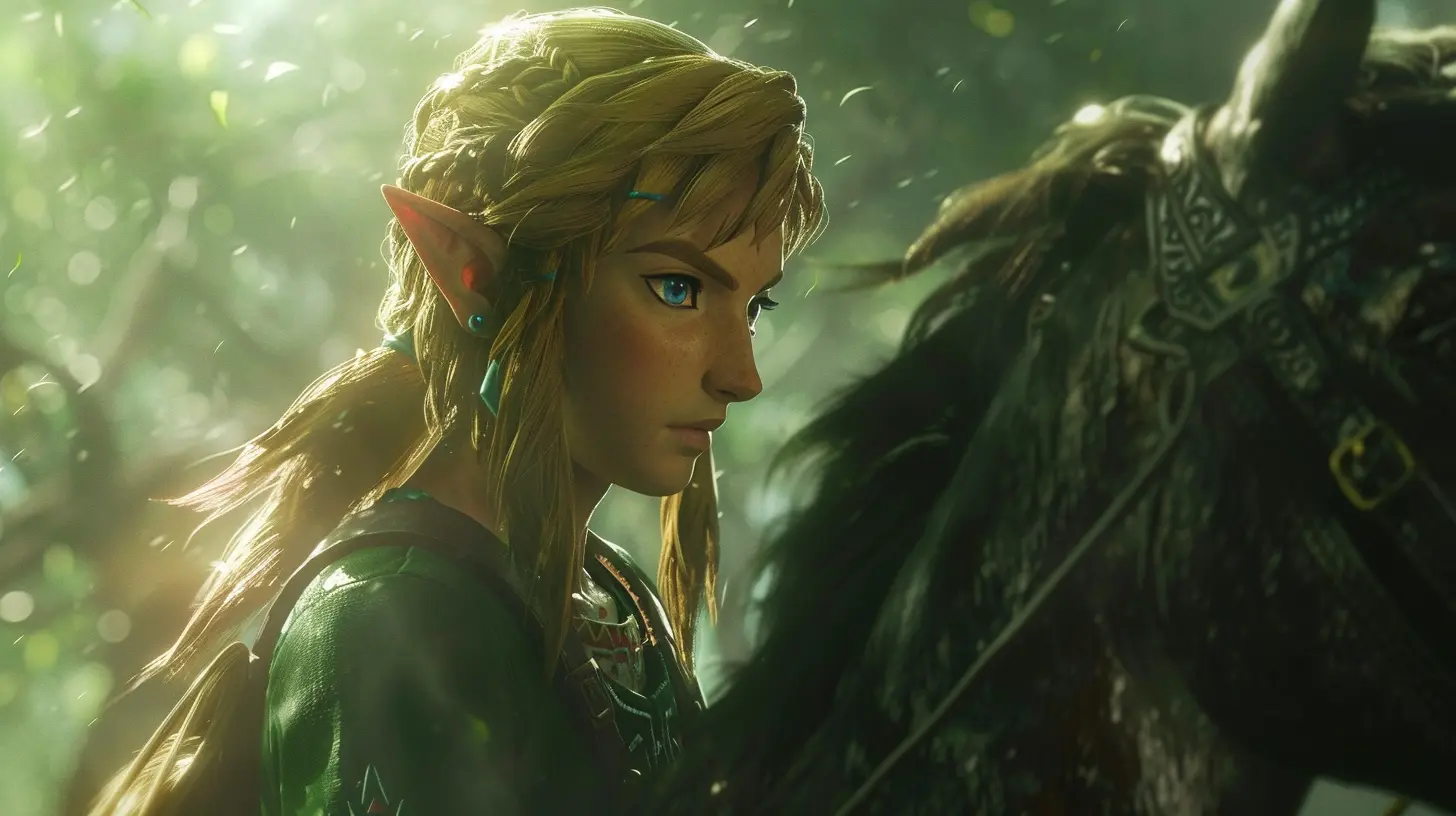
2. Termina Is Just Link's Grieving Mind
“Majora’s Mask” isn’t just a darker take on the Zelda formula — it’s a straight-up emotional rollercoaster. One theory that makes rounds often is that Termina (the world in Majora’s Mask) isn’t real at all. Instead, it's a manifestation of Link's grief.Why would Link be grieving? Well, some think this game takes place after “Ocarina of Time,” and that Link might have died — or is in some kind of limbo. With endless time loops, eerie characters, and a moon literally falling from the sky, Termina almost feels like a dream. Or, more chillingly, a nightmare.
Each region in the game represents one of the stages of grief — denial, anger, bargaining, depression, acceptance. Coincidence? Maybe. But once you see it, you can’t unsee it.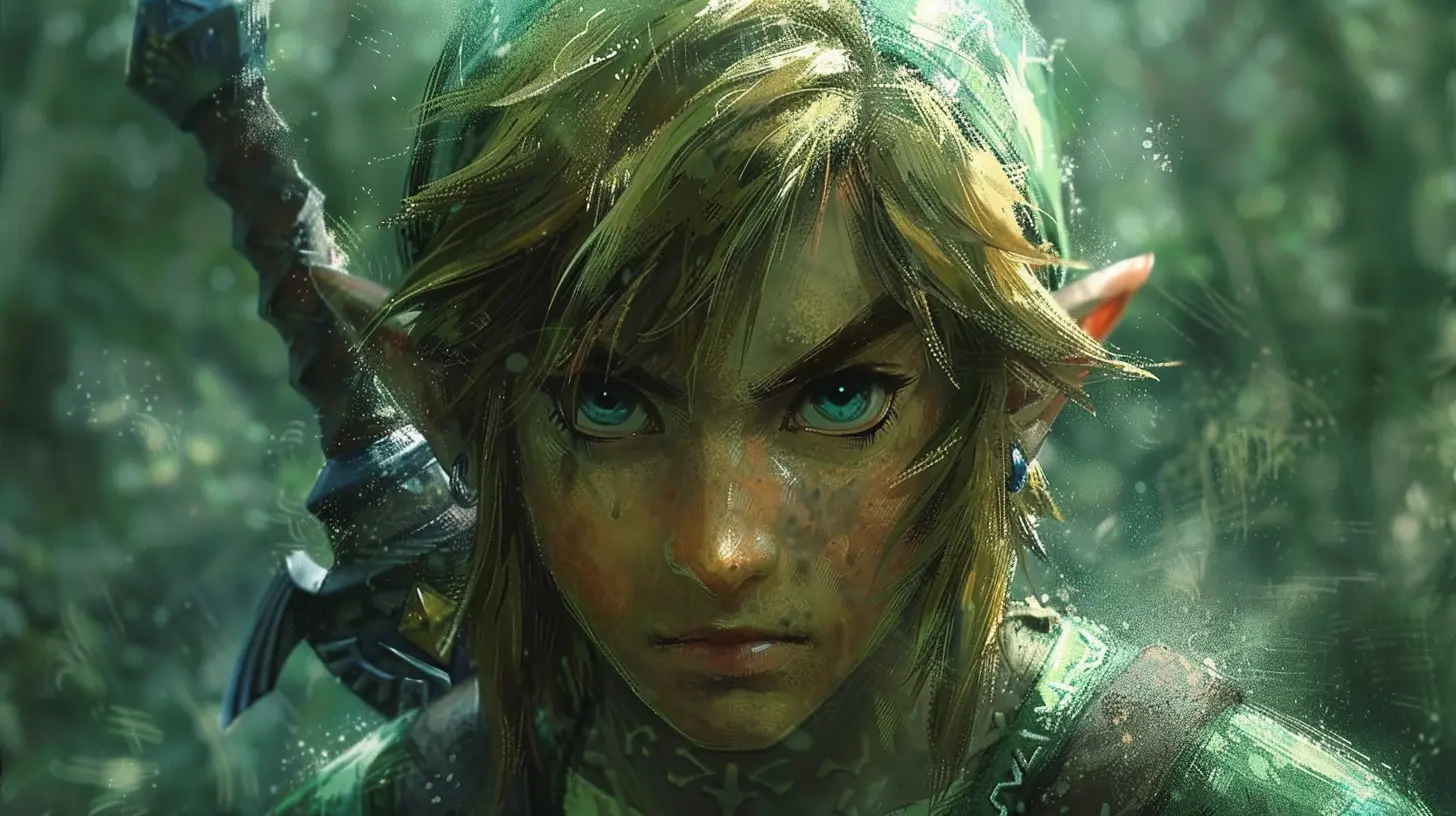
3. Tingle Is A Failed Kokiri
Tingle. Either you love him or you find him endlessly creepy. He’s a 35-year-old man in green tights who thinks he’s a fairy. …Yeah.But get this: what if Tingle is a failed Kokiri — a child who left the forest? Remember in “Ocarina of Time,” the Kokiri can never leave the forest, or something bad happens? Tingle might just be what happens when a Kokiri leaves and ages.
That's why he dresses like Link. Why he’s obsessed with fairies. Why he’s stuck in a state of arrested development. It’s both hilarious and a little sad when you think about it.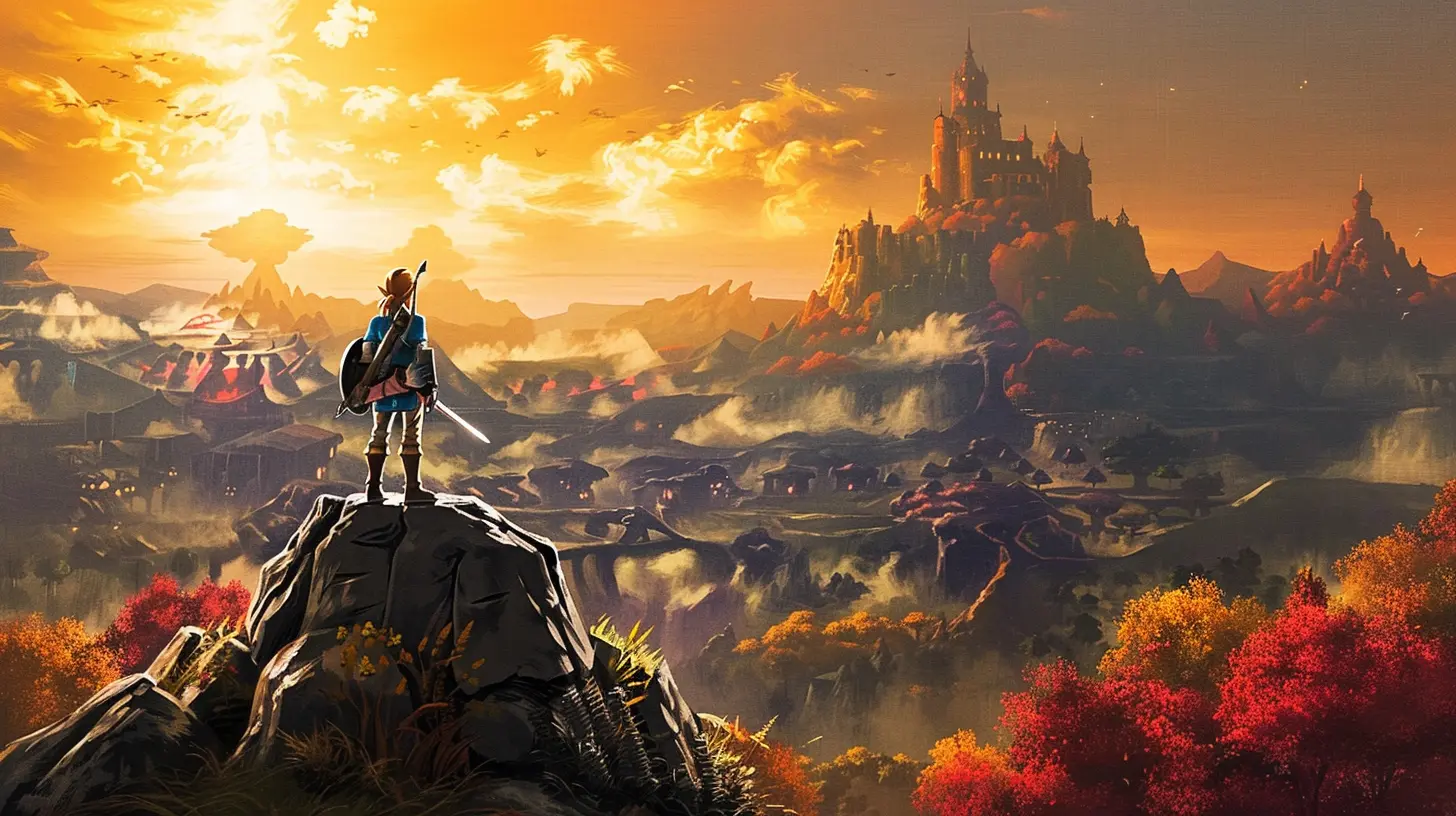
4. Breath of the Wild Is the End — or the Beginning?
“Breath of the Wild” threw everything we knew about Zelda’s timeline out the window. Or did it?Many fans believe it’s the end of the timeline — when all of the fragmented timelines reconverge. All evidence seems to point to this: relics from different games are scattered across Hyrule, and old legends are referenced like hazy memories.
But here’s the twist. Other fans argue it could be a new beginning. A blank slate after centuries of stories, myths, and battles. Either way, “Breath of the Wild” seems like a transitional point — possibly closing one book only to open another.
It’s wild, pun intended.
5. Sheikah Tech Is Actually Ancient Alien Technology
You ever look at the Guardians or those Sheikah Towers and think, “Wait… this is kinda sci-fi?”You're not the only one.
Some fans have theorized that the Sheikah tribe might’ve gotten their hands on some ancient alien tech. Think about it — teleportation, artificial intelligence, massive mechs — it’s all very futuristic for a fantasy world. Even the design of the tech feels extraterrestrial.
What if the Sheikah weren’t just wise sages, but also the ancient engineers of cosmic knowledge? That floating Divine Beast doesn’t seem too far off from a UFO now, does it?
6. The Zelda Timeline Is a Metaphor for the Triforce
Let’s talk about the timeline chaos. Nintendo officially split it into three paths after “Ocarina of Time”: the Hero Fails, the Hero Succeeds (Child Timeline), and the Hero Succeeds (Adult Timeline).Pretty messy, right? But here’s a compelling theory — the three timelines represent the three pieces of the Triforce.
- Power: A world ruled by Ganon when Link fails.
- Wisdom: Zelda and the sages guide peace in the Child Timeline.
- Courage: Link continues his journey in the Adult Timeline.
Each timeline mirrors the traits of each Triforce piece. It's like the story fractured into three destinies, each embodying an aspect of the divine relic. Clever, right?
7. Link Is Reborn — But Not Always the Same Soul
Here’s a spicy one: not every Link is the same reincarnated soul.We’ve always been told that Link, Zelda, and Ganon are eternal, bound by destiny. But what if… they’re not the same souls every time? Maybe the spirit of the hero is passed on like a torch. They might share a name and values, but not necessarily a personality or memories.
It explains why some Links are more expressive, some are shy, others are just plain wild. Think of it like a superhero mantle — different people taking on the role, but all carrying the same legacy.
8. The Moon Children in Majora’s Mask Are Symbolic Guides
Remember those creepy kids on the moon in “Majora’s Mask”? Each one gives you a task and asks, “Do you want to play?”Yeah. Super unsettling.
But what if they’re not just weird NPCs? Some fans believe these children symbolize important themes: guilt, innocence, and the masks we wear — literally and metaphorically. Each represents a different major antagonist Link faces.
And the final child, wearing Majora’s Mask, is the embodiment of chaos and loneliness. Seriously deep stuff. Their dialogue is cryptic, but if you read between the lines, they’re like spiritual guides trying to teach Link (and you) about forgiveness and empathy.
9. The Parallel Between Skyward Sword and The Bible
Okay, this one gets real deep.Some fans noticed that “Skyward Sword” seems to draw from biblical themes. Hylia sending her people to the skies because of a great evil? Sounds a lot like the flood story. Fi, the spirit within the Master Sword, acting as a divine helper? Similar to angelic figures guiding heroes in religious texts.
The battle between good and evil, the chosen hero, the sacrificial goddess — it all has echoes of religious storytelling. Whether intentional or not, it gives the Zelda lore a mythological weight that’s genuinely fascinating.
10. Malon Is Zelda In Disguise
Hold onto your Lon Lon Milk — this one’s fun.Some fans have speculated that Malon, the red-haired ranch girl from “Ocarina of Time,” might actually be Zelda hiding in plain sight. Why? A few reasons:
- They look suspiciously similar.
- Zelda spent time in disguise as Sheik, so it’s not unheard of.
- Malon disappears from the story at odd times.
It’s probably a stretch, but hey — in a world where fairies live in bottles and a boomerang can defy physics, why not?
11. Link Is Left-Handed Because He’s a Mirror Image
Most Links are famously left-handed. Why’s that?There’s a fascinating theory that it’s because Link is a literal mirror image — a reflection of the player. Since older games used mirrors or flip-flopped controls depending on the perspective, making Link left-handed blended better with the mechanics.
Basically, Link being left-handed might be a little nod to the idea that he’s not just a character — he’s you. The hero within all of us. Goosebumps, right?
12. The Happy Mask Salesman Is a God-Level Entity
Arguably one of the most mysterious characters ever, the Happy Mask Salesman is weirdly powerful. He pops in and out of scenes, seems to know everything, and carries an entire bag of magical masks on his back.Some fans believe he’s more than human — possibly a deity or someone who exists outside of time. He’s calm one moment, furious the next. He teaches you, scolds you, guides you… like some kind of celestial puppeteer.
And that smile? It’s unsettling — in a divine, all-knowing kind of way.
Final Thoughts: The Legend Lives On
One thing’s for sure: the Zelda fandom is full of creativity, passion, and some wicked smart theories. There’s something magical about a game series that invites you to connect dots, dive into lore, and uncover layers hidden beneath the surface.Whether these theories are true or not doesn’t even matter. They add richness to the games we love, spark endless conversations, and remind us why The Legend of Zelda is more than just a game — it's a legend.
So next time you boot up a Zelda game, keep an eye out. Who knows what truths you might uncover?
all images in this post were generated using AI tools
Category:
Nintendo GamesAuthor:

Francesca West
Discussion
rate this article
2 comments
Mika Huffman
Great read! I love how these fan theories dive deep into the Zelda lore. It's fascinating to see what fans connect and speculate about. Some of these ideas really make you think twice about the storyline. Can't wait to see which theories hold up in future games! Keep it coming!
May 6, 2026 at 2:57 AM
Francesca West
Thanks for the support! I'm glad you enjoyed the theories. It's always exciting to see how deep the lore goes and what fans come up with. Stay tuned for more!
Franklin McSweeney
It's fascinating how fan theories can deepen our understanding of the Zelda universe. Each speculation adds layers to the narrative, creating an engaging conversation among players.
May 1, 2026 at 3:19 PM
Francesca West
I completely agree! Fan theories really open up new perspectives and enrich our connection to the story. It's exciting to see how players interpret the lore in different ways.