Understanding the Daily Rewards Trend in Casual Games
18 July 2026
Casual gaming has exploded in popularity over the last decade. From a quick Candy Crush session during lunch breaks to winding down with some Coin Master spins before bed, casual games have become a staple in our daily routines. But have you ever stopped to wonder why so many of these games offer daily rewards?
You know, those tempting pop-ups that say “Come back tomorrow for more!” or the wheel you spin once every 24 hours? These aren’t just there for fun (although they are pretty satisfying to grab). They’re part of a clever psychological and game design strategy that keeps players coming back for more.
In this article, we’re peeling back the curtain and diving deep into the daily rewards trend in casual games. Why do developers love them? Why do players keep coming back? And what does the future hold?
Let’s break it down.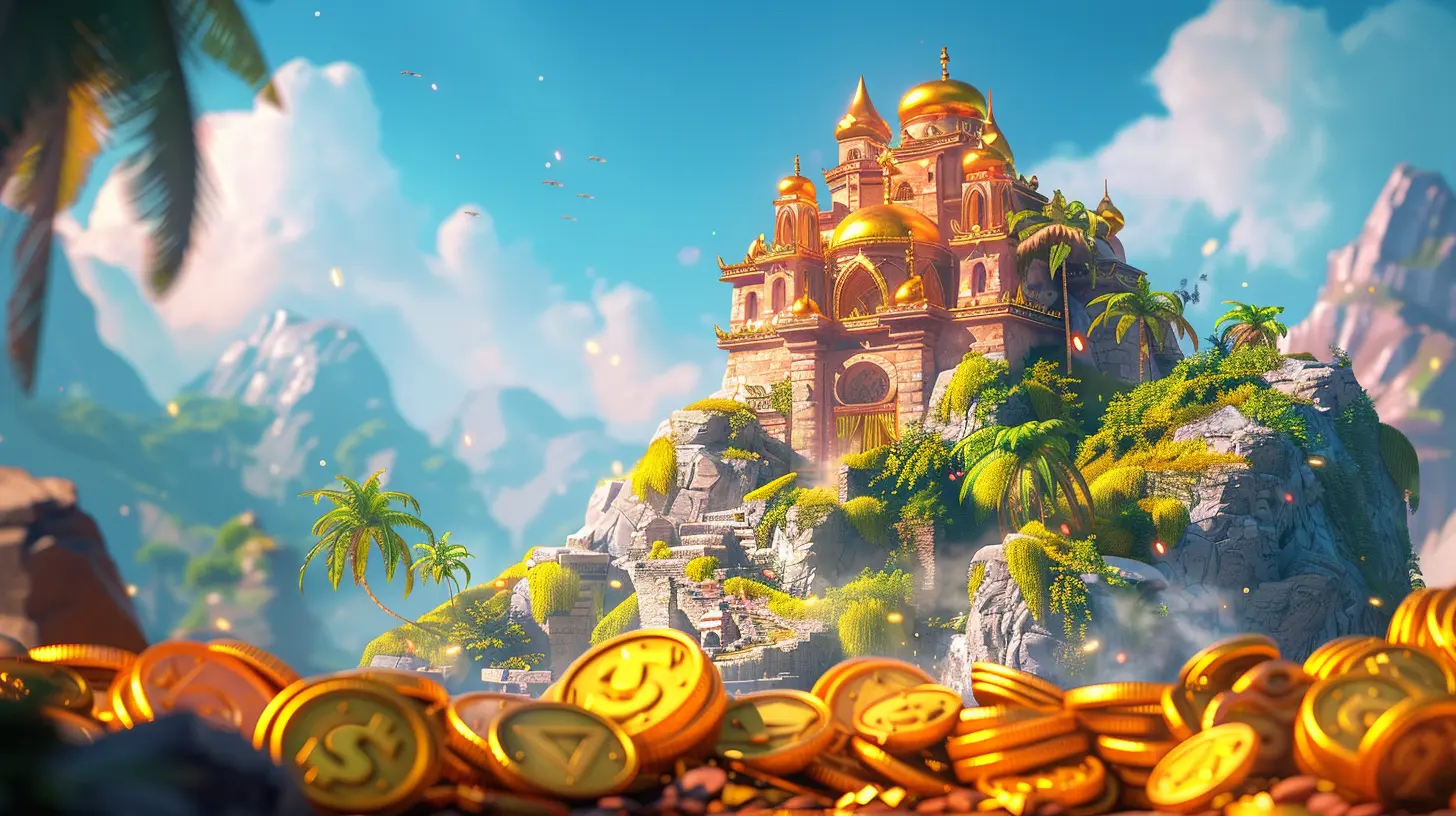
What Are Daily Rewards in Casual Games?
Daily rewards—sometimes called login bonuses—are exactly what they sound like: goodies you get just for opening the game daily. They come in all sorts of flavors:- Coins or in-game currency
- Power-ups or consumables
- Limited-time items
- Spin-the-wheel chances
- Tiered rewards that grow over multiple days
It might seem like an innocent little freebie, but trust me, there’s more game design genius here than meets the eye.
Why Are Daily Rewards So Ubiquitous?
Let’s be real for a second—if you're not giving players a reason to return to your game, chances are, they won’t. The mobile market is saturated. There are literally millions of games out there fighting for attention.Daily rewards offer something powerful: habit formation.
1. ? Tapping Into Human Psychology
Game developers know a thing or two about behavioral psychology. Daily rewards trigger a system in your brain known as the dopamine loop. When you log in and get something for free, it feels good—like a virtual pat on the back.The more days you do it in a row, the stronger the habit becomes. Think of it like brushing your teeth: you don’t think about it much, but you’d feel weird if you skipped it. That’s exactly what good daily rewards aim for.
2. ? Increasing Retention Rates
Retention is everything in gaming. If players leave and don’t come back, they’re gone—maybe forever. Daily rewards are one of the best tools in a developer's toolkit to boost Day 1, Day 7, and Day 30 retention.Basically, the longer you keep someone coming back, the more likely they are to stick around permanently (and possibly spend some cash along the way).
The Psychology of Streaks and Progression
Ever play a game where it says, “You’ve logged in 5 days in a row! Keep it going!”? That’s the magic of streaks and tiered progression.Why Streaks Work
Humans hate losing progress. It’s called the sunk cost fallacy—we commit to something just because we’ve already put effort into it. So when your game says you’ll lose your 7-day streak (and the big reward at the end) if you skip tomorrow… well, guess who’ll be logging in?Spoiler alert: it’s you.
Building Towards a Goal
Tiered rewards are like climbing a staircase. Day 1 might give 100 coins. Day 7? A rare item. The idea is simple: the longer you stay, the better the rewards. It builds investment and keeps players excited to come back.
Monetization Meets Motivation
Now here’s where things get interesting. Daily rewards don’t just make players happy—they can also lead to more revenue. But how?1. ? Encouraging In-App Purchases
Let’s say you log in and get a new booster item, but to use it effectively, you need another resource that’s just… not quite enough. What happens next? Many players will snag a cheap bundle offer that complements the free reward they just got.This is called loss aversion marketing—once players feel like they’ve gained something, they’re more willing to pay a little to use it right away.
2. ? VIP Rewards and Battle Passes
Some games offer daily rewards as part of a premium pass or VIP feature. You still get something free, sure—but pay just a few bucks and suddenly your daily goodies double or triple in value.It’s a brilliant freemium tactic: use the free daily reward as a hook, then upsell the premium experience.
FOMO: Fear of Missing Out
Nobody wants to miss out on a killer loot box or a super-rare skin. Daily rewards often tap into this powerful emotion. They might be time-limited, exclusive, or only available during special events.This creates urgency and scarcity, two pillars of effective game design and marketing. If a player knows they’ll lose their streak or miss a special event reward, they’re way more likely to log in—even if just for a minute.
Casual Games vs. Hardcore Games: Who Does It Better?
Daily rewards exist across all genres, but casual games have truly perfected the art.Why? Because their players aren’t typically playing for hours. They dip in and dip out. They’re not chasing leaderboard spots—they just want to relax, distract themselves, or kill time.
That’s why casual games focus on low-effort, high-reward systems. Just opening the app might be enough to get the reward. No grinding required, no boss fights. Compare that to hardcore MMOs, where daily quests require time and strategy.
With casual games, the dopamine hit is instant.
Top Casual Games Nailing the Daily Rewards Trend
Let’s take a quick look at some of the champions of daily rewards in the casual gaming world.? Candy Crush Saga
This classic offers multiple daily reward systems, from login bonuses to daily spins and challenges. The escalating calendar rewards keep players on-track for bigger prizes.? Coin Master
Coin Master thrives on spins. Every day, you get free spins, and streaks lead to better bundles. They even email or notify users when rewards reset—talk about commitment!? Homescapes/Gardenscapes
These puzzle-decorator hybrids give players daily login bonuses and event-based rewards, often connected to limited-time storytelling content that adds emotional hooks.? Matchington Mansion
Another match-3 game with a layered reward system. Daily rewards, streak bonuses, and seasonal items make logging in feel like unwrapping a daily present.The Role of Events and Seasonal Bonuses
Nothing spices up daily rewards like limited-time events. Whether it’s Halloween pumpkins, Christmas gifts, or summer beach balls—tying rewards to real-world seasons makes them feel more relevant and urgent.Seasonal events are often rich with:
- Exclusive skins or costumes
- Temporary power-ups
- Extra currency drops
- Themed challenges
These events tend to be short-lived and heavily promoted, making players feel like they need to show up now or miss out forever.
Balancing Rewards Without Breaking the Game
Now, daily rewards sound pretty amazing for player engagement—but they can backfire if not balanced well.Here’s why smart design matters:
- Too generous? Players stop spending money.
- Too stingy? Players feel underappreciated and leave.
- Too complex? Players get confused and disengage.
The best games strike a balance: give enough value to make logging in feel worthwhile, but not so much that it feels like the game plays itself.
The Future of Daily Rewards
So, where are we headed with all of this? Expect AI-driven personalization and gamified schedules to make daily rewards even more tailored. Think: rewards based on your playstyle, your in-game decisions, or even your real-world location (hello, Pokémon GO).We may also see:
- Augmented Reality bonuses
- Cross-game loyalty programs
- Daily mini-narratives that change based on what day you log in
One thing’s for sure—daily rewards aren’t going anywhere. If anything, they’re becoming more creative, more interactive, and more addictive.
Final Thoughts: Are Daily Rewards Good or Evil?
It’s easy to be cynical and say daily rewards are just manipulation tactics. But let’s be honest—when done right, they’re also fun. They give free value, add progression, and keep games feeling fresh.Sure, they’re designed to keep you coming back. But if you’re having a good time and not overspending, what’s the harm?
Like anything in life, it’s all about balance. Enjoy the dopamine—but don’t let streaks dictate your day.
Game on.
all images in this post were generated using AI tools
Category:
Casual GamingAuthor:

Francesca West
Discussion
rate this article
1 comments
Heidi Foster
Great insights on daily rewards! They really keep players engaged and motivated. It's fascinating to see how this trend evolves. Looking forward to more discussions on what makes casual games enjoyable!
July 21, 2026 at 2:32 AM
Francesca West
Thanks for the feedback! I'm glad you found the insights valuable. Daily rewards really do play a big role in player engagement. Excited to dive deeper into this trend together!