The Science Behind Nintendo’s Addictive Game Design
12 July 2026
Nintendo isn’t just a gaming company—it’s a cultural phenomenon. From the pixelated nostalgia of the original Super Mario Bros. to the vibrant open world of The Legend of Zelda: Breath of the Wild, Nintendo has continuously pulled off the impossible: making games that people just can’t stop playing.
But what’s the secret sauce behind this addictive magic? Is it luck, genius, or a bit of both? In this article, we’ll dig into the science behind Nintendo’s addictive game design—the psychology, the gameplay mechanics, and the emotional hooks that keep millions of us glued to our screens.
A Perfect Mix of Fun and Psychology
Let’s face it: Nintendo games aren’t necessarily the most graphically advanced or the most technically complicated. So why are they so insanely addictive?The answer lies deep in human psychology. Nintendo taps into the core principles of how our brains work. And it all starts with fun—not just regular fun, but the kind of fun that feels rewarding, engaging, and easy to get lost in.
The Power of Simplicity
Ever wondered why even a 5-year-old can pick up and play Mario Kart while still giving adults a run for their money? That’s because Nintendo masters the art of simplicity without sacrificing depth.Nintendo games often have:
- Intuitive controls
- Clean, colorful visuals
- Easy-to-grasp mechanics
But don't let that fool you. Beneath the surface lies a deep ocean of challenge and strategy. Take Super Smash Bros., for example. You can button mash your way into the action or master complex combos like a pro. That’s accessibility wrapped in depth—a recipe for engagement that keeps all skill levels hooked.
The “Just One More Time” Effect
You know that feeling. You’re about to put down your Switch, but then you think, “Just one more level” or “I'll just try that boss again.” Before you know it, it’s 3AM.Nintendo leverages what psychologists call the "compulsion loop"—a cycle of challenge, reward, and progress. This loop is expertly designed to feed your brain’s dopamine system. Dopamine is that happy brain chemical that spikes when you achieve something, even something small.
Games like Animal Crossing or Splatoon are built with this loop in mind. Daily tasks, unlockable content, and time-limited events keep drawing players back in. It’s essentially digital popcorn—you keep reaching for more, even when you’re technically full.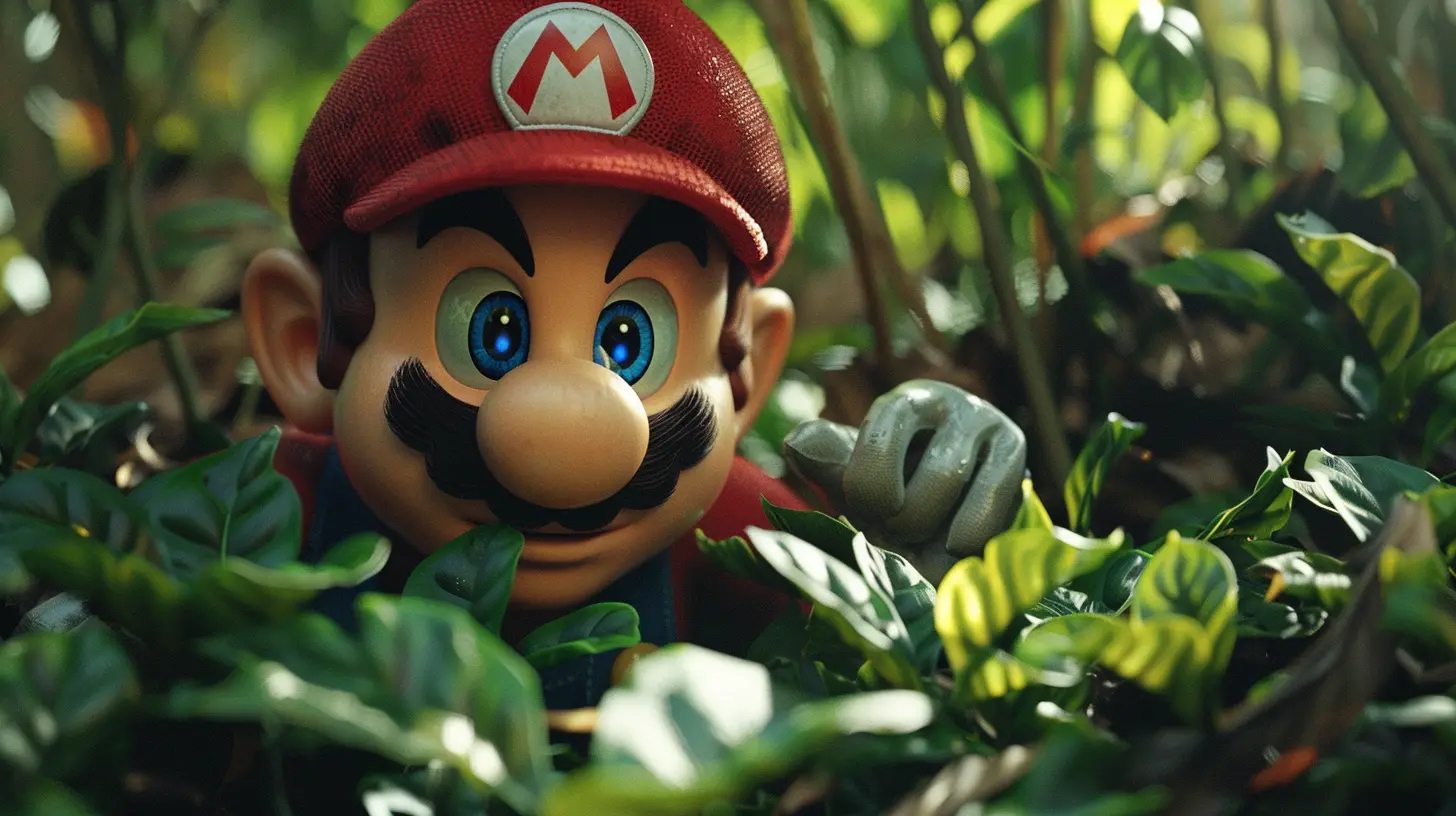
Nostalgia Is a Hell of a Drug
Nintendo holds the keys to our childhoods. They’ve been crafting memories since the '80s, and they know how to hit us right in the feels.That’s not by accident. Nostalgia triggers emotional responses in our brains, and Nintendo uses it like a maestro conducting an orchestra. Whether it's the familiar jingle when Mario grabs a coin or the satisfying "ping" of catching a Pokémon, these cues light up memory centers and create emotional comfort.
In scientific terms? This is called associative emotional recall. In gamer terms? It’s why you boot up your SNES Classic and lose a weekend to Donkey Kong Country.
Mastering the Flow State
Ever get lost in a game and completely forget about time? That’s called flow, and Nintendo games are ridiculously good at creating it.Flow happens when:
- The challenge matches your skill level
- You receive clear goals
- There’s immediate feedback
- Distraction disappears
Nintendo nails each of these. Think about how Breath of the Wild gives you endless puzzles through shrines or environmental challenges. You're not overwhelmed, but you're never bored either. It's the gaming version of being in the zone—and it's incredibly addictive.
Reward Systems That Actually Feel Good
Let’s be honest. We've all played games where rewards feel meaningless—like grinding for hours only to unlock a slightly shinier sword. Nintendo avoids that trap.Their games excel at offering meaningful, often emotional rewards. A new character in Super Smash Bros., a house upgrade in Animal Crossing, or watching Princess Zelda thank you—it all feels personal and worthwhile.
And scientifically? That’s smart. These kinds of rewards activate the mesolimbic pathway, a brain circuit involved in motivation and pleasure. It’s what causes that satisfying "ahh" feeling when you complete something. Nintendo doesn’t just offer rewards—they make sure they matter.
Social Gaming That Actually Works
Nintendo understands that people want to game together—and not just in sweaty, competitive esports arenas.With titles like Mario Party, Wii Sports, or more recently, Nintendo Switch Sports, they focus on shared experiences. Whether you're laughing with friends over Mario Kart bananas or helping someone catch bugs in Animal Crossing, these games build bonds.
And wouldn’t you know it? That social connection is a psychological motivator, too. Oxytocin, the “bonding hormone,” is released during positive social interactions—even virtual ones. This means Nintendo’s multiplayer magic doesn’t just make memories—it creates chemical happiness.
Clear Goals With Just Enough Challenge
A huge part of game addiction comes from goal-setting. Nintendo games are masters at providing a clear path with achievable steps.Take Super Mario Odyssey. You always know what you’re chasing: Power Moons. But there are hundreds of them, and each is a micro-goal that feels satisfyingly attainable.
Why is this addictive? Because task completion, no matter how small, gives us a feeling of control and purpose. It’s basically gamified goal-setting, and it’s way more fun than ticking off items on a to-do list.
Feedback That Feels Instant and Gratifying
Good feedback in gaming is like applause after a performance—it tells your brain, “You did it!”Nintendo games constantly throw little rewards your way:
- Vibrations
- Sounds
- Visual effects
- Character reactions
Whether it’s Mario doing his little spin jump or Link opening a treasure chest to that iconic music cue, those moments flood your brain with pleasure signals. It's Pavlovian—a signal, a reward, and then your brain wants to repeat the action.
The Visual and Audio Design is Next-Level Smart
Nintendo doesn't just rely on gameplay mechanics—they use visual and audio cues that are practically engineered to capture attention.The color palette in most Nintendo titles is bright, saturated, and inviting. This triggers a childlike sense of curiosity. Combine that with iconic audio cues, and you get a multisensory experience that’s hard to ignore.
Think of the overworld theme from Super Mario Bros. If you’re even slightly a gamer, you probably just heard it in your head. That’s how powerful and sticky Nintendo’s sound design is. It’s not just music—it’s memory.
Safe Spaces in an Overwhelming World
Unlike many modern games that are gritty, violent, or hyper-realistic, Nintendo games feel like a warm blanket. They're cozy without being boring, and challenging without being stressful.In an era of chaotic headlines and high-stress lifestyles, Nintendo offers players a form of escapist therapy. Games like Animal Crossing exploded in popularity during COVID lockdowns, not because they were groundbreaking in gameplay, but because they gave people a sense of peace and routine.
It’s like meditating… but with Tom Nook.
Curated Frustration (Yes, It’s a Thing)
You wouldn’t believe it, but Nintendo actually designs frustration into their games. Not the throw-your-controller kind—but just enough to make success feel sweeter.They use something called "desirable difficulty"—making certain parts tough but fair. Whether it's a tricky platforming section in Mario or a timing-based puzzle in Zelda, these moments create tension.
Why does this work? Because once we overcome them, our brains release higher levels of dopamine. Overcoming a tough obstacle after multiple tries feels like winning a personal battle—and that victory gets addicting real fast.
Reinventing Without Losing Their Soul
Nintendo constantly evolves but never forgets its roots. It’s that balance of innovation and tradition that keeps players curious and coming back.Think about how they took Zelda from a top-down adventure game to a sprawling open world in Breath of the Wild. Or how they reinvented Pokémon battles with real-time catching mechanics in Arceus.
They play the long game—keeping gameplay fresh while still making it feel… well, like Nintendo.
Conclusion: It’s Not Just a Game—It’s a Brain Hack
Nintendo doesn’t just make games. They craft experiences that hit every psychological pleasure point. From psychology-backed reward systems to emotional storytelling, every design choice has purpose—and that purpose is to make you smile, engage, and maybe forget the real world for a while.They’ve got the science down to an art. And whether you’re team Mario, Link, or Kirby, one thing’s for sure: Nintendo’s addictive design isn’t a happy accident. It’s pure, calculated genius wrapped in joy.
all images in this post were generated using AI tools
Category:
Nintendo GamesAuthor:

Francesca West
Discussion
rate this article
1 comments
Liv McCaw
Nintendo must have a secret lab filled with tiny scientists who sprinkle magic dust on their games. I mean, how else do you explain why I can't stop jumping on mushrooms for hours on end?
July 27, 2026 at 3:20 PM
Francesca West
Haha, I love that image! Nintendo really knows how to create that irresistible charm. It's all about engaging gameplay and nostalgia... definitely some magic at play.