The Role of Destruction Mechanics in Elevating Gameplay
5 December 2025
Picture this—you’re in the middle of a heated firefight in a war-torn village. Bullets are flying, your cover is a fragile wall, and suddenly—BOOM—it’s blown to bits! Your heart races. You scramble to find new cover. That, right there, is the magic of destruction mechanics.
In the realm of video games, few features have the power to completely flip the script like destruction mechanics. It’s not just about smashing stuff for eye-candy; it’s about enhancing immersion, delivering unpredictability, and creating unforgettable moments.
But what exactly makes destruction so effective in today’s games? Why are more developers putting an emphasis on it? Let’s dive into the digital chaos and unpack the role of destruction mechanics in elevating gameplay.
What Are Destruction Mechanics Anyway?
Alright, let’s break it down (pun totally intended). Destruction mechanics refer to the ability to dynamically ruin or alter elements of a game’s environment. Think about blowing holes in walls, crumbling buildings, cutting down trees, or even melting terrain with explosives.It’s that feeling of: “Hey, what if I shot a rocket at that bridge?” and the game replies, “Sure, go ahead…and now you’ve trapped yourself!”
There are two main types:
- Scripted Destruction: Pre-planned moments baked into the game’s design (think collapsing a bridge as part of the storyline).
- Dynamic/Procedural Destruction: Real-time environmental changes based on player input (think Battlefield’s walls that crumble under tank fire).
Both have their place, but it’s dynamic destruction that really makes things spicy.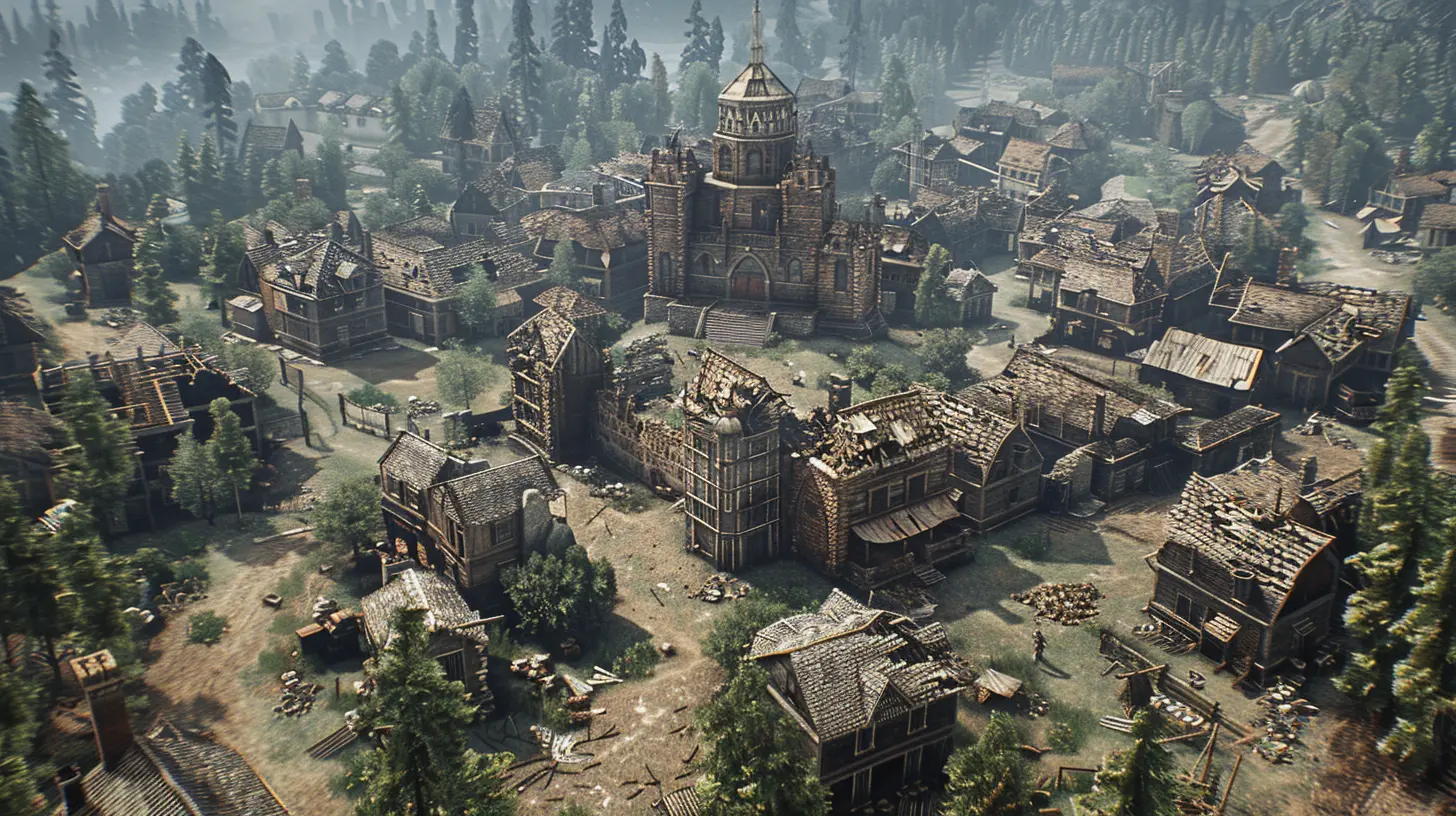
Why Does Destruction Matter?
So, why should we, as gamers, care about whether a wall breaks or not? Let’s be honest—blowing things up is fun. But beneath that surface-level thrill lies a much deeper set of gameplay enhancements.1. 🧠 Tactical Gameplay and Player Agency
Destruction changes how we make decisions. In a static world, you can memorize every corner, every hiding spot. But when destruction is involved? All bets are off.If someone’s hiding behind a wall, you don’t need to storm in like some action hero. Just tear the wall down! That, my friend, is tactical freedom. It gives you more creative ways to solve problems and outsmart opponents.
Games like Rainbow Six Siege have built their entire identity around this. Every wall, hatch, and floorboard is part of your strategy. Will you breach from above? Or maybe blow a hole in the side of the building? It’s all up to you.
2. 🎮 Increased Immersion and Realism
There’s something incredibly satisfying about watching a building collapse because YOU made it happen. Destruction mechanics blur the lines between game and reality. They make the world feel alive—like it reacts to your actions.Want an example? Take Red Faction: Guerrilla. It doesn’t just let you destroy buildings—it practically begs you to. You can plant explosives, knock out support beams, even swing a giant hammer until the whole thing falls down like a house of cards.
When the environment responds to your chaos, you’re not just playing a game—you’re in the game.
3. 💥 Unpredictability and Replayability
Destruction mechanics throw a wrench in predictability. You can’t just rely on the same tactics every round if the entire map can look different every time. A building that offered perfect cover in your first match might be rubble in the next.This keeps the gameplay fresh and forces players to adapt. It’s like playing chess on a board where the pieces and tiles can be blown away. Suddenly, every round feels fresh, intense, and full of surprises.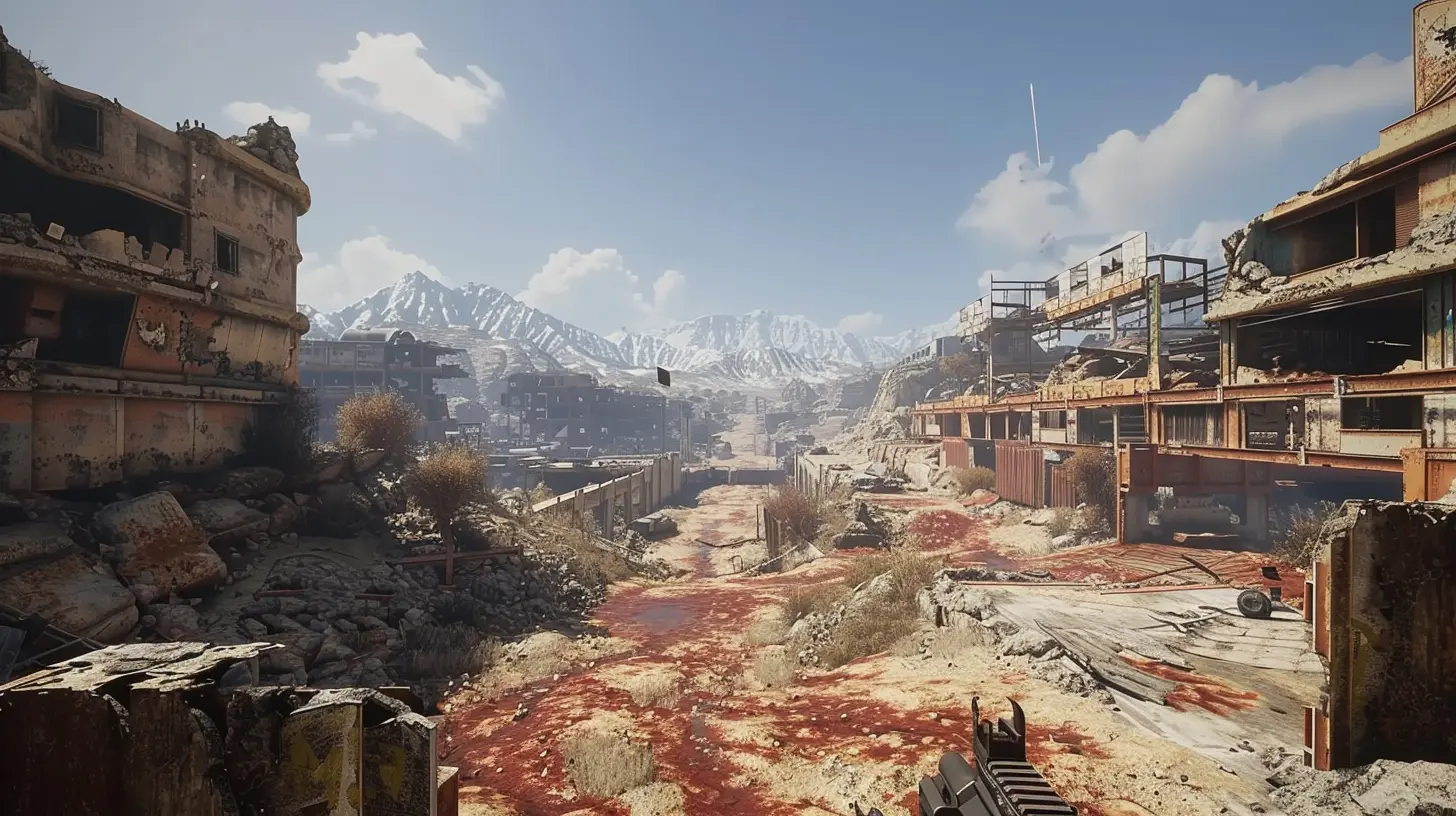
Iconic Games That Nailed Destruction Mechanics
Let’s give credit where it’s due. Some games really leaned into destruction—and we loved every second of it.🔫 Battlefield Series
This franchise is basically the poster child for dynamic destruction. Ever since Bad Company 2, Battlefield games have featured fully destructible environments that change the flow of battle.Sniper in a building? Level the building. Enemy tank hiding behind a wall? Blow it up. The “Levolution” system in Battlefield 4 upped the ante by allowing massive, game-changing events like toppling skyscrapers mid-match.
🏹 The Legend of Zelda: Breath of the Wild
Now, this one’s a bit different. While not focused solely on destruction, Breath of the Wild introduced subtle environmental manipulation. You could set grass on fire, knock down trees to create bridges, or use bombs to shatter boulders.It wasn’t about chaos—it was about creativity. And that’s equally important.
🚧 Teardown
An indie gem that turns destruction into an artform. You’re given voxel-based environments and a mission—and it’s up to you how to complete it. Want to drive a truck through a wall? Do it. Blow open a path with C4? Go for it.Teardown isn’t just about smashing stuff—it’s about using destruction as a puzzle-solving tool.
The Technical Side: How It’s All Possible
Alright, quick geeky detour—how do developers pull off all this destruction?🧱 Physics Engines
Games rely on powerful physics engines like Havok, Unity’s built-in engine, or DICE’s Frostbite. These simulate how objects break, fall, or react. Want to watch a building collapse realistically? That’s physics doing its magic.🗺️ Voxel and Mesh Destruction
Some games use voxels (tiny 3D cubes) to allow fine-grain destructive control—perfect for games like Teardown. Others use mesh deformation, where pre-designed parts of a structure are programmed to shatter or fall apart in response to impact.It’s part science, part digital wizardry.
The Double-Edged Sword of Destruction
As awesome as it is, destruction mechanics aren’t always sunshine and explosions. There are some real challenges.🐌 Performance Issues
Destruction eats up resources—CPU, GPU, and memory. Real-time physics calculations, dynamic animations, particle effects… it’s a lot! That’s why you don’t see intense destruction in every open-world game. It’s expensive in both time and power.🎨 Design Balance
Too much destruction can break the game—literally. If players can destroy essential parts of the environment, they might accidentally (or intentionally) ruin their own objectives or traps.Developers often place limits to keep things fun without letting things spiral into chaos. It’s a balancing act.
What’s Next for Destruction Mechanics?
With advances in technology—especially with Unreal Engine 5’s Chaos physics and next-gen hardware—we’re about to see a huge leap forward.Imagine environments that not only react to destruction but also remember it. Or AI that adapts its tactics based on how you change the terrain. The future isn’t just about more realistic collapses—it’s about interactive ecosystems where destruction is part of the story, not just the spectacle.
Maybe we’ll even see emotional destruction. Think about it—destroying a place that has meaning or history in the game world. That’s powerful narrative design.
So, Does It Really Elevate Gameplay?
Short answer: 1000% yes.Destruction mechanics are like seasoning in a great dish. They aren’t always the main course, but when used right? They bring everything to life.
From tactical depth and immersion to sheer joy and unpredictability, destruction adds layers to gameplay that few other mechanics can. It encourages creativity, strategic thinking, and emotional connection. And best of all—it’s just plain fun.
So next time you’re in a game and see a fragile wall or a wooden bridge, ask yourself—can I blow that up?
Chances are, the game wants you to.
Final Thoughts
Games are evolving rapidly, and destruction mechanics are becoming a core part of that evolution. They represent more than just momentary chaos—they symbolize control, choice, and consequence.As players, we love having a world we can truly interact with. Not just look at, but change. And destruction? That’s one of the most satisfying ways to leave your mark.
So whether you're a silent strategist, a reckless demolitions expert, or just someone who enjoys watching things go boom—destruction mechanics are quietly (and loudly) elevating the way we play.
Bring on the chaos.
all images in this post were generated using AI tools
Category:
Game MechanicsAuthor:

Francesca West
Discussion
rate this article
2 comments
Dusk McLoughlin
Great insights! Destruction mechanics truly enhance immersion and player engagement.
December 25, 2025 at 4:26 AM
Francesca West
Thank you! I’m glad you found the insights valuable—destruction mechanics really do bring a new level of engagement!
Bryce Ruiz
Destruction mechanics significantly enhance gameplay by adding depth and strategy. They create dynamic environments, encouraging players to adapt their tactics and experiment with different approaches. This not only increases immersion but also fosters a sense of agency, making each player's experience unique. Overall, they elevate the gaming experience to new heights.
December 6, 2025 at 3:35 AM
Francesca West
Thank you for your insightful comment! I completely agree that destruction mechanics enrich gameplay, fostering creativity and strategic depth while enhancing immersion and player agency.