The Impact of Haptic Feedback in Modern Controllers
16 November 2025
Gaming has come a long way. From pixelated screens and clunky joysticks to jaw-dropping visuals and super-responsive controls, the evolution has been nothing short of groundbreaking. But one feature that’s made a surprisingly deep impression (literally and figuratively) in recent years is haptic feedback.
If you've ever felt your controller pulse during an intense gunfight, or subtly buzz as your car’s tires lose grip on a virtual racetrack, you've experienced haptic feedback in action. But what does this tech really bring to the table? And why is everyone—from casual gamers to hardcore enthusiasts—so hyped about it?
Settle in. We're diving deep into how haptic feedback is changing the game—pun totally intended.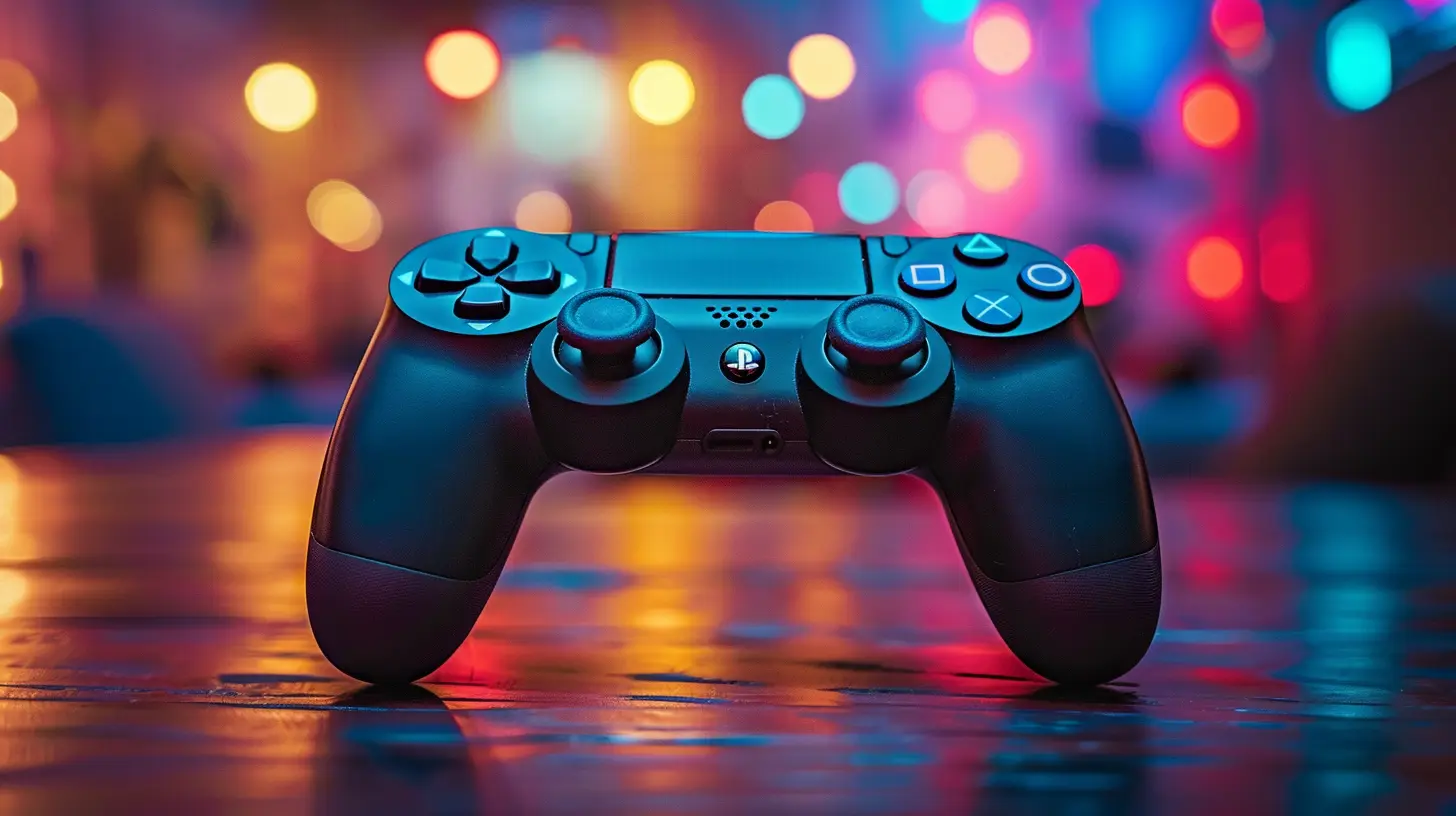
What Exactly Is Haptic Feedback?
Let’s start with the basics. Haptic feedback is just a fancy term for touch-based responses in electronic devices. Think of the way your smartphone vibrates when you type on a touchscreen keyboard. That’s haptics at work. Now, apply that same logic to gaming controllers, and you’ve got a recipe for immersion.But it's not just a simple rumble anymore. Modern haptic feedback delivers precise, nuanced vibrations. We're talking about simulating the feeling of walking on gravel, the recoil of a weapon, or even the sensation of raindrops falling on your character's head.
Pretty wild, right?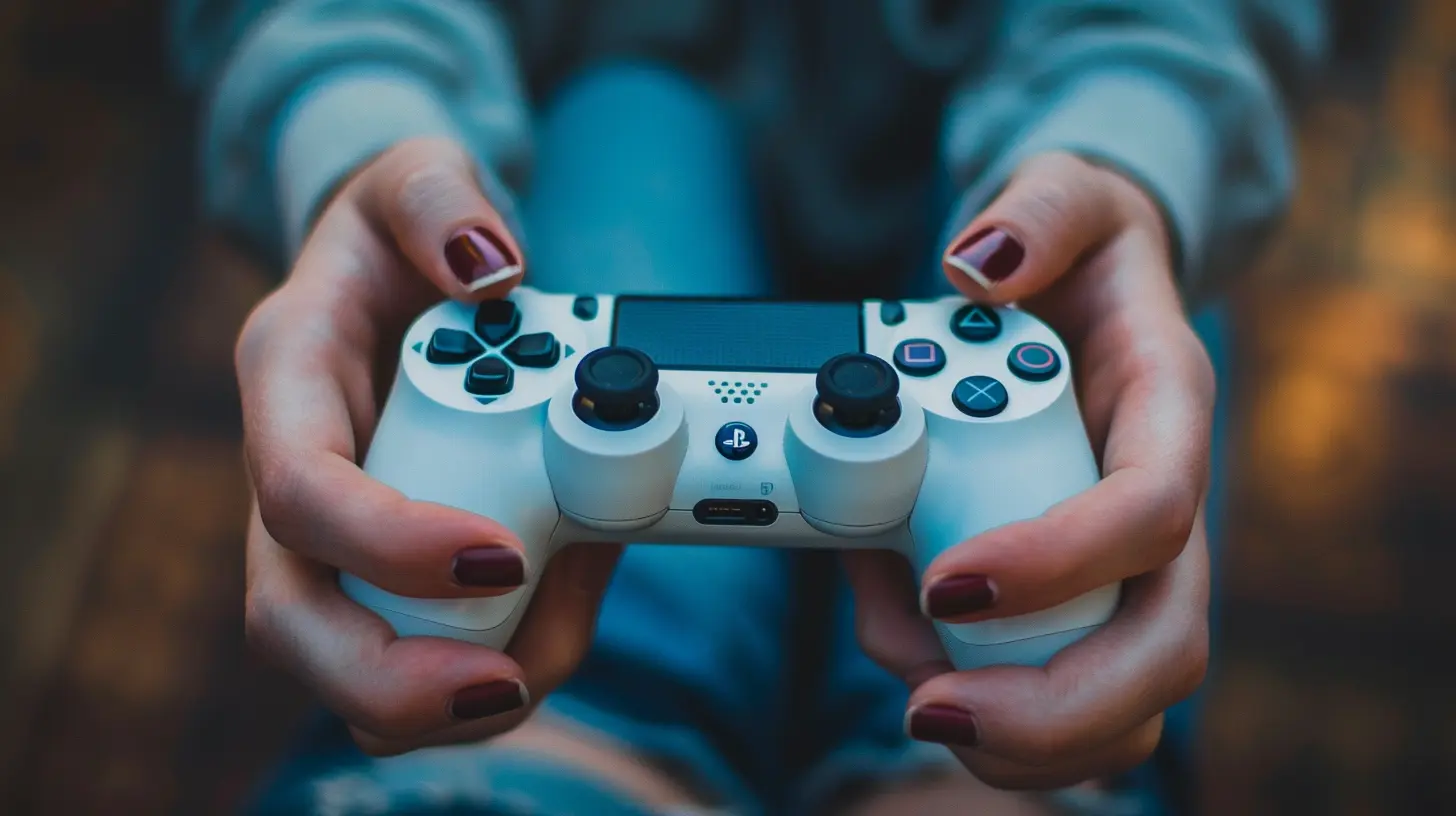
A Quick Look at the Evolution of Controllers
Before we dive into the juicy benefits of haptics, it helps to understand where controllers started.Remember the early days? Think NES or Sega Genesis—simple D-pads, two buttons, and maybe some shoulder triggers if you were lucky. Back then, feedback meant flashing lights on the screen or maybe a sound cue.
Then we hit the "Rumble Pak" era with the Nintendo 64. That chunky add-on introduced gamers to controller vibrations for the first time. It wasn't subtle, but it was a game-changer. Literally.
Fast forward to now, and you’ve got controllers like the PlayStation DualSense and Xbox Series X controller offering adaptive triggers, precision haptics, and levels of immersion we couldn’t dream of in the late 90s.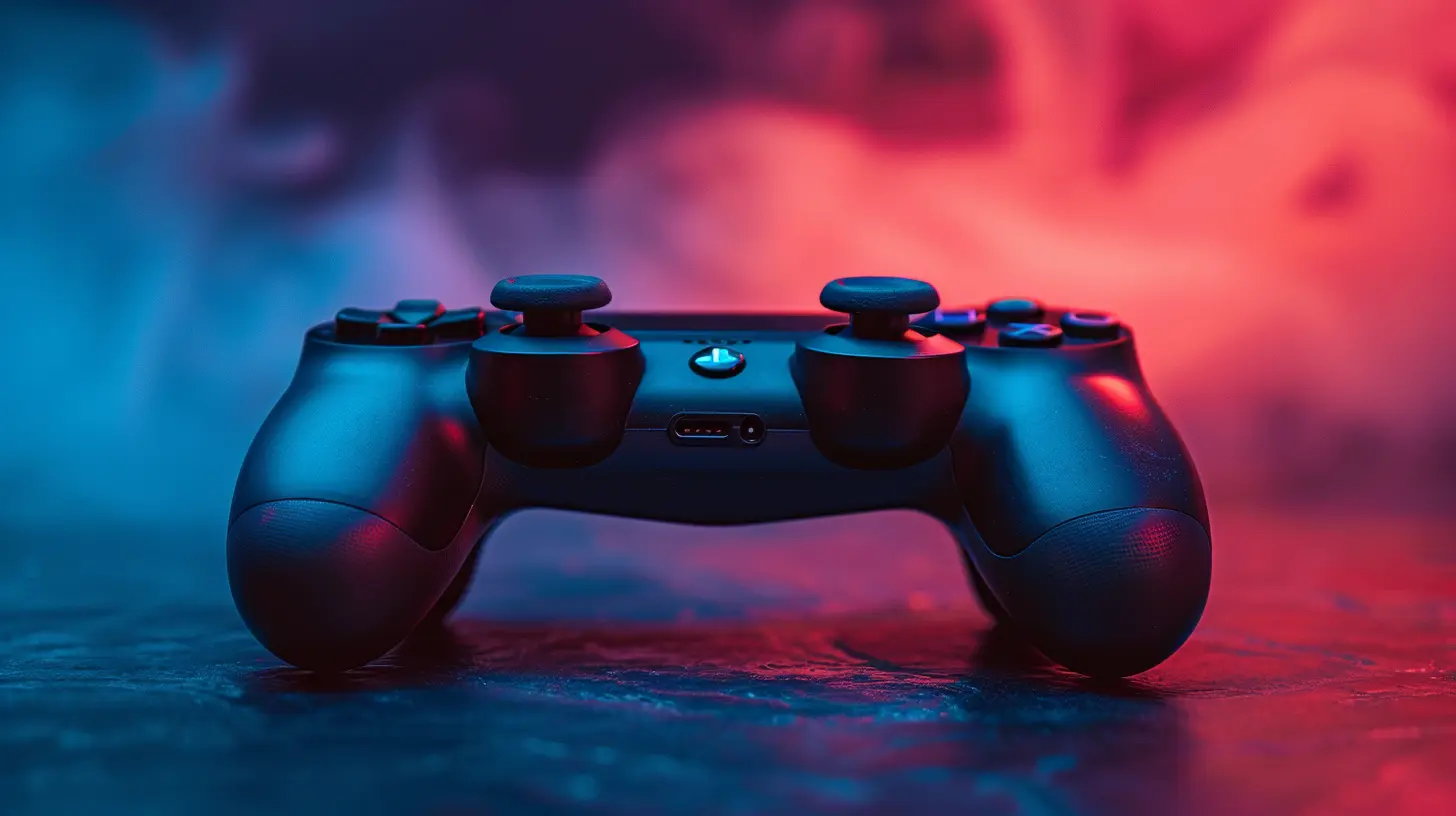
How Haptic Feedback Enhances Gameplay
1. Increased Immersion
Let’s not sugarcoat it—immersion is everything in gaming. You want to feel like you're part of the world. Whether you're creeping around in a horror game or speeding down the F1 track, haptic feedback adds that extra layer of realism.Instead of just seeing and hearing the action, you feel it.
Take a game like Returnal on the PS5. The raindrops, footsteps, weapon charges—they all send different signals through the controller. It pulls you deeper into the game, blurring the lines between screen and reality.
2. Enhanced Emotional Engagement
Ever notice how certain vibrations can stir different emotions? A soft, slow pulse might calm you, while a sharp jolt can spike your adrenaline. Developers are catching onto this and using haptic feedback as an emotional amplifier.Think of it as a gaming heartbeat. When the tension rises, so does the feedback—keeping your fingers in sync with your emotions.
3. Tactile Storytelling
Yes, storytelling isn’t confined to visuals and voice acting anymore.With clever use of haptics, games can communicate plot points and narrative tensions through touch. Picture this: your character is injured, and instead of just seeing a red screen, your controller stutters with every limp step. It’s subtle, but powerful—and it adds depth to the experience.
4. Realistic Physics and Interactions
Ever tried a racing game like Gran Turismo 7 using a DualSense controller? You can literally feel the difference between a smooth tarmac and a gravel pit. The way the triggers fight back when you brake too hard? That’s adaptive haptics working in real time to simulate real-world physics.It's like your controller knows what kind of terrain you’re exploring or how tight your bowstring is pulled—making actions feel more intentional and grounded.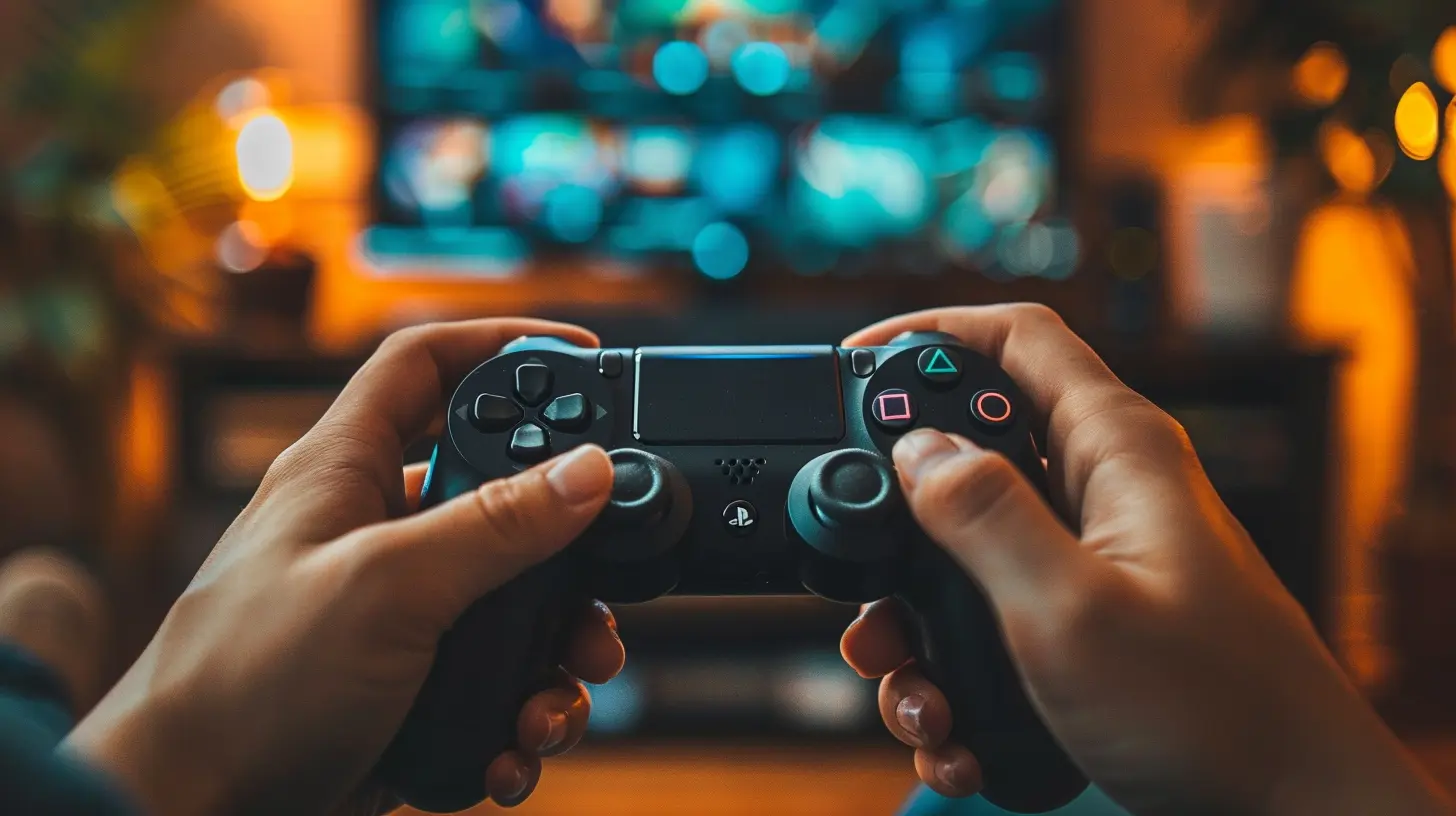
Haptic Feedback in Competitive Gaming
Now, you might be wondering—do pro gamers actually use haptics, or is it just for the cinematic, single-player stuff?Well, it depends on the game and the player. Some competitive gamers prefer turning it off to avoid distractions, but others embrace haptics for the extra layer of situational awareness.
In titles like Fortnite or Call of Duty, subtle vibrations can indicate nearby gunfire or footsteps. It's like having a sixth sense in battle—when used right, it gives players an edge.
But here's the kicker: not all vibrations are created equal. Which brings us to the gear itself.
The Role of Next-Gen Controllers
PlayStation DualSense
Sony absolutely nailed it with the DualSense. The adaptive triggers? Smooth. The haptic motors? Insanely responsive.Developers like Insomniac Games and Housemarque have leaned heavily into haptics for their PS5 exclusives. We’re talking detailed sensations for different weapons, surfaces, and environments—all mapped out with incredible precision.
The result? A controller that doesn’t just relay feedback—it tells a story.
Xbox Series X Controller
While Microsoft's controller upgrades weren’t as groundbreaking as Sony’s in the haptic department, the Impulse Triggers still offer a solid tactile experience. Racing games feel punchier, and shooting feels sharper. Plus, Microsoft is rumored to be working on next-gen haptic tech, so stay tuned.Switch Joy-Cons and HD Rumble
Nintendo’s Joy-Cons introduced “HD Rumble,” which allowed players to feel subtle sensations like ice cubes rattling in a glass (remember 1-2-Switch anyone?). It was a cool concept, though not as widely adopted by developers.Still, Nintendo proved that even compact controllers can deliver complex tactile experiences.
Challenges and Limitations
Let’s be real—not everything is sunshine and rainbows in haptic land.Game Developer Adoption
One big issue? Not all developers use haptics to their full potential. Some games throw in generic vibrations, missing out on what makes the tech so special. Proper implementation takes time, effort, and creative thinking—things not every studio can afford.Battery Life
Those powerful little motors inside your controller? Yeah, they drain your battery faster than Netflix drains your weekend. It’s a trade-off: more immersion usually means more juice.Accessibility Concerns
For players with sensory sensitivities or physical limitations, haptic feedback can be overwhelming or even painful. Thankfully, most systems allow you to adjust or turn off the feature—but accessibility still needs more attention in future designs.What the Future Holds for Haptic Feedback
We’re just scratching the surface here.Imagine haptic suits or gloves that make full-body VR feel like the real thing. Companies like HaptX and bHaptics are already making prototypes. One day, you might actually feel your sword clash or high-five your squadmate in the metaverse.
Also, as AI and machine learning advance, haptic feedback could become more context-aware, adapting in real-time to how you play, what you're doing, and even how you're feeling.
Crazy? Yes. Impossible? Not anymore.
Should You Care About Haptic Feedback?
Absolutely.If you love getting lost in a game, if you value immersion, or if you’re just a sucker for cool tech—haptic feedback is your new best friend. It doesn’t just make games look and sound better; it makes them feel better, too.
And once you’ve played with a good haptics-enabled controller, going back feels like stepping into the past. You’ll miss that little nudge when you land a perfect parry or that growing tension in your trigger as your weapon overheats.
So yeah, it’s more than a gimmick. It’s the future.
Final Thoughts
Haptic feedback has turned gaming from a two-sense experience (sight and sound) into a full-blown ride that grips your hands and doesn’t let go. It’s tactile storytelling, emotional engagement, and responsive gameplay all rolled into one.It’s not perfect yet—there are still hurdles like battery drain and uneven developer support—but the progress so far is super promising.
For now, if you’ve got a controller that supports advanced haptics, crank it up and dive in. Trust me—you don’t know what you’re missing until you feel it.
all images in this post were generated using AI tools
Category:
Game ControllersAuthor:

Francesca West
Discussion
rate this article
3 comments
Trixie Bass
Haptic feedback enhances immersion by bridging physical sensations with in-game actions, enriching player experiences.
April 2, 2026 at 2:44 AM
Francesca West
Thank you! Absolutely, haptic feedback truly elevates gameplay by making interactions feel more real and engaging.
Kate Dorsey
Haptic feedback: gaming’s secret sauce, elevating immersion to new heights!
December 7, 2025 at 4:10 PM
Francesca West
Thank you for your insight! Haptic feedback truly transforms gaming experiences, making them more immersive and engaging.
Izaak McCall
Great article! Haptic feedback truly transforms the gaming experience, bridging the gap between virtual and reality. It's fascinating how these subtle sensations enhance immersion and emotion, making every moment more memorable. Looking forward to seeing how this technology evolves and continues to enrich gameplay in the future! Keep up the insightful writing!
November 23, 2025 at 5:23 PM
Francesca West
Thank you for your kind words! I'm glad you enjoyed the article and share my enthusiasm for the evolution of haptic feedback in gaming. Exciting times ahead!