Why Some Gamers Prefer Old-School Controllers
8 December 2025
There's something magical about holding a controller from the past—the kind of magic that today's flashy, multi-button, rumbling pads just can't replicate. Maybe it's muscle memory, maybe it's nostalgia, or maybe… it's just that old-school controllers are, well, just that good. Whether it’s the NES rectangular brick, the snug feel of a Sega Genesis pad, or the iconic PlayStation DualShock—the classics haven’t lost their spark. But have you ever wondered why some gamers still cling tightly to these vintage gems, even in an age of wireless everything?
Let’s dive deep down this pixelated rabbit hole and uncover why some gamers still swear by old-school controllers. Buckle up—it’s going to be a ride laced with memories, comfort, and a touch of rebellion.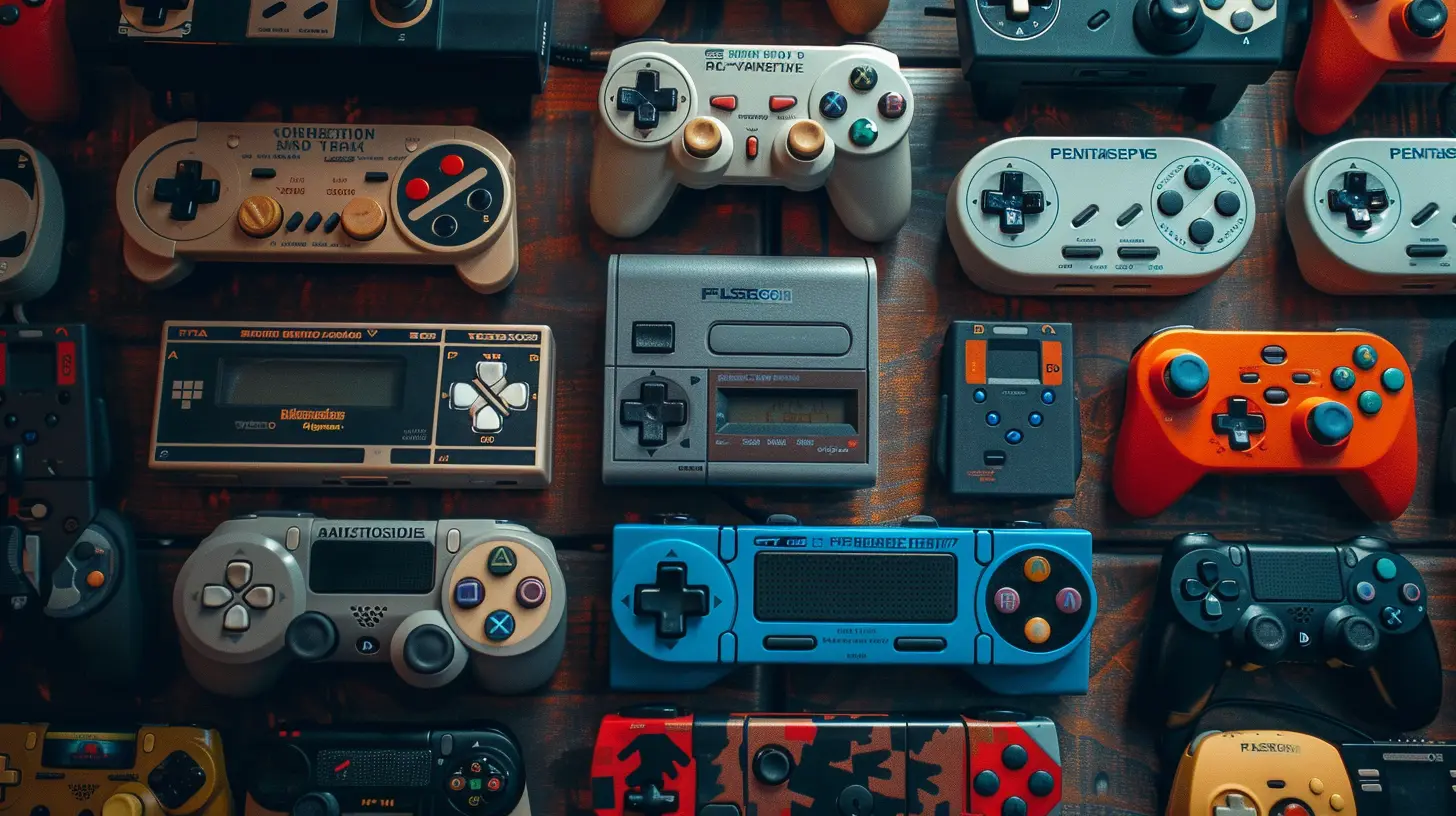
The Power of Nostalgia: A Digital Time Machine
You know that feeling when you hear an old song and it instantly takes you back? Controllers do that too. The first time your fingers wrapped around that SNES controller—you were hooked. The click of the buttons, that tactile D-pad, and the sense of wonder that came with each press.Old-school controllers are time machines for the thumbs. They bring back the golden age of gaming—late nights, wired friends on the couch, zero lag, and no updates to install. It was raw, real, and ridiculously fun.
For many gamers, sticking to classic controllers is like choosing vinyl over Spotify. It’s not always about convenience—it’s about experience.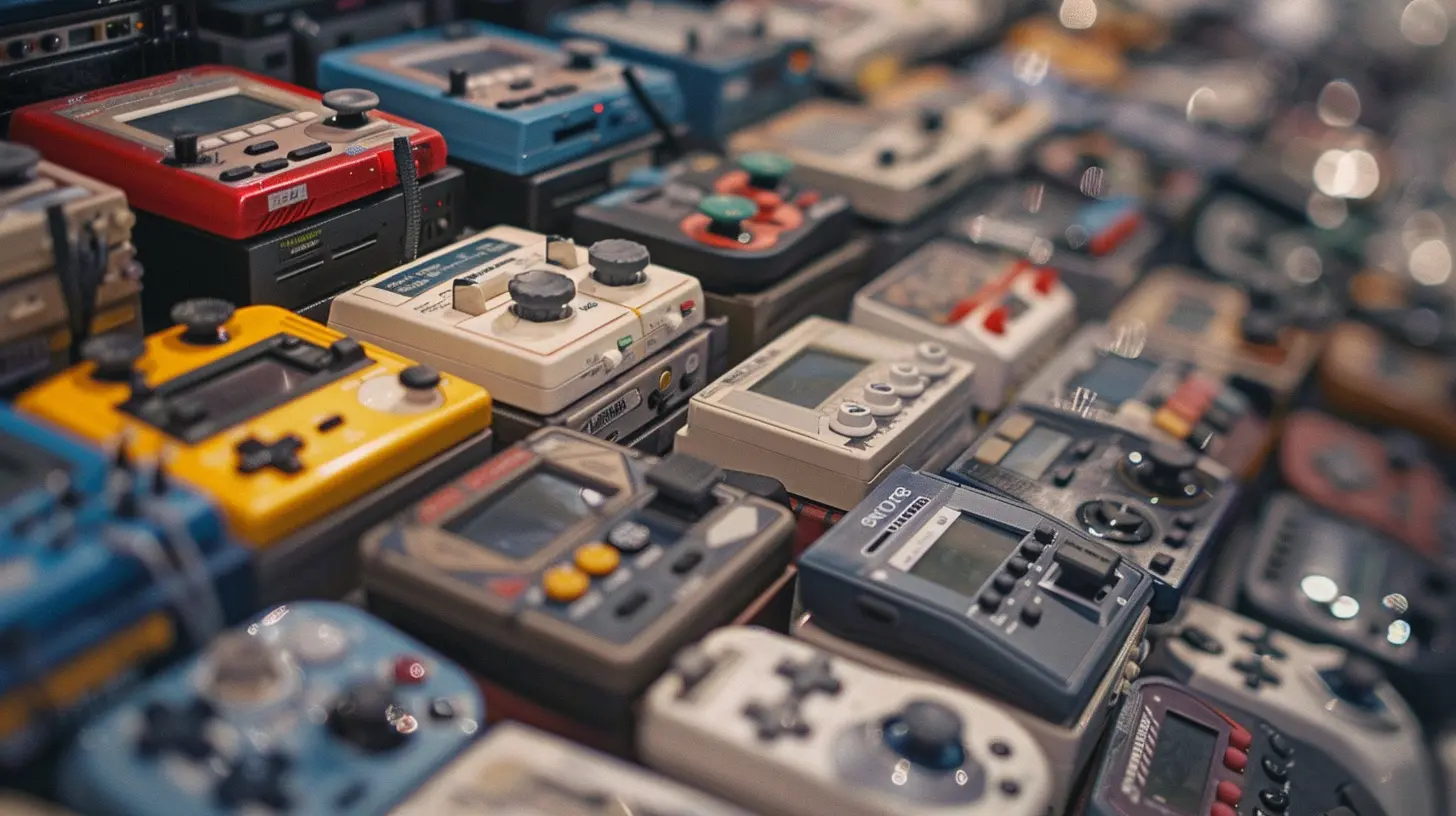
Simplicity Is Sexy: Less Is Sometimes More
Modern controllers often feel like mini starships. Dozens of buttons, triggers, paddles, touchpads—you need a manual just to figure out how to sprint and crouch at the same time. But old-school? You had a D-pad and a few buttons. That was it. No excuses. No complications.There’s a certain elegance to that simplicity. It’s like playing chess instead of 3D chess—less about bells and whistles, more about pure skill and timing.
Classic games were designed around these limitations, which meant tighter controls, smarter level design, and gameplay that didn’t rely on gimmicks. Old-school controllers fit that ecosystem perfectly.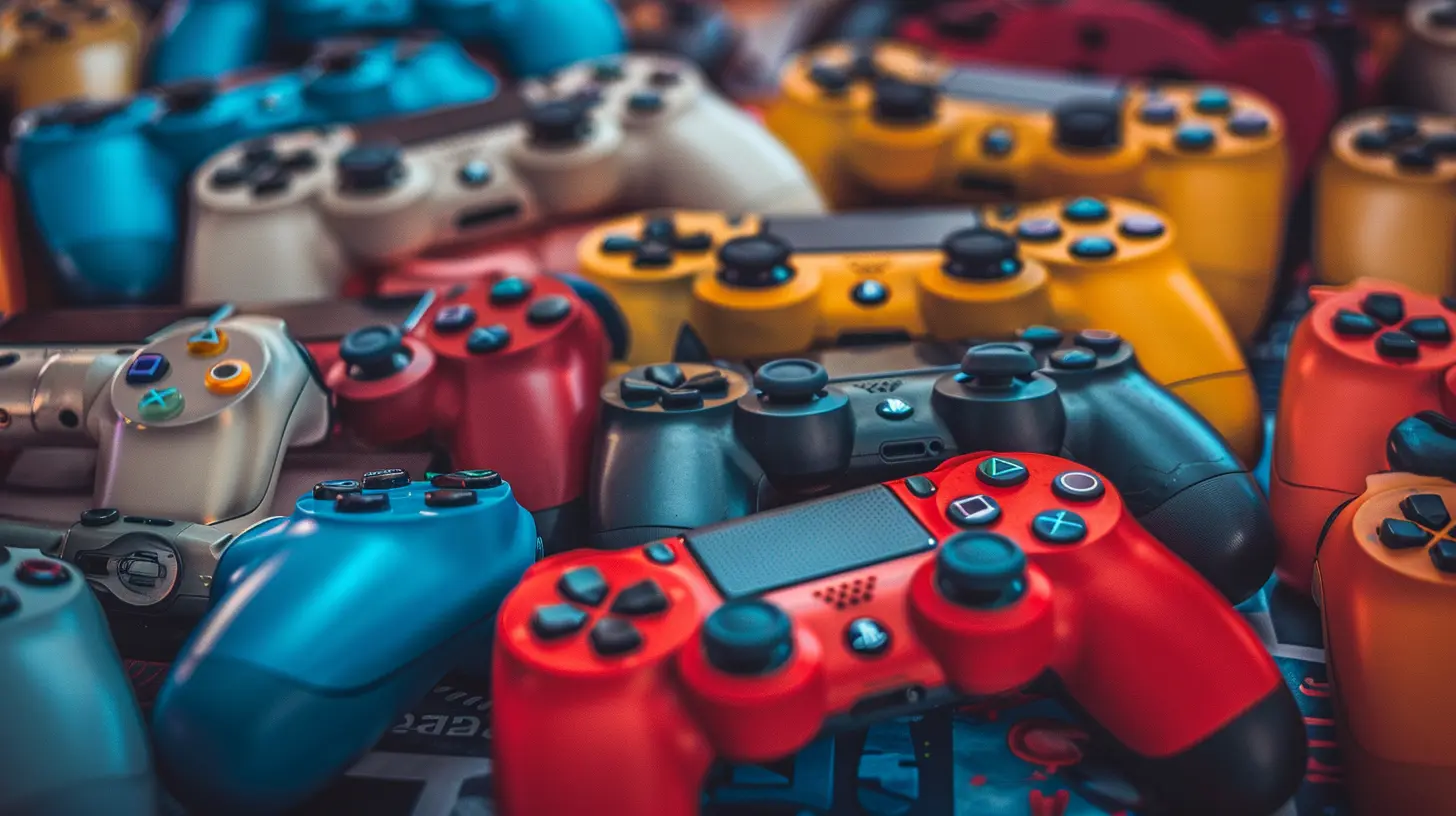
Comfort and Familiarity: Like Your Favorite Pair of Jeans
Ever tried switching from an Xbox controller to a Nintendo Joy-Con? It’s like going from a couch to a folding chair. Jarring.Old-school controllers are familiar. They fit in your hands the way they did 20, 30, even 40 years ago. You know every curve, every click, every nuance. No frills, no surprises—just dependable design.
For some gamers, changing controllers is like changing keyboards. Sure, you can adapt, but why fix something that isn’t broken?
Precision and Speed: No Lag, No Delay, Just Action
This one’s for the hardcore crowd. You know who you are—the speedrunners, the high-score chasers, the frame-by-frame fighters.With modern wireless controllers, you trade freedom for latency. Yeah, we’re just talking milliseconds, but in the heat of battle, that matters. Old-school controllers—especially wired ones—eliminate that delay.
Want that pixel-perfect jump in Mega Man? Good luck doing that on a controller with Bluetooth lag. The classics give you crisp, instant response, which is crucial for retro-style games where every frame counts.
Durability: Built Like a Tank
Remember how many times you smashed that NES controller against the floor because that cheap Goomba got you again? And it still worked the next day.Try that with today’s controllers—you might as well start a GoFundMe for a new one.
Old-school controllers were sturdy. They didn’t have internal batteries to die or gyro sensors to misread your movement. Just circuit boards and chunky plastic shells that could take a beating.
Gamers love them because they’re a one-time investment that lasts a lifetime.
Feeling the Game: Tactile Feedback That Modern Pads Lost
Modern controllers are all about “haptic feedback,” sure. But y’know what? There was something way more satisfying about that solid click of an SNES button or the stiff resistance of a Genesis D-pad.Those tactile sensations build a connection between you and the game. You’re not just playing—you’re engaging physically. Each jump, each shot, each sprint feels real because the controller gives you physical feedback in a way that modern touchpads just can’t.
It’s like comparing a mechanical keyboard to a touchscreen. One’s got soul.
Connecting to the Roots: A Purist’s Playground
Some gamers are purists. They want the original experience, not a modern remix. Playing "Super Mario Bros." with a Pro Controller just feels… off. Like sipping fine wine through a straw.Retro games were tuned to specific hardware. The spacing of the buttons, the angle of the D-pad—it’s all part of the game’s DNA.
For these gamers, using old-school controllers is about honoring the craft. It’s about authenticity.
Modding and Customization: The Retro Renaissance
There’s a booming community out there modding old-school controllers—adding USB support, new buttons, even LED lights. You get the tactile charm of the past with the functionality of today.And let’s not forget the rise of retro emulation. Devices like the 8BitDo controllers mimic the feel of classic pads while supporting modern systems. The best of both worlds? Maybe. But for many gamers, it’s that original feel that matters most.
Community and Culture: Holding Onto a Shared Memory
Ever hang out at a retro gaming event or arcade night? These places are filled with people still rocking the OG controllers.Why?
Because the old gear brings people together. It’s a shared language, a cultural bond. Holding a classic controller is like shaking hands with every generation of gamer before you.
It’s more than just plastic—it’s legacy.
The Art of Mastery: When Every Button Press Matters
Modern games are forgiving. A missed jump? No big deal. You’ve got checkpoints and auto-saves.Old-school games? Nah, you mess up, you’re starting over.
Old-school controllers reward mastery. There’s no room for error, no spammed buttons. You’ve got to learn the controller—become one with it. It’s almost Zen-like.
That sense of mastery is what keeps players coming back. It’s rewarding in a way today’s ergonomic, AI-assisting, cloud-synced controllers can’t replicate.
Conclusion: Old-School Isn't Old—It’s Classic
In a world racing toward VR headsets and motion-tracked gloves, there’s something quietly powerful about picking up a trusty old controller. It’s like driving a stick shift in an era of self-driving cars.Sure, modern controllers have their perks. But for a certain breed of gamer, the old ways are the gold standard.
It’s not stubbornness. It’s passion. It’s personal. It’s about control—literal and metaphorical.
So next time you see someone rocking a dusty SNES pad or plugging in a Sega Genesis controller via USB, don’t laugh. Tip your (virtual) hat. They’re not stuck in the past—they’ve just figured out what works best for them.
Long live the D-pad.
FAQ: Old-School Controllers Edition
Are old-school controllers compatible with modern systems?
Many are, especially with the help of adapters or USB mods. Plus, brands like 8BitDo create retro-style controllers for modern consoles and PCs.Are they better for retro games?
Absolutely. Retro games were designed with those controllers in mind. Using the original gear often gives you better control and a more authentic experience.Can you still buy original controllers?
Yep—eBay, retro gaming stores, and even some official re-releases make it possible. Just make sure you're buying from a reputable seller.Do old-school controllers work well for competitive gaming?
For specific genres like 2D fighters or platformers, they can be ideal. They're fast, responsive, and built for precision.all images in this post were generated using AI tools
Category:
Game ControllersAuthor:

Francesca West
Discussion
rate this article
2 comments
Sorin Sheppard
Ah yes, nothing screams nostalgia like cramping your hands on a brick-shaped controller with three functioning buttons. Who needs modern ergonomics when you can relive the joy of firmware updates by blowing into your cartridge? Truly a revolutionary choice!
December 29, 2025 at 4:19 AM
Francesca West
Absolutely! For many, it's the charm and simplicity of retro gaming that brings back fond memories, even if it means enduring some quirks.
Echo McKnight
Great article! It’s fascinating how nostalgia and tactile feedback in old-school controllers create a unique gaming experience. Embracing retro tech reminds us of the joy and creativity that gaming has always offered.
December 9, 2025 at 5:06 AM
Francesca West
Thank you! I'm glad you enjoyed it. Nostalgia and tactile feedback truly enhance the gaming experience, connecting us to the joy of retro gaming.