How Racing Games Simulate Tire Wear and Fuel Economy
2 December 2025
Racing games have come a long way, haven’t they? Gone are the days when you’d just floor the gas pedal and zip around the track without a care in the world. Nowadays, racing games are all about realism. Developers are pulling out all the stops to make sure the experience feels as close to real-life racing as possible. One of the ways they do this is by simulating things like tire wear and fuel economy. But how do they actually pull that off? Let's dive into it.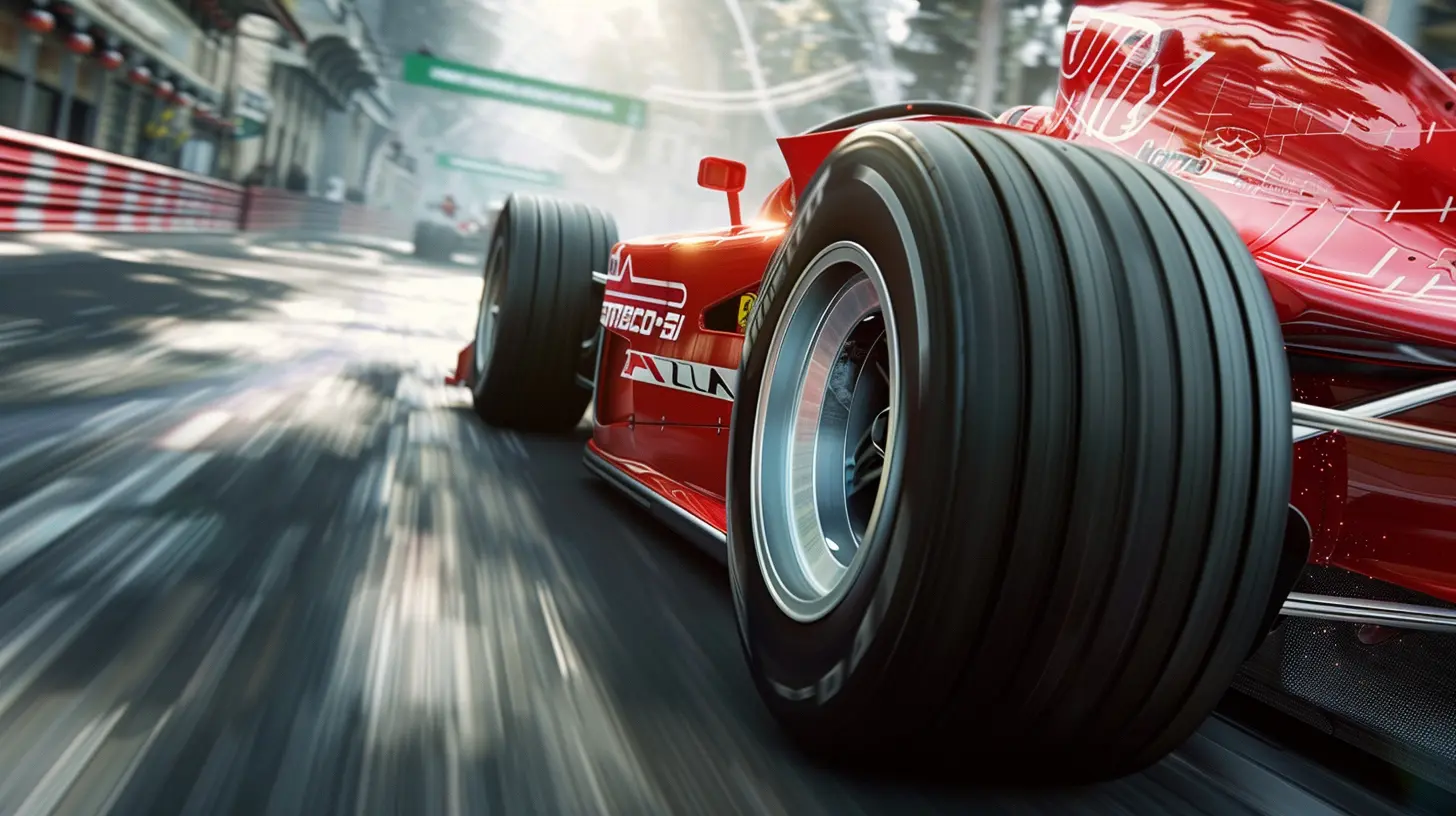
Why Tire Wear and Fuel Economy Matter in Racing Games
Alright, so let’s start with the basics. Why even bother with tire wear and fuel economy in a game? Isn’t it just about going fast and beating the competition? Well, yes and no. Sure, speed is crucial, but racing isn’t just about mashing the accelerator. It’s about strategy, timing, and knowing how to manage your resources—just like in real-life motorsports.Tire wear and fuel management bring a layer of depth to racing games. They force you to think ahead: Should you push your tires to their limit, or take it easy to conserve grip? Should you risk running low on fuel for the sake of speed, or pit early? These mechanics transform racing games from simple arcade fun into full-blown racing simulations.
The Science Behind Simulating Tire Wear
Let’s talk tires. Tires are a big deal in motorsports. They’re not just rubber hoops—they’re the only thing connecting your car to the track, which means they heavily influence grip, handling, and speed. In real racing, tires degrade over time due to friction and heat. Racing games work hard to mimic this process.How Game Devs Mimic Tire Degradation
To simulate tire wear, developers rely on complex algorithms that take multiple factors into account:1. Surface Type
Different tracks can have varying effects on your tires. Asphalt, dirt, and gravel wear them down differently. Games like Forza Motorsport and Gran Turismo calculate tire degradation based on what type of surface you’re driving on.
2. Driving Style
Are you braking hard before every turn? Are you drifting through every corner like it’s an audition for Fast & Furious? Aggressive driving styles put more strain on your tires, and games like F1 23 reflect that. Ease off, and your tires will last longer.
3. Tire Compound
In real racing, drivers get to choose between different tire compounds—soft, medium, and hard. Softer tires offer better grip but wear out faster, while harder tires last longer but sacrifice traction. Many games include this feature, giving you the chance to strategize before the race even begins.
4. Temperature and Weather
Believe it or not, some games even factor in temperature and weather conditions. Colder weather might keep your tires cooler (and less likely to wear), but too cold and you’ll lose grip. Wet conditions? That’s a whole other ballgame. Games like Project CARS and Assetto Corsa go to great lengths to simulate these dynamics.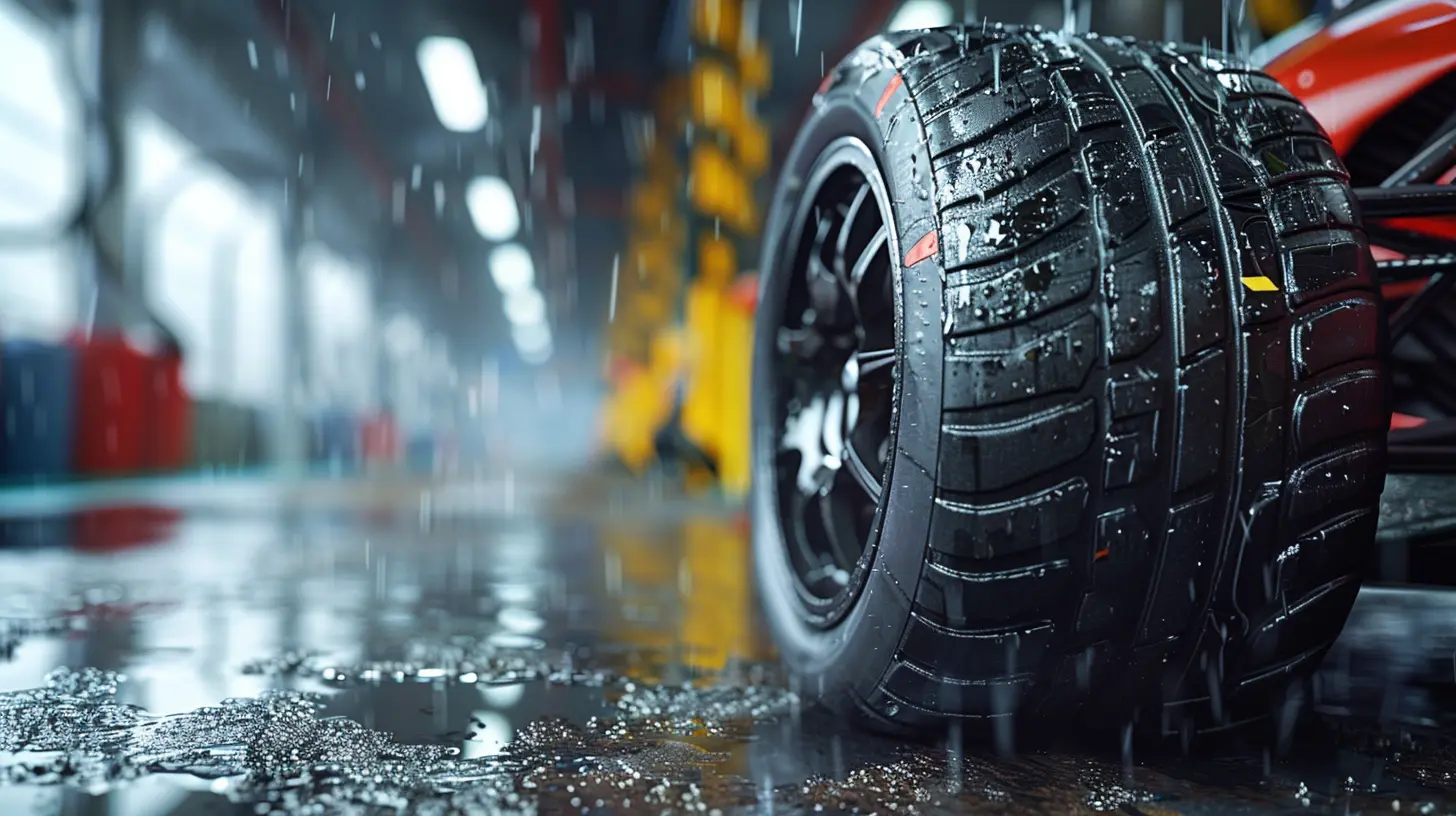
The Fuel Economy Side of Things
Now, let’s switch gears (pun intended) and talk about fuel economy. Fuel is literally the lifeblood of your car. Run out of it, and guess what? You’re out of the race. In real life, managing fuel consumption is a huge part of racing, and modern racing games have picked up on that.How Fuel Usage Is Simulated
The process of simulating fuel economy is similar to tire wear—it’s all about algorithms and attention to detail. Here’s how developers make it work:1. Engine Mode and Power Output
Many racing games let you adjust your engine mode on the fly. Want maximum power for overtaking? Go ahead, but it’ll guzzle fuel faster than a college kid downing energy drinks during finals week. Switch to an economy mode, and you’ll save fuel, but your speed will take a hit.
2. Track Layout
Tracks with lots of straights might let you coast and save fuel, but tracks with tight corners demand constant acceleration and braking, which burns through it faster. Games like iRacing and F1 23 incorporate this into their fuel consumption models.
3. Driver Input
Like tires, your driving style matters here too. Aggressive acceleration and braking burn more fuel. Smooth inputs, on the other hand, can stretch your fuel tank a little further. It’s all about finding that balance.
4. Pit Stops and Strategy
Fuel economy directly ties into pit-stop strategy. Do you want to carry a lighter fuel load to go faster but risk an extra pit stop? Or load up on fuel and sacrifice speed? Games like Gran Turismo 7 let you make these critical decisions mid-race.
How These Features Impact Gameplay
So, what’s the point of all this complexity? Does it actually make games better? You bet it does.1. More Realism
Features like tire wear and fuel economy bring racing games closer to real-life motorsports. If you’re a hardcore racing fan, this kind of authenticity is a dream come true.
2. Deeper Strategy
These mechanics force you to think about more than just going fast. You’ve got to manage your resources, plan your pit stops, and adapt your strategies on the fly. It’s like playing chess… but with a 1,000-horsepower race car.
3. Replayability
Every race feels different. Factors like track conditions, weather, and your opponents’ strategies keep things fresh and unpredictable.
Games That Nail Tire Wear and Fuel Economy
Not all games bother with these mechanics, but some go all-in. Here are a few that stand out:- F1 Series (by Codemasters)
These games are famous for their detailed simulation of both tire wear and fuel management. You’ll need to keep an eye on your tires throughout every lap and actively manage your fuel mix.
- Assetto Corsa
Known for its realism, this game nails tire temperature, wear, and fuel consumption. It’s a favorite among sim racing enthusiasts.
- Gran Turismo 7
This game offers a perfect balance between realism and accessibility, giving players just enough of these mechanics without overwhelming casual racers.
- Project CARS Series
With dynamic weather and detailed tire and fuel simulations, this series delivers a truly immersive experience.
Why Some Gamers Don’t Love It
Let’s keep it real—these features aren’t for everyone. Some gamers find tire wear and fuel economy frustrating. They just want to jump in, race, and have fun without worrying about pit strategies or running out of gas. And that’s totally fine! It’s all about personal preference. The good news is that most games let you tweak these settings or turn them off altogether.Wrapping It Up
Tire wear and fuel economy may not sound like the most exciting parts of a racing game, but they’re absolute game-changers when it comes to realism and strategy. They make you think, plan, and adapt—just like a real racer would. Whether you’re taking a long corner on worn-out tires or calculating just how much fuel you’ll need to finish the race, these mechanics add an extra layer of excitement to every lap.So, the next time you’re playing a racing game and you’re tempted to ignore the tire and fuel indicators, think again. They might just be the key to outsmarting your opponents and grabbing that checkered flag.
all images in this post were generated using AI tools
Category:
Racing GamesAuthor:

Francesca West
Discussion
rate this article
2 comments
Lorelei Ortiz
This article provides an insightful look into the mechanics of racing games, highlighting how tire wear and fuel economy add layers of strategy. The attention to detail in simulating these aspects enhances realism and makes gameplay more immersive and challenging for players.
December 20, 2025 at 4:36 AM
Francesca West
Thank you for your thoughtful comment! I'm glad you found the mechanics of tire wear and fuel economy to be engaging and strategic. It’s great to hear that the realism adds to the immersion!
Laila Hahn
This article provides a fascinating insight into the intricate mechanics of racing games. The discussion on tire wear and fuel economy highlights how developers strive for realism, enhancing the player's experience. It's impressive to see how these elements impact strategy and gameplay. Great read for both gamers and enthusiasts!
December 2, 2025 at 3:51 AM
Francesca West
Thank you for your thoughtful comment! I'm glad you found the insights on tire wear and fuel economy engaging—these elements really do enrich the gaming experience.