Design Secrets Behind the Most Popular Casual Games
25 December 2025
Casual games have taken the world by storm. Whether it’s crushing candies on the bus, merging dragons while binge-watching Netflix, or playing that one match-3 game you promised yourself you’d uninstall weeks ago—these games are nearly impossible to resist. But what makes them so darn addictive? Why do we keep coming back for "just one more level"?
Let’s dive deep into the secret sauce behind these pixel-perfect time killers. If you’ve ever been curious about the psychology, design, and subtle manipulations behind your favorite casual games, you're in the right place.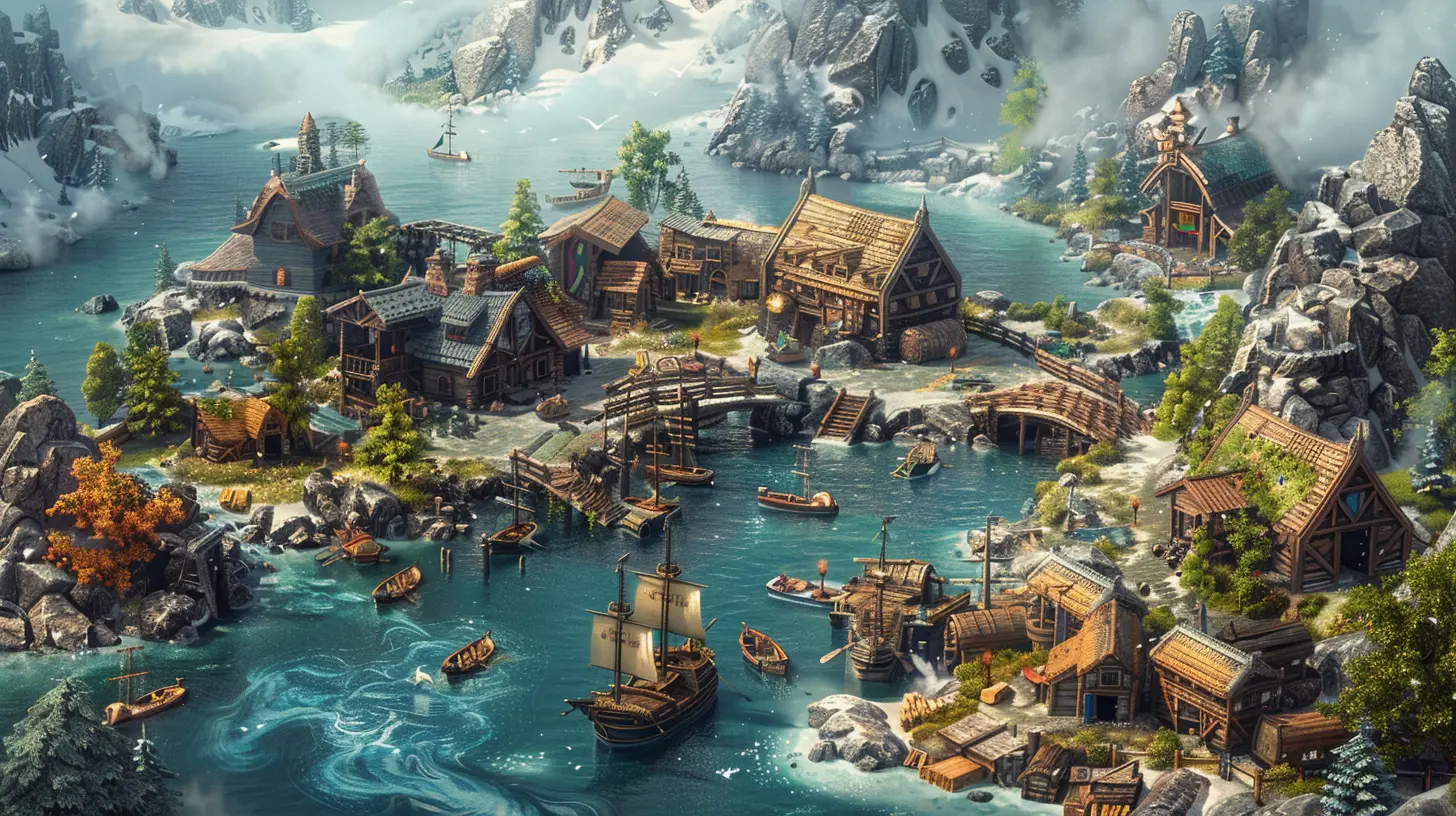
What Are Casual Games, Anyway?
Before we unbox the design secrets, let's get on the same page.Casual games are lightweight, easy-to-learn, and often free-to-play mobile or web games that appeal to a wide audience. Unlike hardcore games, which demand time, skill, and often expensive hardware, casual games ask for little and give a whole lot of serotonin in return.
Popular examples? Think Candy Crush, Angry Birds, Subway Surfers, Clash Royale, or even Wordle. They’re simple, but oddly satisfying.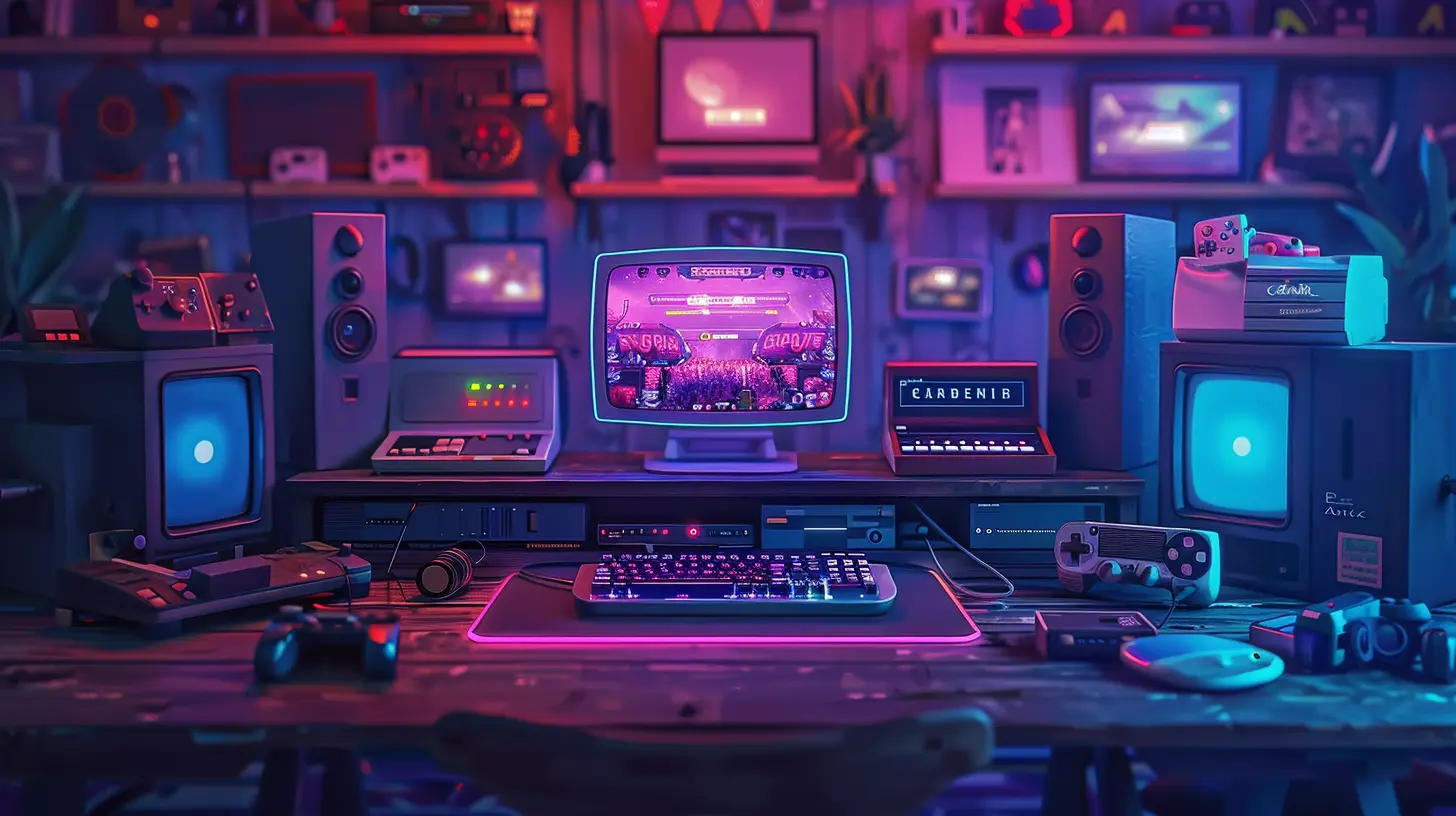
Secret #1: Easy to Learn, Hard to Master
This one’s the golden rule. The best casual games get you hooked within seconds of tapping "Start."Ever noticed how the first few levels of almost any popular casual game are ridiculously easy? That’s not an accident—it’s intentional onboarding. You'll breeze through the tutorial, feel smart, and boom—you're invested.
But then, slowly and subtly, the difficulty creeps in. You start to fail a few levels, spend a bit more time thinking, maybe even get a little frustrated. That’s by design.
🎯 Design Takeaway: Developers want you to feel capable and clever, but not bored. Balancing simplicity with challenge keeps you engaged.
Secret #2: Micro Goals and Quick Wins
You know those mini-achievements popping up constantly? “You matched 50 red candies!” “You completed a daily challenge!” “You unlocked a new avatar!”Small goals like these break the game into digestible chunks, offering constant, satisfying feedback. They’re like little dopamine shots.
Even if you don’t win the level, you may still make progress on a side quest, fill up a progress bar, or earn a daily login reward. That way, you never walk away empty-handed.
🧠 Fun Fact: This design is inspired by behavioral psychology. Progress—even the illusion of it—motivates us.
Secret #3: Visual Candy (No Pun Intended)
Let's face it—casual games look gorgeous. The colors are bright, the animations are smooth, and everything feels like it was designed by Willy Wonka’s tech-savvy cousin.From bouncing coins to sparkly explosions, these visual treats reward your brain. It’s sensory gratification at its finest. And let’s not forget the adorable characters and quirky themes. Even the losing screen is cute.
👀 Design Pro Tip: Eye-catching graphics aren’t just about aesthetics—they create emotional attachment, comfort, and brand identity.
Secret #4: Sound Design That Slaps
Sound is the unsung hero of casual games. You may not realize it, but that satisfying “pop” when matching bubbles or the “zing” when you hit a power-up? That’s what keeps your brain dancing.Great casual games use sound like a secret weapon. They enhance feedback, increase immersion, and make the entire experience more tactile. Even silence is used strategically—quiet moments build tension and anticipation.
🎧 Bonus Insight: Most game designers test sounds hundreds of times to find that satisfying blend of subtle, catchy, and emotional.
Secret #5: The Power of F2P and Monetization Loops
Ah yes, the free-to-play (F2P) model. You didn’t think these games were generous out of goodwill, did you?Great casual games are masters of monetization without feeling too pushy (well, most of the time). They offer in-game currency, boosters, skins, and time-savers. But here's the trick—they never force you to pay. Instead, they tempt you.
You’re just out of lives… you almost won… and hey, it's only $0.99 to get another shot.
💸 Design Wisdom: Successful casual games balance free content with well-timed monetization triggers, making you feel in control while opening your wallet.
Secret #6: Social Hooks and Friendly Competition
Why is Candy Crush synced to Facebook? Why do games have leaderboards, friend requests, and team challenges?Because gaming is more fun together—and nothing fuels habit loops like a bit of peer pressure. Social features increase engagement, encourage return visits, and give players that lovely shot of validation.
Some games even borrow tactics from social media. You’ll get pinged when your friend beats your high score or when your team needs help. It's not just a game anymore; it’s a community.
🤝 Pro Design Tip: Sharing, competing, and cooperating in casual games creates emotional investment and guilt-based re-engagement.
Secret #7: Controlled Randomness
Ever feel like the game is playing with you, or against you?That’s probably true.
Many casual games use algorithms that control the randomness behind what tiles drop, what enemies appear, or what bonus you’ll get. It gives the illusion of luck while secretly optimizing for user retention.
For example, if the algorithm detects you're losing multiple times in a row, it might give you a "lucky board" to make you win. Reverse psychology, anyone?
🎲 Design Mechanic: Randomness is calculated. Developers play with chance to keep the tension between unpredictability and fairness.
Secret #8: Endless Progression Systems
One genius trick in casual game design? There’s always more.As soon as you finish one level, another appears. Complete a world? Here come ten more. It’s a never-ending treadmill of content—and it’s exhausting in the best way.
And even if you stop playing for a week, you’ll be welcomed back with open arms and juicy rewards for “returning.” It’s like the game missed you.
🌀 Player Psychology: Infinite progression taps into FOMO (fear of missing out) and our innate desire for growth and achievement.
Secret #9: A/B Testing Everything
What you see in a casual game is rarely accidental. Developers test every tiny detail to figure out what makes you click (literally).They’ll test two different versions of a level. One might be slightly harder or offer different rewards just to see which one keeps people playing longer. Even button placements, colors, and pop-up wordings go through optimization.
📊 Behind-the-Scenes Fact: Casual game design is 50% creativity and 50% data analysis. The perfect formula is always evolving.
Secret #10: Emotional Triggers and Storytelling
You might not think casual games tell strong stories, but many do—and sometimes subtly.Think about Gardenscapes or Homescapes. You’re not just solving puzzles—you’re renovating a house and helping characters grow. That emotional connection can be deceptively powerful.
Characters, pets, backstories, themes—they all work together to deepen emotional investment. And even if there’s no story, the themes (like adventure, magic, or exploration) create mood and meaning.
💓 Real Talk: We don’t just play games for fun. We play to feel something.
Secret #11: Clean UI and Seamless UX
Ever wonder why you can navigate a casual game half-asleep?That’s a sign of great design. The user interface (UI) is clean, intuitive, and responsive. Buttons are where you expect them to be. Text is readable. Menus are minimal.
And the user experience (UX) flows like water—no long load times, confusing maps, or clunky tutorials. You dive in, play, and zone out. Easy peasy.
🖐️ Player Tip: If you can’t remember using the interface, it’s a job well done.
Why These Secrets Work, and What It Means for Game Designers
There’s no single magic trick that makes a casual game successful. It’s layers upon layers of thoughtful, intentional decisions—each one aimed at hooking players gently but firmly.From psychological techniques to aesthetic appeal, and from data analytics to emotional storytelling, casual game development is both science and art.
And if you’re a budding game designer or developer reading this—take notes. The next casual hit might just come from your sketchpad.
Final Thoughts: It’s Not Just a Game, It’s a Habit
So the next time you get sucked into a 3-hour bubble-popping spree or find yourself doing a 7-day login streak out of nowhere, just remember—it’s not entirely your fault. These games are designed to be irresistible.But hey, life’s stressful. If a few sparkly animations and cute sound effects bring you joy at the end of a long day, we say go for it.
Just maybe… set a timer.
all images in this post were generated using AI tools
Category:
Casual GamingAuthor:

Francesca West
Discussion
rate this article
2 comments
Damon Evans
Understanding the design secrets behind popular casual games reveals not just creativity, but a deep comprehension of player psychology. It's fascinating how simplicity can drive engagement and create memorable experiences.
January 12, 2026 at 4:25 AM
Francesca West
Thank you! I completely agree—understanding player psychology is key to crafting engaging and memorable game experiences. Simplicity often leads to the most impactful designs.
Zadie McInnes
Great insights! Understanding design elements really enhances our appreciation for casual games. Well done!
December 26, 2025 at 3:41 PM
Francesca West
Thank you! I'm glad you found the insights valuable. Design truly plays a key role in enhancing our gaming experience!