How Nintendo Revolutionized Motion Controls with the Wii
16 August 2026
Ah, the Nintendo Wii. That quirky little white box that looked like a modem and somehow got your grandma to bowl a perfect game in Wii Sports. If consoles were superheroes, the Wii would be the unpredictable goofball who shows up late to the fight but ends up saving the day by hurling a banana peel at the villain.
Released in 2006, the Wii waltzed onto the gaming scene without the flashy graphics of the Xbox 360 or the mysterious allure of the PlayStation 3. Nope, Nintendo had something different up its sleeve—motion controls. And boy, did it shake things up… literally.
So buckle up as we dive into how Nintendo revolutionized motion controls with the Wii. It’s about to get waggly in here.
Setting the Stage: Gaming in the Pre-Wii Era
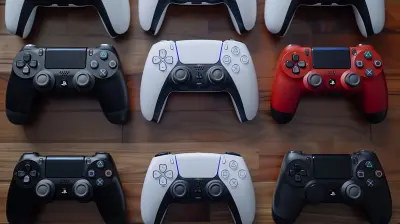
Before the Wii, gaming was a mostly sedentary affair. The most physical exertion involved was maybe throwing your controller in frustration after getting sniped for the tenth time in Call of Duty. Games were becoming more realistic, sure, but the way we interacted with them hadn’t changed much since the days of the NES.Sony and Microsoft were caught in a hyper-tech arms race. Better graphics! Faster processors! More hard drive space! Meanwhile, Nintendo looked at all this testosterone-filled competition and said, “You know what? Let’s make gaming weirder and more fun.”
And thus, the Wii was born.
The Big, Waggly Idea: Motion Controls
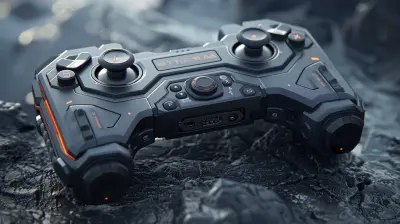
When Nintendo introduced the Wii Remote (or "Wiimote"), it looked like a TV remote from a parallel universe. But appearances aside, this little wand changed the game—literally. The Wiimote used accelerometers and infrared sensors to detect movement, allowing players to swing it like a tennis racket, slice it like a sword, or shake it like a maraca.You weren’t just pressing buttons anymore. You were physically doing things. Want to throw a bowling ball? Mimic the exact motion. Sword fight? Swing that bad boy like you're in a swashbuckling standoff. The Wii actually made you feel like a part of the game, even if you looked ridiculous doing it (and you did).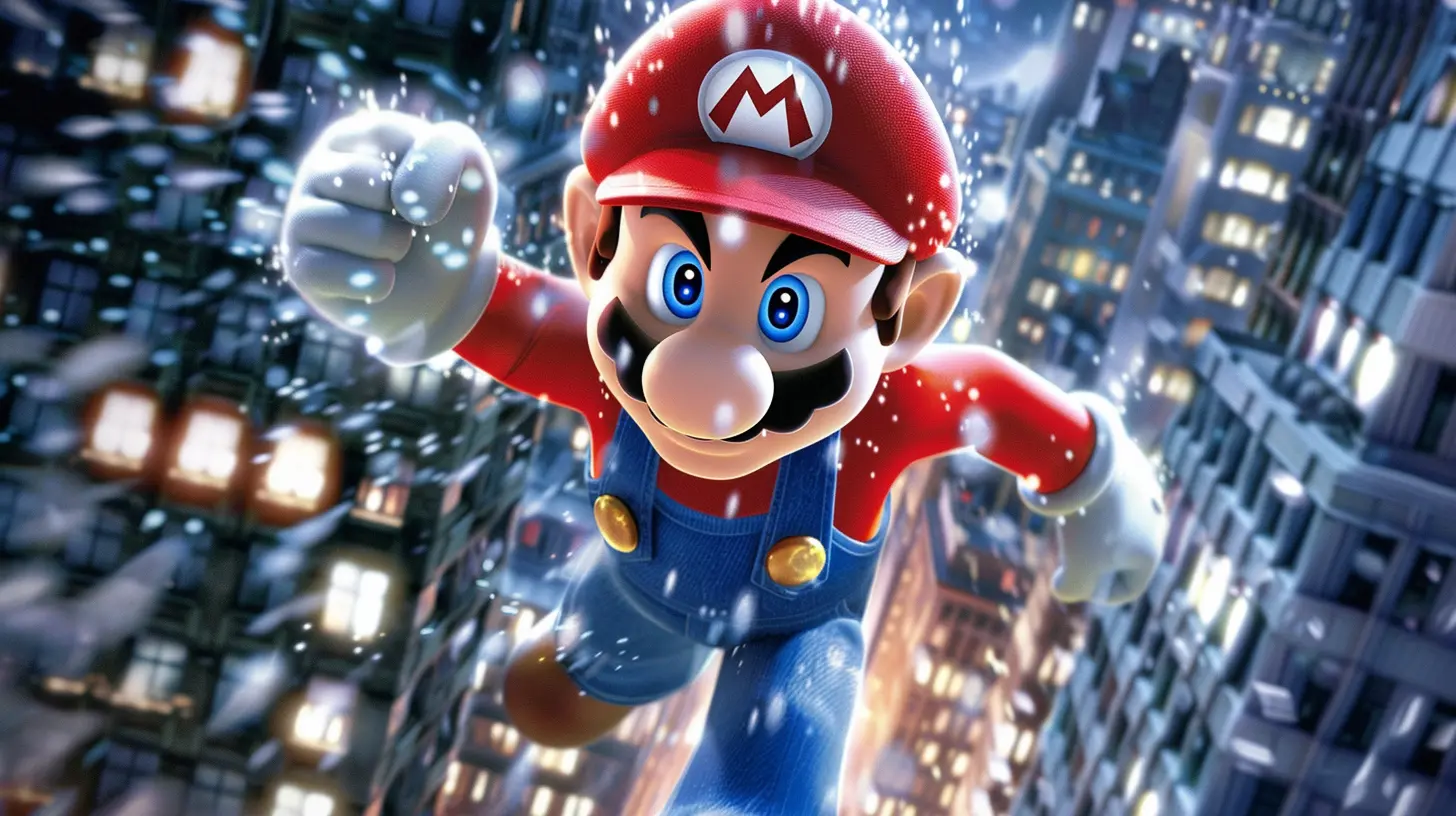
Wii Sports: The Killer App That No One Asked For But Everyone Loved
Let’s talk about Wii Sports—arguably the greatest Trojan horse in gaming history. Bundled with every Wii console, this five-game collection took motion controls and made them accessible, charming, and oddly competitive. Tennis, bowling, boxing, baseball, and golf. Simple, addictive, and just the right amount of janky.Millions of people who had never picked up a controller suddenly found themselves deeply invested in virtual bowling tournaments. Nursing homes hosted Wii bowling leagues, for crying out loud. Nintendo managed to do what no one else had—make gaming truly for everyone.
It was genius. Evil, brilliant, delightful genius.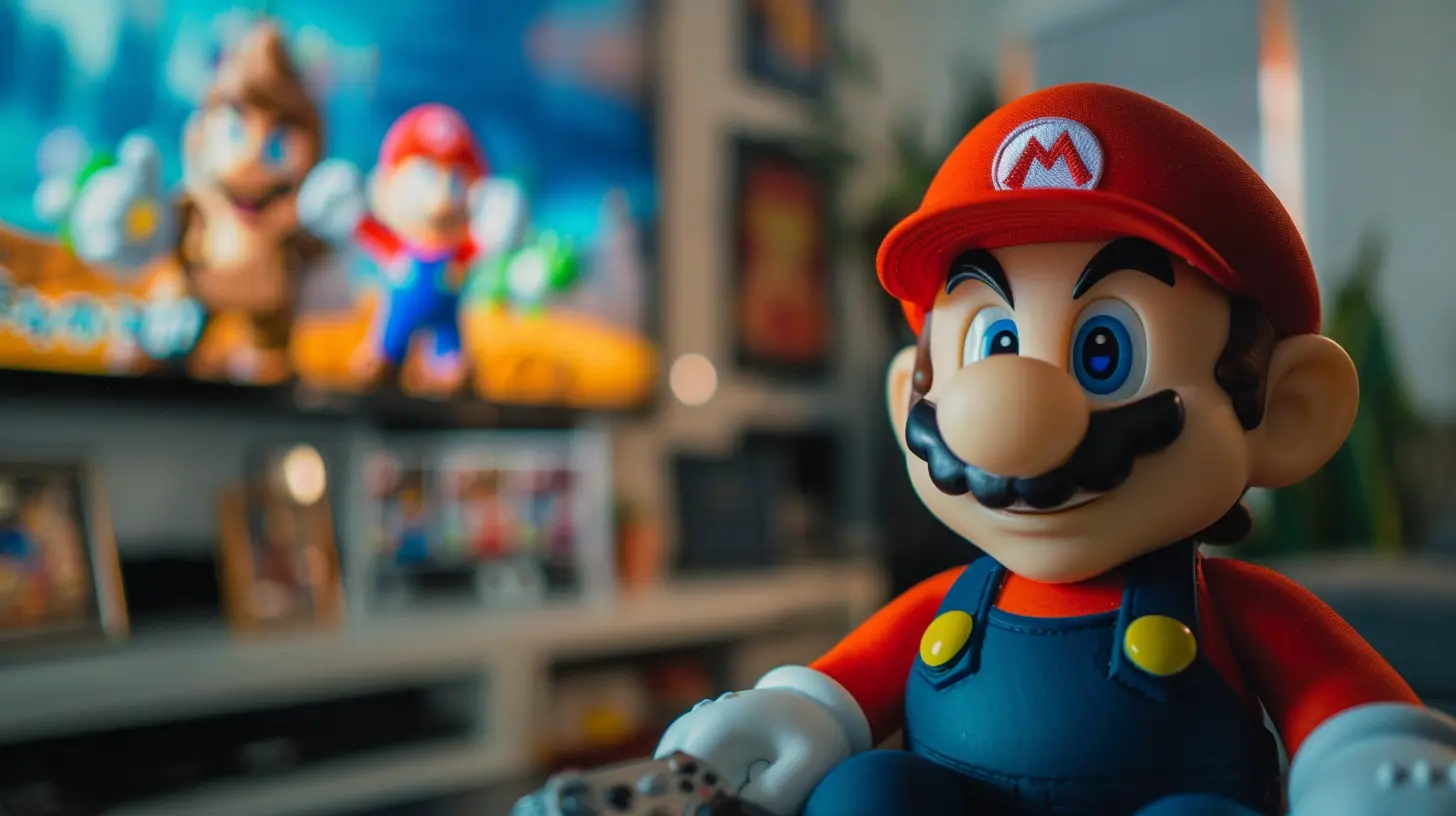
How Nintendo Made Gamers Out of Non-Gamers
Let’s take a moment to appreciate the weirdest magic trick Nintendo ever pulled: turning your mom into a gamer.Motion controls were so intuitive that you didn’t need to explain button combos or complex mechanics. Want to swing a bat? Swing the remote. Want to punch someone? Punch the air. It was plug-and-play at its finest.
The Wii made gaming social again. No longer just a solo cave-dwelling hobby, it had people laughing, moving, and occasionally breaking their TVs by flinging Wiimotes like ninja stars. (Pro tip: always use the wrist strap. Always.)
The Motion Control Arms Race (aka Lame Copycats)
Of course, once Nintendo struck gold, the other big boys couldn’t just sit there twiddling their analog sticks.- Sony came out with the PlayStation Move, which looked like a glow stick lost at a rave.
- Microsoft introduced Kinect, a camera-based system that didn’t even need a controller. (Fancy, right? Too bad it barely worked half the time.)
While these attempts were… noble-ish, none truly captured the magic of the Wii. Motion controls weren’t just a gimmick for Nintendo—they were the entire experience. Sony and Microsoft were like those kids in class who copied your homework but didn’t understand the assignment.
The Tech Behind the Magic: How Motion Controls Actually Worked
Now, this isn’t a science class, but let’s nerd out for a second.The Wiimote had a three-axis accelerometer and infrared sensors that tracked its position relative to a sensor bar placed near your TV. Later on, Nintendo added the MotionPlus accessory, which brought gyroscopic sensors into the mix for more precise tracking. Basically, Nintendo threw a bunch of tech into a rectangular wand and told us it could feel our every move. Creepy? Maybe. Cool? Definitely.
Wii's motion controls weren’t perfect. There was lag, misfires, and games that turned “motion controls” into “shake the remote like a maniac and pray.” But when it worked well—it really worked.
Third-Party Developers: Hit or Miss... Mostly Miss
With the Wii’s success, third-party developers jumped on the motion control bandwagon like it was a Black Friday sale, churning out waggle-fests like there was no tomorrow.For every great motion-controlled gem (hello, Red Steel 2), there were 10 hot messes that involved flailing around while the game tried its best to guess what you were doing. Like a confused golden retriever, the Wii did its best, but not every game deserved its enthusiasm.
Still, love it or hate it, motion controls became a selling point and a differentiator. Even the worst games couldn’t ignore it.
Beyond the Gimmick: Games That Proved Motion Could Mean Mastery
Let’s not forget the heavy hitters that showed motion controls weren’t just some fleeting novelty.- The Legend of Zelda: Skyward Sword took swordplay to a new level with 1:1 motion tracking. You could slash up, down, sideways—it actually mattered.
- Wii Fit turned your living room into a gym. Ok, a very judgmental gym with that sassy Balance Board, but a gym nonetheless.
- Metroid Prime 3: Corruption infused FPS gameplay with infrared aiming, proving the Wii wasn’t just for family fun-time.
Nintendo proved motion controls could be immersive and deep, not just silly fun.
The Cultural Impact: Wii as a Pop Culture Icon
You couldn’t escape the Wii hype. It was everywhere.TV commercials, late-night show jokes, viral videos of grannies boxing like champs, and of course, the never-ending supply of “accidental TV smashing” compilations. The Wii wasn’t just a console—it was a phenomenon.
It sold over 100 million units worldwide and outsold both the Xbox 360 and PS3. (Yeah, let that sink in.) It also won the hearts of skeptics, casuals, and lifelong gamers alike. That's the gaming equivalent of herding cats—and then somehow teaching them how to bowl.
Why the Wii Worked: Nintendo's Genius (and a Bit of Luck)
So what made it click? (Pun intended.)- It was different from everything else.
- It was fun, even if you didn’t know what you were doing.
- It was inclusive, welcoming every age and skill level.
- And, most importantly, it was cheap. In a world of $600 consoles, the Wii came in like a budget hero.
Add a pinch of nostalgia, a dash of innovation, and a whole ladle of accessibility, and boom—you've got a revolution.
The Legacy: Where We Are Now
The Wii may be off in console retirement, sipping mojitos with the GameCube and laughing at the Virtual Boy, but its impact is still felt today.- The Nintendo Switch took motion controls and refined them through the Joy-Cons.
- VR gaming owes a big ol’ high-five to the Wii; it cracked the code on motion-based interactivity.
- Mobile gaming gestures? Thank the Wii for making movement part of gameplay.
Nintendo didn’t just create a new way to play—they redefined gaming’s potential.
Was It Perfect? Heck No. But That’s What Made It Great
Look, the Wii wasn’t perfect. The graphics were meh. The online experience? Practically non-existent. Friend codes? Don’t even get me started.But you know what? Perfect is boring. The Wii was fun, silly, innovative, frustrating, and beautiful all at once. It made people care about playing, even if they didn’t know what exactly they were doing.
Nintendo didn’t just sell a console—they sold an experience. And that’s how they revolutionized motion controls.
Final Thoughts: Nintendo’s Waggle-Fueled Legacy
The Wii changed the game—pun very much intended. While other consoles were obsessed with horsepower, Nintendo dared to be different. And it worked. With motion controls, they turned living rooms into tennis courts, yoga studios, and virtual battlegrounds. They made gaming approachable and ridiculous, and we loved every awkward movement of it.So next time you’re flinging Joy-Cons or ducking in VR, just remember—you owe a thank you to that weird little white box and its motion-sensing magic wand.
Long live the waggle.
all images in this post were generated using AI tools
Category:
Nintendo GamesAuthor:

Francesca West
Discussion
rate this article
1 comments
Alice McLoughlin
The Wii truly changed gaming for so many. Its motion controls brought a fresh experience.
August 16, 2026 at 3:53 AM
Francesca West
Absolutely! The Wii's motion controls opened up new ways to play, making gaming more accessible and interactive for everyone.