Gameplay and Graphics That Critics Are Praising
10 June 2026
Let’s face it—these days, gamers expect a lot from the titles they play. Gone are the times when blocky characters and clunky controls were forgivable. Today, it’s all about silky-smooth gameplay wrapped in jaw-dropping visuals. Whether you're a casual player or a competitive beast, you want games that not only play well but also look like a work of art.
That’s why it’s exciting when a game hits the sweet spot—when gameplay feels buttery smooth and visuals are so stunning they make your jaw drop. Critics are buzzing about a new wave of titles that are delivering both. So, let’s break down the gameplay mechanics and graphics that have critics (and players!) tossing around words like "masterpiece" and "next-gen brilliance."
The Shift in Game Criticism: Why Gameplay and Graphics Matter More Than Ever
Back in the day, a great storyline or quirky characters could carry a game. But in recent years, critics have become more discerning—as have players. We’re in an era where immersion is key. Gameplay and graphics aren’t just features anymore; they’re the foundation.Critics are now dissecting frame rates, animation fluidity, lighting effects, environmental detail, and how well the mechanics blend with the narrative. Think about it. If gameplay is clunky or visuals are outdated, it takes you right out of the experience.
So why are some games getting rave reviews? Let’s dig into what sets them apart.
Gameplay That Nails It: Smooth, Responsive, and Addictive
1. Tight Controls That Don’t Fight You
The one thing that can break immersion faster than a bad cutscene? Controls that feel like you're steering a shopping cart through molasses. Top-rated games in 2024 have refined this to a science. Whether it's the weighty feel of swinging a sword or the snappy action of swapping weapons, controls are intuitive and responsive.Take Elden Ring, for example. Critics praised its real-time combat for being challenging but fair. The learning curve is steep, but every death feels like a lesson, not a punishment. That’s tight gameplay at its finest.
2. Meaningful Player Choice
Gamers want agency. We don’t want to just play—we want to shape the world. And developers are finally listening. From dialogue options that actually affect the story to skill trees that let you build your own playstyle, recent titles are making choice matter.In Cyberpunk 2077 (after its patch glow-up), critics noted how quest outcomes were directly impacted by prior decisions. That level of interactivity hooks players in.
3. Smart AI That Feels Real
There's nothing more immersion-breaking than enemies that run in circles or teammates who can’t stop standing in doorways. Great games now feature AI that reacts dynamically—fleeing, flanking, and adapting to the player’s tactics.Titles like The Last of Us Part II shine in this department. The AI behavior was so intelligent that enemies would call each other by name. Critics raved about how this added emotional weight to every confrontation.
Graphics That Blur the Line Between Game and Reality
Let’s be honest—when we boot up a new game, we want it to wow us visually. And we’re not just talking about hyper-realism. Great graphics mean style, identity, atmosphere, and technical excellence.1. Ray Tracing and Dynamic Lighting
If you’ve played a modern AAA title lately, you’ve probably noticed how light shimmers off metal, how shadows shift with the day-night cycle, or how puddles reflect neon signs like in a high-budget film. That’s ray tracing.Games like Cyberpunk 2077 and Alan Wake 2 implemented ray tracing so well that critics couldn’t stop talking about the lighting effects. It adds depth that wasn’t even imaginable a decade ago.
2. Environmental Storytelling Through Visuals
Modern graphics aren’t just about looking good—they’re about telling a story without saying a word. A cracked photo frame in a ruined house. Fog rolling in over a haunted forest. These details paint the emotional landscape of a game.In Red Dead Redemption 2, every sunrise over the plains and every muddy town street told a story of life in the late 1800s. Critics often referred to it as "cinema you can play."
3. Stylized Art That Stands Out
Not every game goes for photorealism, and that’s a good thing. Games like Hades, Hi-Fi Rush, and Ori and the Will of the Wisps use unique visual styles that are equally praise-worthy.Critics particularly loved Hades for its animated, comic book art blended with Greek mythology—a masterpiece of modern artistic design in gaming.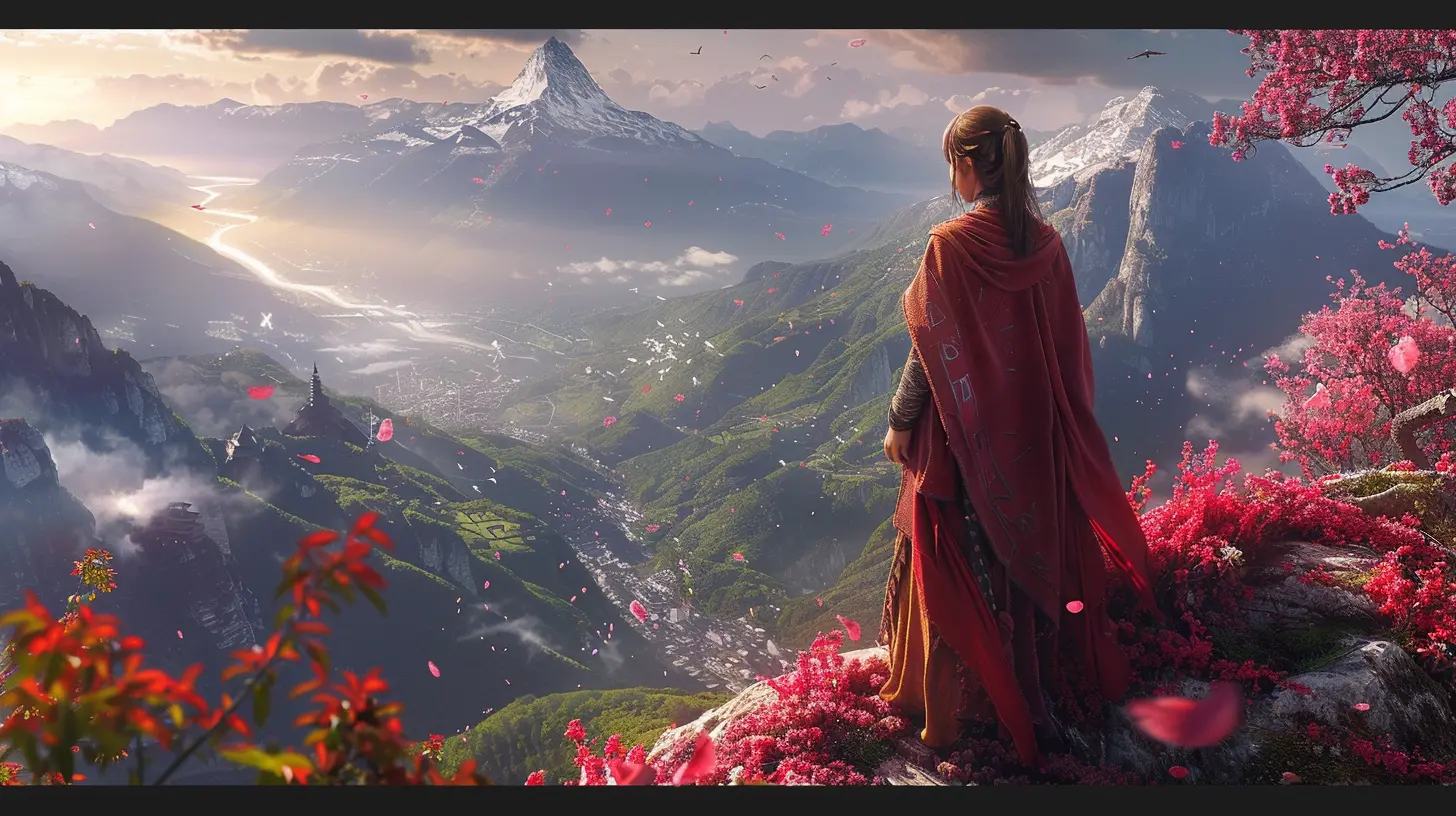
The Fusion of Gameplay and Graphics: A Match Made in Gaming Heaven
The real magic happens when gameplay and graphics aren’t just working side by side, but fully integrated. When the environment reacts to your decisions, your combat style meshes with the world’s aesthetic, and every moment feels like part of a living, breathing narrative.1. Adaptive Environments
In Horizon Forbidden West, gameplay blends with vibrant environments. The lush jungles aren’t just scenery—they’re climbing walls, hiding spots, and combat playgrounds. Reviewers were blown away by how the game felt dynamic and alive.2. Cinematic Camera Work
Games like God of War Ragnarök use a single, unbroken camera shot throughout the entire game. This isn't just a gimmick—it creates an uninterrupted, movie-like flow that pulls you in. Critics loved how this technique kept them emotionally and visually engaged.3. Emotive Facial Animation
Ever noticed how much more invested you are when a character’s face looks real enough to show subtle emotions? In titles like The Callisto Protocol and Detroit: Become Human, graphics elevate the drama, making you feel every smirk, flinch, or tear.Critics’ Favorite Games That Crush It On Both Fronts
Let’s name names. Here are the top titles that media outlets and influencers are putting on a pedestal for both gameplay and graphics.? Elden Ring
- Praise For: Deep mechanics, open-world exploration, visual storytelling- Critics Say: “A genre-defining experience. Every inch of its world has purpose and mystery.”
? God of War Ragnarök
- Praise For: Seamless camera work, emotional story, refined combat- Critics Say: “A masterclass in blending combat and cinema. Stunning in motion.”
? Hogwarts Legacy
- Praise For: Magical world-building, interactive environments, beautiful spell animations- Critics Say: "Finally, a game that lets you live out your wizarding world fantasies without disappointment."
? Alan Wake 2
- Praise For: Next-gen graphics, immersive lighting, suspenseful pacing- Critics Say: "Visually revolutionary. You don’t play Alan Wake—you live it."
? Cyberpunk 2077 (Phantom Liberty DLC)
- Praise For: Refined mechanics, stunning cityscapes, emotionally driven quests- Critics Say: “The comeback story of the decade. Now it’s the game it always wanted to be.”
What's Behind the Curtain? The Tech Powering the Praise
It's not just about clever design—there's serious tech involved. Critics have been geeking out over the software and hardware magic that makes these experiences possible.- Unreal Engine 5: Lighting, environmental detail, and physics have all gotten a massive upgrade.
- Ray Tracing: Real-time reflection, shadows, and light behavior deliver realism like never before.
- DLSS & FidelityFX: Allow lower-end systems to experience higher-end visuals without losing performance.
- AI-Powered Animations: Facial expressions and motion capture are now so detailed it’s spooky.
These tools have redefined what’s possible and are blurring the line between movies and games in the best way.
The Future Is Even Brighter (And Better Looking)
So, what’s next? Honestly, we’re just getting started. With breakthroughs like photogrammetry (real-world scans turned into game assets), VR integration, and cloud rendering, expect even more insane levels of realism and interactivity.Imagine this: a fully explorable open world where every NPC has a daily routine, the weather affects your gameplay in real time, and your choices stick with you across sequels. Yep, we’re heading there.
Critics are hyped not just because of what these games are now, but what they signal for the future. The bar is set high—and it keeps rising.
Final Thoughts: Why the Praise Is Well-Deserved
Let’s sum it up—games are evolving into a holistic experience. It’s no longer just about killing time. The best titles today are crafted like a fine meal—with gameplay as the flavor and graphics as the presentation.Critics are throwing around high scores and glowing reviews not just because games look good or play well—but because they do both, seamlessly. When visuals scream quality and gameplay feels like second nature, you've got something truly special.
If you’ve ever found yourself lost in a game and thought, “Wow… this is art,” you’re not alone. Welcome to the golden age of gaming.
all images in this post were generated using AI tools
Category:
Game Reviews RoundupAuthor:

Francesca West
Discussion
rate this article
2 comments
Pilar McKinnon
This game raises the bar with its stunning visuals and immersive gameplay. Critics are right to sing its praises. Prepare for a gaming experience like no other!
September 19, 2026 at 2:38 AM
Francesca West
I completely agree. The visuals and gameplay truly elevate the experience, making it a standout in the gaming world.
Odessa Gill
While praise for gameplay and graphics is abundant, let's not overlook underlying design flaws that persist.
June 14, 2026 at 4:20 PM
Francesca West
You make a valid point. It's essential to recognize those design flaws even amid all the praise. Balance is key in any review.