Why Some Games Get Season Passes Right (And Others Don’t)
22 December 2025
Season passes have become a staple in the gaming industry, promising additional content for players while offering a continuous revenue stream for developers and publishers. However, not all season passes are created equal. While some games execute them brilliantly, creating excitement and delivering value, others leave players feeling ripped off. So, what makes the difference? Let’s break it down.
What Are Season Passes in Gaming?
Before we dive into why some succeed and others fail, let’s make sure we’re on the same page. A season pass, in gaming terms, is a bundle offering access to post-launch content—things like new maps, skins, story expansions, or even in-game currencies. Players pay a one-time fee upfront for this "pass" to access extra goodies throughout a game’s "season" (which can last anywhere from a few months to a year).It sounds like a dream deal, right? You pay once, and it’s like unlocking a treasure chest of future updates. But here’s the kicker: whether you feel like you're getting gold or fool’s gold depends entirely on how developers handle it.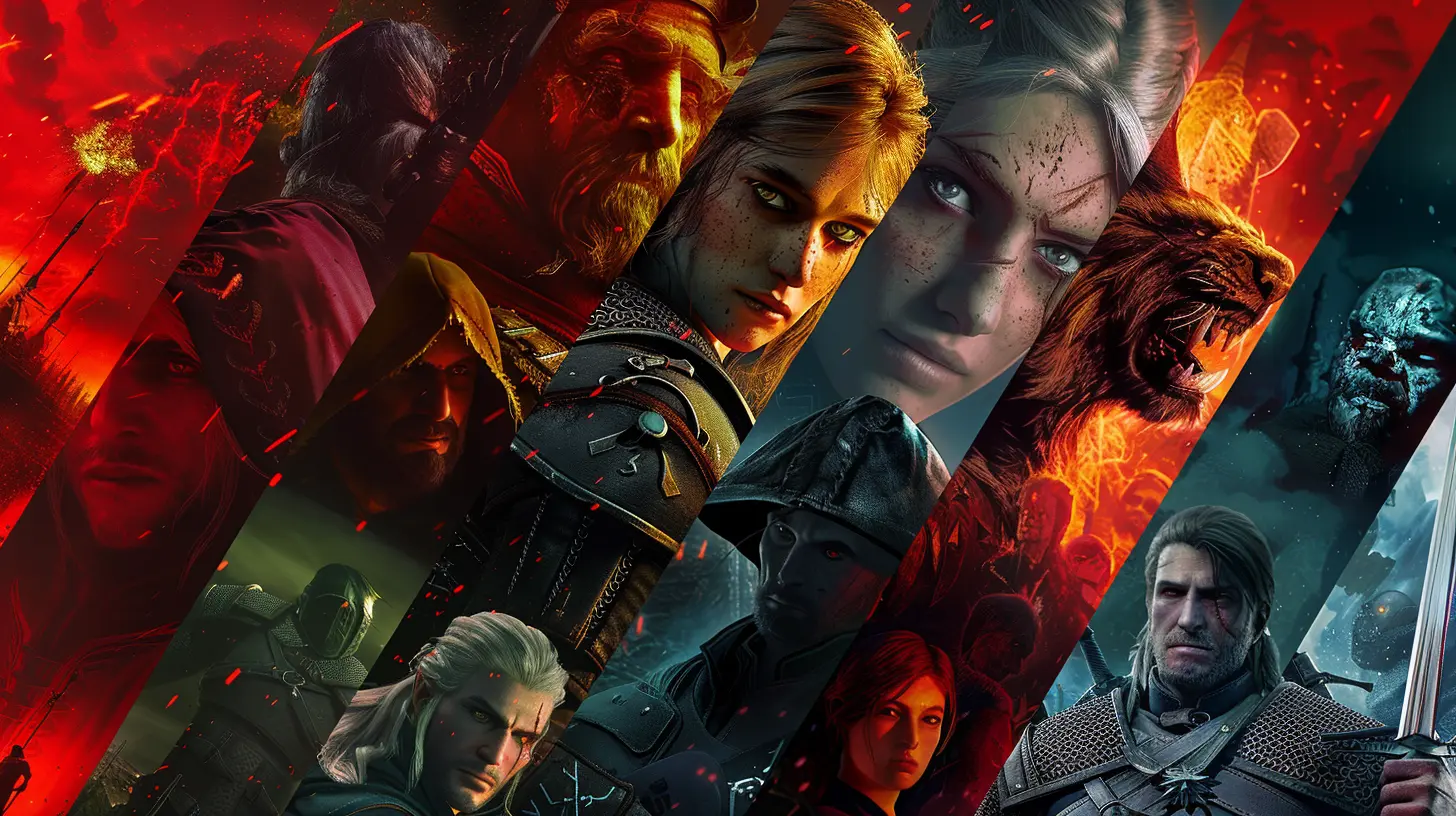
Why Some Games Nail Their Season Passes
1. They Offer Real Value for the Price
Let’s face it. Gamers are savvy and know the worth of their hard-earned cash. Successful season passes deliver content that feels worth every penny—or better yet, exceeds expectations. A great example? The Witcher 3: Wild Hunt. CD Projekt Red didn’t just phone it in. Their season pass included two massive expansions, Hearts of Stone and Blood and Wine, which felt like full games in themselves. Nobody questioned the value because the content was rich, the quality was superb, and the playtime was generous.Compare that with some games that slap together a couple of mediocre skins and call it a day. That’s like paying for a buffet only to find out it’s just a plate of saltines. No one wants that.
2. Transparency Is Key
Another crucial factor is transparency. Gamers like to know what they’re signing up for. A roadmap that lays out upcoming content helps build trust and hype. Take Fortnite, for example. Epic Games does an excellent job of letting players know what’s coming next in their Battle Pass. They set clear expectations, and they deliver.On the other hand, when developers remain vague about what’s included in a season pass, it feels sketchy. It’s like buying a mystery box labeled "Awesome Stuff Inside," only to open it and find socks. Sure, maybe they’re nice socks, but that’s not what you signed up for.
3. Timely Updates Keep the Momentum Going
Timing matters. Great season passes keep the updates flowing steadily. No ridiculous gaps. No radio silence. Players shouldn’t feel like they’re waiting for eternity. Games like Destiny 2 deserve props here. Bungie has a knack for delivering regular content drops through their seasonal model. Even if you’re not a hardcore fan, you can’t deny they keep the calendar busy.On the flip side, some games treat their season passes like an afterthought. They promise content "later," but that "later" keeps getting pushed back. By the time it finally arrives, most players have already moved on to something else. Talk about wasted potential.
4. Meaningful Content Keeps Players Engaged
At the end of the day, what players want from a season pass is content that matters. New maps? Fantastic. Story expansions? Count me in. Cosmetic items? Sure, as long as they’re creative and not just palette swaps. But if the content feels like filler, it’s game over.Look at Mario Kart 8 Deluxe’s Booster Course Pass. Nintendo didn’t just dump tracks willy-nilly. They carefully curated and remastered classic courses, throwing in some new ones for good measure. Each update felt like a celebration of the game’s history, and fans appreciated the effort.
Now compare that with a game that only offers a smattering of uninspired skins. It’s like being promised a five-course meal and getting served a single crouton.
Why Some Games Miss the Mark
1. It Feels Like a Cash Grab
Ah, the dreaded cash grab. Nothing sours a season pass faster than feeling like it was designed purely to squeeze more money out of players. When content feels rushed, incomplete, or overpriced, players see right through it. And trust me, gamers talk. The word spreads like wildfire.One infamous example is Star Wars Battlefront II (2017). Although EA eventually fixed its loot box and pay-to-win issues, the initial rollout left a bad taste in everyone’s mouth. The monetization model felt exploitative, and the season pass didn’t help matters. It’s a cautionary tale that still haunts the industry.
2. Overpromising and Underdelivering
It’s one thing to set high expectations. It’s another to fail spectacularly at meeting them. Remember the backlash against Anthem? BioWare laid out an ambitious roadmap for its live-service model, but delays and cancellations left players feeling betrayed. When a game’s season pass falls short on promises, it’s hard to recover.It’s like buying tickets to a concert only to find out the band canceled and the opening act is someone playing the recorder. Sure, it’s technically music, but it’s not what you signed up for.
3. Lack of Player-Centric Design
The best season passes are designed with players in mind. They respect players’ time and money. When a season pass feels like it’s more about padding profits than enriching the gaming experience, it’s a failure.Take Call of Duty: Modern Warfare (2019) for instance. Infinity Ward ditched the paid season pass model in favor of a battle pass with free content updates. This move signaled a shift toward valuing players rather than nickel-and-diming them. Players noticed—and responded positively.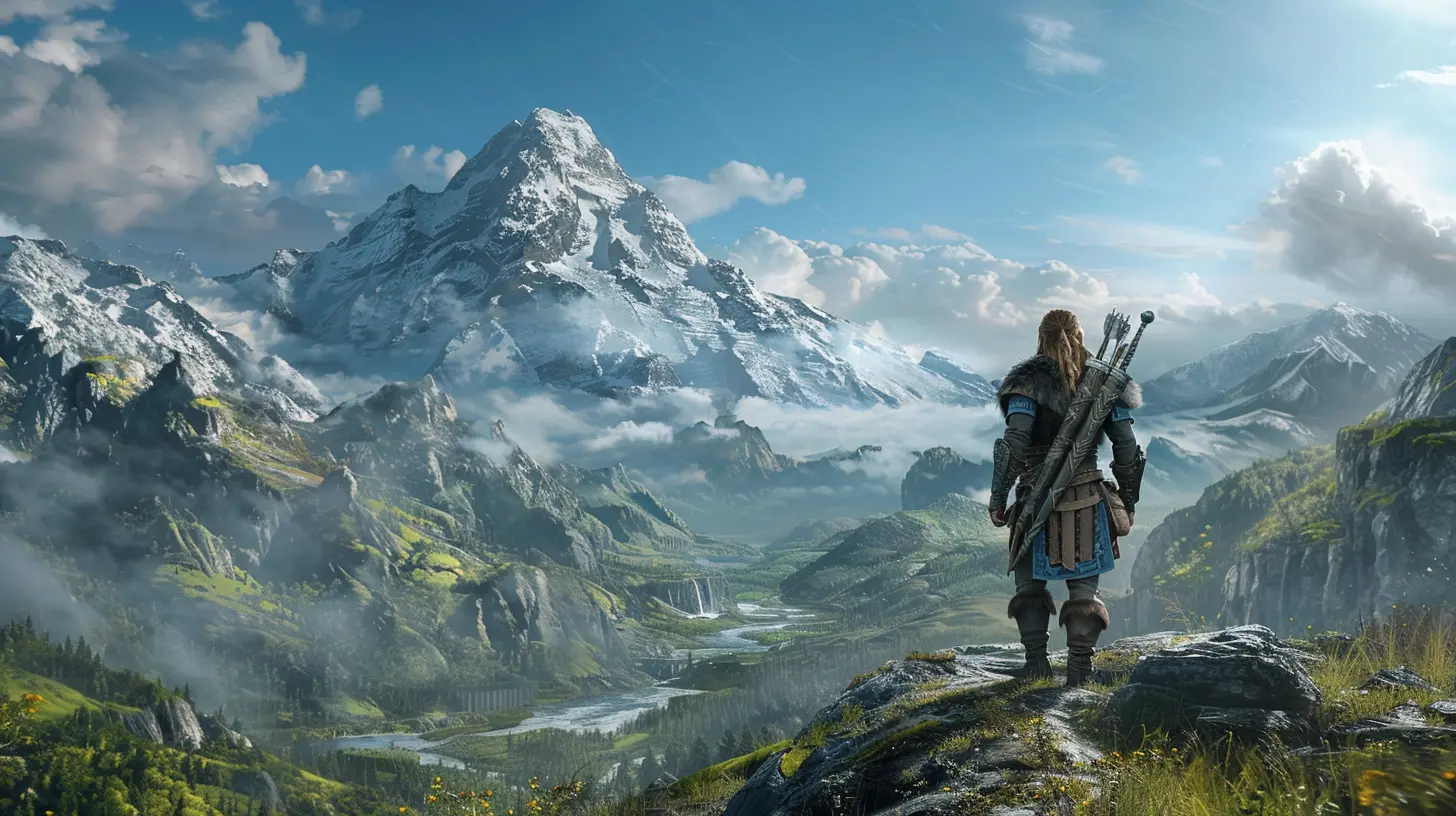
Striking a Balance Between Monetization and Player Satisfaction
Season passes aren’t inherently good or bad. At their core, they’re a tool—a way for developers to fund ongoing support while giving players reasons to stick around. But like any tool, their success depends on how they’re used. The best season passes hit the sweet spot between monetization and player satisfaction.Here’s the golden rule: Respect your audience. Gamers are passionate, vocal, and incredibly perceptive. If a season pass feels like a love letter to the community, players will embrace it. If it feels like a cash-grab ransom note, they’ll walk away—and probably tweet about it.
So, Why Do Some Games Get Season Passes Right?
It boils down to a mix of factors: delivering real value, staying transparent, updating regularly, and offering content that’s meaningful. The developers who "get it" are those who treat players as partners, not just wallets. On the flip side, the ones who fumble are often more focused on short-term profit than long-term engagement.As gamers, we’ve seen the highs and the lows—season passes that wow us and ones that make us roll our eyes. But one thing’s for sure: when a game gets it right, it creates a buzz that’s hard to beat.
So here’s a question for you: What’s the best or worst season pass you’ve ever bought? Let’s hear it in the comments!
all images in this post were generated using AI tools
Category:
Season PassesAuthor:

Francesca West
Discussion
rate this article
2 comments
Celeste Roth
Season passes: the gaming equivalent of buying a fancy car, only to find out it doesn’t come with an engine. Oops!
January 11, 2026 at 3:25 PM
Francesca West
That's a great analogy! Season passes can indeed feel incomplete if the content doesn’t deliver. The key is ensuring value and engagement for players.
Aelith Hayes
Great insights! It's fascinating how season passes can enhance or hinder the gaming experience. Understanding what works and what doesn't helps both developers and players appreciate the art of game design. Keep it up!
December 22, 2025 at 4:23 AM
Francesca West
Thank you! I'm glad you found it insightful. Season passes can indeed make a big difference in player experience and game design. Your feedback is much appreciated!