Why Metroid Still Matters in Today’s Gaming Scene
15 May 2026
Metroid may have started way back in the pixelated days of the NES, but guess what? It’s still rocking the gaming world like a space-faring bounty hunter with a mission. Even in a sea of fast-paced shooters, open-world RPGs, and battle royales, the Metroid series stands tall — and honestly, it’s more relevant than ever.
Let’s take a deep dive into why Metroid hasn’t just survived the test of time but continues to shape modern gaming. Spoiler: It’s not all about nostalgia.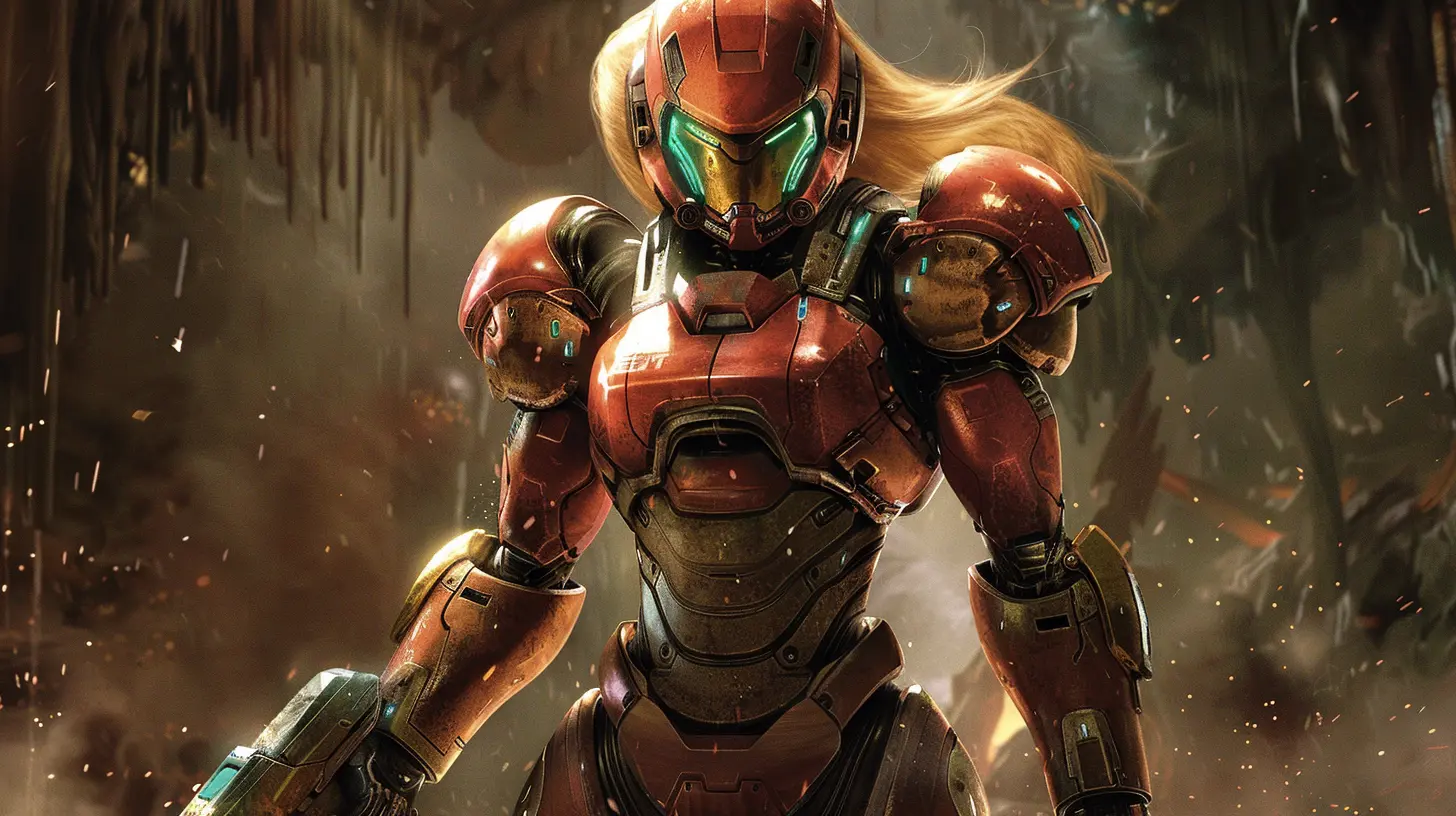
A Legacy That Shaped a Genre
Before we get too cozy, let’s get something straight: Metroid didn’t just inspire a genre — it helped create one. If you’ve ever heard the term “Metroidvania,” then you already know this series is half the reason that genre exists.What Exactly Is a Metroidvania?
The term comes from combining “Metroid” and “Castlevania.” These games are known for their sprawling, interconnected maps, backtracking with new abilities, and exploration-based gameplay. Sounds familiar, right? That’s because tons of modern games borrow this formula. Hollow Knight, Ori and the Blind Forest, Dead Cells — thank Samus Aran for all of them.Sure, Metroid may not release as frequently as other big-name franchises, but every time it does, the gaming world listens. Why? Because it reminds everyone what real game design mastery looks like.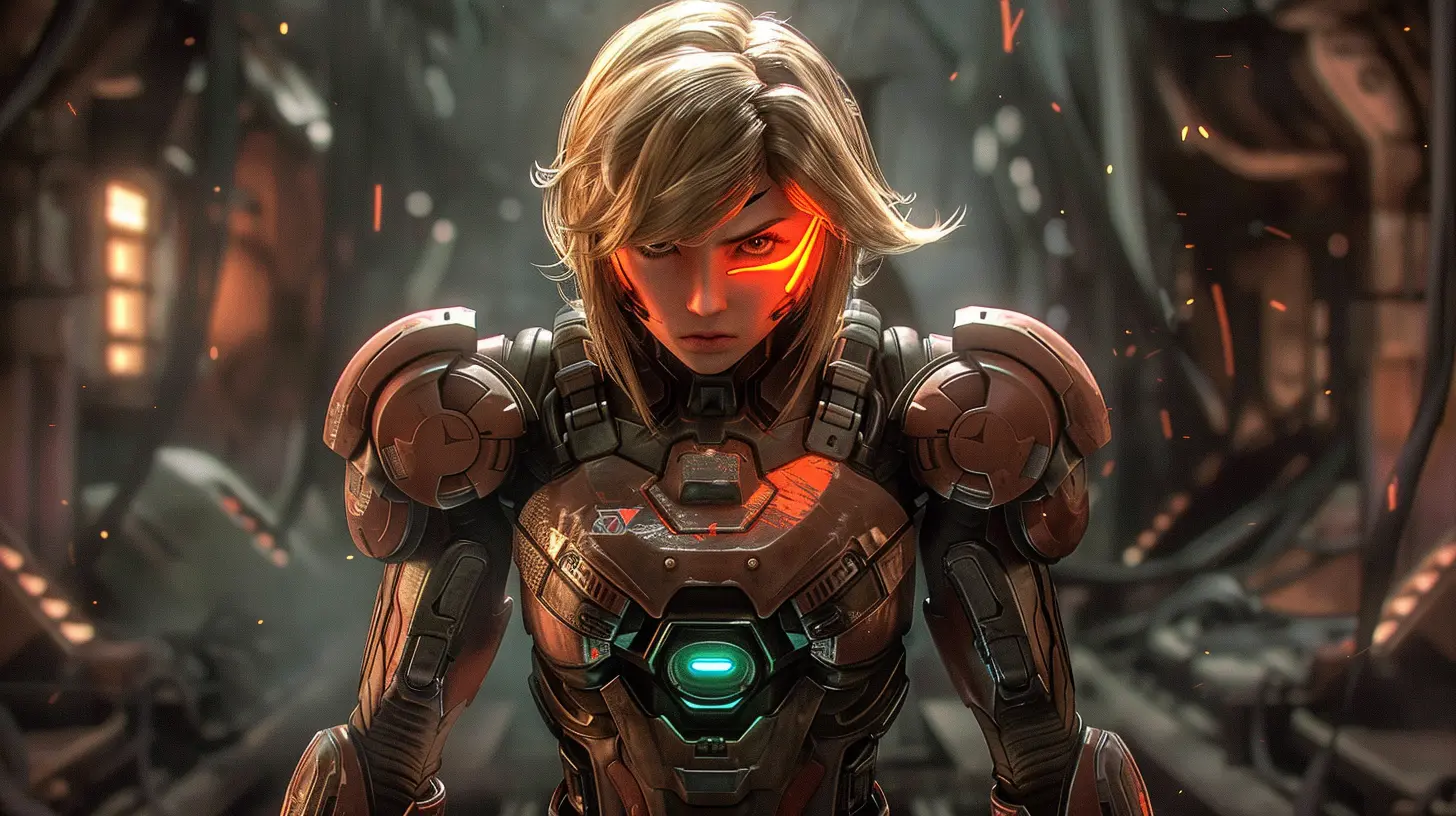
The Mystery and Atmosphere Are Still Unmatched
Most games these days tell you everything. Flashing arrows, mini-maps, quest logs... it’s spoon-feeding central. But Metroid? It lets you figure things out. You’ve got to pay attention, trust your instincts, and sometimes — gasp — get lost.Silence Speaks Louder Than Dialogue
One of the coolest things about Metroid is the atmosphere. It doesn’t bombard you with exposition or chatter. Instead, it creates a sense of isolation that’s downright haunting. The eerie music, the abandoned worlds, the minimal dialogue — it all paints a picture without needing to say a word.This kind of storytelling by design isn’t just smart — it’s rare. And it’s a huge reason why Metroid still feels so unique.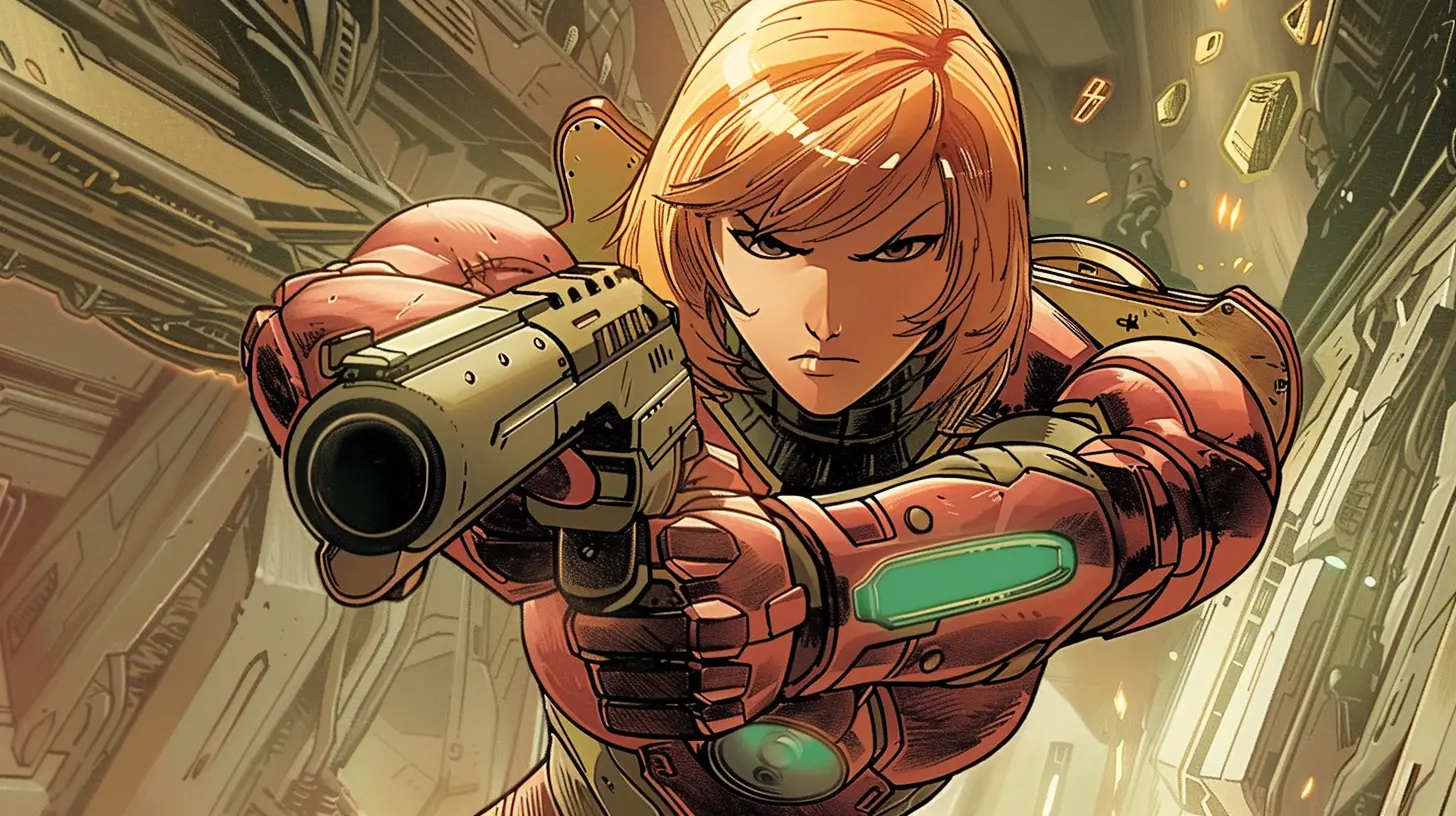
Samus Aran: A Timeless Icon
You can’t talk Metroid without giving a shoutout to the galaxy’s most badass bounty hunter: Samus Aran. She was breaking gender stereotypes back when most video games were still stuck in macho mode.A Female Protagonist From the Beginning
Back in 1986, gamers were shocked when they completed the original Metroid and discovered Samus was a woman. That kind of twist was unheard of then. But more importantly, it wasn’t just a gimmick. Samus was (and still is) a nuanced, powerful, and independent character who didn’t need saving — she was the one doing the saving.In an industry still struggling with diversity, Samus remains a symbol of progress.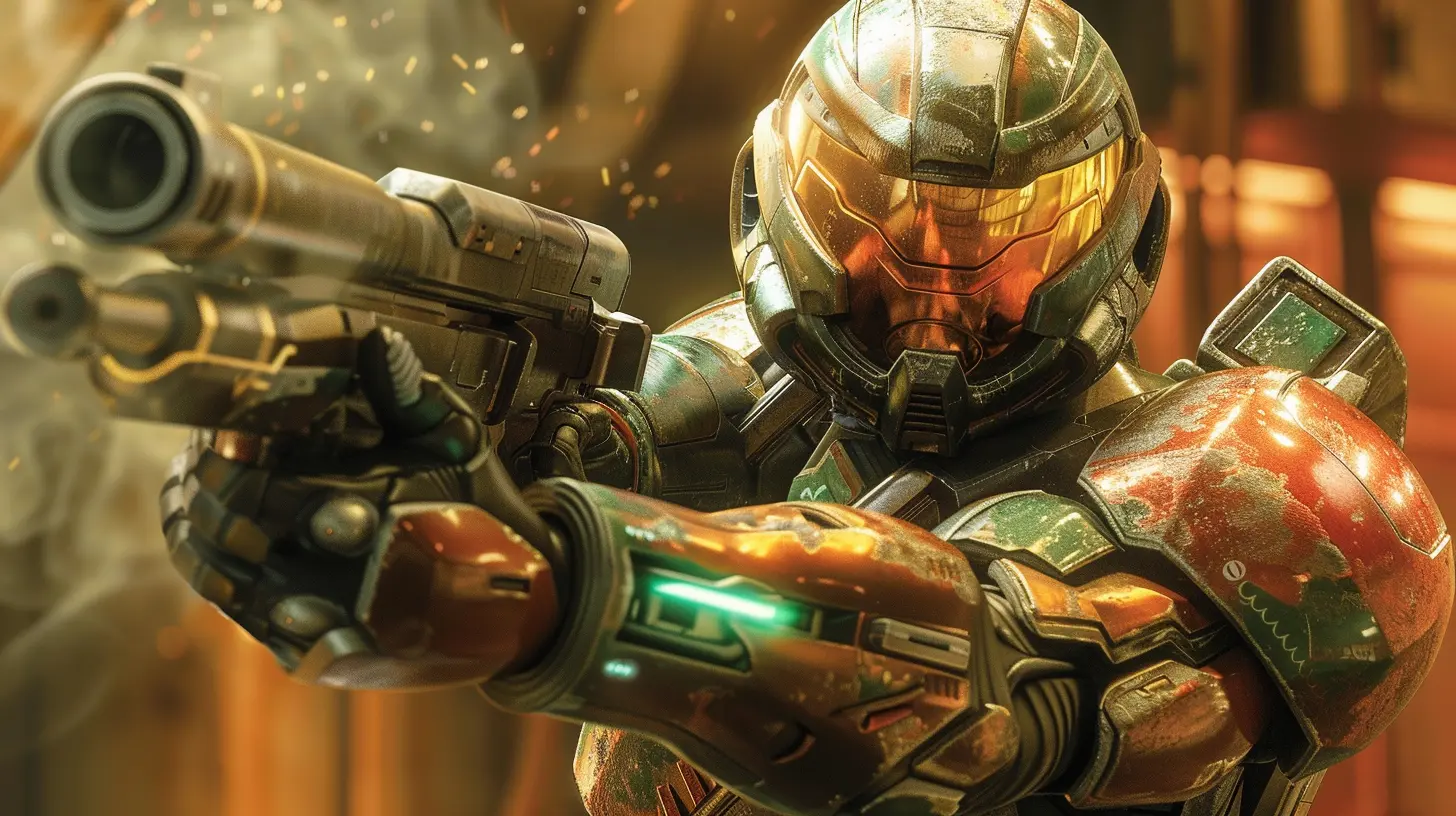
Game Design That Still Feels Fresh
Want the perfect balance of combat, exploration, and puzzle-solving? Metroid nails it. Even decades after its debut, the gameplay loop of unlocking new gear to access new areas never gets old.Replayability with Purpose
Every Metroid game begs to be replayed. Whether it's for speedrunning, uncovering hidden secrets, or simply soaking in the vibes, these games keep calling you back. And with titles like Metroid Dread introducing quality-of-life improvements while keeping the core formula intact, there’s never been a better time to jump in.Or jump back in.
Metroid Dread Proved There's Still Fire in the Tank
If you thought Metroid was a fossilized relic of the past, Metroid Dread probably surprised you. Released in 2021 after years of fan anticipation (and doubt), it turned out to be one of the highest-rated games that year.Critics and Fans Alike Ate It Up
Dread hit that sweet spot. It was nostalgic but not stuck in the past. Modern, but not bloated. Fast-paced, intense, and deeply satisfying — it struck a nerve with long-time fans and pulled in a whole new generation of players.That’s saying a lot for a side-scrolling action-platformer released in the age of 4K photorealistic open worlds.
Influence on Indie Developers
If you’re into indie games — and who isn’t these days? — you’ve probably played something with Metroid’s fingerprints all over it.Games Built on Metroid’s Blueprint
Let’s name-drop: Axiom Verge, Hollow Knight, Salt and Sanctuary, Dead Cells, Blasphemous... these wouldn’t exist (at least not in their current forms) without Metroid’s DNA. The structure, the tone, the upgrades, and even the music cues — it's all inspired by that lonely trek through Planet Zebes or SR388.And here's the kicker: these indie titles, in turn, breathe new life back into the genre and keep Metroid’s legacy alive and evolving.
It’s Not About Flash — It’s About Feel
Let’s be honest. Metroid doesn’t always have the biggest marketing campaign. It doesn’t always push graphical boundaries. What it does push is emotion and experience. Every Metroid game has that moment — when you're out of missiles, low on health, the music gets tense, and you're surrounded. That’s pressure. That’s gameplay that makes your palms sweat.Immersion Over Information Overload
Unlike many modern titles that overload the screen with HUD elements and mission markers, Metroid thrives on minimalism. It immerses you by pulling you in — not pushing data at you. In today’s noisy gaming environment, that kind of simplicity feels revolutionary.Nintendo’s Secret Weapon — When They Choose to Use It
Let’s face it: Nintendo doesn't release Metroid games as often as fans would like. But when it does, it’s usually worth the wait. The company knows the value of the franchise, even if it treats it a bit like a side project next to Mario and Zelda.A Cult Classic That Refuses to Die
Despite inconsistent releases, Metroid has grown a fiercely loyal fanbase. These aren't just fans — they're evangelists. They run fan sites, make mods, create speedrun communities, and keep the hype alive even during the series’ quiet years.It’s a testament to how impactful the games are. People don’t just like Metroid — they live it.
Metroid Isn’t Trying to Fit In — And That’s the Point
In a world where franchises are constantly chasing trends (loot boxes, NFTs, massive open worlds for no reason), Metroid stays in its lane. And guess what? That’s what makes it timeless.It’s Not Trendy — It’s Timeless
Metroid isn’t about constant evolution or reinvention. It’s about refining what already works. It’s like a vintage muscle car — it might not have Bluetooth integration or a touchscreen dashboard, but fire it up, and it’ll still win the race.In fact, its refusal to chase modern gaming trends might just be what keeps it relevant. Weird, right?
The Future Looks Bright (and Mysterious)
We’ve got Metroid Prime 4 on the horizon. It’s been a long road, filled with delays, restarts, and radio silence. But the anticipation only proves one thing — people care.Prime Potential for the Next Generation
With each new console cycle, there’s hope that Metroid will finally get the consistent love it deserves. The Prime series is especially ripe for a comeback; its blend of first-person action with Metroid-style exploration still feels unique, even after all these years.All Nintendo has to do is not screw it up. Easy, right?
Final Thoughts: Why Metroid Still Matters
Metroid may not be the loudest voice in today’s gaming world, but it doesn’t have to be. It leads through design, atmosphere, and influence — not noise. It’s the kind of game that sticks with you, not because it told you what to think, but because it made you figure it out yourself.Whether you’re a series veteran or a curious newcomer, Metroid has something for everyone — except maybe people who hate getting lost (but even they end up fans).
In an industry chasing trends, Metroid reminds us of the power of sticking to your guns — or in this case, your Arm Cannon.
all images in this post were generated using AI tools
Category:
Nintendo GamesAuthor:

Francesca West
Discussion
rate this article
2 comments
Molly McCray
Metroid's blend of exploration and storytelling continues to resonate, reminding players of the thrill in discovering secrets and the joy of immersive worlds. It's timeless.
August 16, 2026 at 4:09 PM
Francesca West
Absolutely, the way Metroid intertwines exploration and narrative creates an experience that's truly unique and unforgettable. Its impact is still felt today.
Fletcher Sawyer
Metroid's influence shapes game design.
May 17, 2026 at 4:37 AM
Francesca West
Absolutely, Metroid set a standard for exploration and atmosphere that many games still strive to achieve today. Its legacy influences design choices across genres.