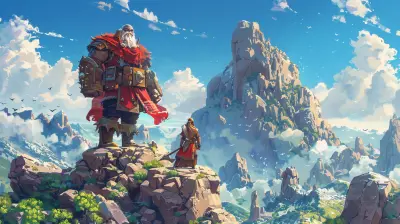
What Makes Nintendo’s Storytelling So Captivating
10 September 2026
Ever wondered why Nintendo games stick in your memory long after the credits roll? I mean, it’s not just about stomping Goombas or catching Pikachu. There’s something deeper going on — something magical. Nintendo doesn’t just create games. They craft experiences that tell stories in a way that hits differently. So, what makes Nintendo’s storytelling truly captivating? Let’s dive into the heart of it.
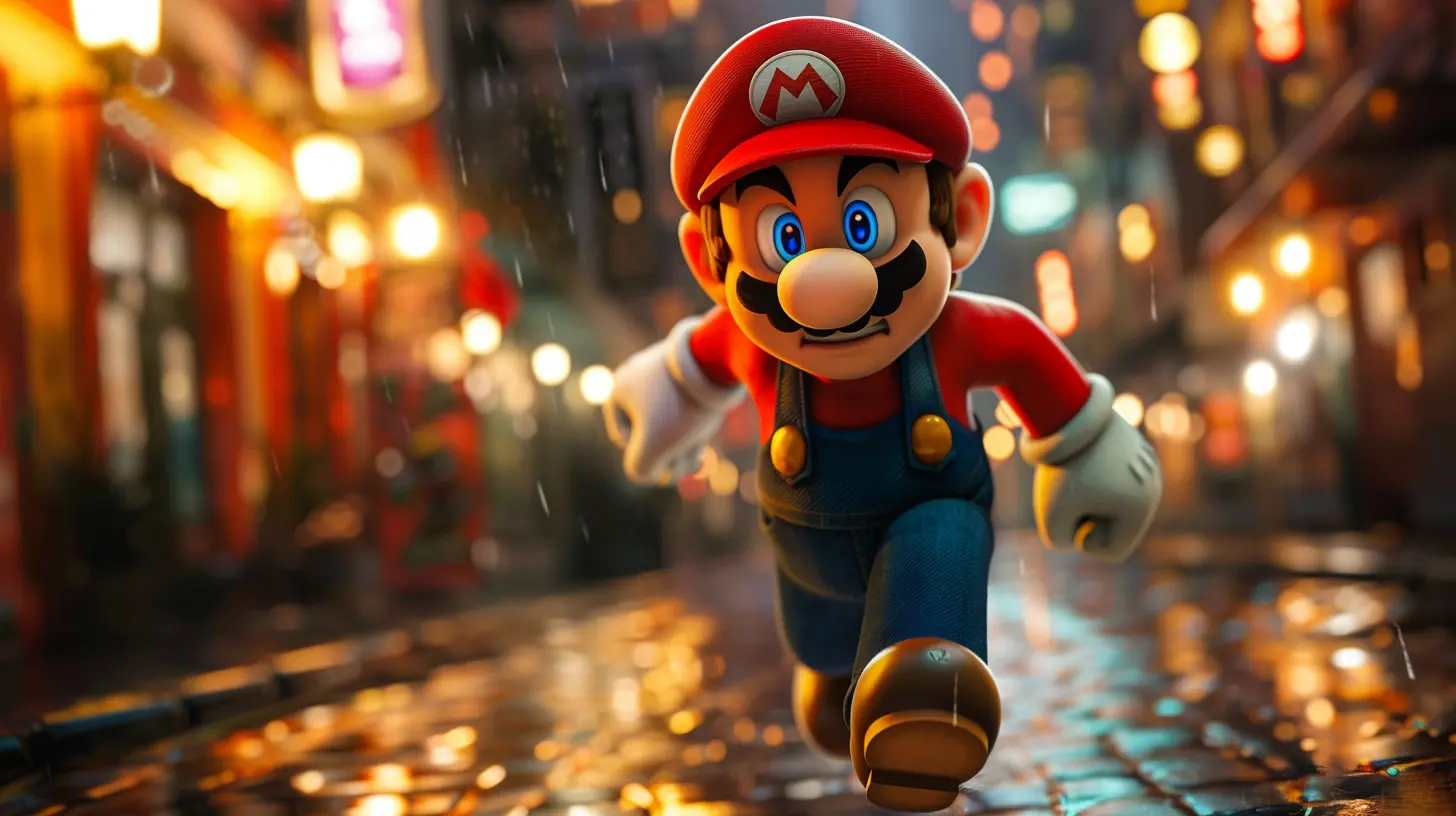
Nostalgia-Powered Magic
Nintendo knows nostalgia like an old friend. Whether you picked up your first controller as a kid or joined the ride in adulthood, Nintendo games have this uncanny ability to make you feel like a kid again — wide-eyed, curious, and ready for adventure.Built-In Emotional Bonds
Think about it: Mario rescuing Peach. Link saving Zelda. Pokémon journeys with your very first Charmander or Bulbasaur. These characters and worlds grow with us. They’re consistent, familiar, and emotionally sticky. Nintendo doesn’t just give us characters; they give us relationships. And that sense of connection? It’s storytelling gold.Revisiting and Reinventing
While other franchises reboot with excessive flash, Nintendo reinventes its classics with care. Take "The Legend of Zelda: Breath of the Wild" — it flipped the traditional Zelda formula on its head, yet somehow kept its soul intact. That’s the Nintendo magic at work: evolve without erasing the past.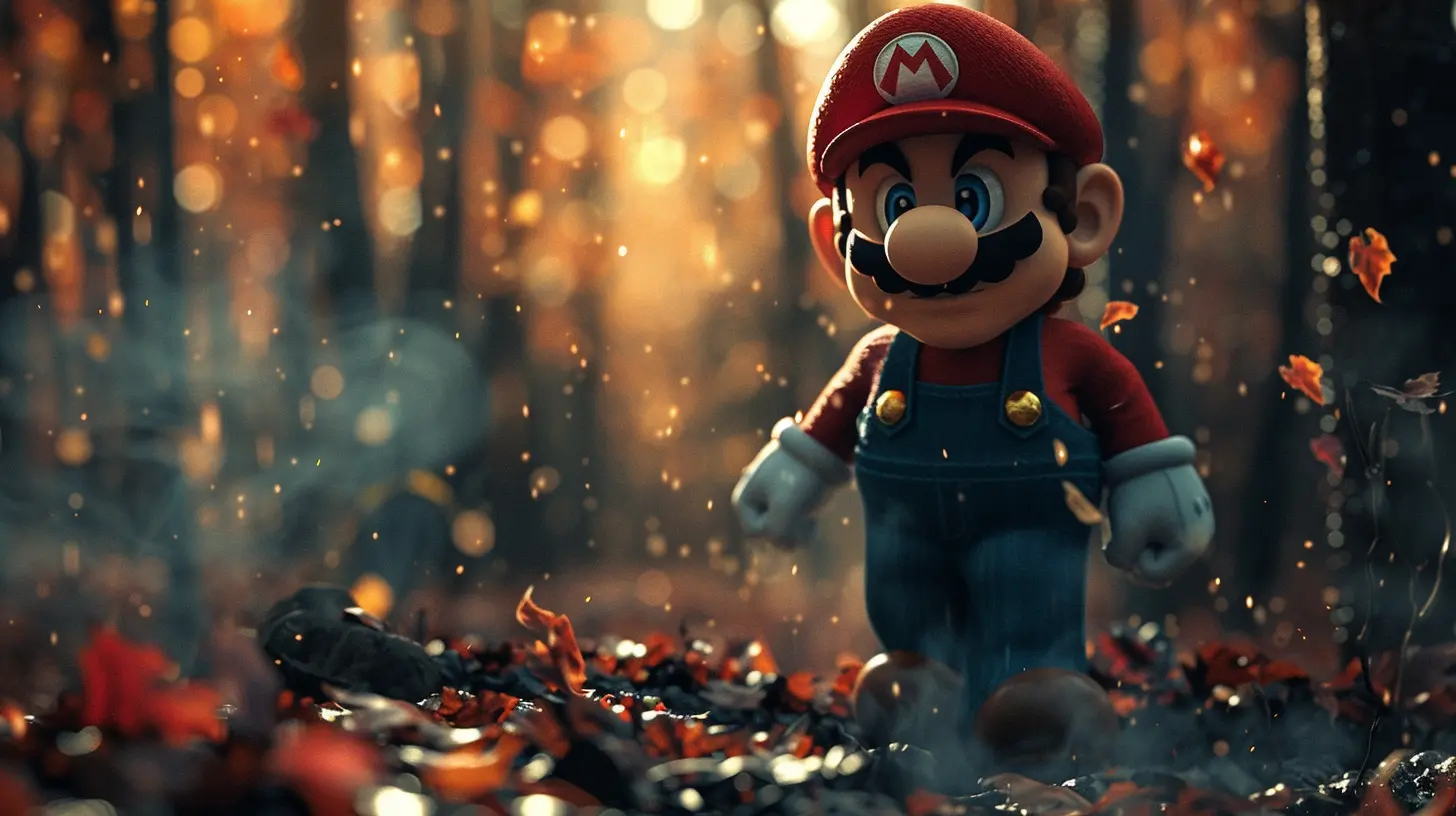
Gameplay IS the Story
You know that old writing rule, "show, don’t tell"? Nintendo nailed it long before it was cool. Instead of reading walls of text, you're living the story through gameplay.No Need for Epic Cutscenes
Where some games feel like interactive movies, Nintendo games focus on pure play. Story is embedded into the movement, the puzzles, even the tiniest environmental detail. You're not just watching Link grow into a hero — you're becoming him.Worldbuilding Through Play
Ever notice how you can often understand a Nintendo world without any dialogue? Whether it’s the eerie loneliness of “Metroid” or the cheerful vibe of “Animal Crossing,” Nintendo builds worlds that speak for themselves. You explore, interpret, and connect the dots — kind of like piecing together a puzzle with your own hands.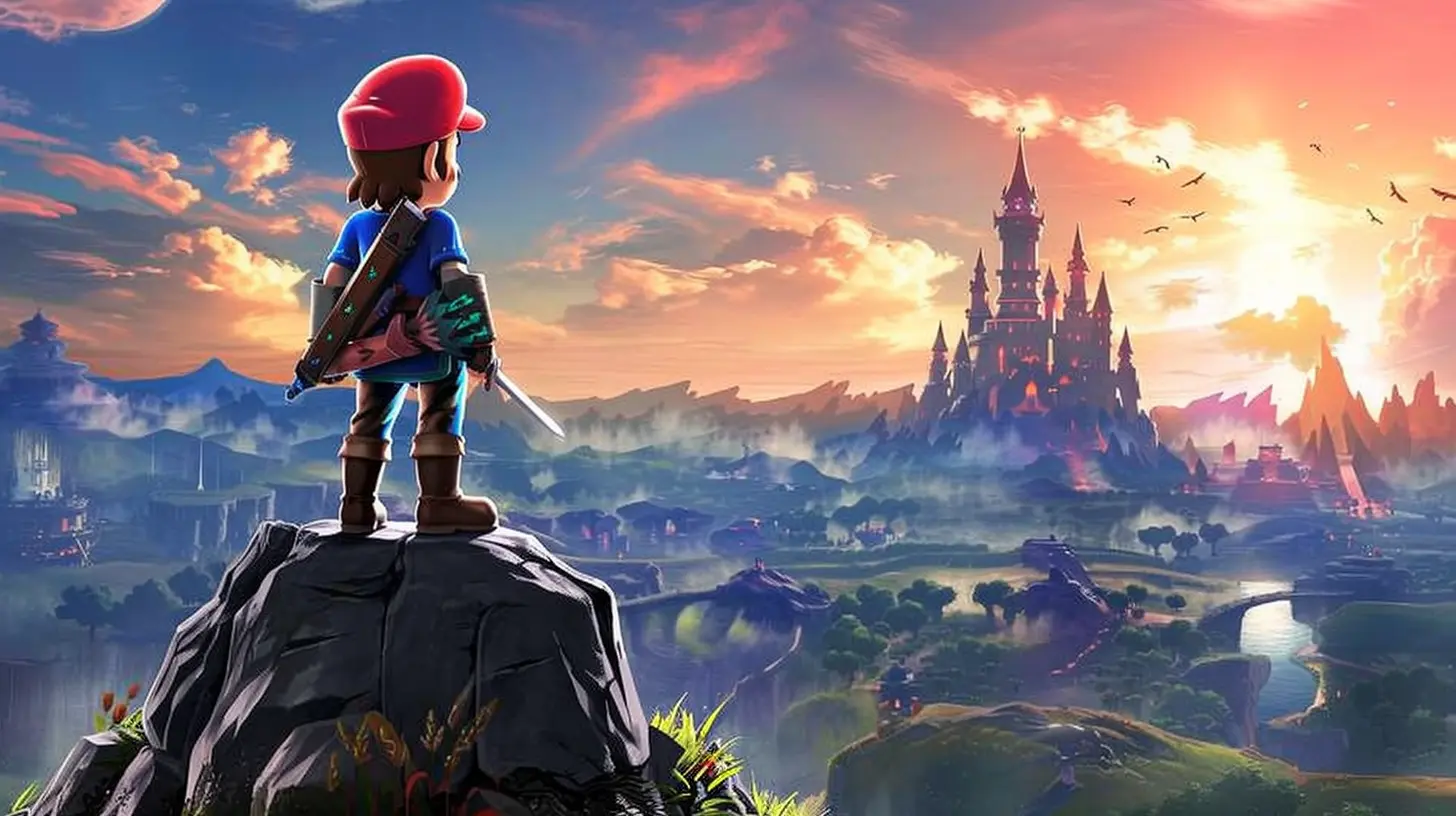
Simplicity with Depth
Nintendo doesn’t try to be edgy or overly complex. Instead, it leans into simplicity — but don’t mistake simplicity for shallowness. There’s often a surprising depth to the themes and ideas tucked neatly beneath the surface.Universal Themes
At its core, Nintendo storytelling thrives on universal values: friendship, courage, perseverance, exploration. They’re stories anyone, anywhere, at any age, can feel something from. That’s why a child and a 30-something can both enjoy Mario Kart — maybe even competing over who’s the better driver.Subtle Complexity
Let’s talk about “EarthBound.” On the surface, it’s cute and quirky. But dig a little deeper and you’ll find dark, existential themes sneaking up on you. Nintendo is a master of layering — giving seasoned gamers something to chew on while keeping things approachable for newcomers.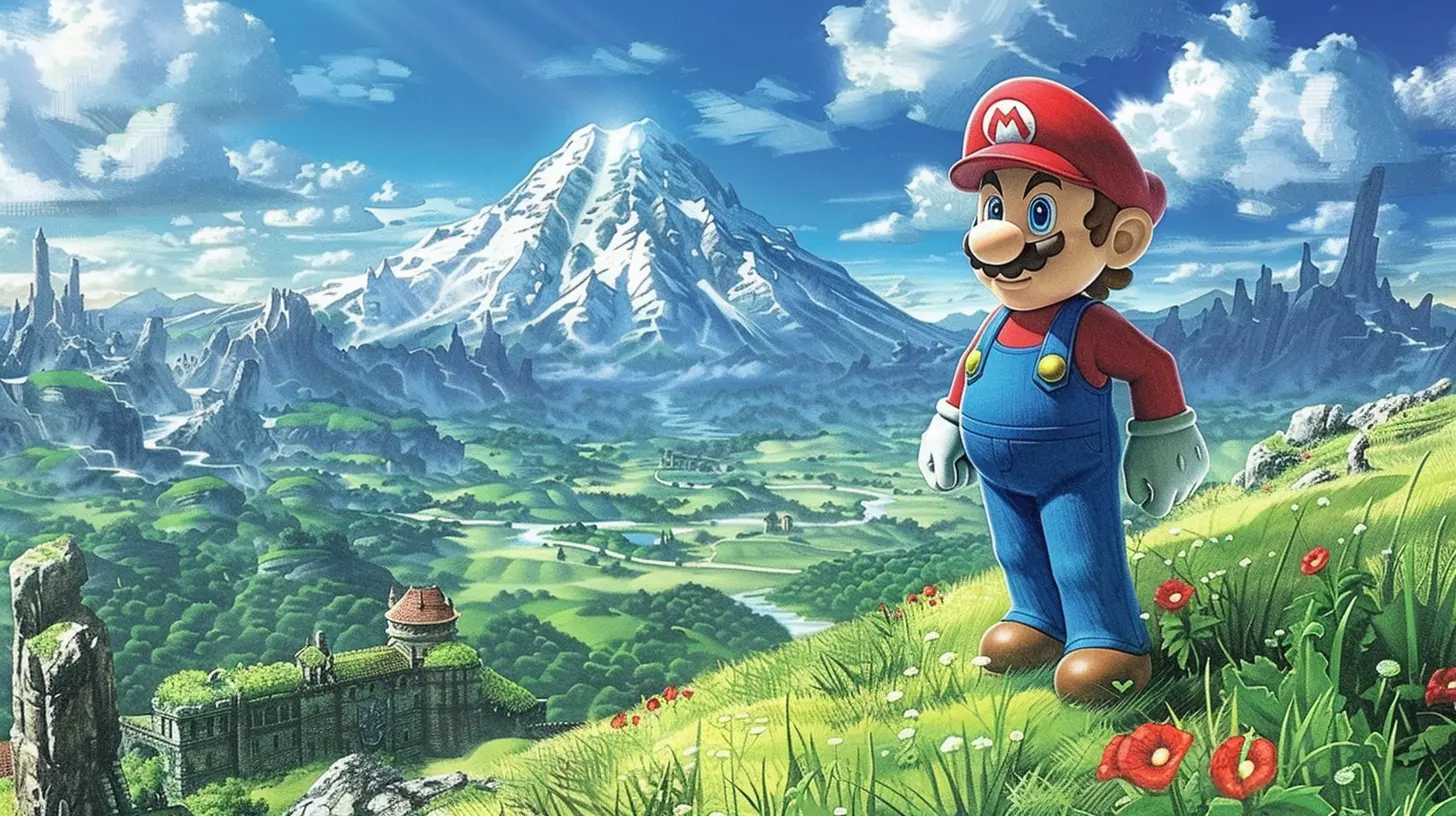
Memorable Characters That Feel Alive
Nintendo characters aren't just mascots. They're emotional anchors. Iconic doesn’t even scratch the surface when we talk about characters like Mario, Link, Samus, or even Kirby.Wordless, Yet Expressive
Many Nintendo protagonists don’t even talk. Yet somehow, they’re brimming with personality. Link’s silent resolve, Mario’s joyful hop, or Samus’s quiet strength — it's all communicated through animation, music, and clever visual storytelling.Supporting Cast That Sticks
It’s not just the heroes. Think about Isabelle from “Animal Crossing,” Bowser Jr. in “Super Mario Sunshine,” or the quirky townsfolk in “Majora’s Mask.” These characters aren’t just filler — they enrich their worlds and often leave a lasting impression of their own.Music as a Storytelling Tool
Let’s not overlook Nintendo’s masterful use of music. If you’ve ever had the Legend of Zelda theme stuck in your head for days, you know what I mean.Audio That Sparks Emotion
Nintendo uses music to not only reflect a setting but to evoke emotion. A cheerful tune in a sunny field. A haunting melody in a decrepit ruin. Changing music cues instantly tell you how to feel and where you are in the story.Leitmotifs and Character Themes
Musical motifs tied to characters or places aren't just earworms — they’re storytelling in disguise. When a familiar tune returns at a pivotal moment, it’s bigger than a song. It’s a payoff. A gut punch. A “remember this?” moment that hits you hard.
Player-Driven Narratives
Here’s something powerful: Nintendo games often leave plenty of story blanks for you to fill in. Not every detail is spelled out, and that’s by design.The Role of Imagination
You’re not just playing a story — you're co-writing it. Remember wandering the wilds in “Breath of the Wild”? The way you reached the castle, the order you tackled the Divine Beasts, the hidden places you stumbled upon — all part of your unique version of the story.Freedom to Interpret
This openness invites discussion and theory. Look at the fan theories around the “Zelda” timeline or the mystery of “Pikmin.” Nintendo leaves just enough unanswered to keep you thinking long after the game ends. That’s storytelling that lives beyond the screen.Pacing That Respects the Player
Unlike some modern titles that feel bloated or overly cinematic, Nintendo games respect your time and attention.Balanced Storytelling
Whether you’re dipping in for 20 minutes or a weekend binge, Nintendo designs its stories to adapt. The pacing is often tight and rewarding, letting the story unfold naturally through gameplay — not forced exposition.Built for Replayability
What’s more captivating than a story you want to experience again and again? Nintendo games are masters of replayability. Each run can feel different, offering new angles on the same story. It's like visiting an old friend who always has a new tale to tell.
Legacy and Cultural Impact
Nintendo doesn’t follow trends — it sets them. Its stories have become part of gaming culture. Scratch that — part of global culture.Generational Connections
Parents who grew up on NES are now gaming with their kids on the Switch. There’s a quiet beauty in sharing the same heroic tale across generations, each person experiencing it in their own way.Recognition Beyond Gaming
Mario, Zelda, Pokémon — these names are bigger than gaming now. They’re in movies, merchandise, theme parks. Very few game stories have achieved that level of cultural saturation, and it’s all thanks to how well Nintendo tells them.Storytelling Through Art Style
Nintendo games don’t go for hyper-realistic graphics, and that’s intentional. Their visual storytelling leans into stylized art that communicates mood and emotion in ways realism often can’t.Visual Identity
Each Nintendo game has a look that tells you exactly what kind of story you're stepping into. The dreamy pastels of “Kirby.” The watercolor worlds of “Yoshi’s Crafted World.” The grim surrealism of “Majora’s Mask.” These aren’t just pretty visuals — they’re storytelling tools.Accessibility Through Design
By avoiding gritty realism, Nintendo makes its stories more accessible. The art invites rather than intimidates. You feel welcomed into these worlds — not overwhelmed.
Continuity Without Confinement
Nintendo’s franchises often exist in a kind of narrative flux. The “Zelda” timeline is famously convoluted, and yet it works. Why? Because Nintendo prioritizes thematic continuity over rigid storytelling.Emphasis on Themes Over Plot
That’s a key point. It’s not about what exactly happened and when — it’s about what it meant. Every “Zelda” game is about growth, courage, and sacrifice. That emotional throughline makes each installment feel familiar and fresh at the same time.Room for Reinvention
This loose continuity allows Nintendo the freedom to reboot or remix its stories without backlash. Fans don’t mind because the essence remains. It’s like hearing a favorite song remixed in a new way — different beat, same soul.The Power of Mystery
Nintendo isn’t afraid to leave things unsaid. That’s rare in a world where games often over-explain everything.Mysterious Worlds That Beg Questions
Why is Termina’s moon so creepy in “Majora’s Mask”? What’s the real deal with the ghosts in “Luigi’s Mansion”? Nintendo games excel at sparking curiosity. And that curiosity keeps us glued.Hidden Stories and Secrets
Nintendo encourages exploration — not just in gameplay, but in narrative. Hidden rooms, cryptic messages, and easter eggs all contribute to a sense of a world that’s bigger than what’s on screen. It’s storytelling that rewards curiosity.Wrapping It Up
So, what makes Nintendo’s storytelling so captivating? It’s not one thing — it’s a beautiful blend. It’s the nostalgia that pulls you in, the gameplay that guides you through, and the emotional threads that tie it all together. Nintendo respects its players’ intelligence, their imagination, and most importantly, their hearts.Nintendo doesn’t just tell stories — it invites you to live them.
all images in this post were generated using AI tools
Category:
Nintendo GamesAuthor:

Francesca West
Discussion
rate this article
1 comments
Raven McAdams
Nintendo masters storytelling by blending charming characters with imaginative worlds. Their ability to evoke emotion through interactive narratives keeps players engaged. Each game feels like a unique journey, making you care deeply about the characters and their adventures.
September 30, 2026 at 4:36 AM
Francesca West
Absolutely! Nintendo's knack for combining relatable characters with rich, imaginative worlds truly sets their storytelling apart. Each journey feels personal, drawing players into emotional experiences that resonate long after the game ends.