What Indie Developers Can Learn from Nintendo’s Design Philosophy
16 September 2026
Let’s face it—when you think of video game royalty, one name comes to mind: Nintendo. They’ve been shaping the industry for decades, delivering unforgettable experiences from the joy of jumping on Goombas in Super Mario to the puzzling depths of The Legend of Zelda. But here’s the kicker: you don’t need a billion-dollar budget or a team of hundreds to weave magic like Nintendo.
In fact, indie developers can learn a boatload from Nintendo’s game design philosophy. It’s not just about flashy graphics or massive open worlds—it’s about heart, creativity, and thoughtful design. Let’s dive into the goldmine of lessons Nintendo has been teaching us for years, and how indie devs can take those lessons to the next level.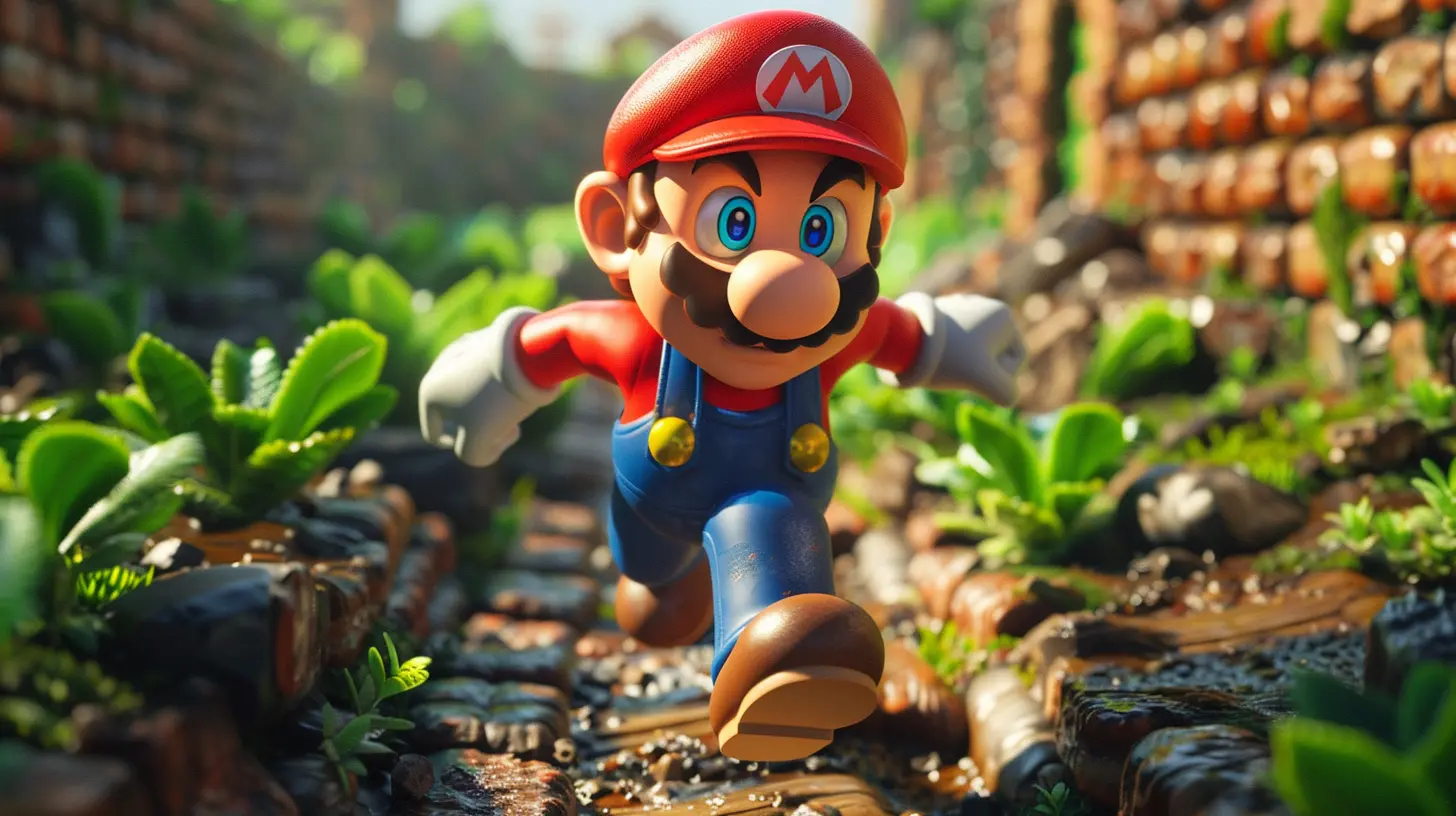
1. Gameplay First, Flashiness Later
Nintendo has always had this rule: gameplay is king. Before anything else—before the storyline, before the graphics—they ask, “Is it fun to play?”Think about “Super Mario Bros.” The graphics? Simple. The story? Save the princess (again!). But the gameplay? Pure, unfiltered joy.
As an indie developer, it’s tempting to compete with AAA graphics or mimic big open-world narratives. But guess what? Players notice how a game feels way before they notice how it looks. Stick to tight, polished mechanics. If jumping, fighting, or solving puzzles feels fun from the start—you’re winning.
Pro Tip:
Focus on a single mechanic and polish it to perfection. Think “Celeste” or “Undertale.” One standout idea, executed well, can be more memorable than a 100-hour game with mediocre mechanics.
2. Simplicity Doesn’t Mean Shallow
You know how Nintendo makes complex experiences out of simple ideas? That’s design genius. “Tetris 99” is literally just Tetris + a battle royale concept. “Animal Crossing”? A game about doing chores—and yet it's a global hit!They embrace simplicity and build depth around it. It's like making a gourmet meal with just a few ingredients.
Indie devs, you don’t need to reinvent the wheel. You just need to give it a new spin. Sometimes, the best design is the one that feels instantly familiar yet endlessly engaging.
Key Takeaway:
Start small. Make your core game loop satisfying. Let the depth come from how players interact with your world, not the number of features you pack in.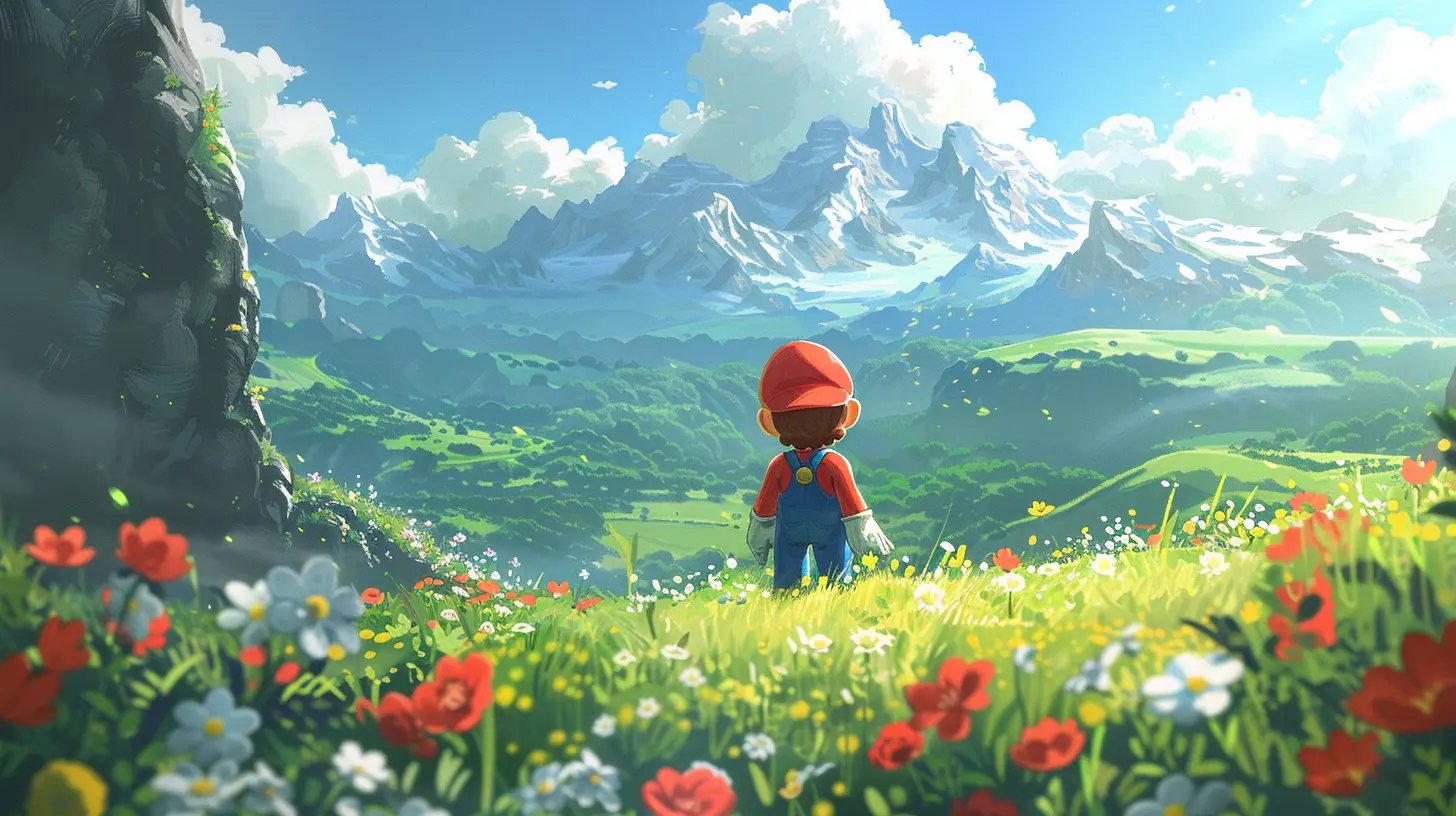
3. Design with Empathy
Nintendo doesn’t design games just for “gamers.” They design for everyone—kids, parents, hardcore fans, newcomers. That’s why you get things like “Assist Mode” in Mario or the option to make your own pace in Animal Crossing.They care about how players feel.
Indie devs, this is big. Think of your player like a guest in your home. Is your game welcoming? Is it intuitive? Don’t bury your tutorial in text or assume they know the controls. Guide them gently. Let them discover at their own pace.
Tip to Try:
Watch someone unfamiliar play your game. Where do they get stuck? Frustrated? Bored? Then revise. Empathy is your strongest design tool.
4. Iterate Like Crazy
Here’s something cool: Shigeru Miyamoto (the father of Mario and Zelda) once said that a game is never truly finished, only released. That legendary polish Nintendo is known for? It comes from iteration. They playtest, refine, tweak, again and again.As an indie dev, you might not have the luxury of a massive QA team, but you do have the power to playtest early and often. Build a prototype. Share it. Get feedback. Adjust. Repeat.
Think of It Like:
Sculpting from clay—not carving from stone. Stay flexible. Games evolve as you build them.5. Surprise and Delight Your Players
One word: Whimsy. Nintendo games are full of moments that make players smile—be it a secret level, a hidden power-up, or a weird little character dancing in the corner.These surprises create emotional hooks. They show that the developers care, that they’re thinking about how to make a player’s day a little brighter.
Indie devs, this is where you can shine. You’re not bound by corporate chains. You can be weird! Add that dancing cat, that oddball ending, that Easter egg referencing your favorite childhood game.
Quick Exercise:
Ask yourself: What’s one fun surprise I can add that has no purpose other than to make someone smile?6. Strong Identity Over Generic Design
Nintendo doesn’t chase trends. They set them. While the world was obsessed with gritty realism, Nintendo was building colorful kingdoms and cartoonish brawlers.They have a clear voice. You know a Nintendo game when you see one.
Indie devs, find your voice. Are you quirky? Atmospheric? Satirical? Romantic? Own that identity. Players are drawn to authenticity like moths to flame.
Don’t Be Afraid to Be:
Different. Bold. Personal. The more “you” your game is, the more it’ll connect with someone out there.7. Iterate, But Know When to Ship
Here's an ironic twist. While Nintendo iterates like mad, they still deliver. “Breath of the Wild” took years—but it eventually came out and redefined an entire genre.Indies—don’t get stuck in “development hell.” At some point, you’ve got to release your game into the wild. Is it perfect? Maybe not. But if it’s fun, functional, and heartfelt—that’s enough.
You’ll never stop improving as a developer. But every finished project is a stepping stone to your next great idea.
8. Music and Sound Are Game Changers
What would Mario be without that iconic “Ba-da-bum-ba-da-bum”? Or Zelda without its epic overworld theme?Nintendo treats music and sound as central design elements. Not background noise—storytellers.
Indie devs, don’t sleep on your audio. You don’t need an orchestra. You need tunes that enhance emotion, underscore tension, and make your world feel alive.
Pro Hack:
Use dynamic music that changes with player actions. It creates a stronger connection and makes the player feel like they’re shaping the world.9. World-Building, Not Just Level Design
Nintendo crafts worlds that feel alive. From the nooks and crannies of Hyrule to the floating blocks of the Mushroom Kingdom, their games invite exploration.You don’t need a huge map. Just make each area feel like it belongs. Tie your visuals, lore, and gameplay together seamlessly.
Indie devs, even with small teams, can craft beautiful micro-worlds that feel immersive. The key is consistency and detail.
Try This:
Give every area in your game a story—even if it’s never told. Why is that tree burnt? Why is that robot hiding? Let the world whisper to your players.10. Emotional Resonance = Lasting Impact
Nintendo isn’t just about fun. It’s about feelings. The nostalgia of reuniting with Yoshi. The sadness of saying goodbye in Pokémon. The quiet, almost meditative moments in Zelda.They know that games can touch hearts.
As an indie dev, you have the freedom to tell personal, emotional stories. Don’t shy away from that. Players will forget boss fights—but they’ll remember how a moment made them feel.
Final Thoughts: You’ve Got This
Sure, Nintendo has decades of experience, mountains of cash, and some of the most famous IPs in gaming. But none of that matters if you can tap into the why behind their success.Their games are built on curiosity, empathy, creativity, and care. And guess what? Those things cost nothing.
So take that inspiration and run with it. Make the weird game, the fun one, the tender one. Polish your mechanics like Miyamoto. Surprise your players like the best Mario level. And, above all, find your voice.
Your indie game doesn’t have to be big. It just has to be brilliant where it matters.
The next Nintendo might just be working solo in a small apartment with a laptop full of ideas—and that person could be you.
all images in this post were generated using AI tools
Category:
Nintendo GamesAuthor:

Francesca West