Upcoming Games with Groundbreaking Mechanics
28 December 2025
The gaming world has always been a playground of innovation, with each new generation of games pushing the boundaries of what we thought was possible. Some games build on the legacy of their predecessors, while others come out swinging with mechanics so groundbreaking that they redefine entire genres. As we gear up for the future, a wave of new titles is heading our way, each boasting innovative gameplay mechanics that promise to blow our minds. Let’s dive into the upcoming games that are set to shake things up.
What Makes a Game Mechanic "Groundbreaking"?
Before we jump into the list, let’s first define what we mean by "groundbreaking mechanics." These aren’t just tweaks or upgrades to existing systems; they’re ideas that fundamentally shift how we play or think about games. It’s the kind of stuff that makes you pause and go, "Wait, they can do that?" Think of the Nemesis System in Middle-earth: Shadow of Mordor—an intricate AI-driven system where enemies remembered your actions and adapted—or Portal's physics-bending portal gun that flipped puzzle-solving on its head.Groundbreaking mechanics are what gaming innovation is all about, and lucky for us, the future is packed with titles that aim to deliver just that.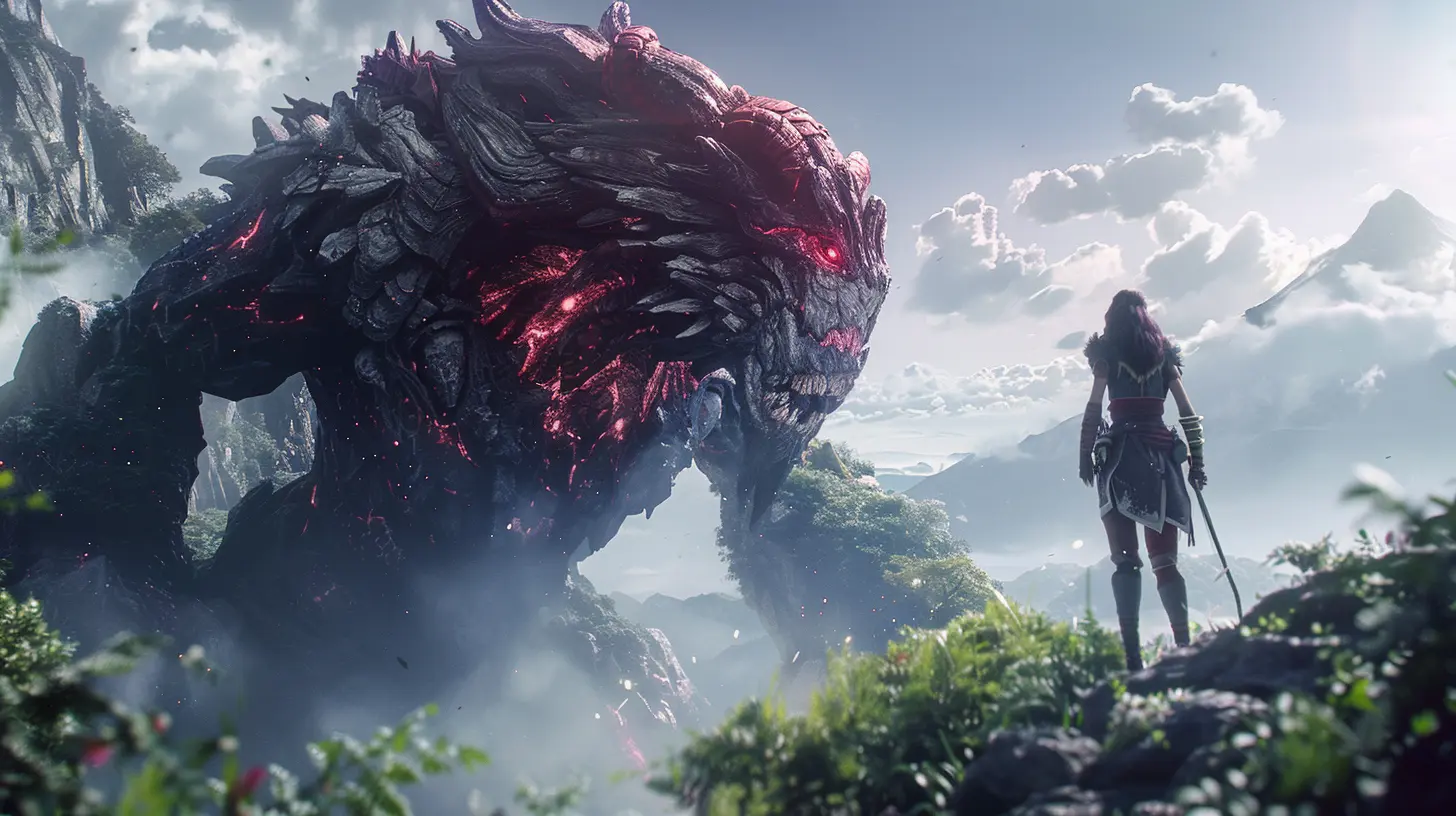
1. "Everything Lives" AI in Starborn Legacy
Release Window: Late 2024
Artificial intelligence in games has come a long way, but Starborn Legacy is ready to blow the roof off. Set in a sprawling galaxy, this sci-fi RPG features what the developers are calling "Everything Lives" AI. What does that mean? Every single NPC in this game is fully aware of their environment and reacts dynamically to both player actions and in-universe events.For example, let's say you blow up a trade ship in this game. The merchants at a nearby space station might raise the prices of goods due to scarcity. Or, if you anger a planetary governor, you might notice their guards becoming more aggressive even when you’re miles away from the capital. It creates a world where the NPCs aren't just window dressing—they’re alive, and they know you’re in it. Talk about pressure.
2. "Time Fragments" in Chronos Reverie
Release Window: Early 2025
Chronos Reverie introduces mechanics that make you rethink how you approach time manipulation in games. Imagine time not as a straight line but as a malleable resource you can break into pieces. That’s the core idea behind "Time Fragments."In this action-adventure title, players can collect fragments of time to rewind, freeze, or fast-forward specific objects or enemies. Think of it like slicing a loaf of bread—you don’t have to eat every slice in order, and you can even revisit the ones you already tried. Forgot to grab an item from a past section of the level? No problem, just rewind that item’s timeline—without resetting the whole game world. It’s like Prince of Persia’s time-sands, but on steroids.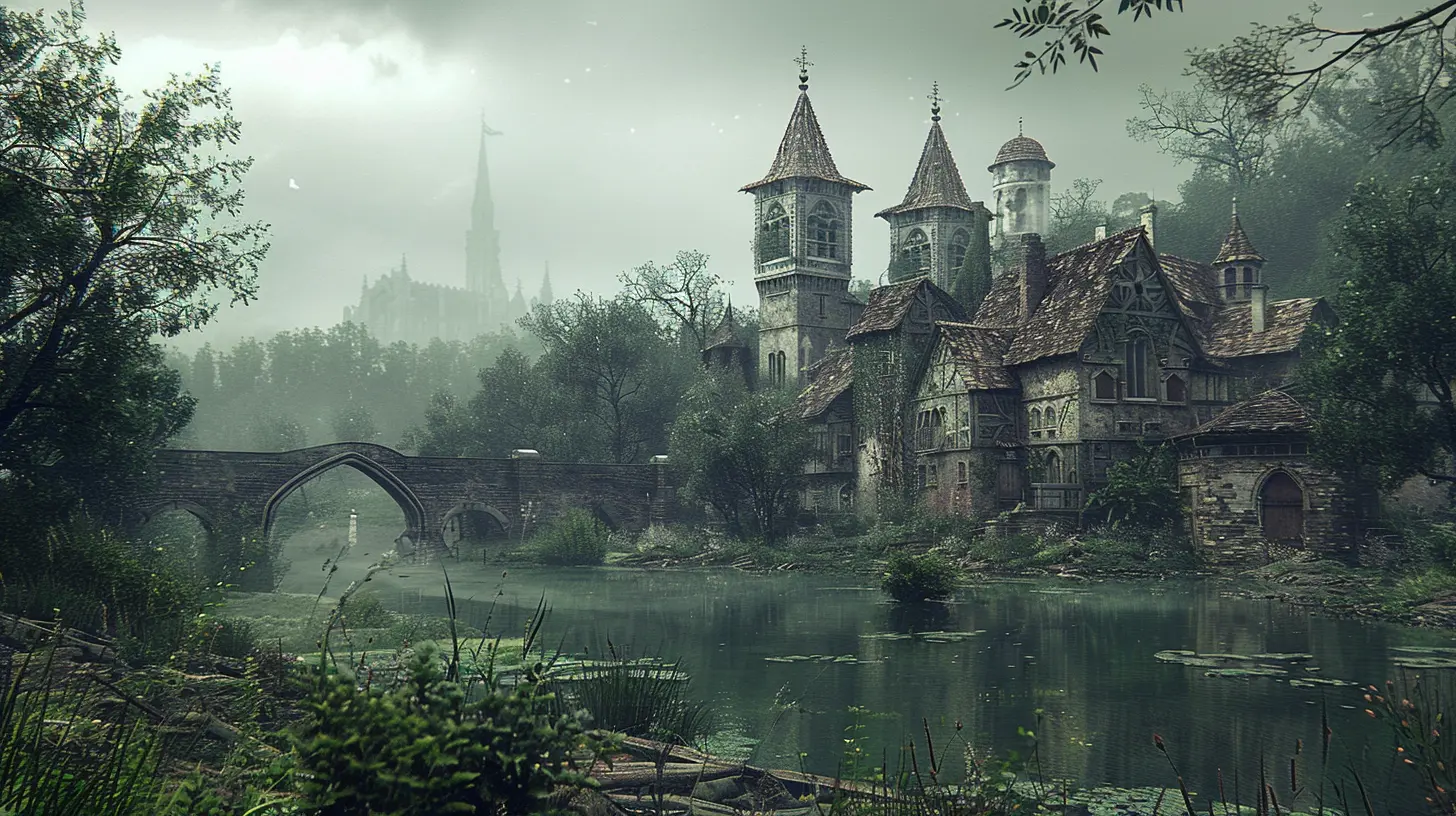
3. "Shared Consciousness" in Echo Nexus
Release Window: 2024
Echo Nexus, a psychological thriller, introduces one of the most mind-bending mechanics yet: "Shared Consciousness." The game revolves around two main characters, and here’s the kicker—you control both of them simultaneously but with a twist. Actions you take with one character can ripple into the other’s world in unpredictable ways.Say you’re playing as Character A, navigating a labyrinthine environment. You open a door—but instead of the effect appearing in A’s world, it might trigger something for Character B, who is miles away in a parallel version of the map. It’s like playing chess with two boards, where every move on one impacts the other. It’s confusing at first, for sure, but that’s the beauty of it—you’ll feel like a genius once you figure it out.
4. "Dynamic Creativity" in Canvas World
Release Window: Mid 2025
We’ve seen plenty of games that let you build and create, but Canvas World aims to reinvent sandbox gaming entirely with its "Dynamic Creativity" mechanic. Here’s how it works: instead of a pre-set menu of building blocks, the game uses procedural generation and AI to help you create literally anything.Want to build a castle? Sketch it out using basic tools, and the AI will fill in the details. Feeling wild? Outline a dragon-shaped mansion, and the game will generate a structure as close to your vision as possible. The possibilities are endless, limited only by your imagination. It’s like playing Minecraft with a magic wand that reads your mind.
5. "Sentient Worlds" in Genesis AI
Release Window: 2025
Genesis AI takes world-building to the next level by introducing "Sentient Worlds." In this MMO, the entire game world functions like a living, breathing organism. Ecosystems evolve based on player decisions. For example, overhunting a particular species in one area might cause predators to migrate elsewhere, creating opportunities—or dangers—for other players.Beyond ecology, even the game’s economy is alive. The NPC factions trade, wage wars, and form alliances, with or without player involvement. Essentially, the game grows and changes whether you’re online or not. It’s like being part of a living diorama that doesn’t stop moving, even when you’re asleep.
6. "EmotionLink" in Heartstrings Symphony
Release Window: TBD
Ever felt emotionally connected to a game character? Heartstrings Symphony doubles down on that by introducing "EmotionLink," a mechanic that tracks your in-game decisions and adapts the narrative to reflect your emotional connection with characters.The more time you spend with a particular NPC, the stronger your bond grows, and this affects everything—from dialogue to gameplay options. If an NPC you care about is in danger, your screen might blur, or your character’s movements might slow down, simulating the in-game emotional impact. It’s heartfelt, gut-wrenching, and honestly, it’s going to make you ugly cry. Kleenex might as well sponsor this one.
7. "Perception Zones" in Shades of Reality
Release Window: Late 2024
Shades of Reality is a survival-horror game that messes with your head in the best possible way. The core mechanic, "Perception Zones," alters the game world based on where you direct your focus. For example, looking at a particular object for too long might cause it to disappear or morph into something else entirely.Picture this: you’re staring at a harmless rocking chair in the corner. You blink, only to find it’s now a menacing figure standing in its place. The game constantly keeps you on edge, turning your own senses into unreliable narrators. It’s the kind of experience that will make you check over your shoulder in real life.
Why These Mechanics Matter
What makes these mechanics so special? They tap into something deeper than just "playing a game." They challenge our assumptions, force us to think differently, and—most importantly—create moments we’ll never forget. They’re not just innovative for the sake of it; they make the experience richer, more immersive, and personalized.Final Thoughts
The future of gaming is looking brighter than ever, thanks to developers who dare to think outside the box. These upcoming games with groundbreaking mechanics aren’t just rewriting the rules—they’re throwing the rulebook out entirely. Whether it’s AI-driven worlds, mind-bending time manipulation, or emotionally charged gameplay, there’s something on the horizon for everyone.So, buckle up. We’re about to enter a whole new era of gaming where the only limit is the imagination of the developers—and maybe how fast you can adapt to these crazy new ideas.
all images in this post were generated using AI tools
Category:
Upcoming GamesAuthor:

Francesca West
Discussion
rate this article
2 comments
Faelan McKeehan
Excited to see innovation shaping future gaming experiences!
January 12, 2026 at 5:30 PM
Francesca West
Thank you! Innovation is truly transforming the gaming landscape, and I can’t wait to see how these new mechanics enhance our experiences!
Lana Hahn
Great article! It's exciting to see how innovative mechanics are shaping the future of gaming. I can't wait to experience these fresh concepts and how they’ll enhance storytelling and gameplay. Keep up the great work!
December 30, 2025 at 5:37 AM
Francesca West
Thank you! I'm glad you enjoyed the article and share the excitement for the future of gaming. Stay tuned for more updates!