Understanding the Timeless Appeal of Donkey Kong
30 April 2026
Let’s rewind the clock for a second.
It’s the early 80s. Bell-bottoms are still hanging on, arcade machines are popping up in pizza joints and malls, and video games? Oh, they’re absolutely booming. But amidst the sea of space shooters and pixelated sports games, one gorilla-sized icon barrels his way into the scene—Donkey Kong.
Fast forward to today, and guess what? This big, lovable ape is still going strong. But why? Why has a game with simple mechanics, 8-bit graphics, and a ladder-obsessed plumber (before he became the world-famous Mario) captured hearts for decades?
Well, sit back, grab a banana (you’ll see what I did there), and let’s dig deep into why Donkey Kong continues to be an absolute legend in gaming history.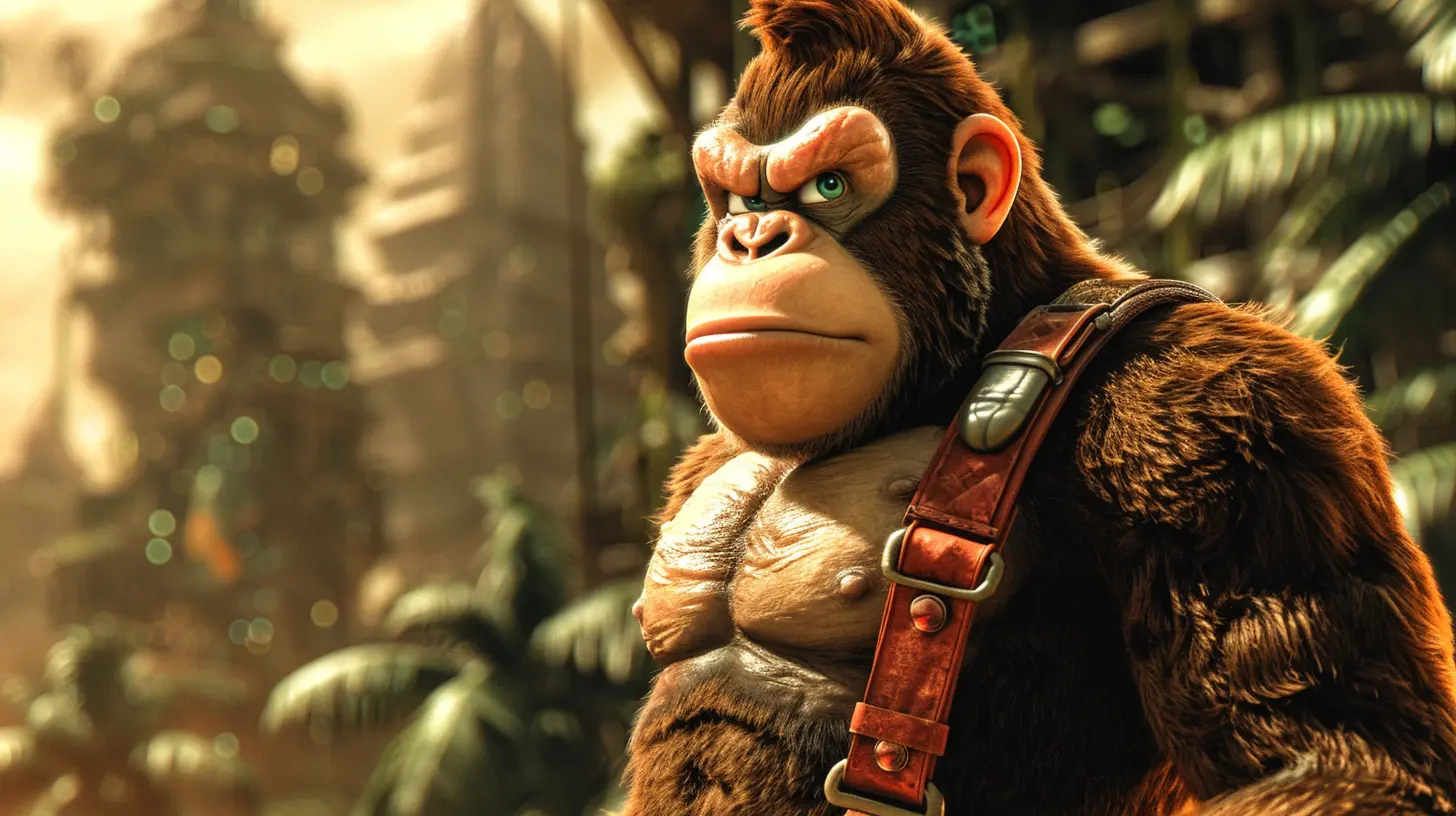
A Giant First Step: Donkey Kong’s Origin Story
Before Mario was rescuing princesses and smashing Goombas, he was known as Jumpman. And before Bowser showed up to crash the party, it was Donkey Kong—yes, a literal giant gorilla—throwing barrels and stealing the show.Released in 1981 by Nintendo, Donkey Kong was a last-ditch effort to salvage a failing arcade cabinet project. And boy, did it work! Designed by the now-legendary Shigeru Miyamoto, it wasn’t just a game—it was a revolution.
You had a story (a damsel in distress), a villain (the gorilla himself), and a hero (kinda), and that was practically unheard of at the time. It wasn’t about shooting or simple scoring anymore. It was about narrative, challenge, and characters you could cheer for (or against).
Donkey Kong didn’t just walk into the arcade scene—he smashed his way in.
The Simplicity That Hooked Millions
Let’s be honest, Donkey Kong’s gameplay isn’t rocket science. You move up levels, dodge barrels, climb ladders, and aim to rescue Pauline. So, what’s the big deal?Well, sometimes, less is more.
The game’s straightforward design was its biggest strength. Anyone could walk up to the machine, pop in a quarter, and within seconds, understand what they needed to do. But getting really good at it? That’s where the hook was.
There’s a sweet spot in gaming known as “easy to learn, hard to master.” Donkey Kong nailed it. Every fall from a platform, every mistimed jump, every close shave with a barrel—it had players feeding coins into the machine with a mix of determination and sweet, sweet frustration.
It was addictive in the best kind of way.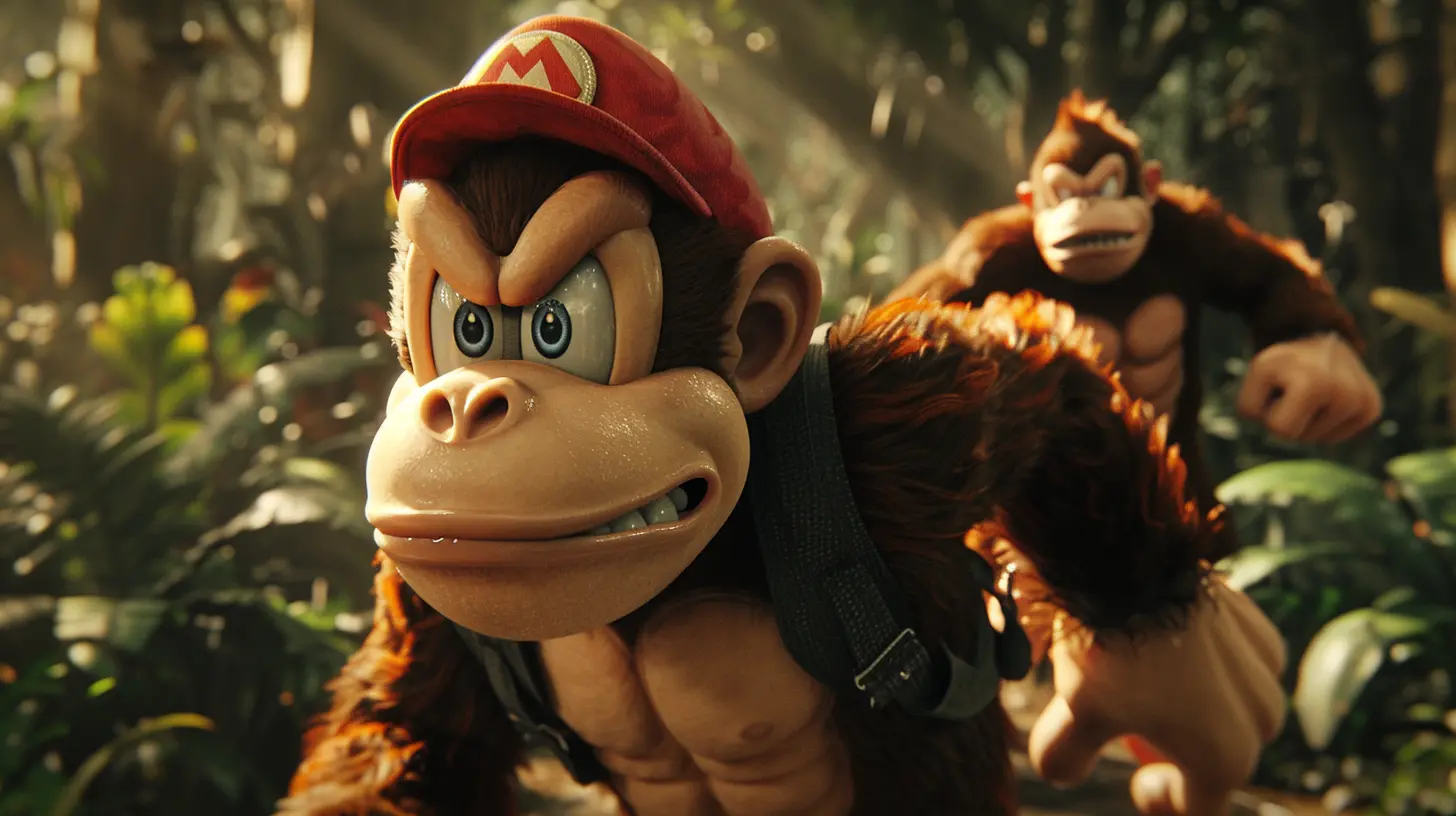
Characters That Stood the Test of Time
Okay, let’s talk about the cast.- Donkey Kong: The big bad gorilla who started as the villain but eventually turned into one of the most beloved Nintendo characters ever. Who knew he had such a redemption arc in him?
- Jumpman (aka Mario): Before the mustache became iconic, he was just a pixelated dude with a red hat. Donkey Kong was his first gig—and look where he ended up.
- Pauline: The original damsel, and honestly, one of the more stylish characters of the 8-bit era. She’s made a strong comeback in recent titles, and we’re loving it.
These characters weren’t just sprinkles on top—they mattered. They had personality, even in their pixel art form, and players connected with them.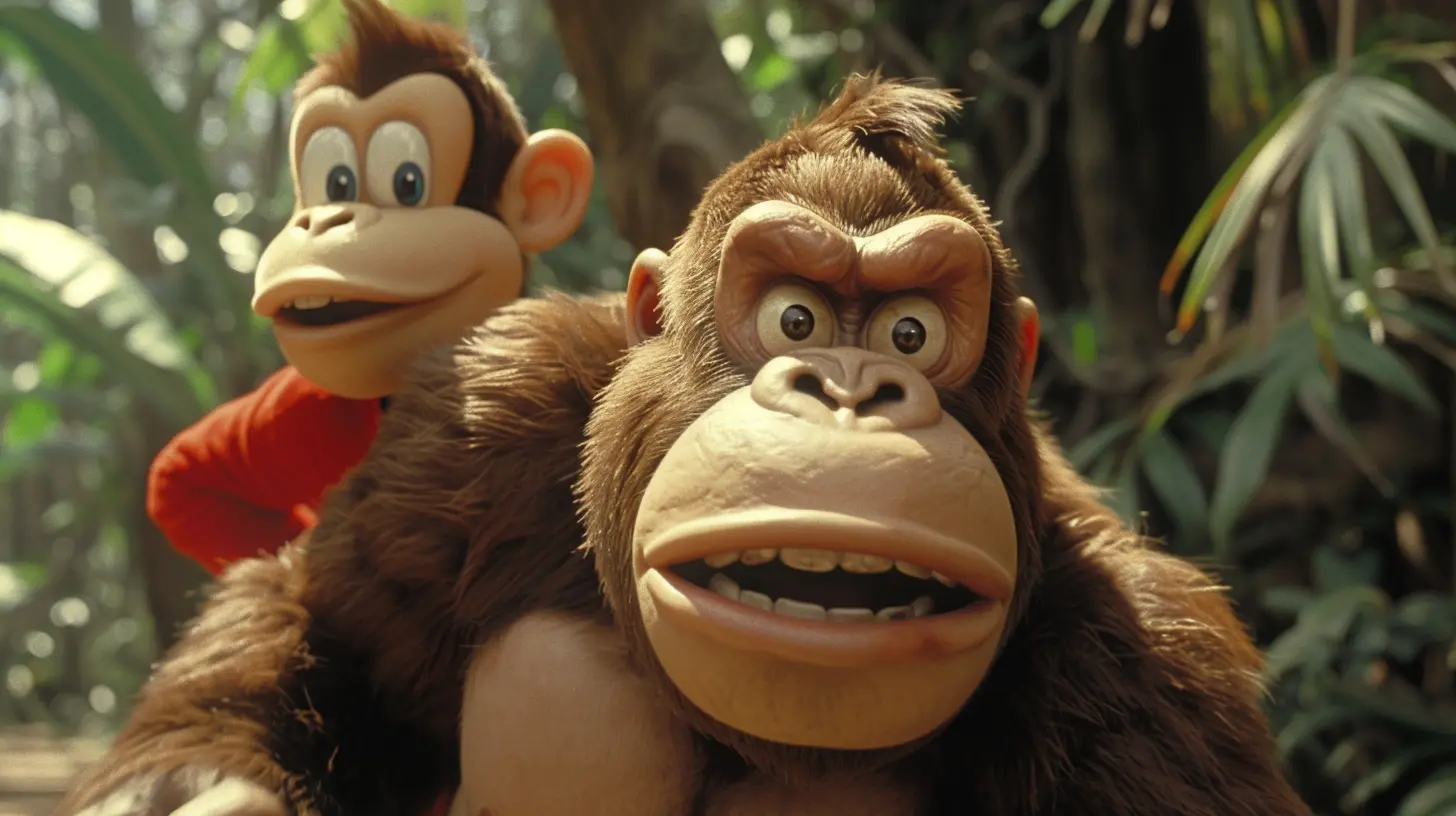
Evolving With the Times
You know what’s wild? Donkey Kong didn’t just stay stuck in 1981. This franchise has evolved more times than a Pokémon.From Donkey Kong Country on the SNES to the Donkey Konga rhythm games (yes, those bongo peripherals were real), the series has kept things fresh without losing its core charm.
What’s the secret? Adaptability.
Nintendo knew how to keep Donkey Kong interesting. They switched genres, updated the art style, added co-op gameplay, and even brought in new characters like Diddy Kong, Cranky Kong, and the whole jungle crew.
Yet through all the changes, that banana-loving, barrel-throwing charm stayed true. Kinda like your favorite band who experiments with new sounds but still gives you those nostalgic feels.
Nostalgia Is a Powerful Beast
Let’s get real for a second. We gamers are a sentimental bunch.There’s something deeply comforting about the clunky sound effects, the pixelated graphics, and that iconic "jump" sound from the OG Donkey Kong game. It takes us back to simpler times—when cheat codes were secret, save points were rare, and beating a level actually meant something.
Donkey Kong taps into that nostalgia in a big way.
Even if you've never played the original arcade version, chances are you've seen it referenced in pop culture—movies, TV shows, memes, you name it. It’s a cultural touchstone, like Pac-Man or Tetris. People may not remember every game they’ve ever played, but they sure as bananas remember Donkey Kong.
That Competitive Spirit
Let’s not forget the high-score chasers.Remember the documentary The King of Kong? It reignited global interest in Donkey Kong by showcasing fierce (and kinda hilarious) competition over the top arcade score.
Turns out, when a game is this tough and iconic, people dedicate years to perfecting their performance. We’re talking frame-perfect jumps and memorizing barrel patterns. Nuts, right?
But that’s a big part of its timeless appeal—you can always get just a little better.
It’s both a game and a mountain to climb.
A Game That Sparked a Legacy
Here’s a fun fact: If Donkey Kong flopped, we might not have Mario today.No Mushroom Kingdom. No Koopa Troopas. No Mario Kart. Nothing.
Donkey Kong was not only a massive hit—it was the stepping stone that helped launch Nintendo into the gaming juggernaut it is now. You can draw a direct line from a pixel gorilla throwing barrels to today’s epic Nintendo Direct announcements.
So yeah, Donkey Kong didn’t just start a franchise. It literally helped shape the future of gaming.
Why It Still Works in 2024 (and Beyond)
In a world of 4K graphics, massive open worlds, and real-time ray tracing, why do we still care about a game made in 1981?Because some things are timeless.
Donkey Kong thrives on charm, challenge, and character. It doesn’t need flashy gimmicks or massive budgets. It’s the kind of game that feels just as exciting now as it did decades ago. And every time Nintendo releases a new Kong title, there’s a whole new batch of players falling in love for the first time.
Plus, let’s face it—barrel-rolling never goes out of style.
Donkey Kong’s Influence on Modern Games
Think of how many games borrowed a page from Donkey Kong’s book: platformers, rescue missions, boss battles with oddball villains. The DNA of Donkey Kong is stitched into the fabric of modern gaming.Ever played a game with vertical levels, timed jumps, or a mix of puzzles and platforms? You can thank Donkey Kong for popularizing that formula.
Even indies today pay homage to the King of the Jungle. Retro-inspired art, old-school difficulty, and tight mechanics—those are lessons DK taught the industry.
Donkey Kong and the Younger Generation
You might be surprised how many kids today know Donkey Kong before they know Mario. Thanks to titles like Mario Kart, Super Smash Bros., and newer platformers like Tropical Freeze, Donkey Kong is reaching younger audiences without losing his retro street cred.It’s like when your dad shows you his favorite band, and you’re shocked they’re actually amazing.
Donkey Kong isn’t just an old game; it’s a living, evolving character who's found a way to stay relevant.
The Heart of the Jungle
At its core, Donkey Kong is about fun. It’s goofy, challenging, competitive, nostalgic, and heartwarming all in one. It doesn’t take itself too seriously, and yet, it demands respect every time you pick up the controller.Whether you’re chasing a high score, playing co-op with your little brother, or just reliving fond memories—you’re part of something bigger. A legacy. A jungle-sized tradition.
And that, my friend, is why Donkey Kong will never fade away.
Final Thoughts: The Crown Still Fits
So, next time you see that hulking gorilla hoisting barrels or playing the bongos, give him a nod. He’s earned it.Donkey Kong isn’t just a relic of the past. He’s a blueprint, a pioneer, and a beloved icon. And as long as gamers crave a little fun, a little challenge, and a whole lot of heart—he’ll continue to roll on.
Barrels and all.
all images in this post were generated using AI tools
Category:
Nintendo GamesAuthor:

Francesca West
Discussion
rate this article
2 comments
Vera McIntosh
I've always wondered what makes Donkey Kong so captivating. Is it the nostalgia, the challenge, or the charming characters? Curious to see how its legacy continues to influence modern games and player experiences...
May 15, 2026 at 4:50 AM
Francesca West
It's a mix of nostalgia, challenge, and those unforgettable characters. Donkey Kong captures players' hearts and continues to inspire game design today.
Emily McClary
Donkey Kong's charm lies in its simple mechanics and challenging gameplay. It captures the essence of competition and nostalgia, reminding us why classic games continue to resonate with players today.
April 30, 2026 at 4:39 PM
Francesca West
I couldn't agree more. Donkey Kong's blend of straightforward mechanics and tough challenges creates a unique experience that keeps players coming back, making it a true classic.