The Secret Behind Nintendo’s Immersive World-Building
11 May 2026
Let’s be real for a second — there’s just something magical about Nintendo games. Whether you're sprinting through the colorful chaos of the Mushroom Kingdom, gliding across Hyrule on a paraglider, or just chilling with some villagers in Animal Crossing, Nintendo has a knack for pulling you in and making you never want to leave.
But have you ever stopped to ask yourself why that is?
What makes the worlds crafted by Nintendo so unforgettable, so cozy, and yet so adventurous? Well, buckle up, fellow gamer, because we’re going on a nostalgic (and slightly analytical) joyride to uncover the secret sauce behind Nintendo’s ridiculously immersive world-building.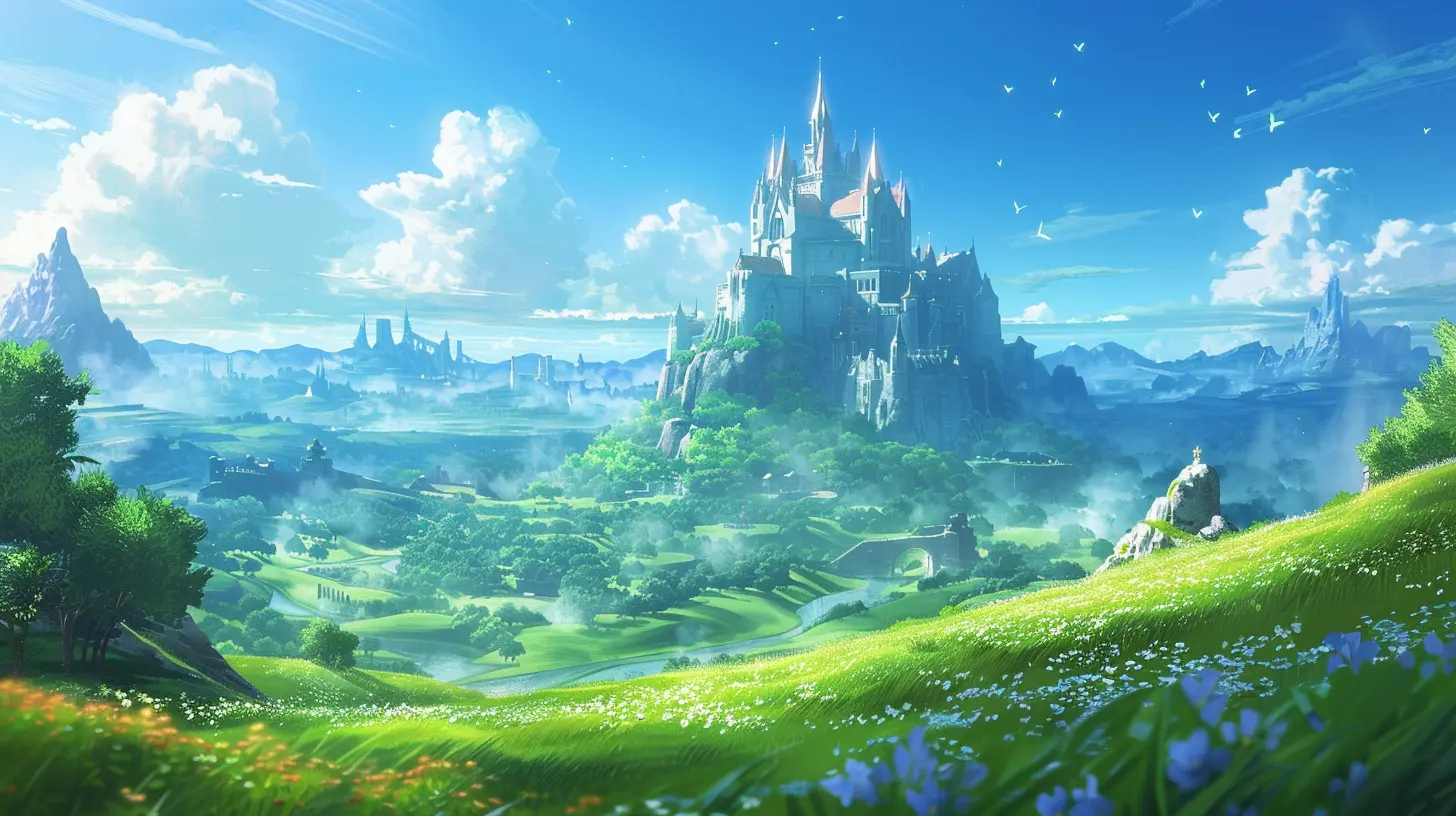
It’s Not Just a Game – It’s a Whole Vibe ?
Nintendo doesn’t just create games. They create worlds.It’s not about realistic graphics or cutting-edge tech. In fact, compared to some hyper-realistic AAA titles, Nintendo’s visuals might even seem cartoony or “simple” at first glance. But that’s the point — they lean into charm, not realism.
Think about it. When you boot up a game like The Legend of Zelda: Breath of the Wild, you don’t just “play” it. You live in it. You hike through grassy plains, scale snow-capped mountains, roast mushrooms over a fire, and just... vibe with the world. That kind of immersion doesn’t happen by accident.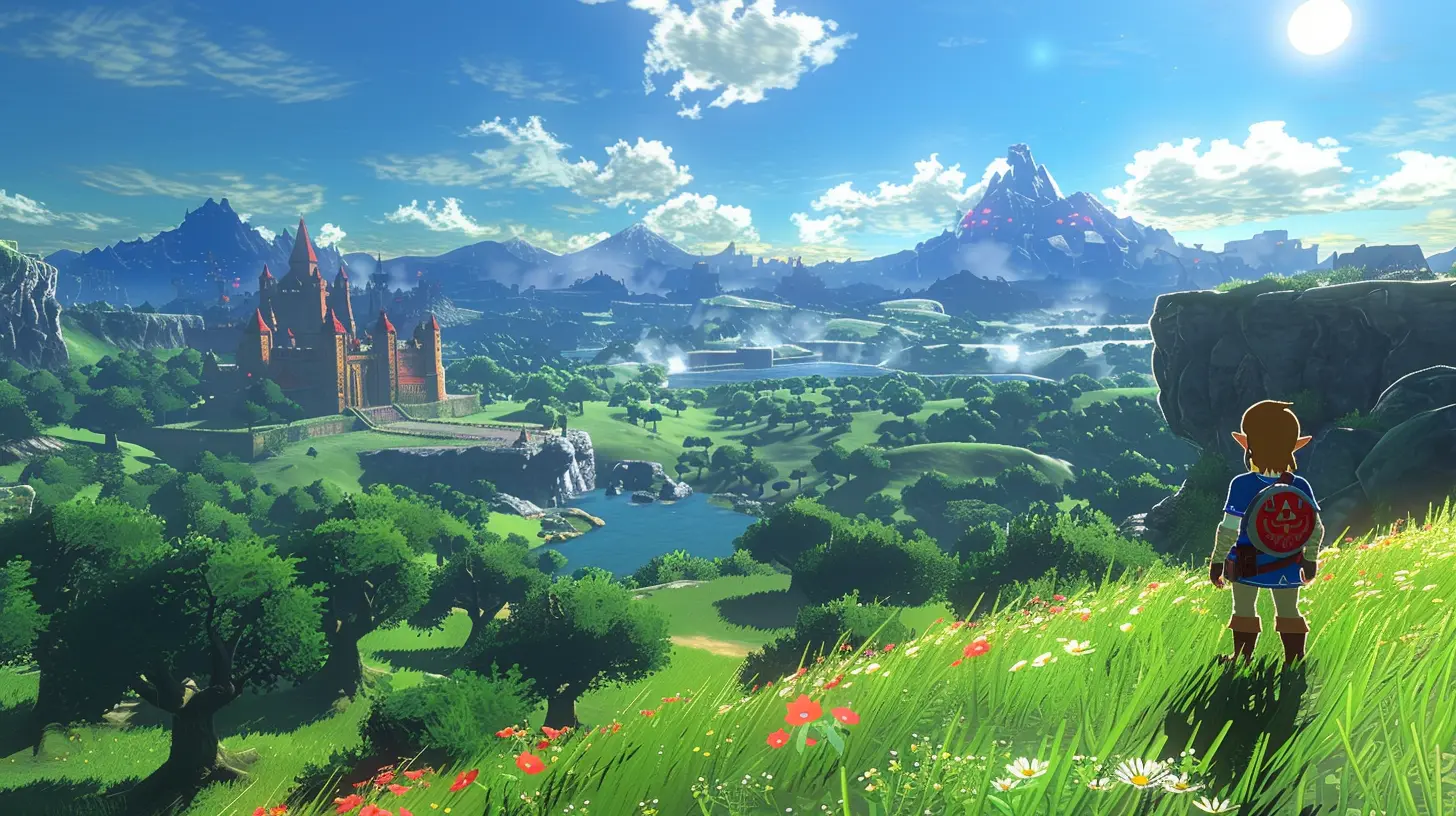
1. Consistent Yet Evolving Worlds
Nintendo has a beautiful habit of keeping things familiar, but not stale.Let’s take The Legend of Zelda series as an example. Every game is technically set in a version of Hyrule. Same characters (hi Link ?), similar lore, familiar sounds — yet every game feels fresh.
How? They evolve the world without completely rewriting it. There’s a balance between nostalgia and novelty. They know exactly which strings to pull in our memory while still surprising us. It’s like visiting your childhood hometown years later — some things have changed, but it still feels like home.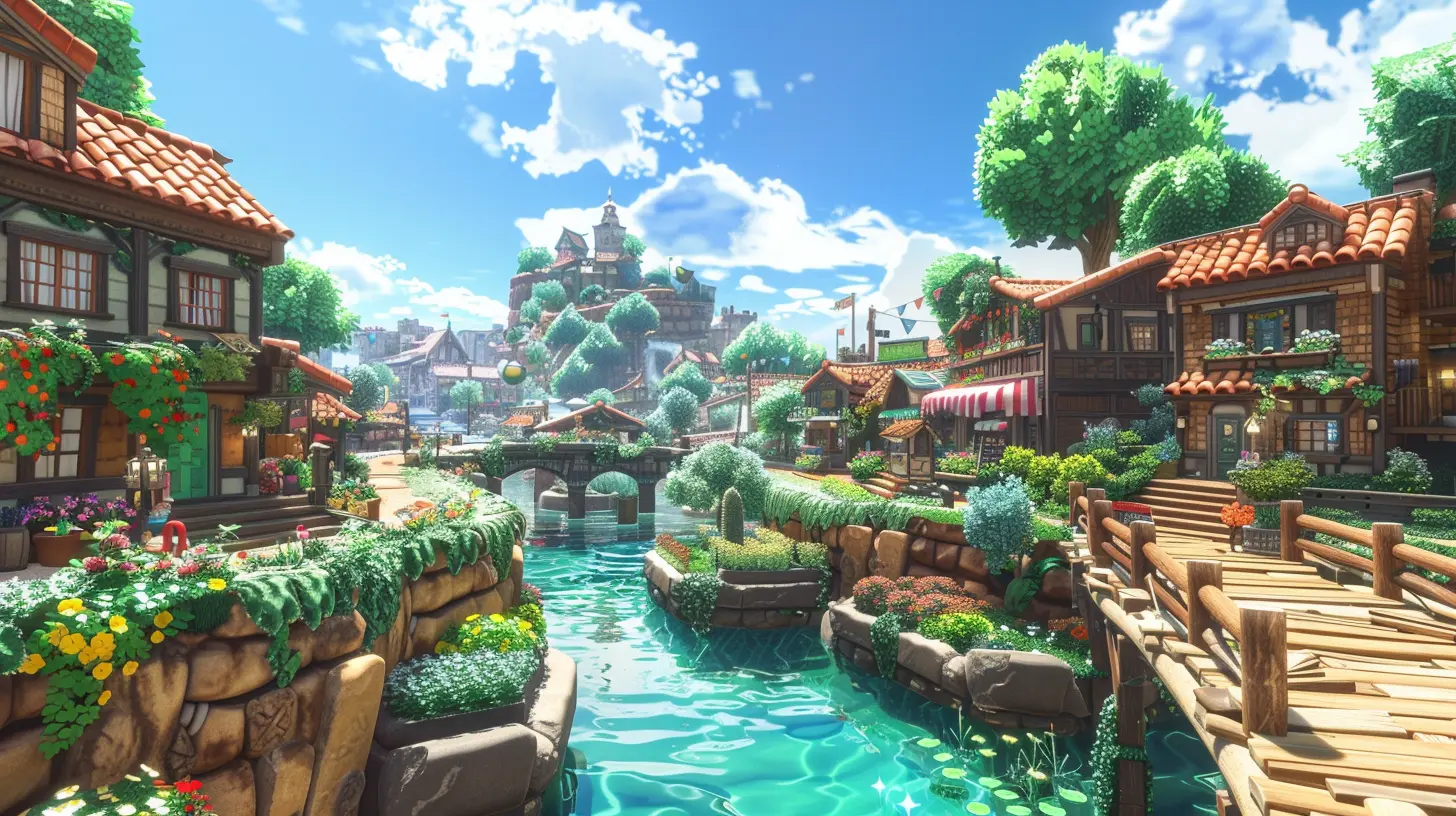
2. Characters That Feel Like Friends ???
Ever wanted to hug Kirby? Or maybe chill with Isabelle over a cup of coffee? Yeah, same.Nintendo’s characters aren’t just pixels on a screen. They’re designed with emotion, charm, and personality. Mario isn’t deep in a philosophical sense, but he doesn’t need to be. He’s reliable. He’s cheerful. He’s Mario.
Animal Crossing is another perfect example. The villagers don’t have wild AI or complex dialogue trees, but they still manage to feel real. Their silly quirks and catchphrases make them memorable. They give the world soul.
And when a world has personality-packed characters, it becomes easier for us to get emotionally invested.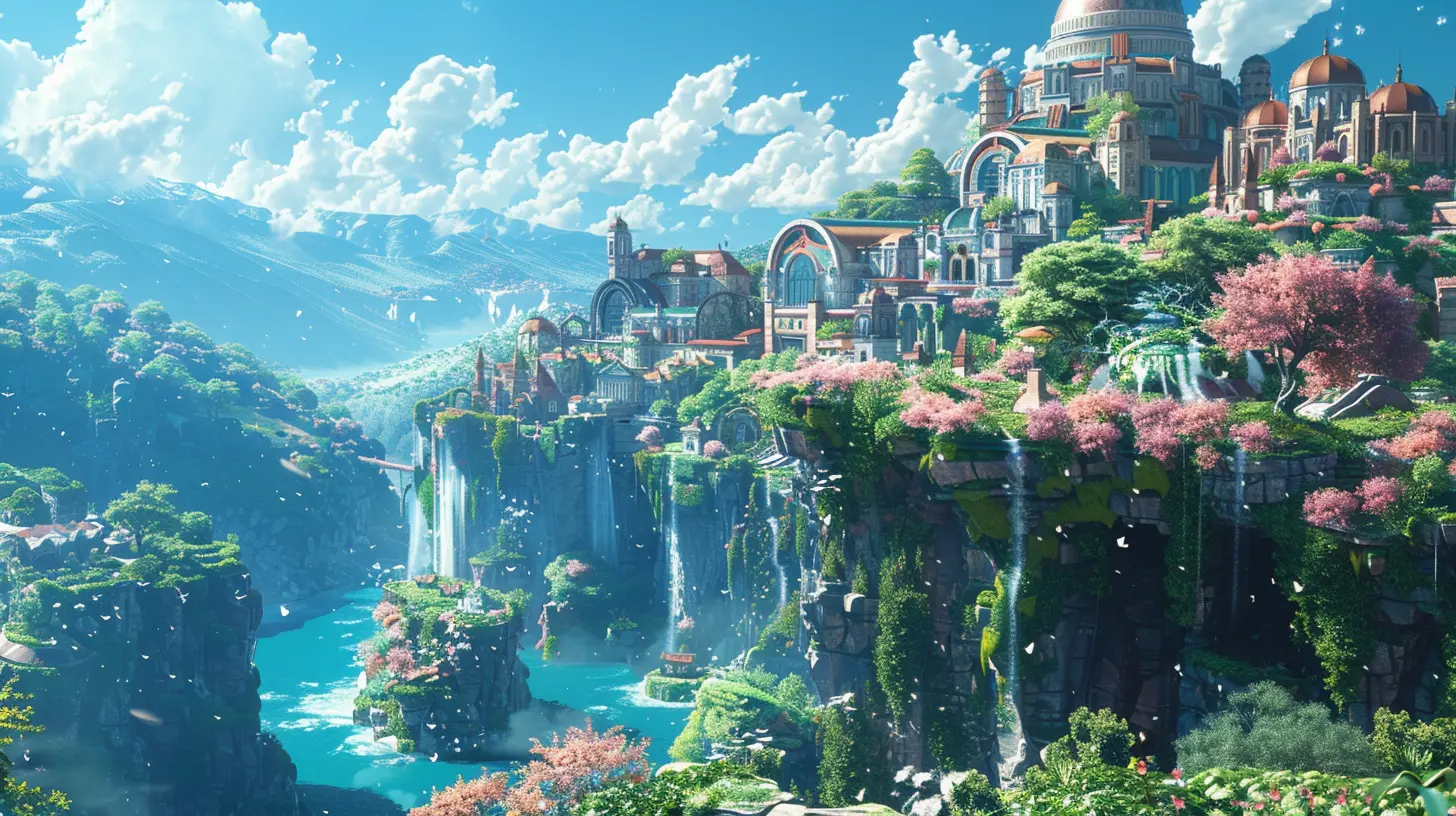
3. Iconic Sound Design = Instant Nostalgia ?
Close your eyes for a second and think of the Super Mario theme song. You hear it, don’t you?Nintendo’s music is practically a character in its own right. Every game boasts a soundtrack so catchy, it’s been living rent-free in our heads since the ‘80s. But it’s not just about catchy melodies. It’s about how music reacts to the environment.
In Breath of the Wild, the minimalist piano notes reflect the vastness and loneliness of the open world. In Luigi’s Mansion, the whimsical yet spooky tunes make you chuckle and shiver at the same time.
And don’t even get us started on those satisfying sound effects — the coin ching, the item get jingle, the boop of jumping. Every sound is intentional. Every note tells a story.
4. Visual Storytelling That Speaks Louder Than Words ?
Nintendo doesn't spoon-feed you lore. They let you feel it.Take Super Metroid, for instance. There’s barely any dialogue, yet the loneliness and tension of Samus’s journey is undeniable. The eerie silence, the flickering lights, the wrecked laboratories — they all speak volumes without a single word.
In Zelda: BOTW, you learn about the history of the world not through cutscenes, but through the ruins you stumble upon, the broken Guardians, the subtle clues wherever you go. It’s storytelling through exploration, not exposition.
That’s the kind of stuff that sticks with you.
5. Interactivity and Player Discovery ?️
Let’s be real — no one likes being hand-held through a game. And Nintendo gets that.In many of their titles, they give you tools and just say, “Here. Go nuts.” Especially in BOTW, where you can roll boulders down hills, use magnets to build wild contraptions, or launch yourself into the sky with a makeshift bomb-rocket (yes, that’s a real thing).
Nintendo trusts the player to experiment and explore on their own. That sense of discovery isn't just fun — it's empowering. It turns every player into a storyteller.
You’re not just playing a story — you’re writing your own.
6. World-Building Through Gameplay
Here’s where Nintendo is chef’s-kiss good. They seamlessly blend world-building with gameplay.Let’s break it down.
In Donkey Kong Country, slippery ice levels, stormy winds, and erupting volcanoes don’t just look cool. They actively change how you play. The environment tells you a story through action.
In The Legend of Zelda: Majora’s Mask, the repeating three-day cycle doesn’t just serve the plot — it’s baked into the gameplay. You learn people’s routines, solve time-based puzzles, and actually feel the weight of a ticking clock. The world isn’t just a backdrop. It’s part of the game mechanics.
That’s world-building on 4D levels.
7. Emotions Are at the Core ❤️
Here’s the thing: Nintendo games aren’t just about winning. They’re about feeling.You feel joy when you find a hidden Power Star. Panic when a red shell’s on your tail. Curiosity when a cave looks just a little too suspicious to ignore.
Nintendo nails emotional storytelling, not always through complex plots, but through simple, universal feelings that resonate.
You don’t need a dramatic cinematic cutscene to feel connected. Sometimes all it takes is a sunrise over the ocean in Wind Waker or the soft jingle of your town tune in Animal Crossing. It’s the little things.
8. Creativity Over Realism ?
In a world obsessed with photo-realistic graphics, Nintendo confidently stays in its own colorful lane — and we love them for it.Whether it's the watercolor art of Paper Mario, the yarn-made world in Kirby’s Epic Yarn, or the clay-styled characters in Yoshi’s Crafted World, Nintendo isn’t chasing realism — they're redefining it.
Their creative art styles do more than look good. They set the tone. They establish mood. And most importantly, they stick in your memory long after the console is off.
9. Multiple Generations, One Consistent Magic ✨
Whether you started gaming on the NES, grew up with a Game Boy in your pocket, or jumped into the Nintendo universe with a Switch — the experience still hits.Nintendo has somehow managed to appeal to kids, teens, adults, and even grandparents — all at the same time.
That kind of cross-generational world-building is rare. It requires understanding your audience, staying true to your identity, and constantly innovating without losing your roots.
And Nintendo? They’ve nailed that formula down to a science.
10. A Sense of Whimsy and Wonder
Above all, Nintendo never forgets that games should be fun.Even in dark storylines or serious moments, they sprinkle humor, color, and light-heartedness that keeps everything feeling playful and approachable. It’s like the gaming equivalent of comfort food. Satisfying, warm, and always hits the spot.
You’re not just playing a game — you’re stepping into a storybook, where every page is filled with surprises, smiles, and a little bit of magic.
Final Thoughts: The Power of Play
So, what’s the real secret behind Nintendo’s immersive world-building?It’s not one thing. It’s all the little things — masterfully woven together.
It’s the music, the characters, the way the environment tells its story. It’s how every leaf, every sparkle, and every goofy side-quest feels like it was made just for you.
Nintendo doesn’t try to be the biggest or the loudest in the gaming world. They focus on joy, play, and emotional connection — and that’s what keeps us coming back for more.
Their worlds aren’t just fun to play. They’re fun to be in.
And that, my friend, is the real secret.
all images in this post were generated using AI tools
Category:
Nintendo GamesAuthor:

Francesca West
Discussion
rate this article
2 comments
Calder Sawyer
Oh sure, Nintendo just sprinkled some magic fairy dust and voila! Instant immersion. Who needs complex narratives or deep lore when you've got adorable mushrooms and a plumber in overalls saving the day... again? Genius!
June 16, 2026 at 2:57 AM
Francesca West
Sometimes, simple charm is all you need. Nintendo knows how to create a world that feels both familiar and magical, letting players escape into their playful adventures.
Diana McCool
I loved this article! Nintendo really knows how to create worlds that draw you in. It's fascinating to see the thought and creativity behind their designs. Can't wait to explore more of these immersive experiences!
May 18, 2026 at 4:34 AM
Francesca West
Thanks for the kind words! I'm glad you enjoyed it. Nintendo's creativity truly is inspiring. Happy exploring!