The Role of Exploration in Classic Nintendo Games
27 April 2026
If you've ever blown into a dusty NES cartridge, sat cross-legged in front of a boxy TV, and pressed "Start" with a spark of excitement, you know the magic of classic Nintendo games. Sure, these games were pixelated and came with clunky controls by today's standards, but oh man—did they pull us into worlds we never wanted to leave.
One of the biggest reasons? Exploration.
Yep, back in the day, exploration wasn’t just a game mechanic—it was the game. Nintendo didn’t just give you a map and a to-do list; it handed you a controller and said, “Go wild!” So, let’s grab a virtual flashlight and dig into how Nintendo turned exploration into pure digital joy.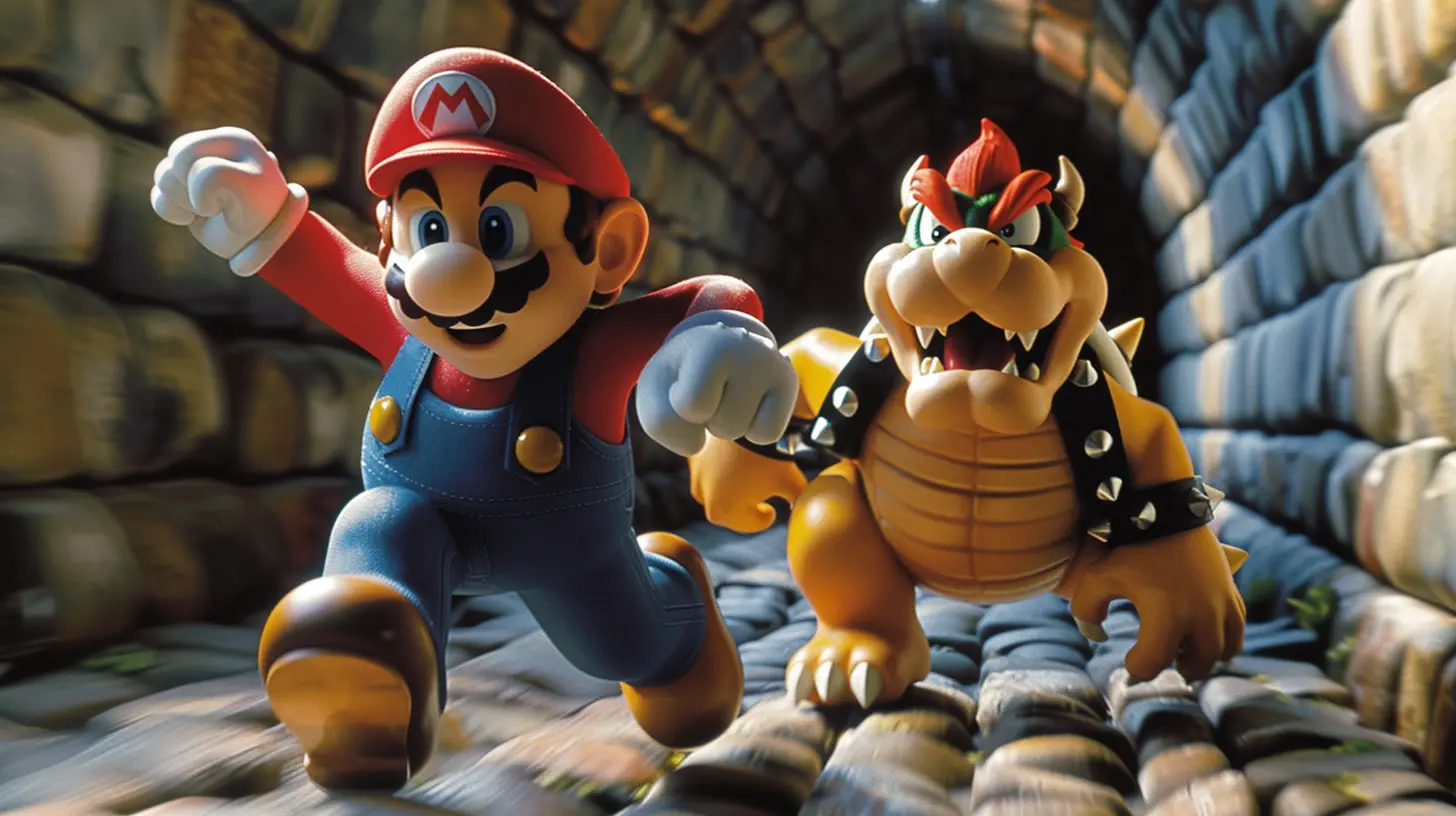
What Made Classic Nintendo Games Tick?
Before we rewind to the golden era of gaming, let's set the stage a bit. When we talk about "classic" Nintendo games, we’re usually talking about the early consoles—like the NES (Nintendo Entertainment System) and the SNES (Super Nintendo Entertainment System). These were the groundbreaking platforms that gave us legends like The Legend of Zelda, Metroid, and Super Mario Bros.But here's the thing: these games were more than just side-scrollers or shoot-‘em-ups. They were handcrafted playgrounds filled with secrets, surprises, and the thrill of finding the unknown.
So, what made them work so well? Exploration.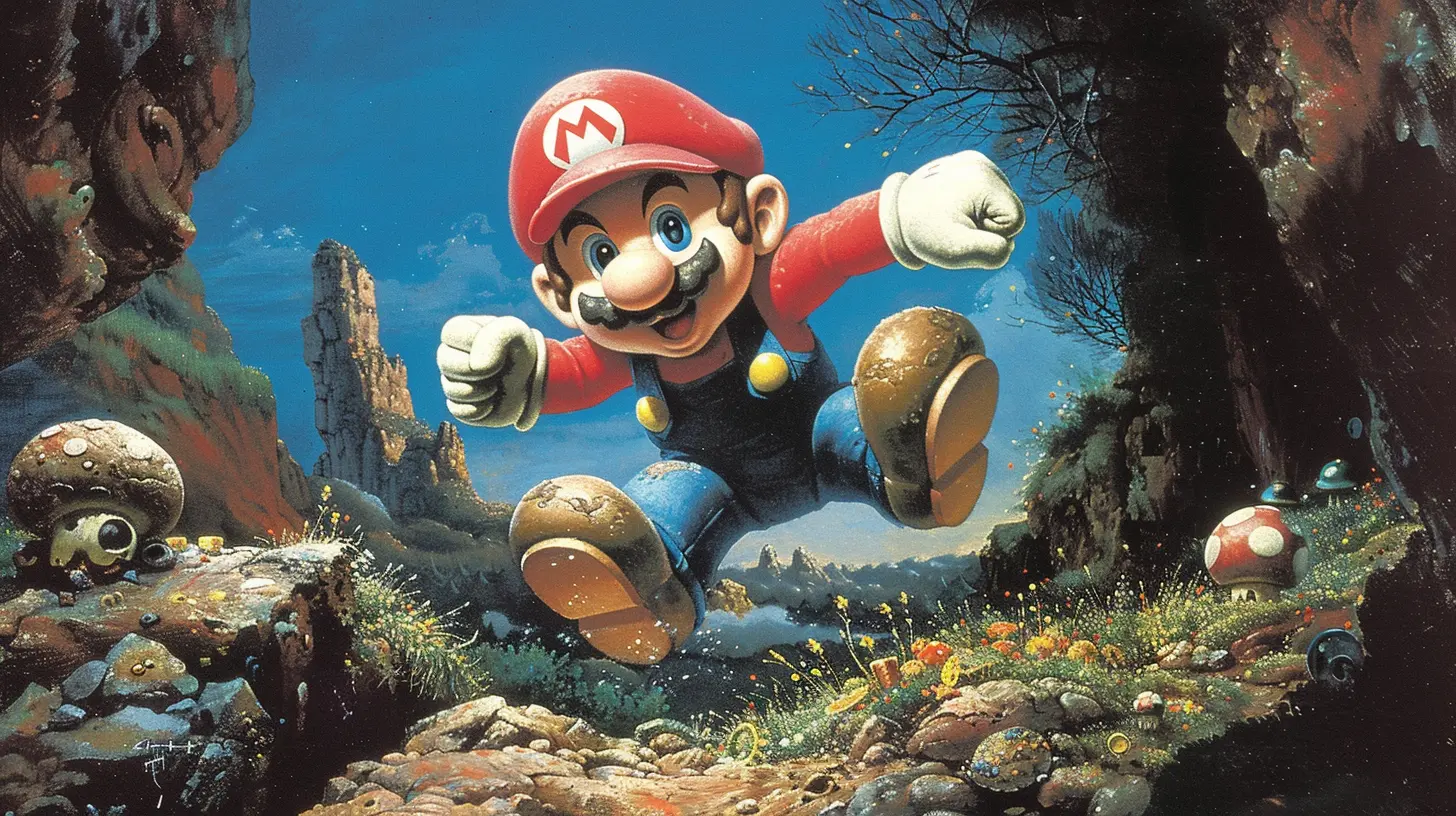
Exploration: The Heartbeat of Old-School Nintendo
Exploration wasn’t just a box to tick—it was the pulse of the experience. Unlike modern games that often give you a waypoint, a mini-map, and a mission log the size of a novel, classic Nintendo titles let players figure things out on their own.You weren’t just playing the game; you were uncovering it.
Zelda: The Original GPS-Free Adventure
Let’s kick things off with the GOAT—The Legend of Zelda (1986). Now this game was a trailblazer, and not just because it had a save function (yeah, that was a big deal!). Zelda dropped you into the kingdom of Hyrule with barely any instructions. You had that one old dude in a cave who said, “It’s dangerous to go alone! Take this.” And boom—you were off.From there, it was all about wandering. You found hidden caves, secret stairways under bushes, dungeons tucked behind waterfalls—you name it. There was this unspoken rule: “If you’re curious enough, you’ll find something cool.” And oh boy, did that rule pay off.
Half of the fun was just bombing every wall and burning every tree with your candle, just to see if something was there. And when it was? Total dopamine overload.
Metroid: Getting Lost Never Felt So Right
Now let’s talk about Metroid (1986). If Zelda was about fantasy exploration, Metroid was your sci-fi deep dive. Samus Aran, in her rad power suit, landed on planet Zebes with one mission: stop the Space Pirates and their weird alien pets called Metroids.Unlike Zelda’s top-down design, Metroid was a side-scrolling maze. The map was massive, and you had no clue where to go. There were no arrows, no tutorials—just endless tunnels, elevators, and locked doors that dared you to figure it out.
And here’s where it got spicy—you had to backtrack. You’d find a door you couldn’t open, then hours later (and several upgrades down the line) you’d finally unlock it. Then boom—new area, new boss, new vibes.
It was like an escape room mixed with a treasure hunt. And you were all in.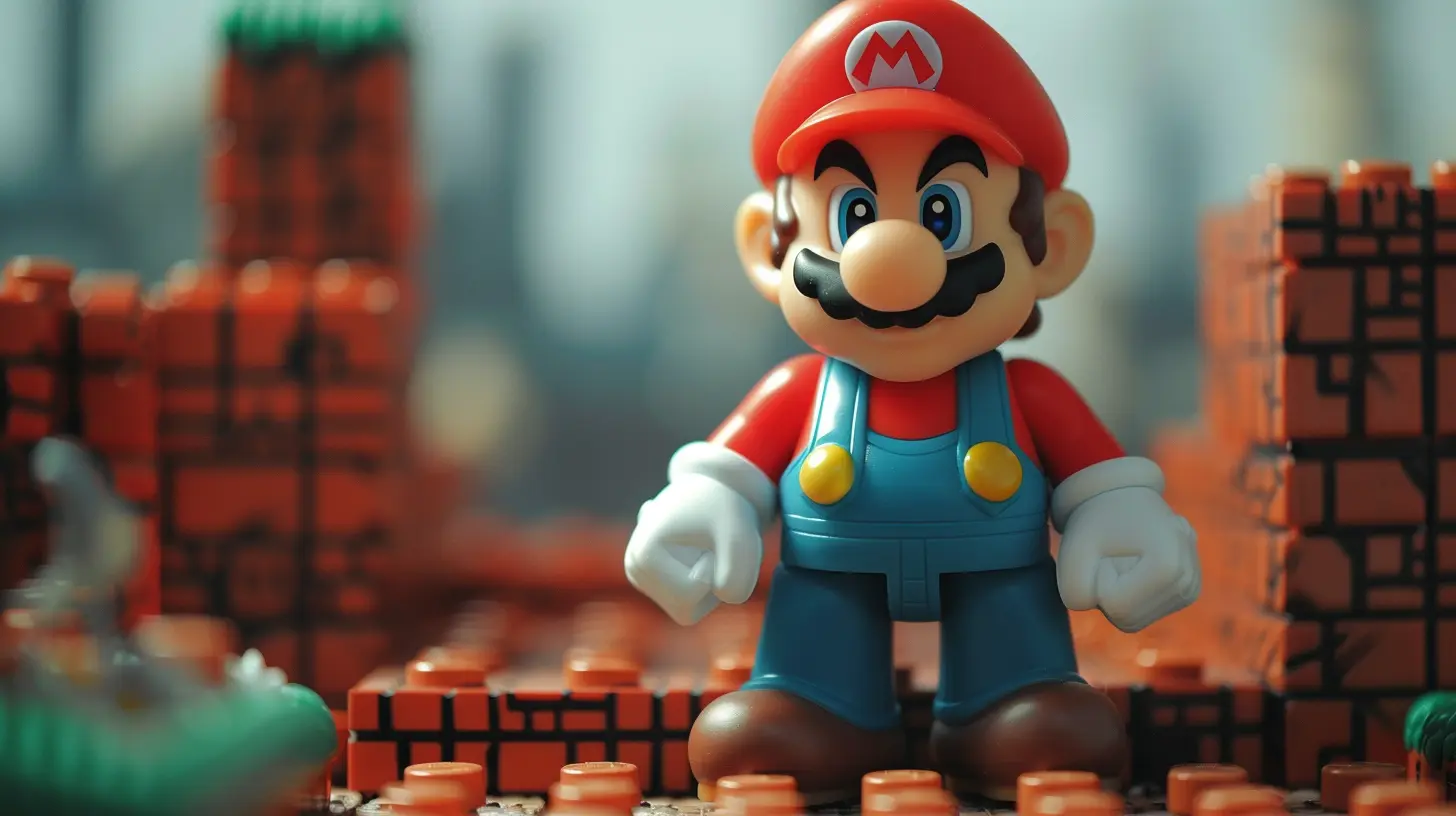
The Joy of Discovery
So why did we love exploration so much in these games?1. Secrets Were EVERYWHERE
Nintendo packed its games like a magician’s hat—full of surprises. Whether it was a 1-up mushroom hidden in a block you’d never think to hit, or a warp zone that let you skip half the game, the element of “Whoa, look what I found!” was constant.It trained you to be curious. Try that weird path. Jump into that pit. Bomb that wall! There was this unspoken trust between the developers and you as the player. They knew you’d poke around, and they rewarded you when you did.
2. Non-Linear Design
This is the fancy way of saying “you’re the boss.” Many classic Nintendo games didn’t force you into a set path. You could choose how to tackle dungeons, which power-ups to chase first, or where to wander.That freedom made the game feel like YOUR adventure. You weren’t just following a script—you were writing your own.
3. Every Session Felt Fresh
Because of the open-ended nature of exploration, no two playthroughs were the same. Maybe you found that secret cave early this time. Or maybe you wandered into a high-level area too soon and got wrecked. Either way, it was never boring.Exploration opened the doors to replayability, and that’s why we kept going back—long after we beat the final boss.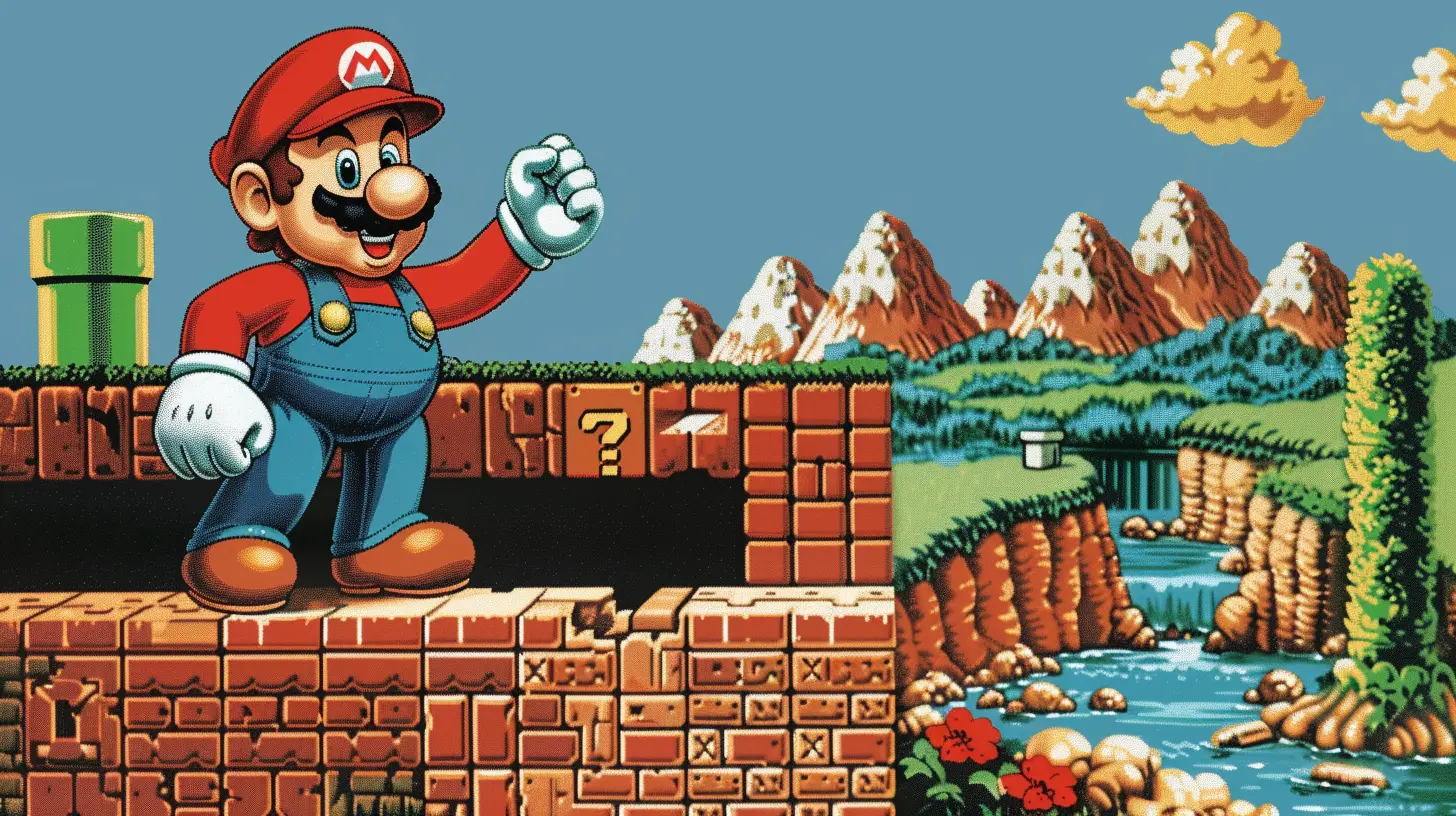
The Role of Exploration in Super Mario Bros.
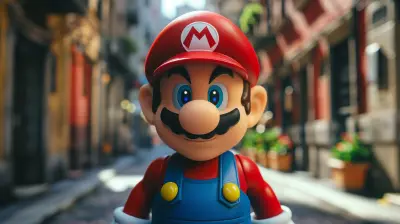
Okay, so you're thinking, "But Mario’s just about running, jumping, and squashing Goombas, right?" Well, yes and no.Sure, the goal was to save Princess Peach from Bowser (again and again and again), but the Mario series was secretly a masterclass in exploration.
In Super Mario Bros. 3, for example, you could fly. That raccoon tail wasn’t just for show—it let you soar up into the sky, over the level, and land on hidden pipes or above-the-screen goodies.
Plus, there were secret levels, warp whistles, alternate exits, and bonus stages. The worlds were linear on the surface but offered so many nooks and crannies that encouraged you to veer off the beaten path.
Every Mario level was a mini Easter egg hunt. And if you were the kind of player who left no coin block un-hit, you were in for a treat.
Exploration and Player Imagination
Back in the NES and SNES days, graphics were basic. Let’s be honest—we were looking at blobs, and we called them dragons.But you know what? That’s what made it so good.
The limited visuals and lack of detailed storylines made our imaginations run wild. You weren’t just exploring Hyrule—you were exploring your own mental version of it. That dungeon? It wasn’t just a bunch of squares—it was a terrifying monster lair filled with unspeakable horrors (aka some angry pixels). The music helped too—it pulled you into the mood, and the rest was your mind filling in the gaps.
Exploration in classic Nintendo games didn’t just happen on screen; it happened in our heads.
How Nintendo Encouraged Us to Explore
Nintendo didn’t throw exploration into their games by accident. They had little tricks up their sleeve to nudge players into being curious.Visual Clues
Sometimes a slightly off-colored wall meant there was a hidden room. Or a missing block hinted that you should try jumping there. It was subtle, but sharp-eyed players got rewarded with secrets.Sound Design
Ever notice that little chime when you uncover a secret in Zelda? That sound became a Pavlovian hit—you heard it and instantly knew: Jackpot!Game Manuals (Seriously!)
Back in the day, game manuals were a BIG deal. They weren’t just instructions—they gave maps, cryptic clues, and story tidbits that made you excited to dig deeper. It was like getting a treasure map with your game cartridge.The Legacy of Exploration in Modern Games
Of course, gaming has come a long way since the 8-bit days. But you can still see exploration’s DNA all over today’s games—especially in Nintendo's own titles.Breath of the Wild is basically a love letter to the original Zelda. No hand-holding. Just you, a broken sword, and the freedom to wander. Sound familiar?
Metroid Dread (2021) also kept that essential “explore and upgrade” design alive and well. Even modern Mario games stuff crazy secrets and bonus levels where you least expect them.
Nintendo gets it. They know that the magic of gaming isn’t always about high scores or frame rates—it’s about curiosity, wonder, and that “Aha!” moment you get when something hidden reveals itself.
Final Thoughts: Why Exploration Still Matters
Exploration wasn’t just a feature in classic Nintendo games—it was the soul of the experience. It gave players agency, stoked imagination, and turned every corner into a question mark.In today’s age of open-world games and cinematic epics, it's easy to forget how powerful a few pixels and a curious player could be. But those early Nintendo titles reminded us that sometimes, the best reward is simply going off the beaten path.
So whether you’re reliving the classics or diving into them for the first time, remember: that weird-looking bush? Go ahead and burn it. There just might be a secret waiting underneath.
all images in this post were generated using AI tools
Category:
Nintendo GamesAuthor:

Francesca West
Discussion
rate this article
2 comments
Callisto Elliott
Exploration in classic Nintendo games invites players to discover hidden secrets and forge personal journeys. It transforms gameplay into an adventure, sparking curiosity and a sense of wonder.
April 30, 2026 at 4:39 PM
Francesca West
I completely agree. The thrill of uncovering secrets really adds depth to the experience, making every playthrough unique and memorable.
Leslie Allen
Exploring Hyrule as a kid: 'Ooh, a bush!' Now as an adult: 'Where’s my map, compass, and a 401(k) for bomb drops?' Nintendo made us feel like geniuses for pushing a button. Fair trade.
April 30, 2026 at 4:39 AM
Francesca West
You nailed it! Those simple discoveries shaped our sense of adventure, and now we seek structure in the chaos. It's wild how those early thrills still resonate today.