The Rise of Third-Party Controllers
3 August 2026
If you've gamed for more than a hot minute, you probably know the feeling: worn-out thumbsticks, a drifting joystick, or that ridiculously high price tag attached to official console controllers. It's enough to make a gamer scream into a headset. That’s exactly why third-party controllers aren't just getting noticed—they're taking over.
Over the past few years, these alternative gamepads have gone from being the "cheap backup" to legit competitors, sometimes even outshining the original. But how did we get here? Why are so many players ditching first-party gear for third-party options? Let's break it all down.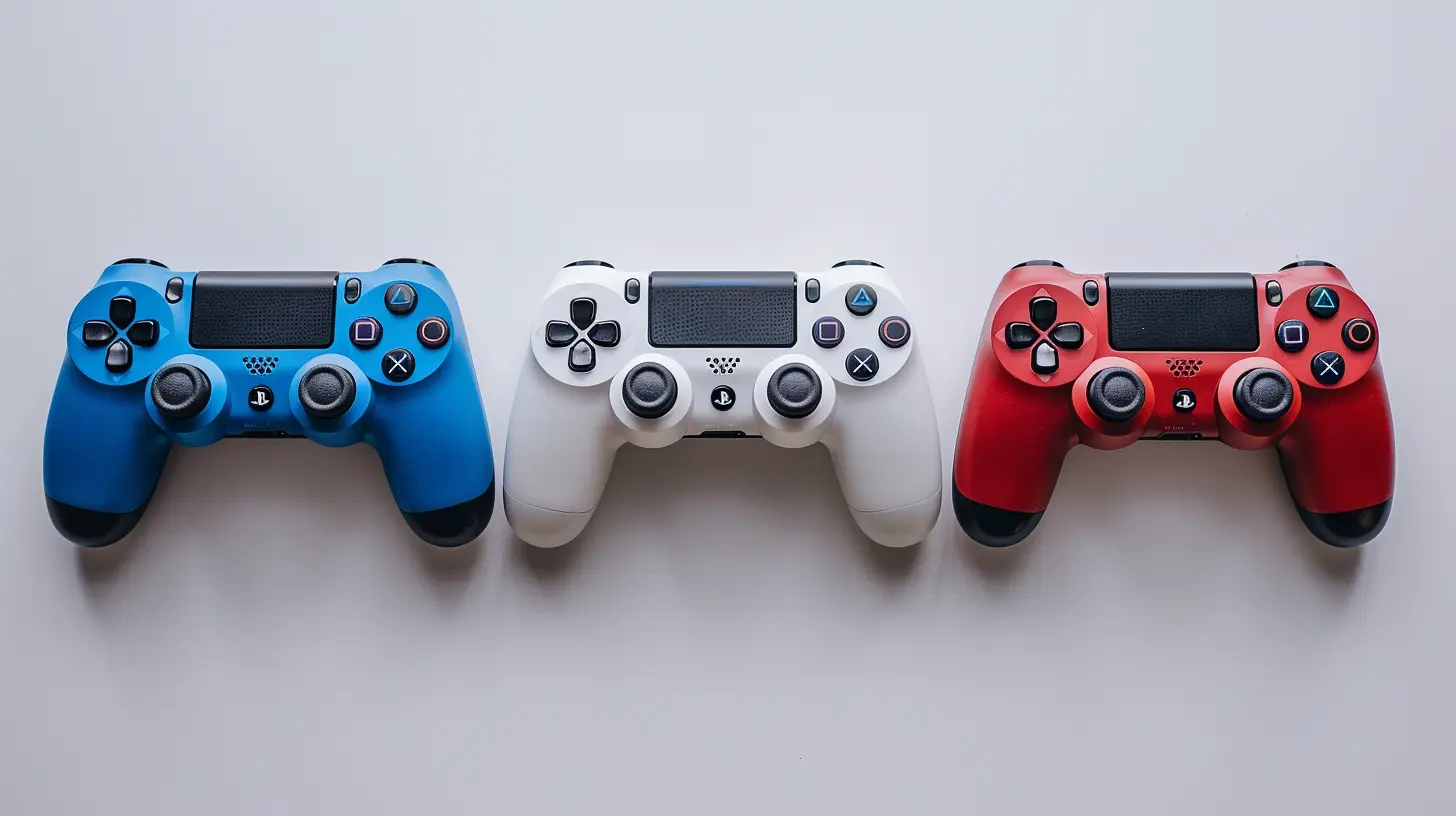
What Are Third-Party Controllers Anyway?
Let’s clear up the basics first. Third-party controllers are game controllers made by companies other than the official console manufacturer. So, while Sony pumps out DualSense controllers for the PlayStation 5, a third-party brand like SCUF or PowerA will release their own versions—sometimes wired, sometimes wireless—with different features and designs.You’ve got licensed third-party controllers that go through proper approval channels, and then you’ve got the unlicensed wildcards—some of which are surprisingly solid, and others that belong in a drawer you never open again.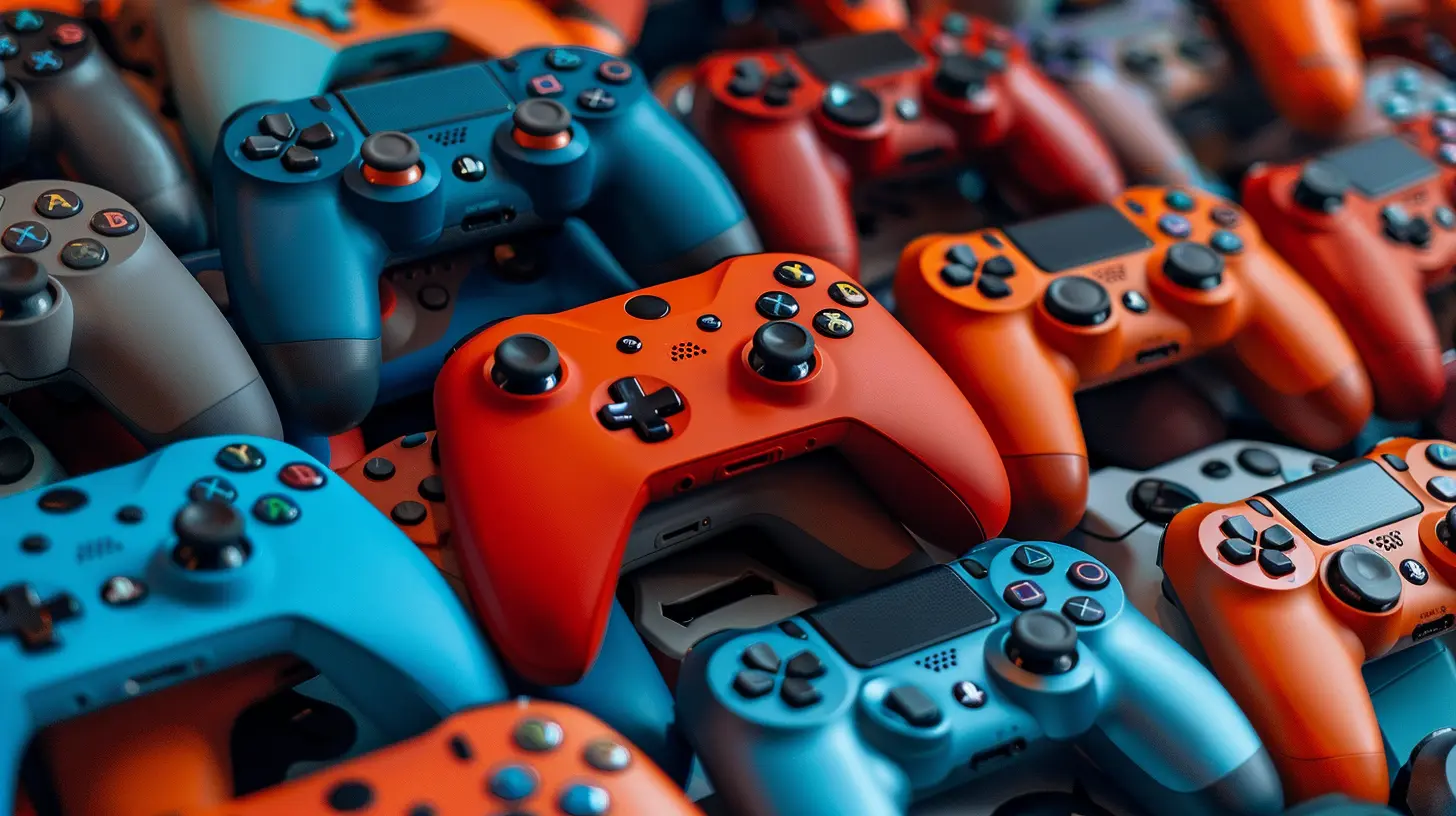
Why Gamers Are Turning to Third-Party Controllers
So, why are third-party controllers blowing up right now? Let’s dive into the main reasons gamers are shifting their loyalty.1. Price – It’s a Big One
Let’s be real: official controllers are expensive. Like, "two-thirds-of-a-new-game" expensive. The latest DualSense or Xbox Wireless Controller can run you $70 or more. Meanwhile, third-party options often start around $25–$40. That’s a lot easier to stomach—especially if you need a second (or third) gamepad for couch co-op sessions.Sure, you’re sometimes sacrificing premium materials or exact feature replication, but for casual players or backups, that trade-off makes sense.
2. Customization Galore
Official controllers are usually… well, boring. You get a few color options, maybe some limited-edition collabs, and that’s it. Third-party manufacturers? They’re out here throwing RGB lights, swappable thumbsticks, programmable buttons, and cracked-out paint jobs into the mix like it’s an extreme makeover show for gamepads.Plus, companies like SCUF, HexGaming, and AimControllers offer full customization down to the button color and grip texture. It’s not just a controller—it’s your controller.
3. Competitive Features for Less
Some third-party controllers actually go above and beyond what the standard official ones offer. We're talking about rear paddles, trigger stops, hair triggers, and even adjustable tension thumbsticks—features that matter in fast-paced games like Call of Duty or Apex Legends.For competitive players, that’s a game-changer (literally). Instead of shelling out $200+ for an Elite Series 2, you can get similar functionality for half the price, and sometimes even better ergonomics.
4. Accessibility Options
Let’s not ignore how much third-party controllers have helped make gaming more inclusive. Companies like Hori and PDP have been creating controllers designed for gamers with disabilities—offering layouts, button placements, and form factors that official manufacturers don’t always consider.Gaming’s for everyone, and third-party controllers have stepped up big time in that department.
The Evolution: From Sketchy to Sleek
Let’s face it—if you played games in the early 2000s, chances are your experience with third-party gear was… underwhelming. Remember those cheap plasticky controllers that barely worked? Buttons that stuck, analog sticks that felt “off,” and cables that frayed just from looking at them wrong?Yeah, those days are fading fast. Modern third-party controllers are built like tanks. Many have solid build quality, premium finishes, and reliable internals. Some even push the envelope with innovative ideas that leave the official ones looking a bit lazy.
Top Third-Party Controller Brands to Watch
If you’re ready to venture outside official territory, here are some third-party brands killing the game right now.1. SCUF Gaming
These controllers are built for esports-level performance. With customizable paddles, interchangeable sticks, and performance grips, SCUF is a go-to for pros and everyday players who want an edge.2. PowerA
Offering affordable, licensed options with solid features, PowerA is perfect for budget-conscious gamers. Their controllers often look great, handle well, and won’t break the bank.3. 8BitDo
For retro gaming fans and those who want versatile compatibility, 8BitDo is the golden goose. Their controllers work with everything from the Switch to PCs to mobile devices—and they’re surprisingly high quality.4. Razer
Known primarily for their PC gaming gear, Razer also makes some standout third-party console controllers. Think Razer Wolverine for Xbox—a beast for serious play.5. Victrix
This brand has made waves with their pro-level fight sticks and modular controllers. If you’re into fighting games or competitive shooters, Victrix deserves your attention.The Dark Side of Third-Party Controllers
It’s not all sunshine and frag grenades. There are still some caveats to consider when going third-party.1. Inconsistent Quality
Not all third-party brands are created equal. Some deliver top-tier performance, while others feel like they were built in a rush with zero quality control. Read reviews. Watch videos. Don’t just grab the cheapest one on Amazon and call it a day.2. Compatibility Woes
Some third-party controllers have limited compatibility or weird setup processes. Wireless models might not sync with certain consoles, or firmware updates might break functionality. Always check what works with your device.3. No Haptic Feedback or Adaptive Triggers
If you’re all about that DualSense magic—adaptive triggers, haptic feedback, crazy rumble—you might miss those features in most third-party options. Some try to replicate the experience, but it’s rarely perfect.Are Third-Party Controllers Worth It?
Alright, let’s answer the big question: are third-party controllers actually worth buying?The short answer? Heck yes—if you pick the right one.
They’re affordable, often customizable, and can even give you a performance edge in competitive games. Whether you’re a casual couch gamer, a retro geek, or an esports sweat machine, there’s likely a third-party controller that fits your style, budget, and needs.
Tips Before You Buy
If you're considering jumping into the third-party gamepad world, here are a few quick tips to keep in mind:- Research the Brand: Look into reviews, forums, and YouTubers for feedback before hitting that buy button.
- Know What You Need: Don’t overpay for features you’ll never use. If you're not a pro gamer, you might not need four rear paddles.
- Check Compatibility: Make sure your console or platform supports the controller fully. Extra points if it works across multiple systems.
- Wired vs Wireless: Wired controllers can offer better response times, especially in competitive play. But wireless is obviously more convenient.
- Warranty and Support: Not all third-party companies offer solid customer service, so make sure you’re covered in case something goes wrong.
The Future of Third-Party Controllers
As gaming continues to evolve, third-party peripherals will likely play an even bigger role. Console makers can’t corner the market forever—not when innovation is thriving outside their walls. We're already seeing modular designs, AI-assisted control mapping, and experimental form factors that seem straight out of a sci-fi flick.Will third-party controllers eventually replace the first-party ones as the go-to gear? Maybe. One thing’s certain: they’re no longer the underdogs. In fact, they’re setting the pace in more ways than one.
So next time your joystick starts drifting or your official controller bites the dust, don’t just head straight for a pricey replacement. There’s a whole world of third-party options waiting—and many are ready to be your new main squeeze.
all images in this post were generated using AI tools
Category:
Game ControllersAuthor:

Francesca West
Discussion
rate this article
1 comments
Otto Hubbard
Third-party controllers offer gamers affordable alternatives, enhanced customization, and unique features that major brands often overlook. They're changing the game.
August 4, 2026 at 5:07 AM
Francesca West
Absolutely, third-party controllers are definitely shaking things up. They give gamers options that really cater to their preferences and needs. It's exciting to see how this will evolve.