The Rise of Narrative in Casual Mobile Games
1 May 2026
Let’s be real — not too long ago, when someone said “mobile game,” our brains instantly pictured mindless tapping, weird candy-matching grids, or flinging disgruntled birds at pig fortresses. We didn’t exactly expect a gripping story arc or a plot twist that made us gasp out loud on the subway.
But oh, how the times have changed.
These days, casual mobile games are giving Netflix dramas a run for their money. Plot-heavy titles are popping up everywhere, complete with lovable (or hateable) characters, decisions that make you sweat, and storylines that evolve with each tap. So, what’s going on? Why are developers suddenly so obsessed with narratives? And more importantly — why are we loving it?
Let’s dive into the quirky, surprising world of story-rich casual mobile games.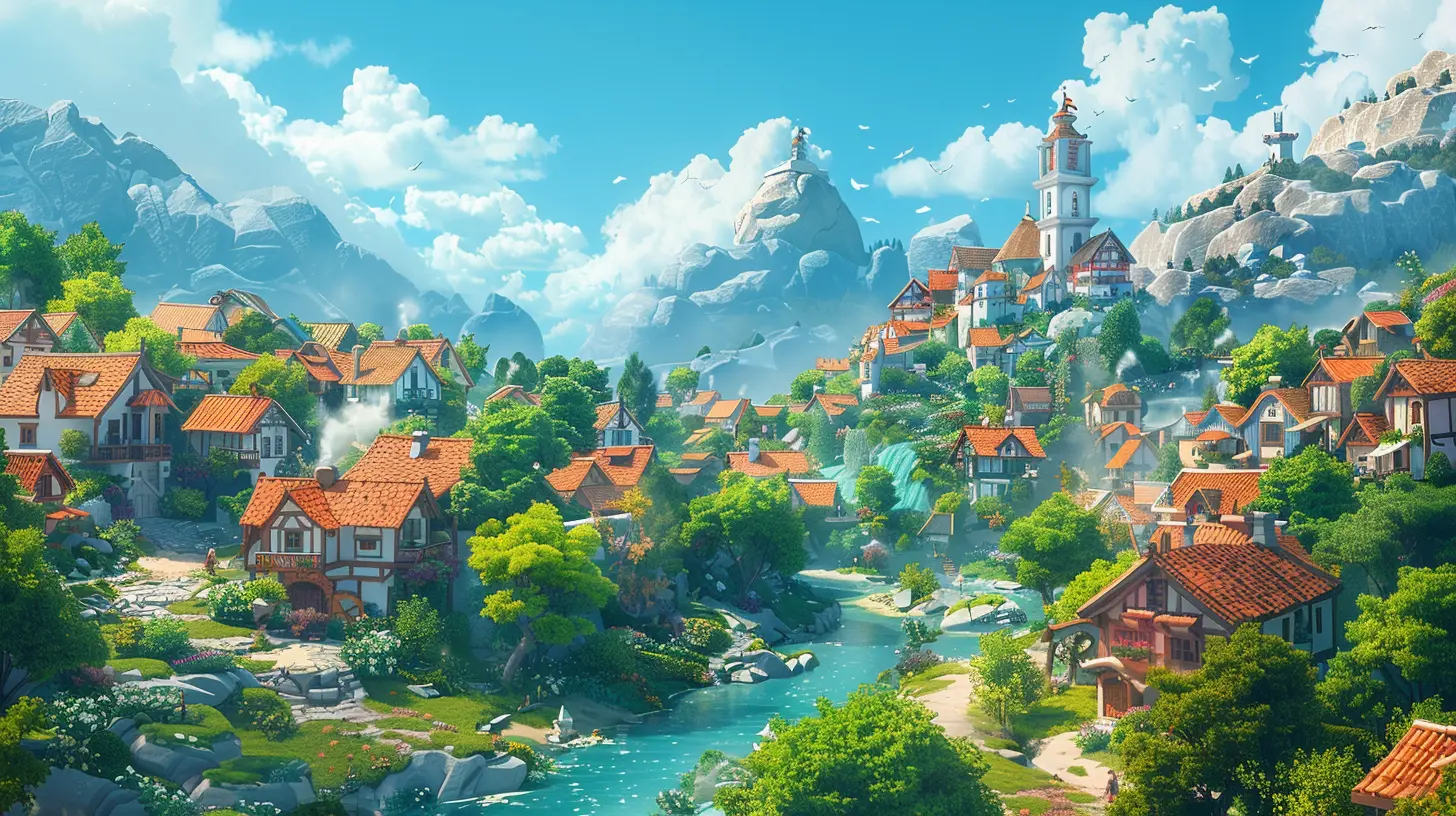
From Tap to Tale: A Quick Rewind
Before Candy Crush turned us all into sugar-addicted puzzle junkies, mobile games were the digital equivalent of chewing gum — fun for five minutes, then forgotten. They were made to kill time, not pull your heartstrings. Think Flappy Bird, Temple Run, Doodle Jump — simple, endless, and blissfully brainless.But somewhere along the way, developers said, “Hey, what if we actually made players feel something?”
Narrative slipped in like a ninja — first as light backstories (“You’re a wizard chef saving a magical restaurant!”), then with cutscenes, dialogue trees, plot branches, and even full-blown romance arcs.
Now, you’ve got games like Choices, Episode, and Lily’s Garden delivering gripping soap-opera-level drama in between puzzles and decorating tasks. Seriously, who knew planting tulips could come with so much emotional baggage?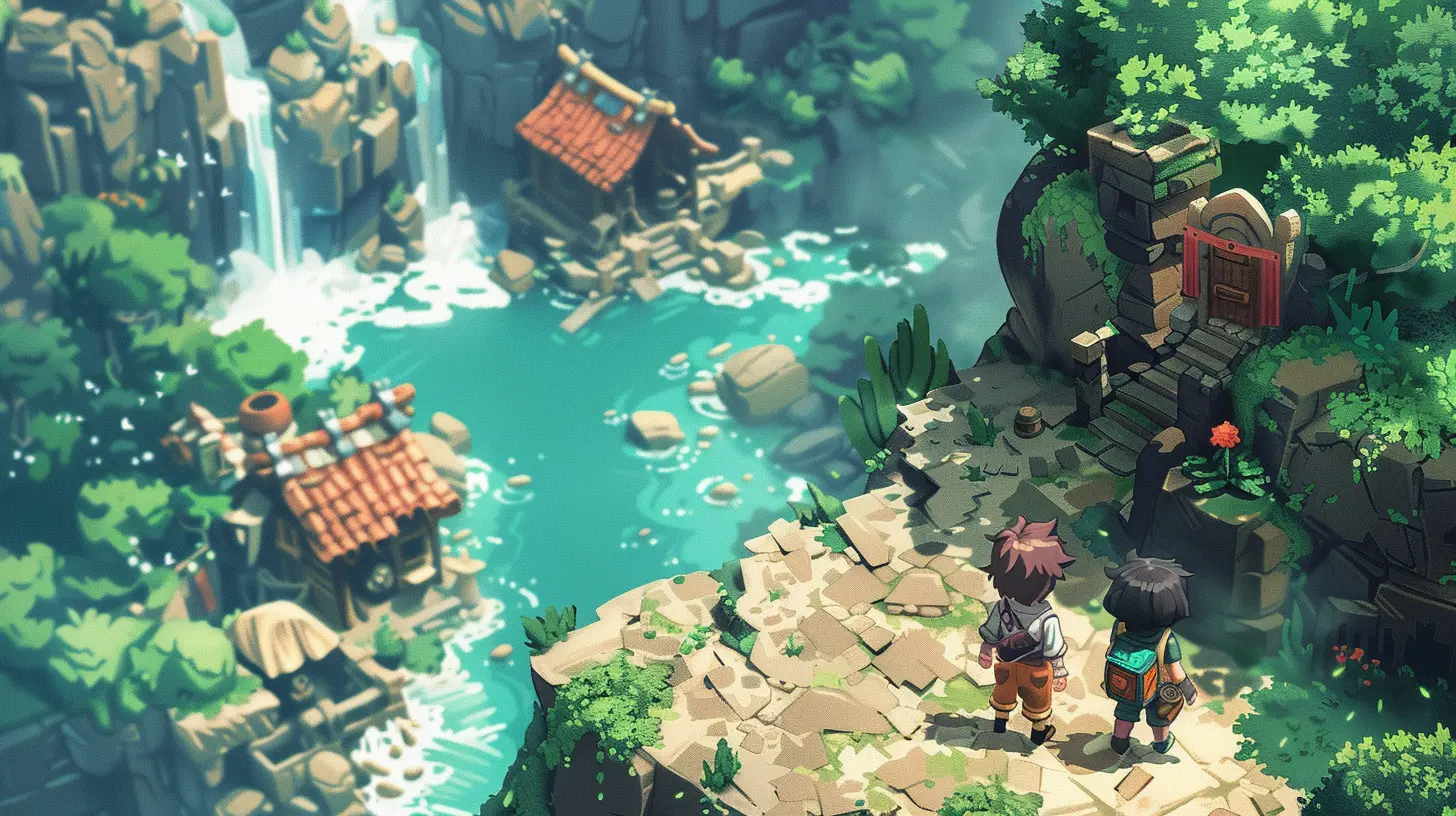
Why Narrative Works (Even When You’re Just Matching Tiles)
Let’s break this down with some good ol’ psychology and human behavior (but fun, promise).1. We’re Wired for Stories
Since cave days, humans have sat around fires, telling tales. Our brains crave stories. They help us make sense of the world, feel emotions, and, yep, bond with others — even digital characters.When you add a narrative to a mobile game, you’re not just giving someone a distraction, you’re handing them a reason to care.
Is Mia going to dump her cheating boyfriend and start her own flower shop? Will Max uncover the truth behind his missing sister while redesigning a creepy mansion? You need to know — and that’s powerful.
2. Casual Games = The New TV Show Binge
Think about it: Mobile games are low-commitment, easy to access, and come in quick episodes — just like your favorite streaming show. And just like cliffhangers keep you clicking “Next Episode,” a juicy plot twist gets you firing up the app the next day.The narrative gives casual games that addictive, serialized quality. You don’t just play to kill five minutes at the bus stop — you play to see what happens next.
3. Emotional Investment = Longer Play Time
From a dev’s perspective, story equals stickiness. Players who are emotionally invested stay longer, return more often, and, ahem, might just be tempted to fork over a dollar or two for that limited-time premium option to kiss the prince or unlock the next dramatic chapter. (No judgment — we’ve all been there.)It’s not manipulation. It’s smart engagement.
The Unexpected Genres Embracing Narrative
When you think "story," you probably picture RPGs or adventure games. But here's where it gets wild — narrative is sneaking into the most unexpected mobile game genres. Let’s take a peek.? Puzzle Games With Plot (Because of Course)
Take Lily’s Garden. On the surface, it’s just another match-3 game. But play a little, and suddenly you’re wrapped up in a tangled drama involving long-lost family secrets, love triangles, and small-town gossip worth its own reality show.Or Homescapes, which started as a decorating game but became an episodic journey through Austin the Butler’s bizarre family escapades. Yes, really.
The puzzles give you something to do. The storyline gives you a reason to keep doing it.
?️ Simulation Games Gone Soap Opera
Remember The Sims? Now imagine that, but you’re controlling someone’s messy love life while designing their dream bakery. That’s what games like Design Home and Project Makeover are doing. They blend customization with human drama.Even farming sims like Family Island toss in twists about lost civilizations, ancestor spirits, and sibling rivalries. Farming? More like Game of Thrones — but with pineapples.
? Interactive Stories & Book Apps
Apps like Choices, Chapters, and Episode are taking “reading on your phone” to a whole new level. You’re not just reading – you’re living the story. Choosing your dialogue. Flirting shamelessly with vampires or solving cold cases.These games are pure narrative. And they’re crushing it. Why? Because they make YOU the main character.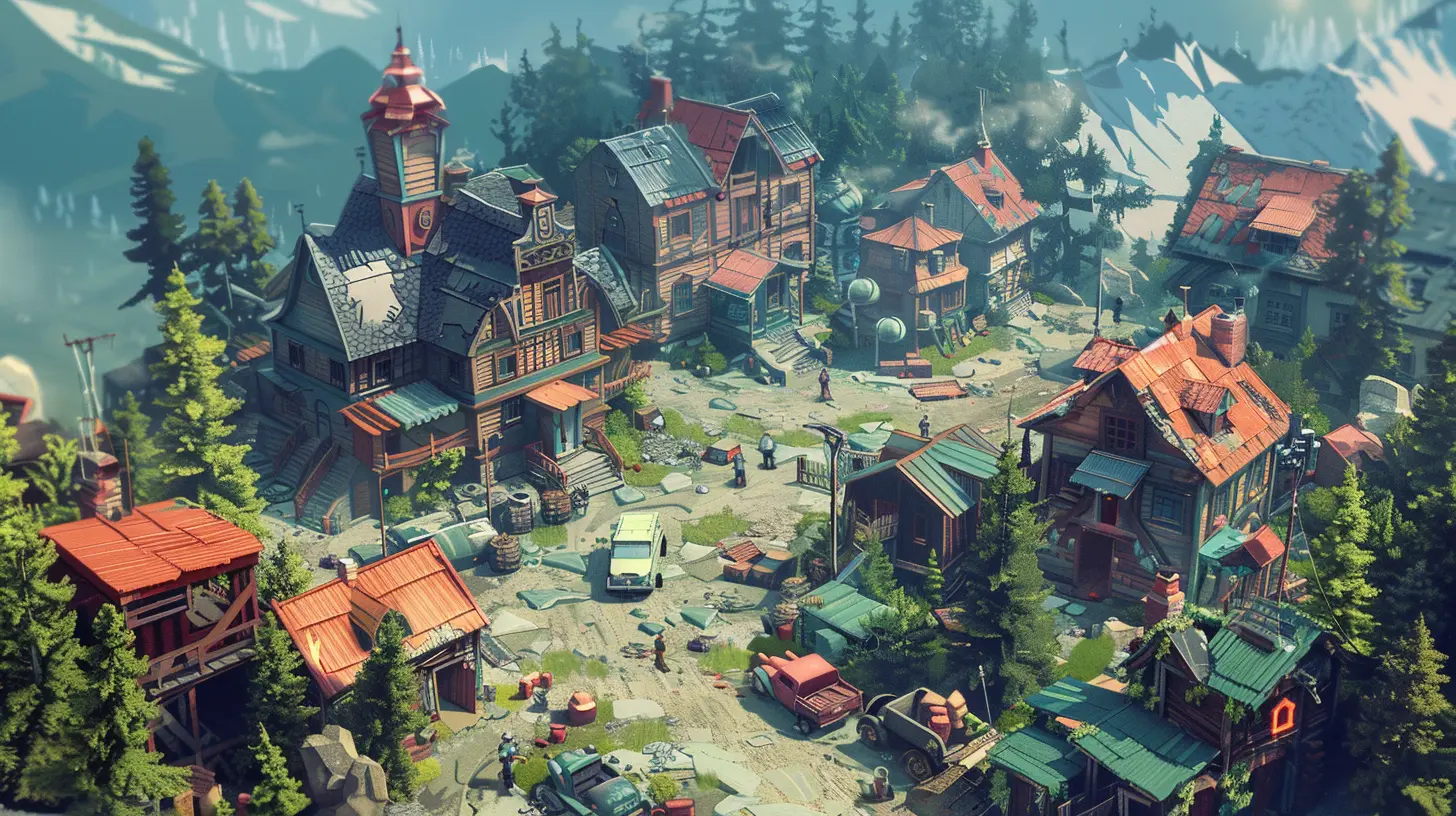
TikTok, Memes & Cliffhangers: The Rise Is Viral
You know what’s a perfect storm for going viral? A super-dramatic cutscene paired with a TikTok voiceover or meme caption.Mobile games are riding this wave hard.
Just search “Lily’s Garden ad” and welcome to a rabbit hole of ads so dramatic, they should have their own Emmy category. We’re talking about cheating scandals, secret pregnancies, angry in-laws — all in a gardening game.
These ads work because they hook you with a spicy narrative, not the gameplay loop. We don’t care about gems. We care about whether the ex-boyfriend gets what’s coming to him.
And guess what? That curiosity leads to downloads.
Why Gamers and Non-Gamers Alike Are Hooked
You might be thinking, “Isn’t this just for casual players?” Nope. Plot twist: Even hardcore gamers are sneaking off to romance a vampire in Choices during lunch breaks.It's Accessible
No steep learning curve. No fancy hardware. Just tap, read, and react.It's Personal
You choose the story, the path, the outcome. That sense of control? Chef’s kiss.It's Private
Nobody’s watching. Nobody’s judging. Your secret love affair with that billionaire firefighter? Safe and sound.The Big Studios Are Paying Attention
When big shots like Netflix are launching their own interactive games (hey Bandersnatch, we see you), and developers like Telltale and Quantic Dream are eyeing mobile platforms — you know the narrative shift is real.Even formerly puzzle-only games are now retrofitting stories into their updates. That’s not just fan service; it’s a strategic move.
Because players are showing where their loyalty lies — and it's with games that feel like something.
The Future? It’s Looking Like a Movie
With AI writing tools (don’t worry, not like this article — we’re all human here!) and better graphics engines for mobile, we’re heading toward fully cinematic experiences in casual games.Think voice acting, branching stories that respond to your choices across multiple seasons, and stories that evolve with the community.
Today’s narrative-based casual mobile game is tomorrow’s interactive, portable Netflix series.
And you, my dear reader, are the director, the star, and the audience.
Final Thoughts: It’s Not Just a Game — It’s Your Story
So, next time someone scoffs and says mobile games are all fluff, hit 'em with this truth bomb: They’ve evolved. They're telling stories worth seeing through. They’re letting us live out wild, emotional, dramatic, hilarious, ridiculous, or straight-up romantic fantasies — all within a few taps.Casual gaming isn’t just about passing time anymore. It’s about experience. It’s about narrative.
Welcome to the era where mobile games have plot – and we’re totally here for it.
all images in this post were generated using AI tools
Category:
Casual GamingAuthor:

Francesca West
Discussion
rate this article
2 comments
Zelda Cox
The integration of narrative in casual mobile games is a game changer. It adds depth and engagement, making these titles more immersive and memorable for players. Exciting times ahead!
May 30, 2026 at 3:04 AM
Francesca West
I completely agree. Narrative adds a new layer that keeps players coming back. It really enhances the overall experience. Glad to see this trend gaining traction!
Hawk Romero
Narrative depth in casual mobile games elevates player engagement, proving that storytelling can thrive even in bite-sized experiences.
May 4, 2026 at 4:08 PM
Francesca West
I completely agree. It's fascinating to see how even short narratives can create meaningful connections and enhance the overall gaming experience.