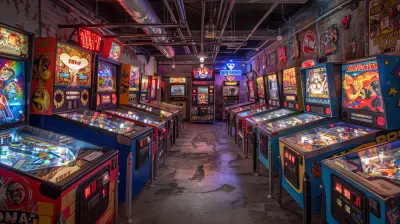
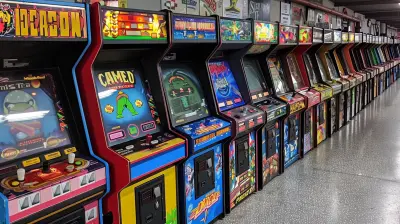
The Games That Are Winning Over Both Fans and Critics
15 June 2026
Let’s be honest—there are thousands of games that come out each year, but only a few break through that thick fog of releases to make a real impact. And we're not just talking about raking in cash, either. We're talking about the rare gems that not only satisfy the passionate cries of picky fans but also get a standing ovation from critics. Yep, those magical unicorn games that somehow manage to impress both sides of the gaming world.
So what makes a game win over fans and critics alike? Is it the story? The graphics? Gameplay? Maybe a bit of gaming magic? Let’s dive deep into the games that are currently winning hearts and topping charts in both the player and reviewer arenas.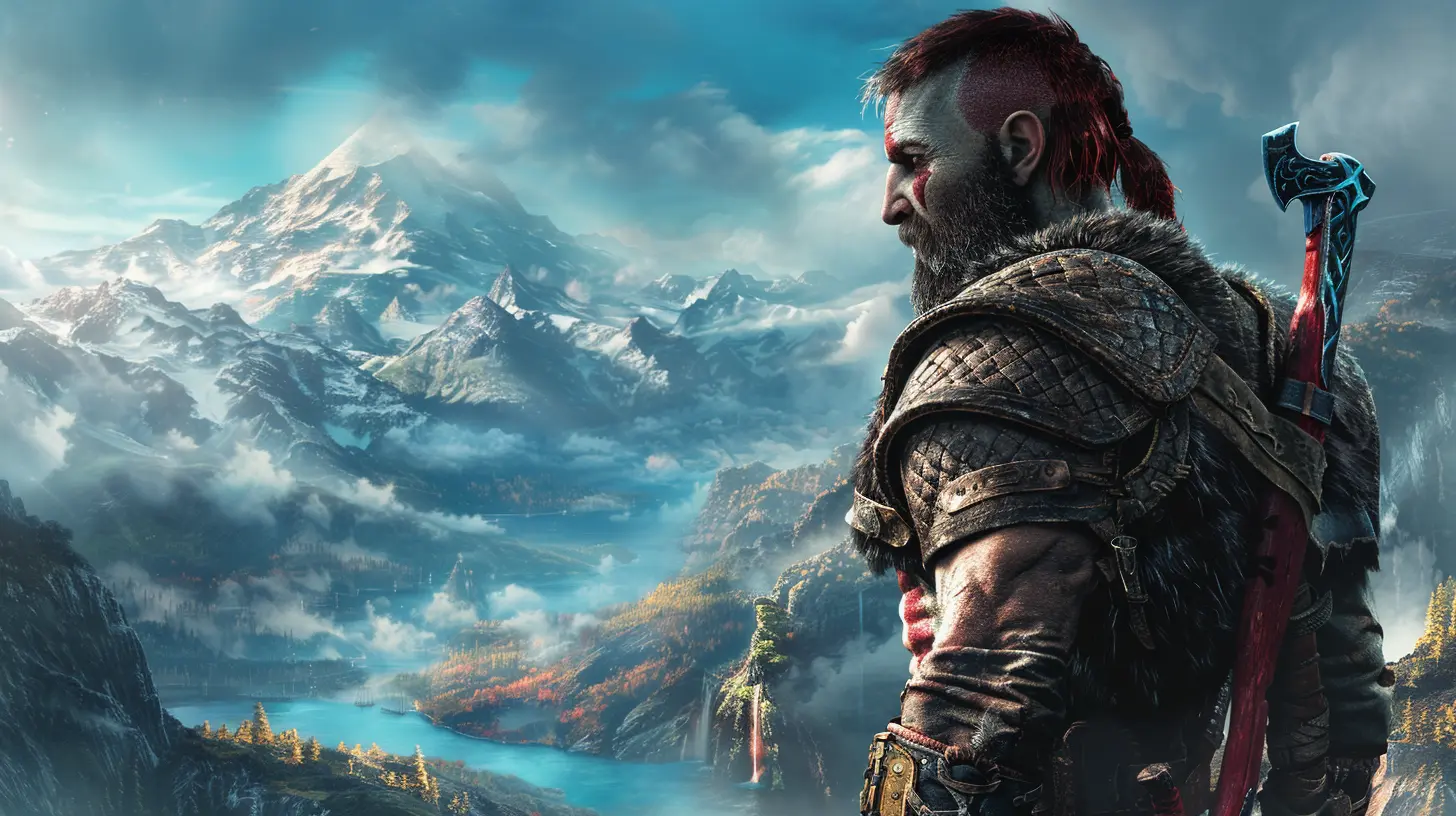
What Does It Mean to Win Over Both Fans and Critics?
Before we get into the actual games, let’s define what we’re talking about. Winning over fans? That’s about pleasing the masses—those who shell out their hard-earned cash and dedicate hours (or days!) into finishing storylines, unlocking achievements, and battling through boss fights.Critics, on the other hand, are a little more... surgical with their opinions. They’re judging mechanics, pacing, originality, art direction, and that ever-elusive "it" factor.
When a game gets praise from both camps? That’s when you know you’ve got a legend in the making.
1. Elden Ring – The Unexpected Mainstream Hit
FromSoftware, the devs behind Dark Souls and Bloodborne, are usually darlings of the hardcore gaming crowd. Their games are challenging, ruthless, and not exactly what you'd call “user-friendly.”But then came Elden Ring—a vast, open-world RPG that didn’t dial down the difficulty but still reached millions of casual gamers and won Game of the Year awards like it was collecting Pokémon.
Why Fans Love It
- A gigantic, hauntingly beautiful world that begs to be explored.- Deep lore co-written by George R.R. Martin (yep, the Game of Thrones guy).
- The freedom to approach combat and quests however you choose.
Why Critics Can't Stop Raving
- Masterful game design that rewards curiosity and experimentation.- A near-perfect balance between freedom and challenge.
- Innovation in combining traditional RPG elements with new-gen exploration.
Elden Ring didn’t just walk the tightrope between niche and mainstream—it did backflips on it.
2. The Legend of Zelda: Tears of the Kingdom – Sequel Gold
How do you follow up on a game as universally loved as Breath of the Wild? Somehow, Nintendo found a way with Tears of the Kingdom. They didn’t just build on the original—they soared with it (literally, thanks to sky islands).Why Fans Are Obsessed
- Expanded world, vertical exploration, and new abilities.- Classic Zelda charm meets next-gen creativity.
- Tons of puzzles, secrets, and side quests that feel genuinely rewarding.
Why Critics Applaud
- A level of polish that’s almost unheard of.- Intelligent mechanics like Fuse and Ultrahand that encourage creativity.
- A storytelling approach that deepens the already rich lore.
If Breath of the Wild was groundbreaking, Tears of the Kingdom is the temple built on that ground.
3. Baldur’s Gate 3 – A Love Letter to RPGs
This one came out of nowhere for a lot of people. A Dungeons & Dragons-based RPG? Sounds niche. But Baldur’s Gate 3 took that dice and rolled a natural 20.Why Fans Are Hooked
- Deep, branching narratives with real consequences.- Companions that feel like actual people (sometimes with better personalities than your real-life friends).
- A combat system that rewards strategy and creativity.
Why Critics Are Impressed
- Exceptional writing, voice acting, and world-building.- A game that respects player choices and makes them matter.
- Larian Studios raised the bar for CRPGs in a major way.
Whether you're a D&D nerd or a story-loving newbie, this game made everyone feel like they were part of something epic.
4. Resident Evil 4 Remake – Nostalgia Done Right
Remakes can be risky. Too faithful, and it feels outdated. Too different, and you risk alienating longtime fans. Capcom hit the sweet spot with the Resident Evil 4 Remake.Why Fans Keep Playing
- A faithful reimagining of a beloved classic with modern polish.- Tweaks that make combat smoother, scarier, and more strategic.
- Leon Kennedy being badass, as usual.
Why Critics Gave It the Thumbs-Up
- High production values and smart design changes.- Maintains the spirit of the original while improving nearly everything.
- A horror-action balance that just works.
It’s like watching your favorite old movie in IMAX for the first time—you already love it, but now it’s so much better.
5. Hades – The Indie Game That Turned Heads
Let’s talk about Hades, the game that turned every “I don’t like roguelikes” player into a fan. Supergiant Games pulled off an absolute masterclass in game design.Why Fans Are Obsessed
- Super smooth combat that feels good every time.- Unique dialogue that changes based on how you play.
- A story that's genuinely captivating even after dozens of runs.
Why Critics Fell In Love
- Incredible art direction and voice acting.- Smart, innovative narrative techniques in a genre not known for story.
- Balanced gameplay loop that rewards skill and persistence.
It’s like if Greek mythology and a Saturday morning cartoon had a baby—and that baby was somehow really good at punching monsters.
6. God of War: Ragnarök – A Fitting Finale
Fans had sky-high expectations after the 2018 God of War reboot. Luckily, God of War: Ragnarök met—and in some ways exceeded—those expectations.Why Fans Are All-In
- The emotional father-son arc between Kratos and Atreus.- Addictive combat that mixes myth with ultra-satisfying combos.
- Exploring Norse mythology through a new lens.
Why Critics Salute It
- Powerful storytelling blended seamlessly with action.- Incredible visuals, voice work, and pacing.
- An evolution of gameplay without losing what made the first great.
Ragnarök isn’t just a sequel—it’s the payoff to years of storytelling and growth, both for the characters and the studio.
Honorable Mentions That Still Deserve a Shout-out
Not every game makes the “legendary” tier, but a few others are definitely worth mentioning:- ? Hi-Fi Rush – A surprise rhythm action game drop that caught everyone off guard in the best way.
- ? Cyberpunk 2077: Phantom Liberty – A redemption arc done right.
- ? Sea of Stars – A love letter to classic JRPGs with modern innovation.
What Makes These Games Stand Out?
So, what’s the secret sauce here?1. Creative Freedom
Each of these games gives players the ability to express themselves—whether through choices, gameplay, or exploration.2. Respect For the Player
They don’t hold your hand, but they don’t shove you off a cliff either. It’s about giving tools and trust.3. The Magic "Feel"
Hard to describe, but you know it when you feel it. Whether it's snappy controls, immersive storytelling, or just that “one more level” addiction, these games click.How Game Developers Are Listening More Than Ever
Gone are the days when devs pushed out a product and moved on. Today’s studios are all about community feedback, post-launch updates, and engaging with players. That connection between devs, fans, and critics is narrowing—and we’re all better for it.Games like Baldur’s Gate 3 had extended early access to gather feedback. Cyberpunk 2077 clawed its way back through sheer will and constant updates. It’s proof that when the industry listens, everyone wins.
Final Thoughts
We’re in a golden age of gaming right now. Games aren’t just products—they’re experiences, stories, challenges, and sometimes even emotional journeys. The titles we've talked about didn’t just deliver—they over-delivered, leveling up what we expect from gaming as a medium.So whether you’re a die-hard fan who lives for launch days or a critic who dissects games like a fine wine, this era’s biggest hits are giving us all something to cheer about.
Now the only challenge? Finding enough time to play them all.
all images in this post were generated using AI tools
Category:
Game Reviews RoundupAuthor:

Francesca West
Discussion
rate this article
1 comments
Reagan Matthews
The article highlights an exciting trend where standout titles are captivating both fans and critics alike. This dual acclaim indicates a successful balance of gameplay mechanics and storytelling, appealing to diverse gaming demographics. It's fascinating to see how innovation and nostalgia can coexist, shaping a vibrant gaming landscape in 2023.
June 25, 2026 at 3:02 AM
Francesca West
I appreciate your insights! It's encouraging to see how games are striking that perfect balance. The blend of innovation and nostalgia really does make for a dynamic experience in today's gaming world.