The Evolution of User Interfaces in Game Design
17 February 2026
Video games have come a long way, haven’t they? Think back to those pixelated classics with clunky menus and minimal buttons. Now fast-forward to the present, where sleek, immersive interfaces practically pull you into another world. The evolution of user interfaces (UIs) in game design is nothing short of fascinating. So, let’s hit the pause button and dive into how UIs have evolved over time, shaping the way we experience games.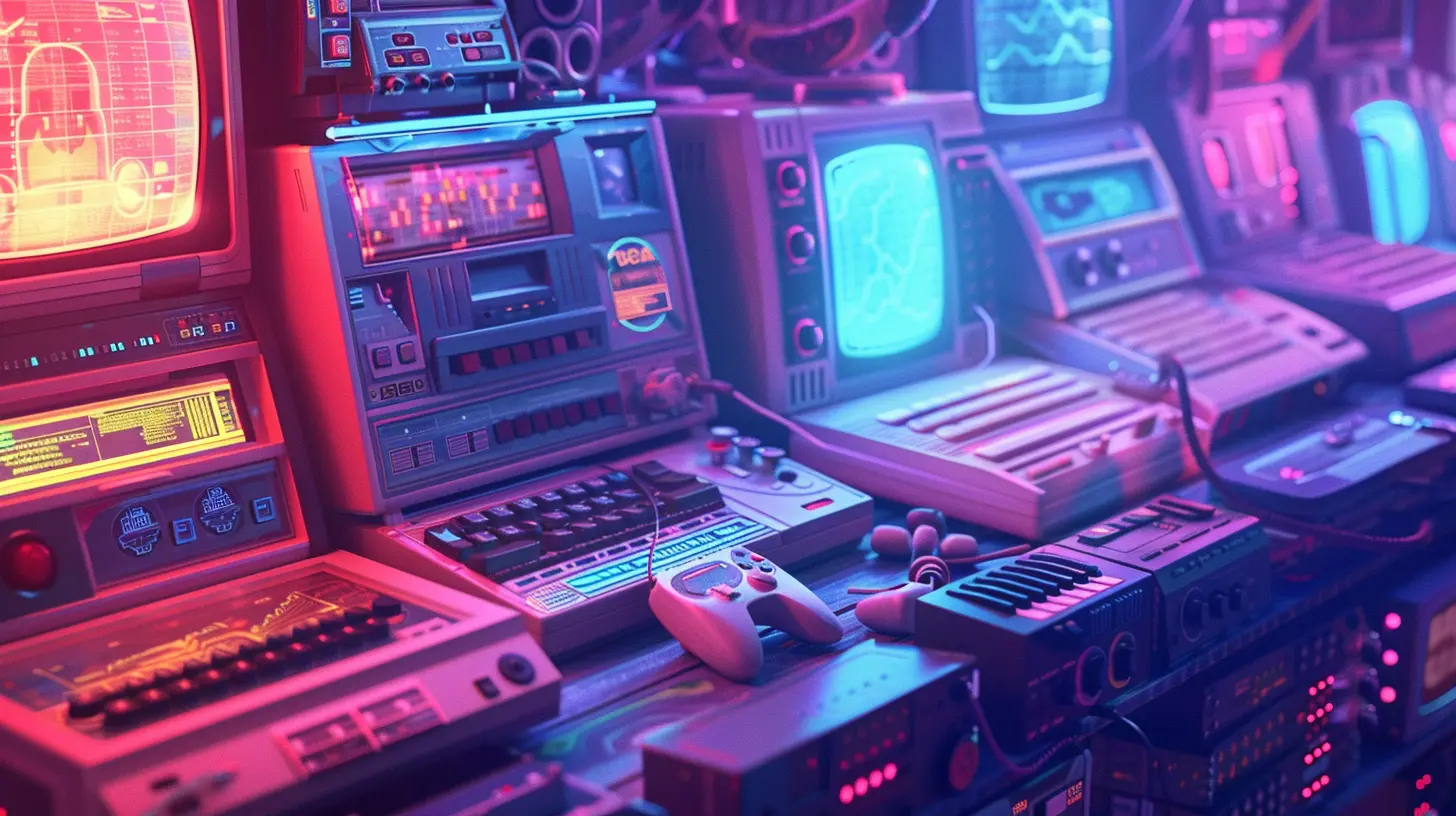
What Is a Game User Interface Anyway?
Before we get too deep, let's break it down. A game’s UI is basically how you interact with it—menus, HUDs (heads-up displays), inventory screens, maps, and more. It’s like the bridge between you and the game world, helping you make sense of what’s going on and what you need to do.A poorly designed UI? That’s like being handed a treasure map...but in a foreign language. A well-designed UI, however, feels natural and intuitive, letting you focus on what really matters—kicking butt, solving puzzles, or saving the world.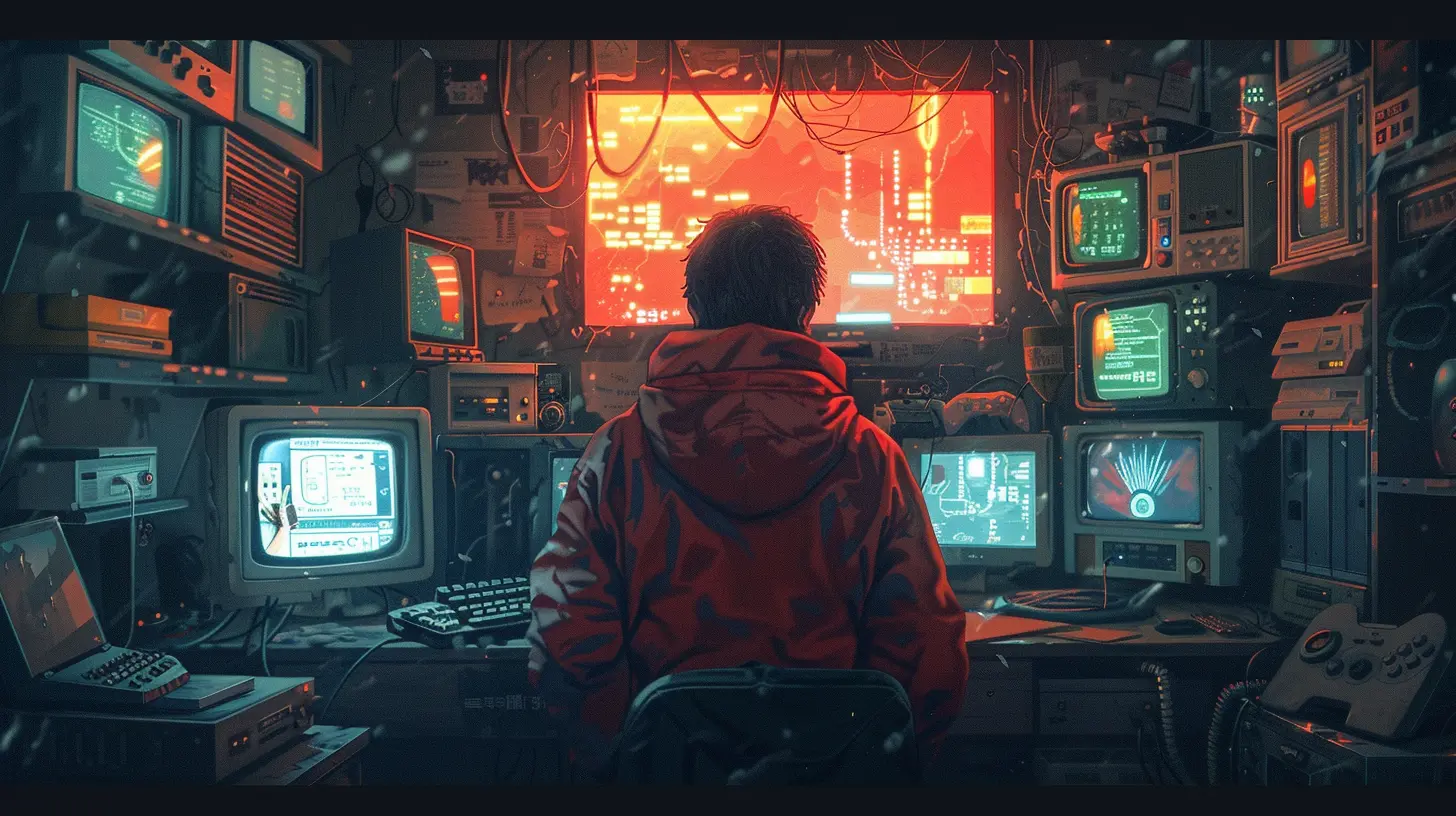
Pong and the Birth of Simplicity
Let’s rewind to 1972. When "Pong" hit the scene, the UI was as barebones as it gets—a score tracker. That’s it. No health bars, no inventory, no fancy menus. But back then, players didn’t need more. The simplicity worked because the game itself was simple.It’s kind of like learning to ride a bike. You don’t start with bells and whistles; you just pedal and go. Pong's UI was the training wheels of gaming—straightforward yet effective.
The 8-Bit Era: Basic But Functional
Fast forward to the ’80s, and games became a bit more complex. Titles like "Super Mario Bros." (1985) introduced HUDs. You had your score, lives, and time displayed on the screen. It told you the basics and stayed out of your way.But let’s be honest, it wasn’t sophisticated. It was like writing notes on a sticky pad—useful, but not exactly groundbreaking. The UI did its job, but it wasn’t about to win any design awards.
Enter the ’90s: UIs Get Flashy
The 1990s were when things really started to heat up. Think "The Legend of Zelda: A Link to the Past" or "Doom." These games introduced more layered interfaces—mini-maps, health bars, ammo counters, and even intricate inventory systems.It was a time of experimentation. Developers were like kids in a candy store, trying out all kinds of ideas. Some worked brilliantly (hello, "Final Fantasy" menus!), while others… not so much. But hey, isn’t trial and error part of the journey?
The 2000s: Immersion Takes the Stage
Now we’re cooking. The 2000s were when UIs started to disappear—or at least blend more seamlessly into the game. Remember "Dead Space"? Its health bar was integrated directly into the character’s suit. Pure genius, right? It kept you focused on the action instead of glancing at a corner of the screen.This era was all about immersion. Developers wanted you to forget you were playing a game. It’s the UI equivalent of a magician performing a flawless trick—you don’t see how it’s done; you just enjoy the magic.
Modern UIs: Tailored for Everyone
Today, UIs are more versatile than ever. Games like "The Witcher 3" or "Cyberpunk 2077" offer customizable HUDs. Don’t care about your mini-map? Turn it off. Need larger text? You got it. Modern UIs are all about accessibility and personal preference.And let’s not forget VR and AR. These technologies are flipping the script entirely. In VR games, the UI often exists in 3D space around you, making the experience even more immersive. It’s like stepping into Iron Man’s suit and seeing the world through his eyes.
Minimalism vs. Information Overload
Ever noticed how some modern games are all about minimalist UIs, while others throw info at you from every direction? It’s a balancing act.Games like "Journey" take a less-is-more approach—no HUD, no clutter, just you and the visuals. Meanwhile, games like "World of Warcraft" bombard you with meters, cooldowns, and chat windows. Neither is right or wrong; it just comes down to what fits the game.
It’s like decorating a room. Some people love clean, empty spaces, while others fill every inch with knick-knacks. Both can look amazing if done well.
The Role of Feedback
One thing UIs excel at today is giving you feedback in real time. Think about it—when you’re low on health, the screen flashes red. When you score a critical hit, the game might freeze for a split second to emphasize the impact.This kind of feedback makes UIs more than just a bunch of static icons. They actively communicate with you, guiding your actions and decisions without saying a word. It’s like having a non-verbal friend who just “gets” you.
Accessibility: Everyone Gets to Play
Modern UIs are also breaking down barriers. Features like colorblind modes, text-to-speech, and scalable interfaces ensure that gaming is inclusive. And honestly? It’s about time.Games like "The Last of Us Part II" set new standards for accessibility, with options so detailed that virtually anyone can tailor the UI to suit their needs. Think of it like tailoring a suit—it just fits better when it’s made for you specifically.
The Future: What’s Next for Game UIs?
So, where do we go from here? One word: innovation. With advancements in AI, we might see UIs that adapt to your playstyle in real time. Imagine a HUD that learns what you focus on and adjusts itself accordingly.Then there’s cloud gaming and streaming, which could change UIs entirely. Games designed for platforms like Netflix Gaming might have interfaces optimized for touch controls or even voice commands.
And let’s not forget the metaverse. If we’re stepping into persistent virtual worlds, the UI will be a critical part of how we interact with those spaces. It’s like we’re building the highways of a digital universe, and UIs are the road signs that keep us from getting lost.
Final Thoughts
The evolution of user interfaces in game design is a journey of trial, error, and incredible creativity. From Pong's humble beginnings to the immersive experiences of today, UIs have transformed gaming into something far greater than just pressing buttons.It’s funny to think about, isn’t it? As much as we rave about graphics, storylines, and gameplay, a killer UI is what truly makes or breaks a game. It’s the unsung hero of design—always there, quietly enhancing our experience. And honestly? We wouldn’t have it any other way.
all images in this post were generated using AI tools
Category:
Game DesignAuthor:

Francesca West
Discussion
rate this article
2 comments
Zevon Coleman
User interfaces in gaming have come a long way, from clunky menus to sleek designs that practically spoon-feed us information. But let’s be real: if I wanted a degree in UI design, I’d have gone to art school. Give me intuitive, not invasive!
March 3, 2026 at 5:20 AM
Francesca West
I completely agree! Striking the right balance between intuitive design and user immersion is key. Players appreciate seamless interactions without feeling overwhelmed by excess information.
Kian Mullen
User interfaces in game design have transitioned from simple text commands to immersive, intuitive experiences, reflecting advancements in technology and player expectations. Truly fascinating evolution!
February 20, 2026 at 5:23 AM
Francesca West
Thanks for your thoughts! The shift to more immersive interfaces really shows how technology and player expectations shape game design. Exciting times ahead!