The Evolution of Character Building in Modern RPGs
21 February 2026
Ah, character building in RPGs. Once a simple process of choosing “Sword Guy” or “Magic Gal,” it’s now a maze of decision-making that could rival buying a house. You ever stared at a skill tree for ten minutes and then just shut the game off? Yeah, me too.
In this delightful deep dive, we’re taking a turbo-charged ride through the pixel-packed past, present, and future of character building in modern RPGs. So grab your potions, sharpen your stats, and let’s talk about how we went from rolling dice to agonizing over 47 passive abilities we may never use.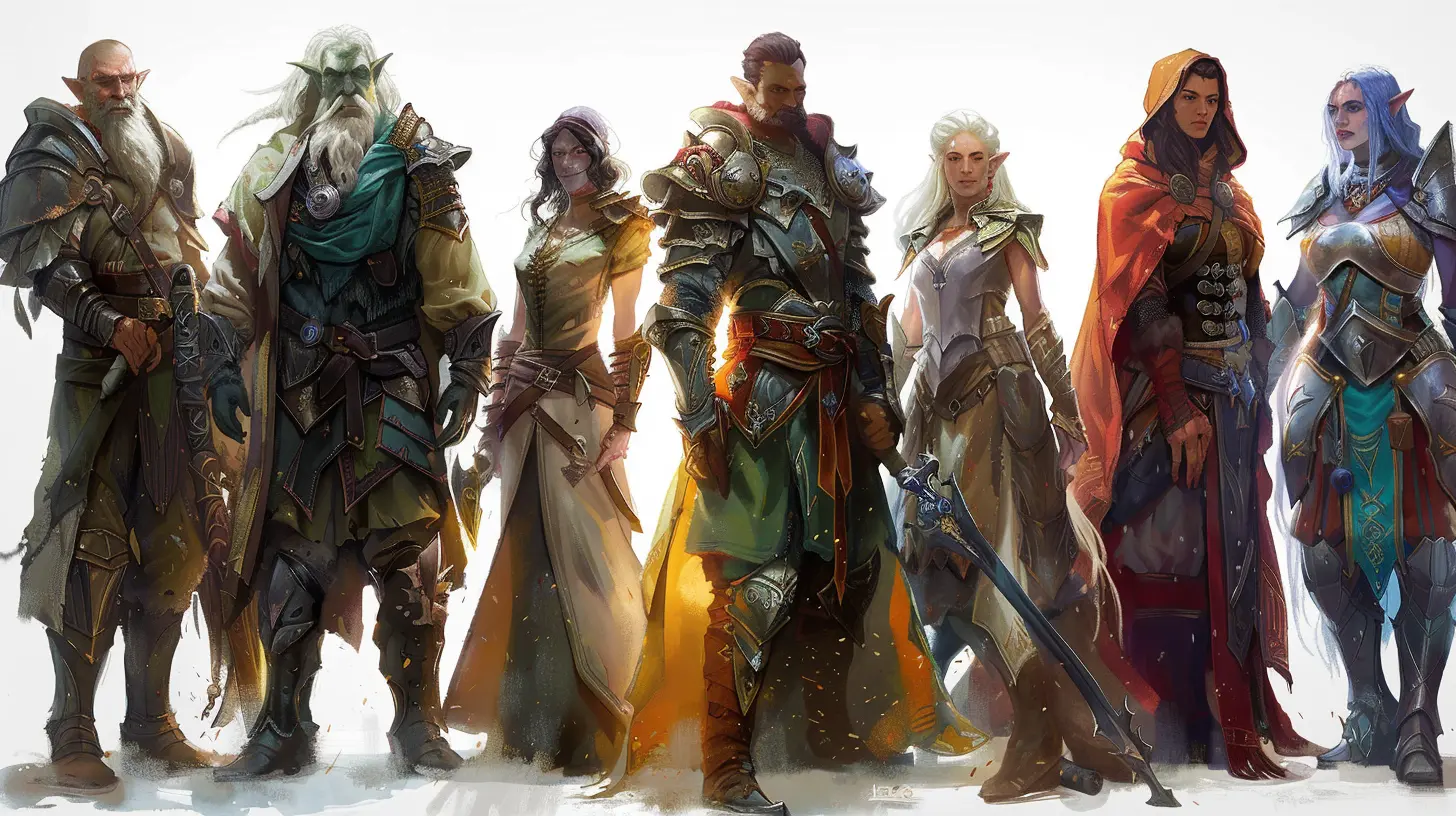
Back in My Day: A Quick Look at RPG Character Building Origins
Before RPGs had graphics that made your GPU cry, character creation was a pretty straightforward affair. Early RPGs, like the original Final Fantasy or Dragon Quest, didn’t offer a lot of room for flair. You’d pick a class, maybe name your character “Buttz” because you were 12, and off you went!The choices were binary. Warrior or Mage. Hit stuff hard or make stuff go boom. End of story.
But even in those early days, the magic was there—character building was about crafting your own hero, your own path. Even if that path involved walking into random battles every two feet.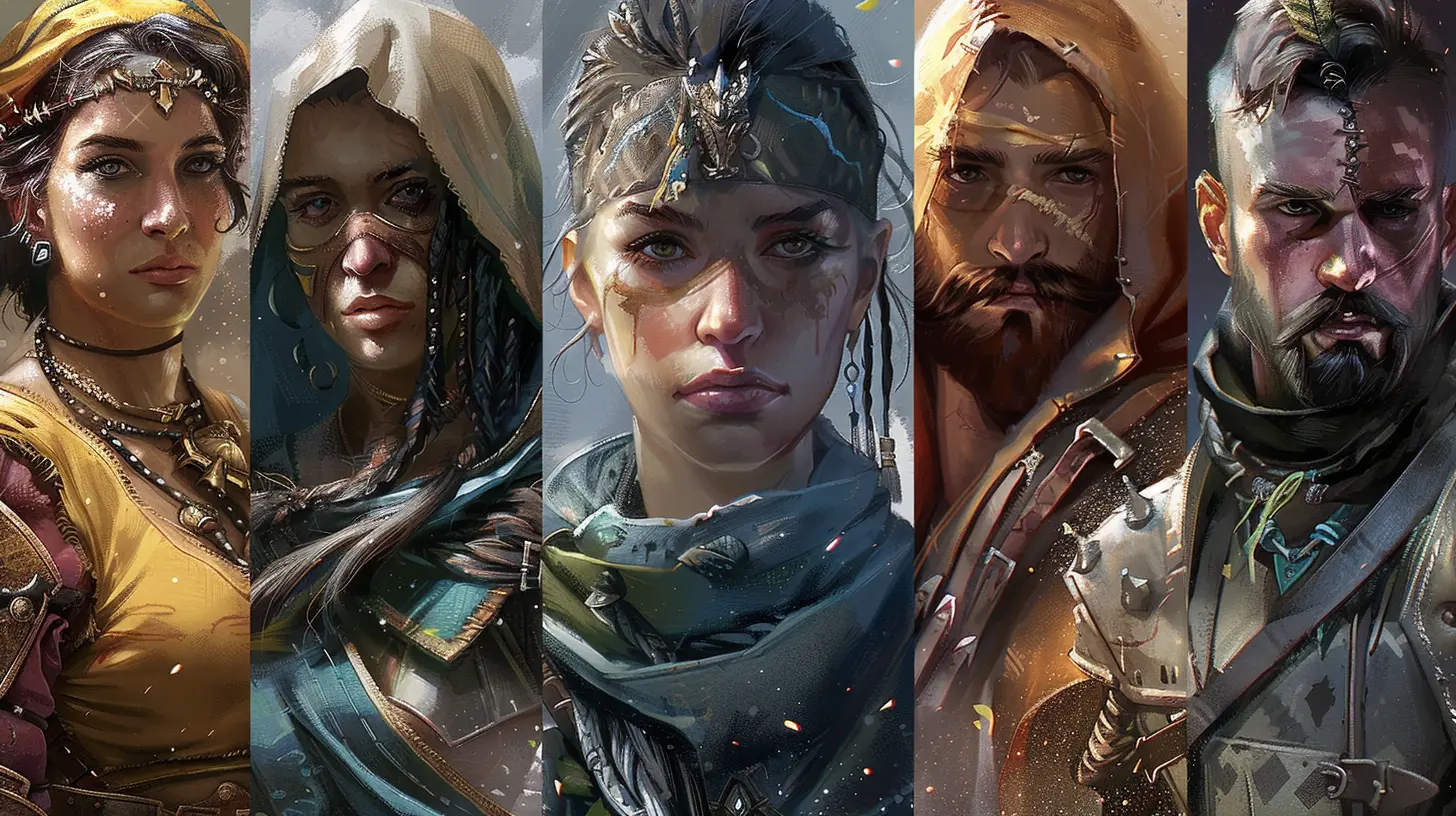
Enter the Skill Tree: The Birth of Customization
Then, somewhere along the line, someone at a game studio looked at the old class system and said, “What if... more?"Cue the invention of the skill tree. Games like Diablo II or The Elder Scrolls series introduced entire networks of abilities and perks that allowed players to specialize—not just in swordplay, but in fire swordplay. Or sneaky fire swordplay. Or healing others while setting the world on fire. (You do you.)
Suddenly, character building wasn’t just a menu option; it was a lifestyle.
The Pressure of Infinite Choice
But with great customization comes great analysis paralysis. Raise your hand if you've rerolled your character three hours in because you realized you misspent a single stat point. Yep. You are not alone, fellow min-maxer.Modern RPGs give us more choices than a Netflix menu. Want to be a stealthy pyromancer who’s also a smooth-talking alchemist? Sure. A shield-bashing bard who moonlights as a necromancer? Go wild.
The sky’s the limit—and also the source of your anxiety.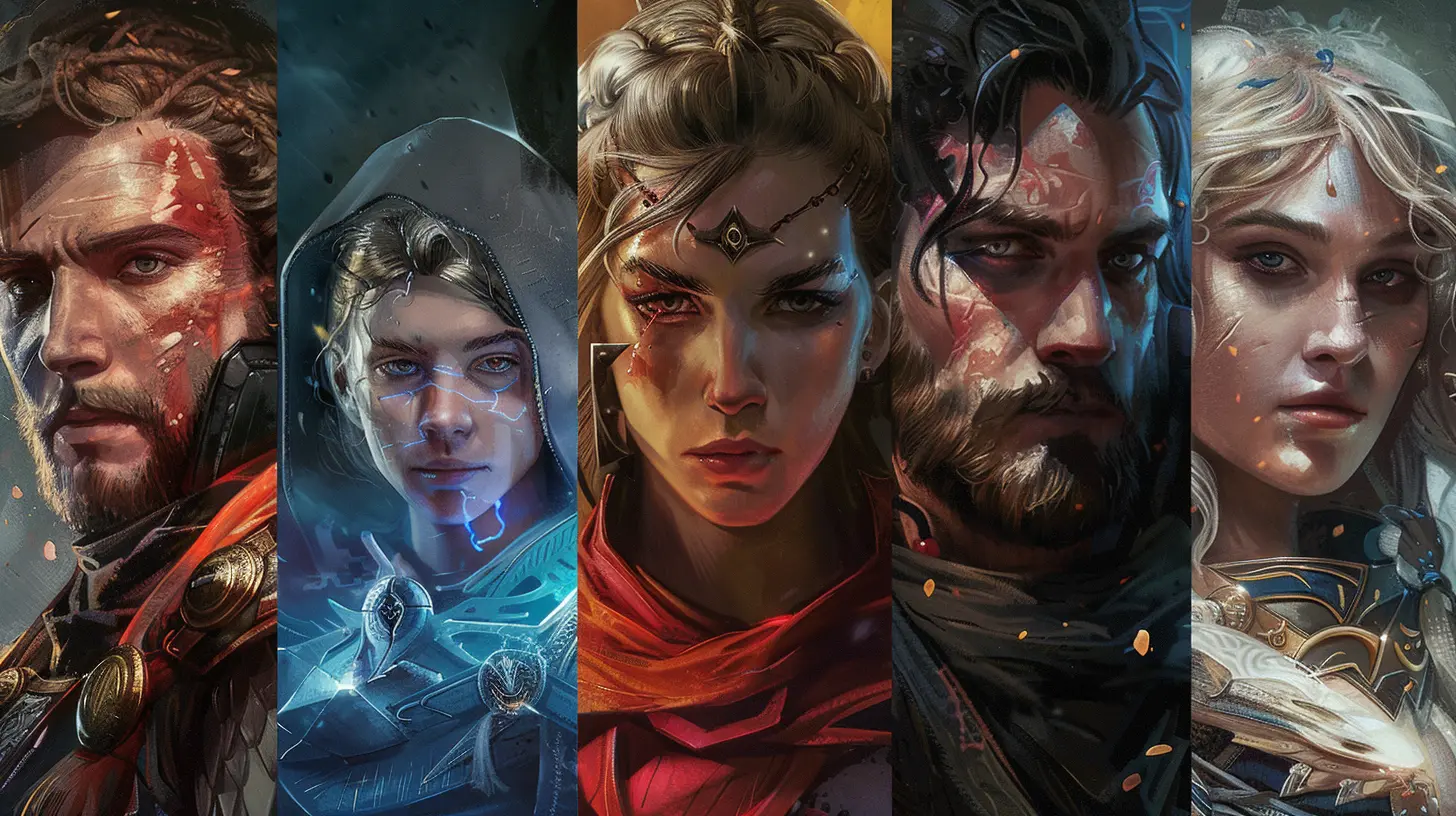
Moral Alignment: When Roleplay Gets Real
Let's not forget the emotional rollercoaster of moral alignment systems. Games like Baldur’s Gate, Mass Effect, and The Witcher didn’t just ask what sword you wanted. They asked what kind of person you wanted to be.Want to save the villagers and be a paragon of virtue? You’re a classic good guy.
Want to burn the village because someone looked at you funny? You’re...probably on a watchlist.
Moral choices have become a huge part of character building. They don’t always affect your stats, but they influence your story, interactions, and internal dialogue when you try to sleep at night. And let's be real—sometimes it's fun to play the bad guy, just to see what happens.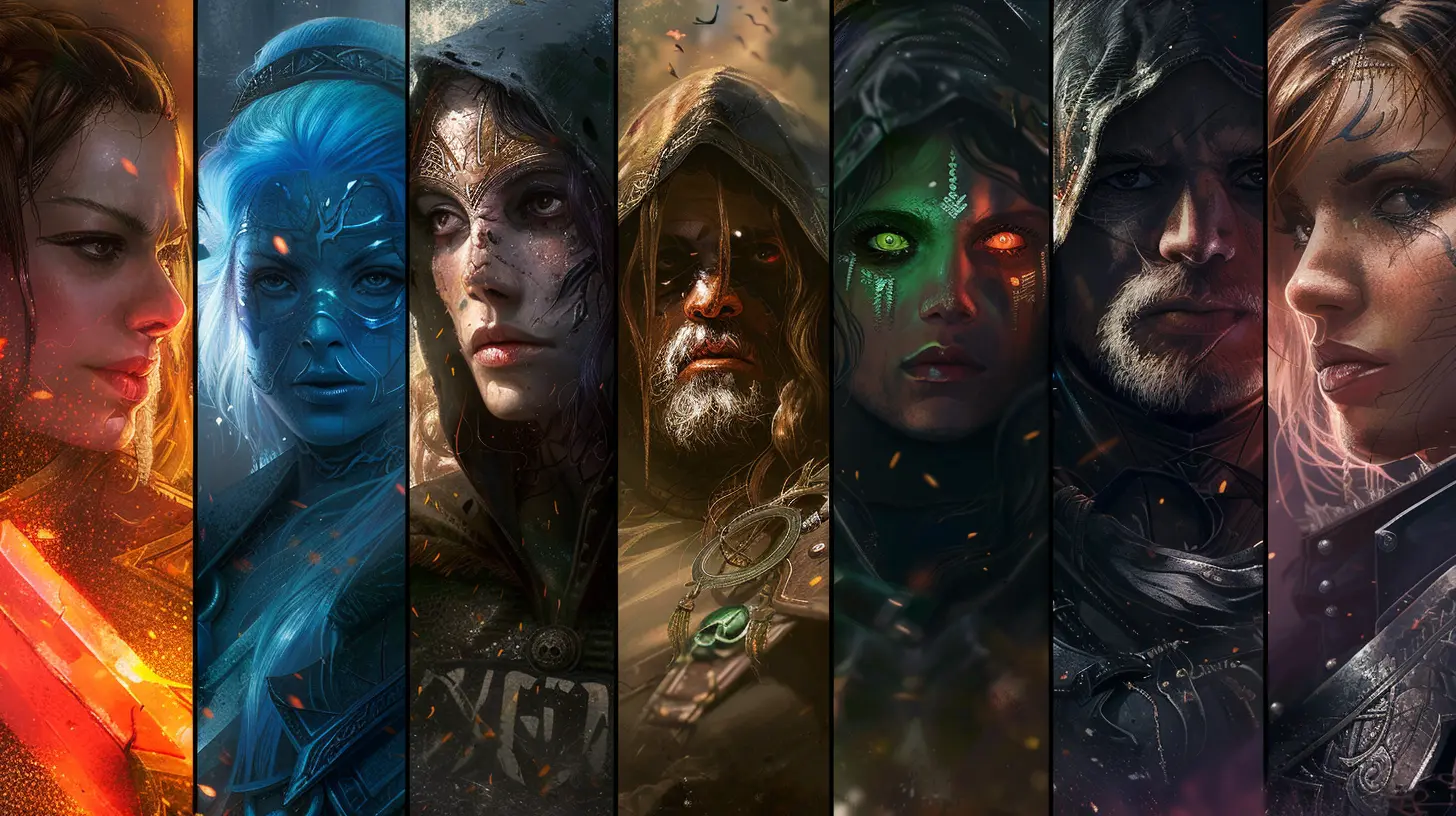
Stats, Skills, and Subsystems: Oh My!
Character building is no longer just about assigning points. Nope. Now we’ve got:- Perks: Passive bonuses like “+10% faster reloading,” which you obviously need, even if you’re playing a sword-wielding knight.
- Backgrounds: Were you a street kid or a corporate drone? Your whole backstory now changes how people talk to you. NPCs care about your resume!
- Factions and Reputations: Your actions affect how groups treat you. Kill one chicken in Skyrim and suddenly the whole town wants you dead. Chill, folks.
The Rise of Hybrid Builds
Modern RPGs encourage a little bit of everything. Gone are the days when warriors couldn't cast a healing spell without giving up their sword. Now, you can mix and match to your heart’s delight.Want to throw fireballs while dual-wielding axes? There’s probably a build for that. Might not be optimal, but hey—it’s your party, and you’ll burn things if you want to.
Character Building as a Narrative Device
Modern RPGs have taken it a step further. It’s not just about building a character mechanically—it’s about telling YOUR story.Games like Disco Elysium flipped the script and made your mental stats part of the narrative. Your high Empathy skill? It talks to you. Your Authority skill? Also has opinions. It’s like having a Greek chorus in your brain... but sassier.
And then there’s Cyberpunk 2077, where your background and choices directly affect who you meet, where you go, and which endings you unlock. It’s character building as a story engine—less about numbers, more about nuance.
Multiplayer Mayhem: Character Building in Online RPGs
Let’s not forget the MMORPGs—where your character build determines whether people will want you in their raid party or pretend you don’t exist.In games like World of Warcraft, Final Fantasy XIV, or Elder Scrolls Online, your build can be a social status symbol. "Oh, you’re using THAT armor set? Cute."
But hey, it’s also collaborative. Builds can be shared, debated, and perfected with the hive mind of Reddit and Discord. Nothing says “community” like arguing over whether to boost Crit Chance or Damage Over Time.
The Min-Max Trap: When Optimization Steals the Fun
Can we talk about the dark side of character building? The Min-Max rabbit hole. You know what I mean.One minute you’re just looking at a wiki to understand what “Poise” does. Three hours later you have a spreadsheet open, a calculator in hand, and you're doing theoretical math trying to squeeze one more Strength point out of your build.
And let me tell you something: the game doesn’t care. That skeleton archer is still gonna one-shot you from three counties away. But hey, at least you’ll die knowing you optimized your critical damage based on lunar moon phase synergy.
Character Building Outside of Combat
Let’s not ignore the unsung heroes of the RPG world: charisma checks, persuasion, stealth, crafting, and good ol’ fashioned bartering.Games like Starfield, Dragon Age, and Fallout have shown that talking your way through a problem is just as valid as axing your way through it. Sometimes more fun, honestly.
Ever convinced a villain to walk away from their evil plan because you had high Speech skills? That’s character building, baby. And it's glorious.
The Future of Character Building: What’s Next?
Where do we go from here? VR-based RPGs where our real-life fitness stats affect our in-game performance? (If that happens, I call dibs on the Couch Potato Mage class.)We're already seeing AI-generated narratives, dynamic dialogue systems, and branching paths so complex they make a spaghetti chart look neat. The future is going to be about deep personalization. Your character won’t just be unique in stats—it’ll be unique in how the world reacts to them.
It’s going to be weird. It’s going to be wonderful. And probably overwhelming. But hey, that’s what we signed up for when we chose “RPG nerd” as our own character class in real life.
Final Thoughts: From Pixels to Personas
Character building in modern RPGs has evolved from mere number crunching to a full-blown identity simulator. Your choices—statistical, moral, narrative—shape every second of your experience.And sure, sometimes you’ll mess up your build and halfway through the game wish you’d picked different perks. But that’s part of the fun. It’s the journey, not the stat sheet.
So next time you're agonizing over whether to boost Intelligence or Agility, remember: you're not just building a character. You're building a story. Your story.
And it’s gonna be epic.
all images in this post were generated using AI tools
Category:
Character BuildsAuthor:

Francesca West
Discussion
rate this article
2 comments
Lydia White
This article brilliantly captures the transformation of character building in RPGs, highlighting how modern mechanics enhance player agency and storytelling. A must-read for fans and developers alike!
February 25, 2026 at 3:37 AM
Francesca West
Thank you for your kind words! I'm glad you enjoyed the article and found it insightful.
Viva McDonough
Old school? So last level!
February 23, 2026 at 3:52 AM
Francesca West
Thanks for the feedback! The evolution of character building continues to blend classic elements with innovative mechanics.