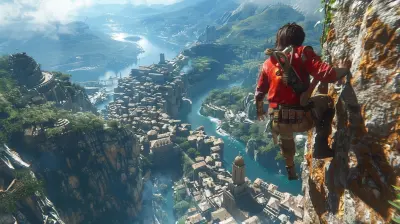
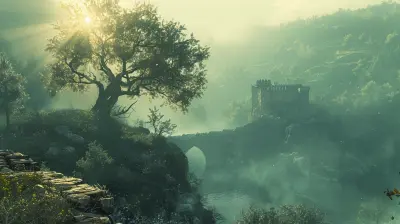
The Art of Environmental Storytelling in Games
26 January 2026
Video games have this incredible way of pulling us into their worlds, don’t they? Sometimes it’s the pulse-pounding action or the gripping narrative, but other times, it’s just the world itself that grabs us. You know that moment when you’re wandering through a quiet, crumbling city in a game, and without a single line of dialogue or a flashy cutscene, you feel like you understand what happened there? That, my friend, is the magic of environmental storytelling.
But what exactly is environmental storytelling, and why does it matter so much? Let's chat about it. I promise, this isn't a stiff lecture—it’s more like we’re just geeking out about something we both love. By the end of this, you’ll see why it’s one of the most powerful tools in game design and how it can leave a lasting impression on players.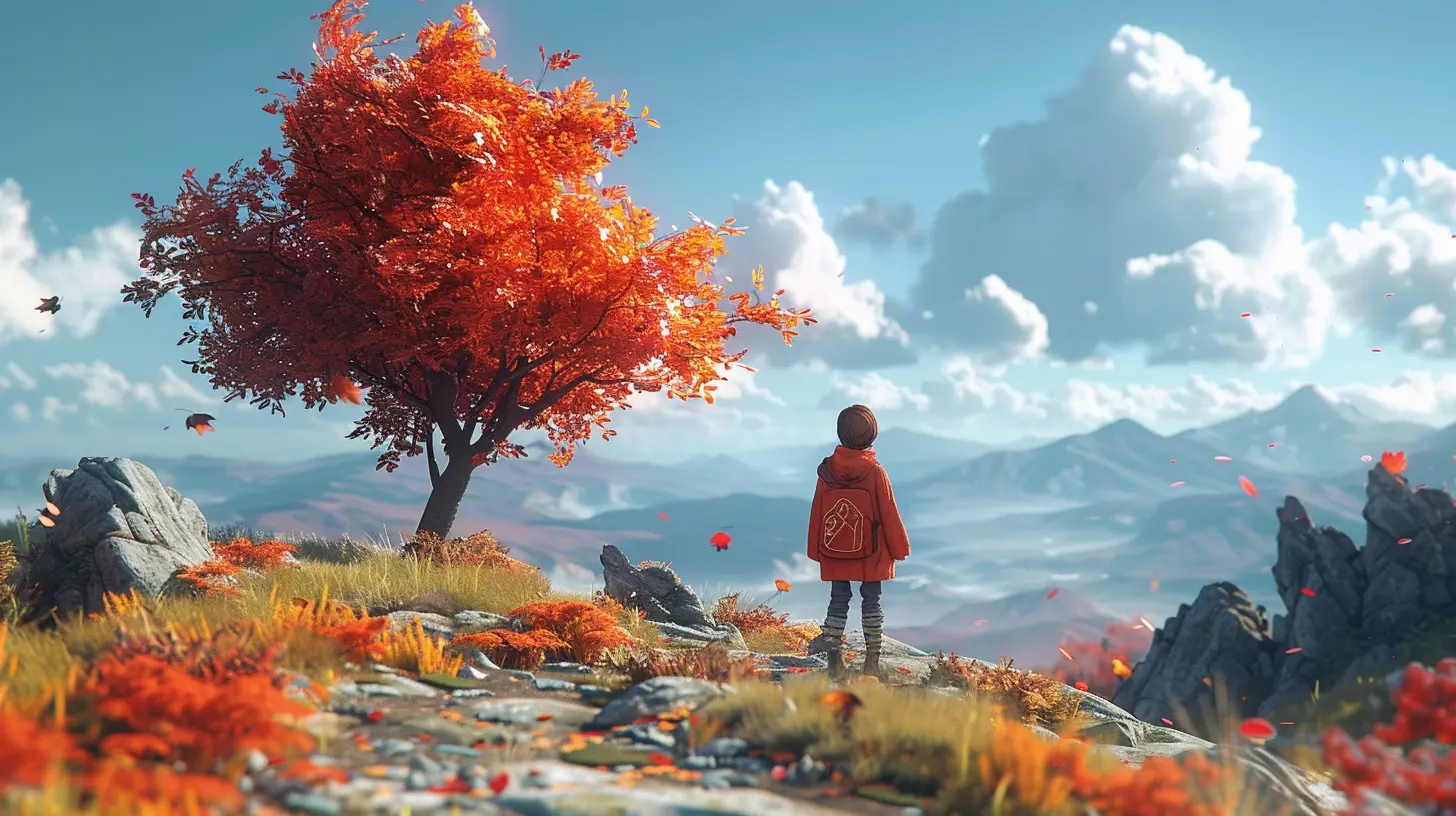
What Is Environmental Storytelling?
At its core, environmental storytelling is the art of using the game’s world—the spaces, objects, and surroundings—to tell a story. No dialogue. No exposition dumps. Just the environment itself.Think of it like walking into someone’s home. Without them having to say a word, you can pick up on details: the books on the shelf might hint at their interests, the scattered toys might suggest they have kids, and that messy kitchen? Well, let’s just say they’ve been busy. Games do something similar. They use the spaces and objects in their world to whisper stories to the player.
And the beauty of it? It’s subtle and non-intrusive. It’s storytelling without spoon-feeding. You, as the player, piece it together yourself like a detective.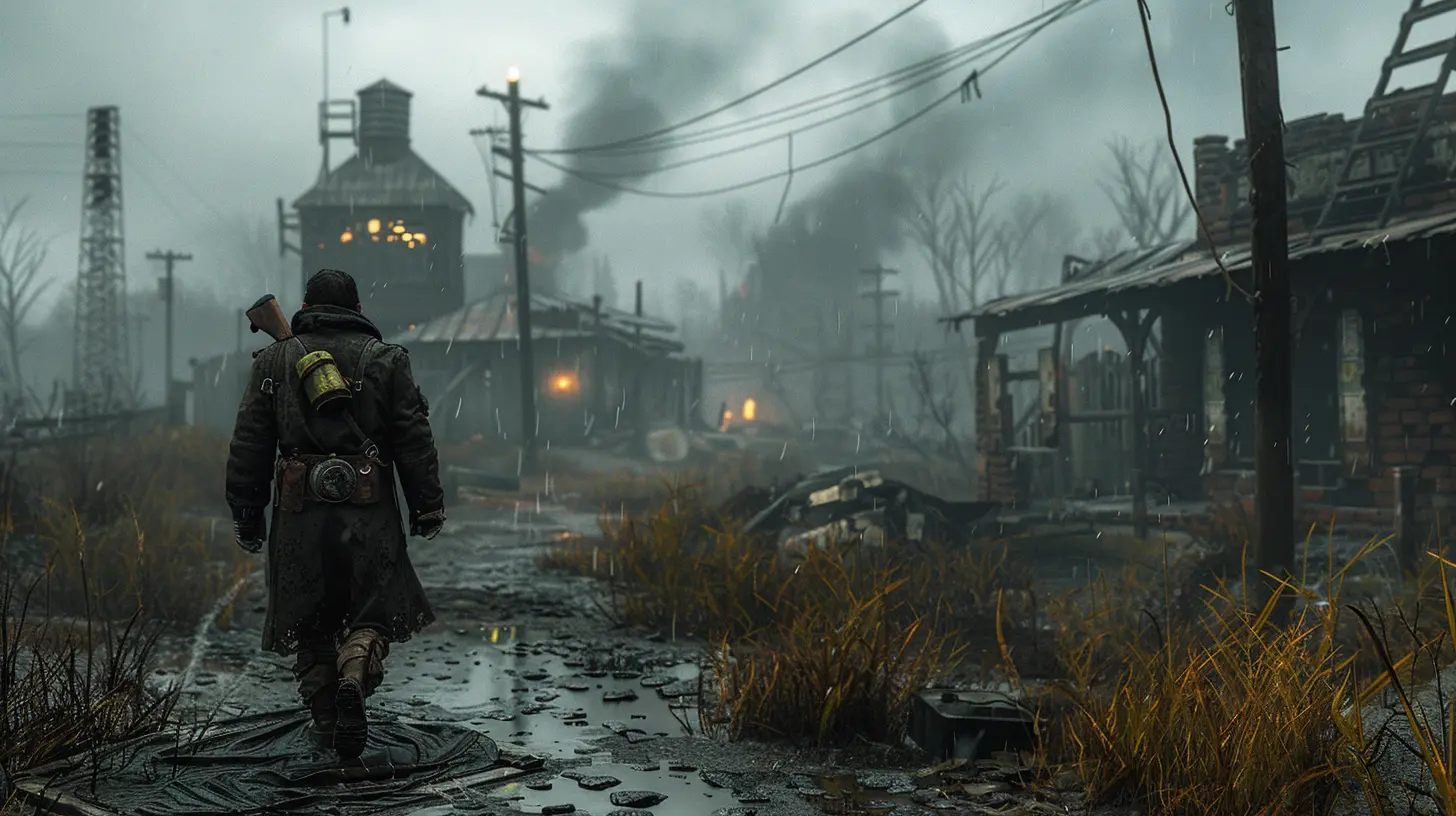
Why Environmental Storytelling Works So Well
We, as humans, love connecting dots. It’s in our DNA. Give us a few scattered hints, and we’ll form a story faster than you can say, “Easter egg.” Environmental storytelling taps into that instinct, letting us discover (oops, I promised not to use that word!) the story at our own pace.But here’s the kicker: because it’s indirect, it feels more personal. YOU found it. YOU pieced it together. It’s like a secret the game is sharing just with you. And doesn’t that make it more memorable?
Also, let’s be honest—the gaming community isn’t exactly patient when it comes to long-winded explanations (looking at you, overly lengthy RPG cutscenes). Environmental storytelling respects your intelligence and never overstays its welcome.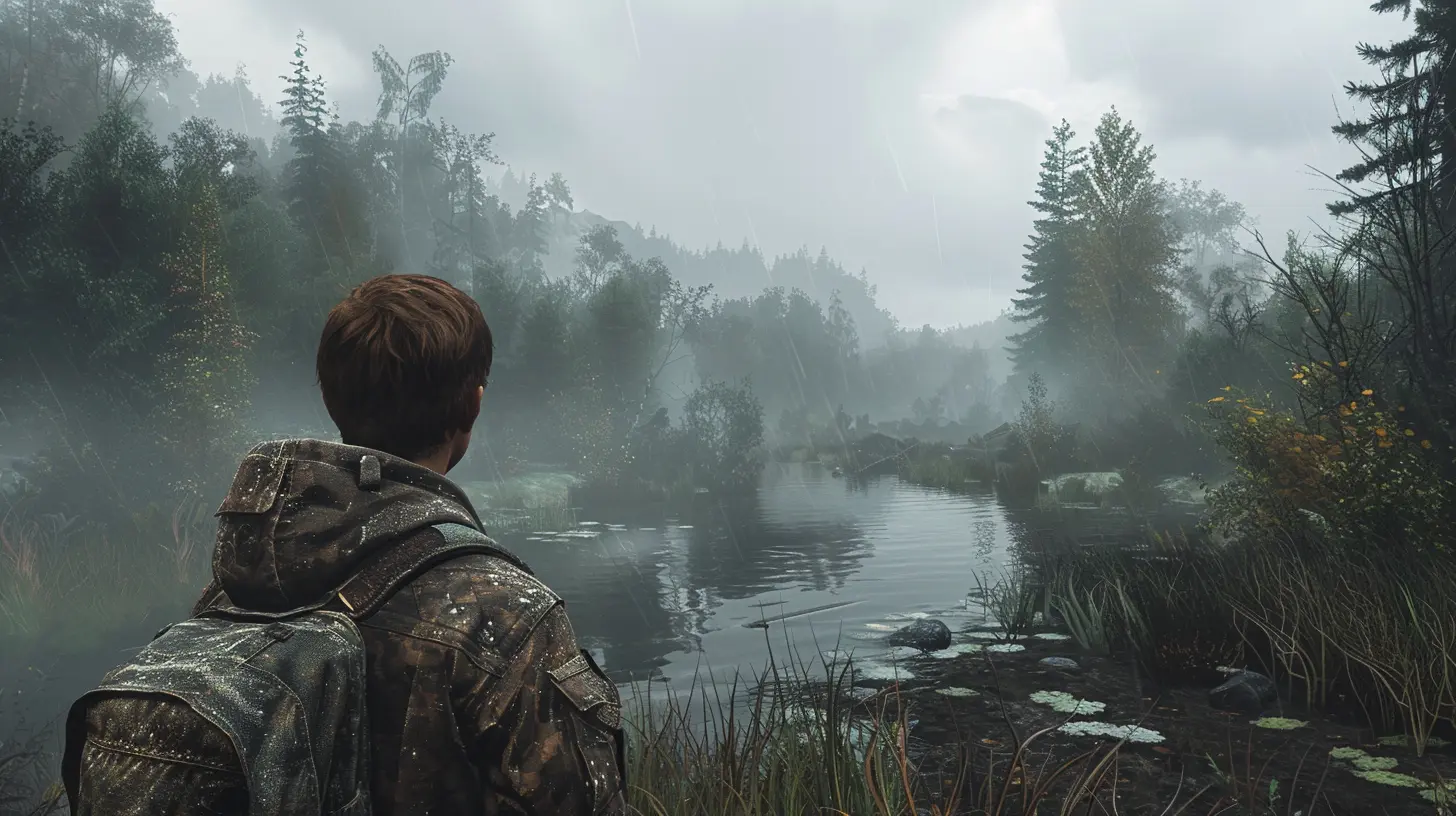
Examples of Environmental Storytelling Done Right
1. “The Last of Us” - A World That Speaks of Loss
If you’ve played The Last of Us, you know it’s basically a masterclass in environmental storytelling. As you journey through its post-apocalyptic world, it’s the little details that hit the hardest. Empty children’s playgrounds, abandoned homes with pictures still on the walls, or makeshift beds in subway tunnels—they all tell tales of a world that collapsed.Remember that time you stumbled upon a note in the sewers explaining how a small group of survivors had tried to build a community there? The drawings on the walls from kids, the supplies scattered around—it painted such a vivid picture of their struggle, and yet, there was no one left. It was heartbreakingly beautiful.
2. “Bioshock” - Rapture’s Broken Dreams
Can we even talk about environmental storytelling without mentioning Bioshock? Rapture, the underwater dystopia, doesn’t just tell you its story—it drenches you in it.Walking through those art-deco hallways, you can almost hear the echoes of what once was: the opulent parties, the grand ideals of creator Andrew Ryan, and the slow descent into chaos. The blood-streaked posters, shattered windows, and abandoned cocktail glasses? They weave a tapestry of a world gone horribly wrong. The city itself is a character—a tragic, broken one.
3. “Dark Souls” - A World of Silent Tragedies
Ah, Dark Souls. The king of “tell-nothing-but-show-everything.” Unlike most games, Dark Souls doesn’t even try to hold your hand. Its world is a desolate, cryptic puzzle, begging to be unraveled.Why is that knight sitting against a ruined wall, staring into nothingness? Why does the architecture feel so ancient and yet so purposeful? The environmental clues are everywhere, and they leave just enough for you to dig deeper. And that’s the genius of it—it doesn’t fill your plate, but it gives you a spoon and waits for you to find the meal yourself.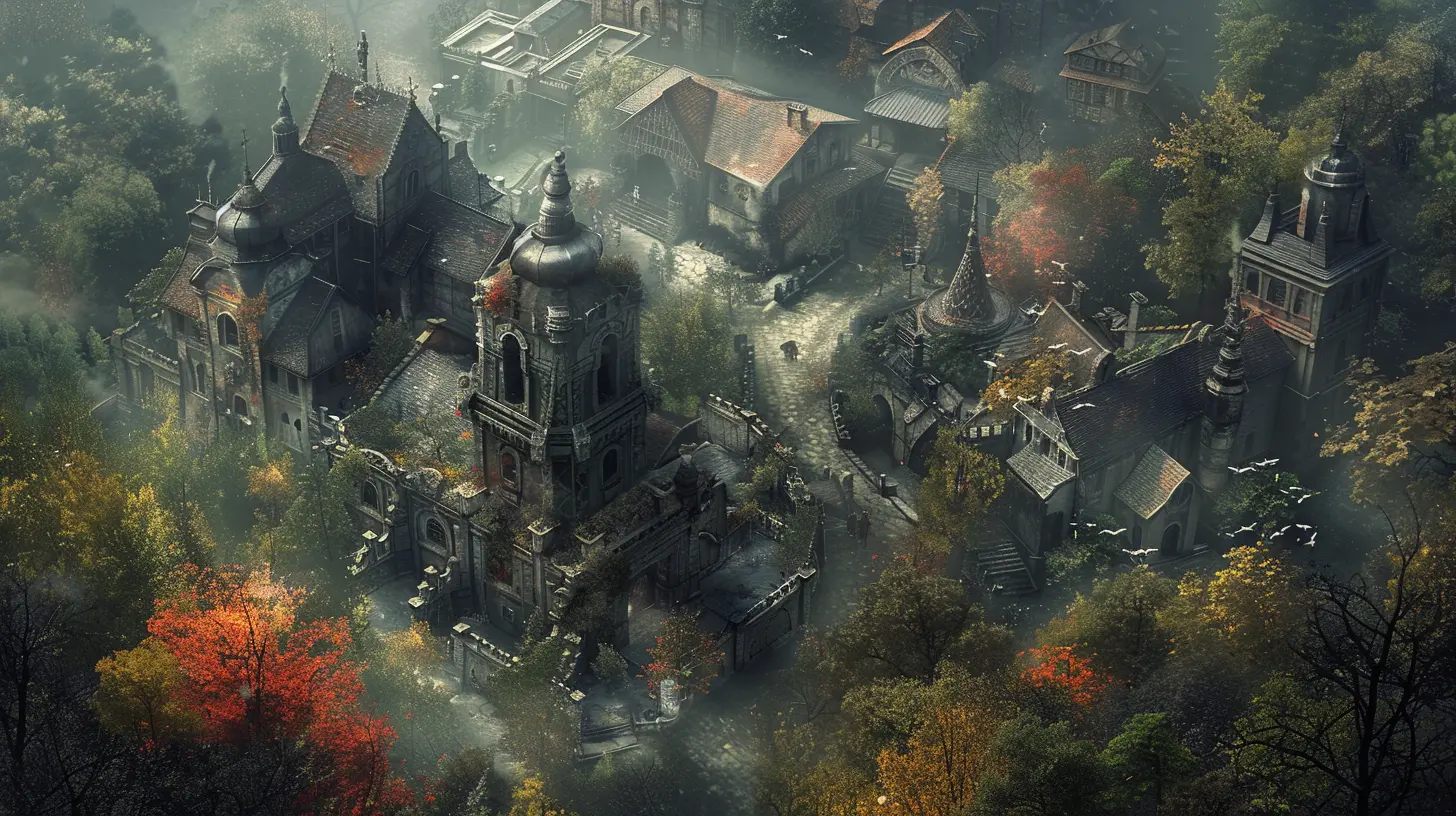
Layers of Environmental Storytelling
Here’s the cool part: environmental storytelling operates on multiple levels. It’s not just about scattering random objects around. Let’s break it down.1. Visual Design
This is the most obvious one. What does the place look like? Is it vibrant and colorful or dark and decaying? The visuals alone can set the tone and mood.2. Spatial Storytelling
How is the space designed? A winding, labyrinthine hallway might feel claustrophobic, while an open field may evoke freedom—or loneliness. The way spaces are structured can evoke emotions without a single word being said.3. Interactive Clues
Sometimes, it’s the little details you can interact with. Picking up a diary, examining a broken weapon, or finding a faded photograph—all these interactive moments add depth to the story.4. Implied Narrative
This is my favorite. It’s the "what’s-not-said-but-felt." Like seeing two skeletons huddled together in a corner. No explanation needed. Your brain fills in the gaps.How Environmental Storytelling Improves the Gaming Experience
Okay, time to get real. Why should developers even bother with environmental storytelling? Isn’t it easier to just have NPCs drone on about the backstory?Well, yeah, it’s easier. But it’s far less engaging. Here’s why environmental storytelling is worth the effort:
- Immersion: When done right, it pulls you into the world like nothing else. You’re not just playing in the game; you feel like you live there.
- Emotional Impact: It can hit you in ways dialogue never can. Sometimes, silence speaks louder.
- Replayability: Environmental storytelling encourages players to revisit areas, knowing they might’ve missed a detail the first time.
- Player Agency: It puts the storytelling power into the hands of the player. Instead of being told what’s happening, the player discovers (oops, there I go again) it themselves.
Challenges in Environmental Storytelling
Of course, it’s not all sunshine and rainbows. This form of storytelling has its hurdles.- Subtlety vs. Clarity: Go too subtle, and players might miss it entirely. Go too obvious, and it feels forced. Balancing this is no small feat.
- Player Awareness: Not every gamer notices the small stuff. Some players will rush through levels, missing the finer details.
- Development Time: Designing environments with layers of storytelling takes time and resources. Not every developer has the luxury to go all-in on this.
But when it works? Oh man, it’s worth every second spent.
The Future of Environmental Storytelling
As technology evolves, the potential for environmental storytelling only grows. With tools like ray tracing, advanced physics, and more sophisticated AI, developers can create worlds so detailed and reactive that they feel alive.Imagine a game where the environment doesn’t just tell a story—it converses with you. Where every choice you make leaves an imprint on the world around you. The possibilities are endless, and honestly? It’s a thrilling time to be a gamer.
Conclusion
The art of environmental storytelling is what sets good games apart from great ones. It’s the unspoken dialogue between the game and the player, the secret whispers hidden in a crumbling wall or a forgotten trinket. It respects your intelligence, your curiosity, and your ability to connect the dots.So, the next time you’re wandering through a beautifully crafted game world, slow down a little. Take it all in. Look for the details—the stories waiting to be unearthed. Because sometimes, the most powerful tales are the ones you stumble upon when no one’s looking.
all images in this post were generated using AI tools
Category:
Game DesignAuthor:

Francesca West
Discussion
rate this article
2 comments
Calder Franco
Environmental storytelling in games transcends mere visuals; it's a tapestry woven with narrative threads. Every detail, from the rusted remains of a battle to the serene beauty of nature, invites players to uncover deeper meanings. A well-crafted environment becomes a silent character, enriching the player's journey and experience.
January 30, 2026 at 4:01 AM
Francesca West
Thank you for highlighting the depth of environmental storytelling! It truly enriches gameplay, inviting players to explore and engage with the world on a deeper level.
Lena Cantu
Great insights! Environmental storytelling truly enhances player immersion.
January 26, 2026 at 5:05 PM
Francesca West
Thank you! I'm glad you found it insightful. Environmental storytelling really does transform the gaming experience!