Single-Player Adventures That Won Critics Over
22 May 2026
When it comes to gaming, there's something magical about diving headfirst into a story-driven, single-player adventure. You know, those moments when your controller becomes an extension of your hand, and the real world fades away as you’re completely sucked into another universe? Yeah, that’s the sweet spot. Over the years, we've been blessed with some truly unforgettable solo journeys — ones that not only wowed players but also earned massive praise from critics.
In this article, we’re going to chat about single-player adventures that didn't just raise the bar... they chucked it into another galaxy. These are the games that nailed storytelling, gameplay mechanics, and emotional impact, all while keeping us glued to our screens.
So, grab your favorite beverage, get comfy, and let’s geek out over some of the most critically acclaimed single-player adventures ever made.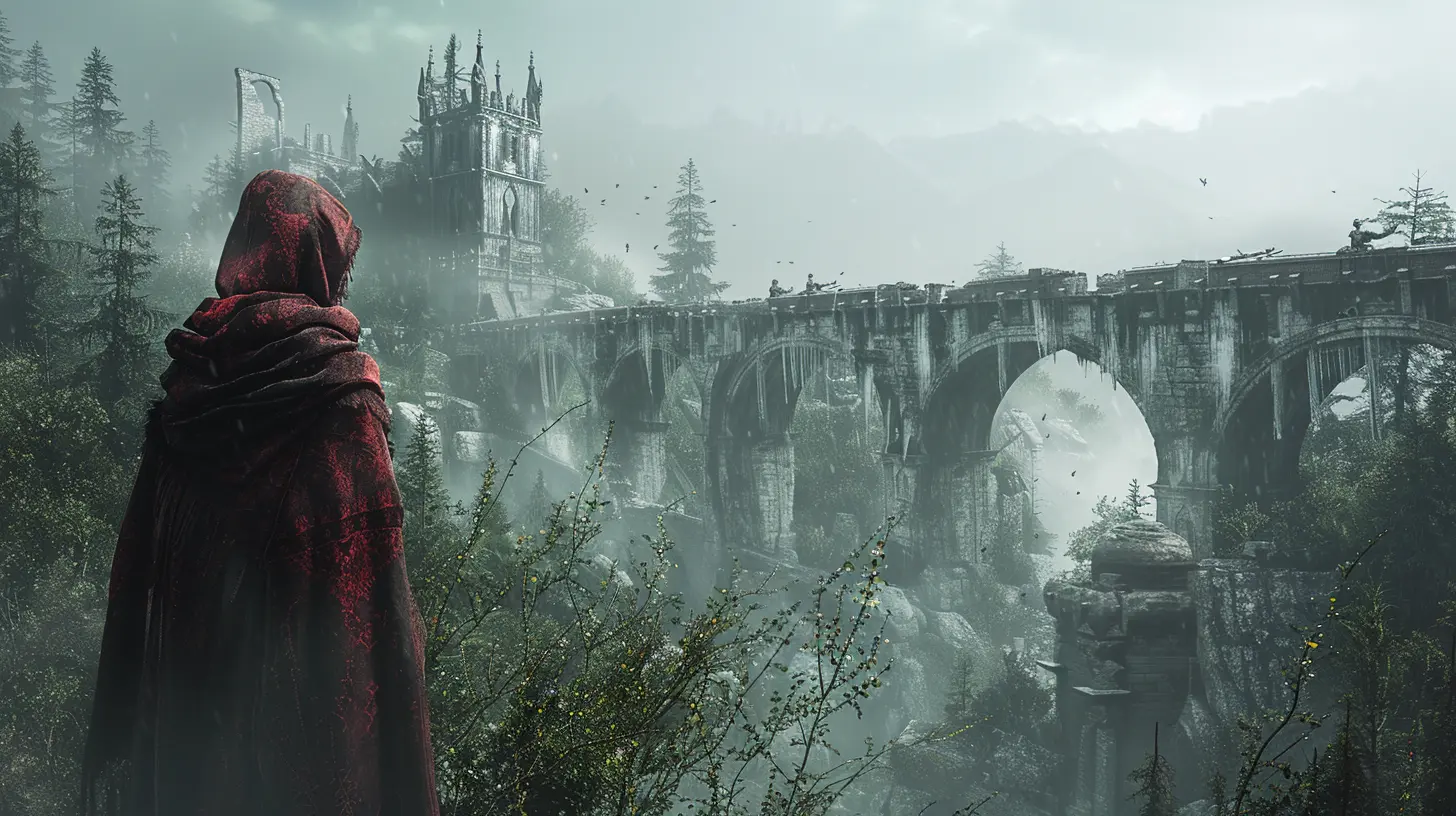
Why Do Single-Player Games Still Matter?
In a world dominated by battle royales, open-world sandboxes, and endless multiplayer lobbies, you might wonder — are single-player games still relevant?Heck yes, they are.
Single-player adventures are like reading a good novel — immersive, personal, and deeply emotional. There's no need to compete with sweaty teens in voice chat or grind for gear drops. It’s just you, the story, and the world unfolding around you.
Sure, multiplayer games give us adrenaline-pumping competition and social fun. But single-player titles? They can make you cry, laugh, and sit in awe during the credits. That emotional depth is why critics still go wild over these solo gems.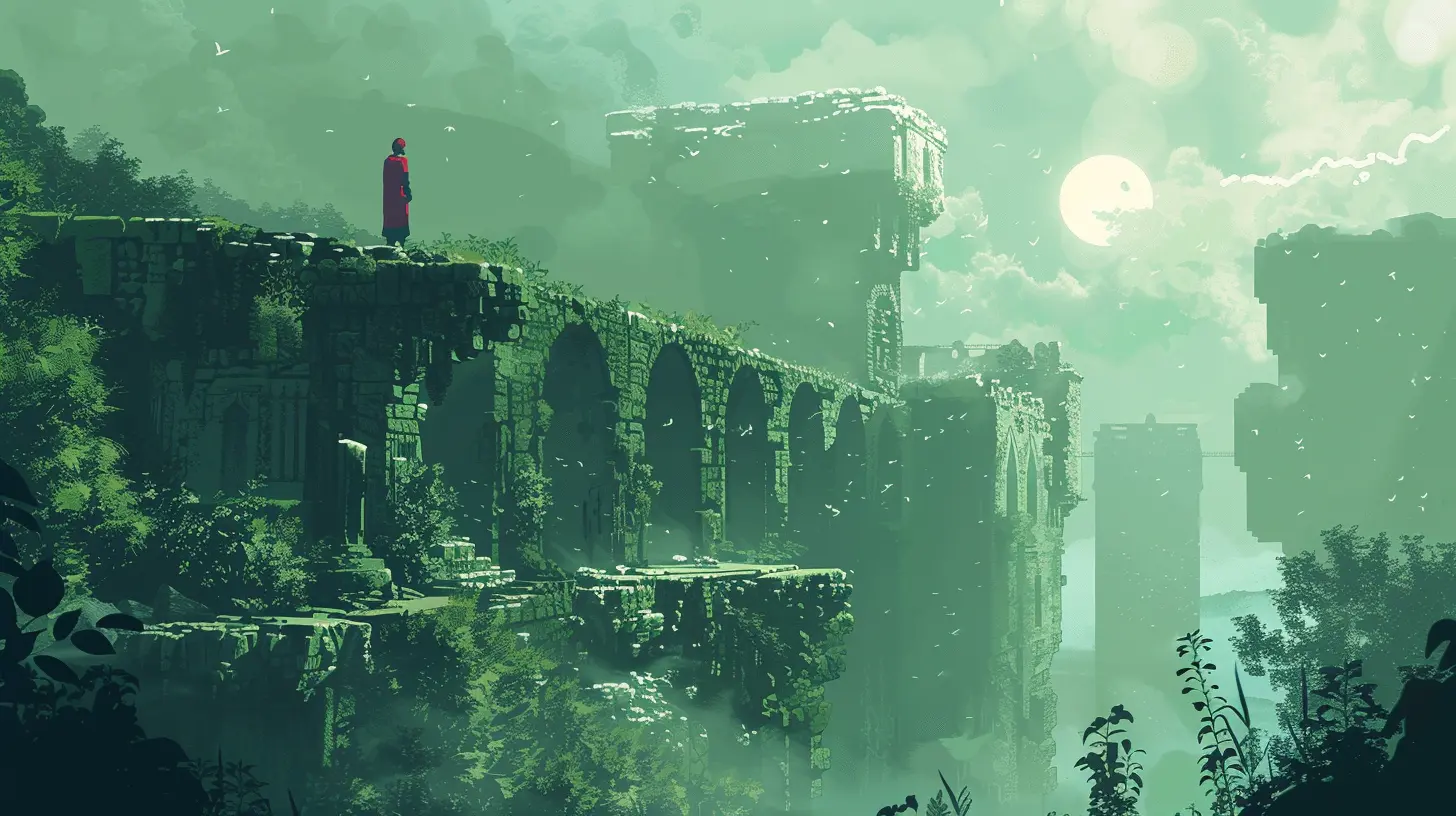
1. The Witcher 3: Wild Hunt – A Masterpiece of Storytelling
Let’s start with one of the big dogs.When CD Projekt Red dropped The Witcher 3, it wasn’t just another RPG — it was a love letter to storytelling. You play as Geralt of Rivia, a grizzled monster hunter trying to find his adopted daughter while navigating a war-torn fantasy world.
What made this game stand out?
- Massive open world that felt alive with rich, meaningful side quests.
- Choices that actually matter. Decisions you make change how the story plays out.
- Gripping narrative with mature, morally gray themes.
Critics praised its depth, complexity, and sheer emotional power. It wasn’t just about killing monsters — it was about what it meant to be human in a messed-up world.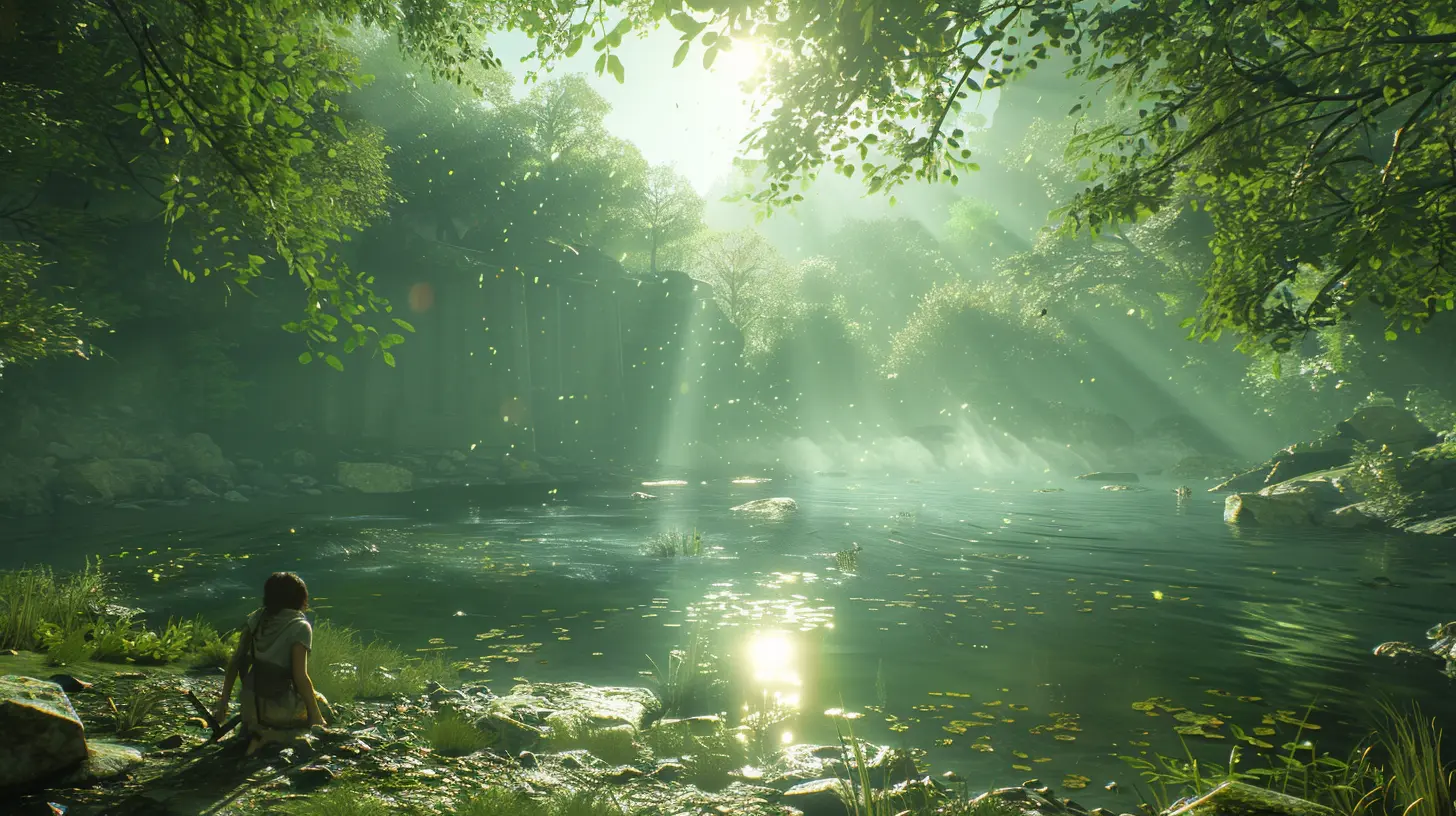
2. God of War (2018) – A Reimagined Legend
Kratos — the angry dude from Greek mythology — had a serious glow-up in God of War (2018).This reboot wasn't just a retelling; it was a full-blown character transformation. You’re still smashing gods, sure, but now as a father trying to guide his son, Atreus, through a dangerous Norse world.
Why did critics love it?
- Emotional depth. A surprisingly heartfelt father-son relationship.
- One continuous shot. The entire game is one seamless camera take — no cuts.
- Fluid combat that blends old-school brutality with modern strategy.
It was bold, beautiful, and a brilliant evolution of a classic series. And yeah, it won a ton of Game of the Year awards for a reason.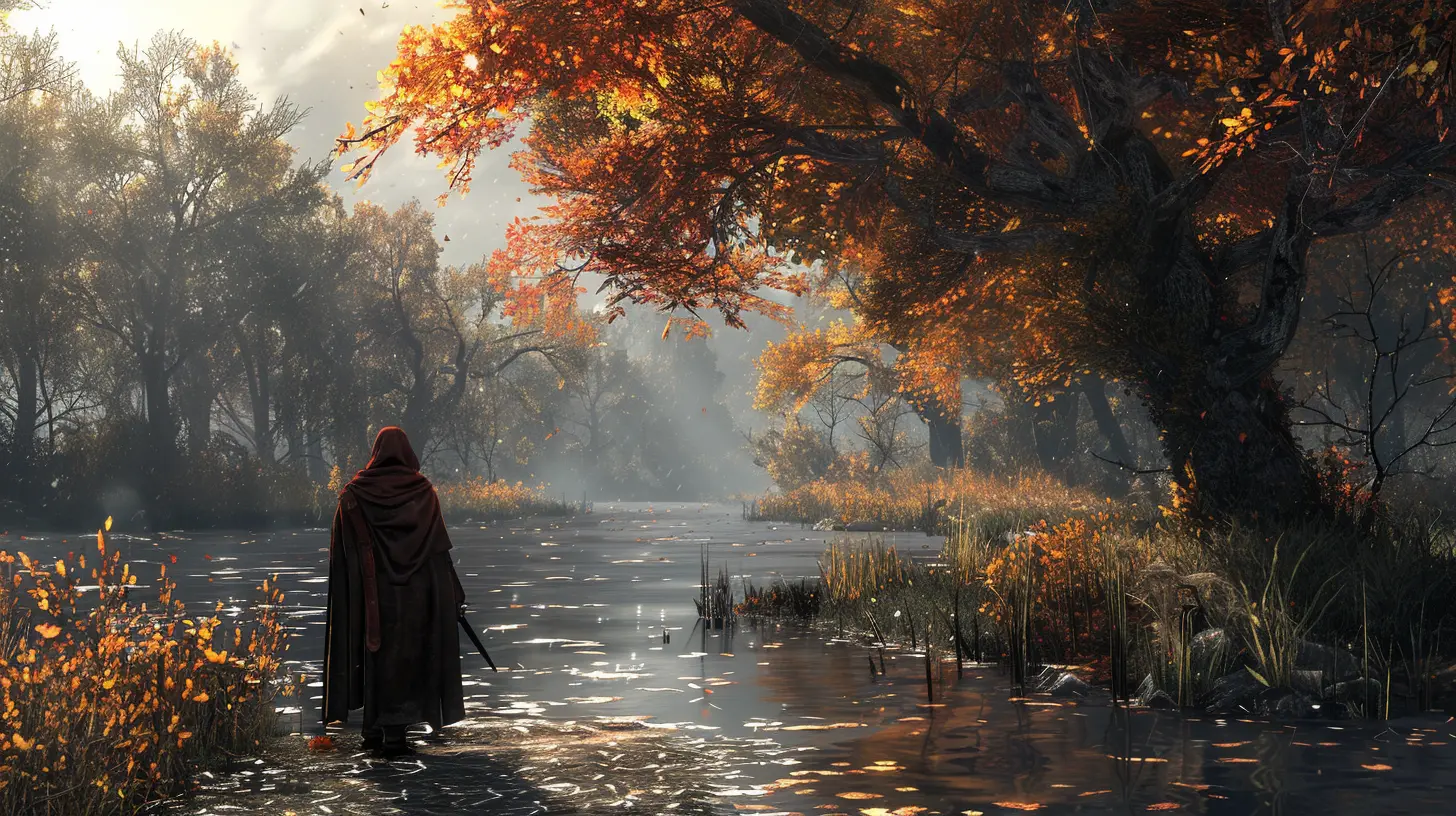
3. The Last of Us Part II – Controversial Yet Compelling
Okay, we need to talk about The Last of Us Part II.This one definitely split the fanbase, but critics? They were floored. Naughty Dog went full-throttle with a dark, emotionally charged sequel that asked tough questions about revenge, loss, and identity.
It didn’t shy away from hard moments. Some scenes were brutal — almost too real. But that’s what gave it so much power.
Highlights include:
- Incredible voice acting and motion capture.
- Complex characters you might love, hate, or both.
- Jaw-dropping graphics and haunting environments.
Love it or hate it, The Last of Us Part II pushed storytelling boundaries and left an undeniable mark on gaming history.
4. Horizon Zero Dawn – A Fresh Take on Sci-Fi
Robot dinosaurs. Need we say more?Horizon Zero Dawn threw us into a post-apocalyptic Earth where nature reclaimed the ruins of civilization, and massive machine-creatures roamed free. You play as Aloy, a determined outcast uncovering the mystery of humanity’s past.
Why did it turn heads?
- Original setting that fused tribal culture with futuristic tech.
- Satisfying combat where you strategically dismantle robotic beasts.
- Intriguing world-building with layers of history and lore.
Critics adored the creativity and how Guerilla Games pivoted from the Killzone series to craft something totally unexpected.
5. Red Dead Redemption 2 – An Epic Western Opera
Talk about attention to detail — Red Dead Redemption 2 is the kind of game you don’t just play. You live it.Set in a fading Wild West, you become Arthur Morgan, a conflicted outlaw torn between loyalty and morality. This game isn't fast or flashy; it's slow, deliberate, and emotional.
So what made it click with reviewers?
- Gorgeous, cinematic landscapes that made you want to just... wander.
- Layered storytelling that built toward a soul-crushing finale.
- Deep NPC interactions and immersive world systems.
It’s a slow burn, but man, what a payoff. Critics called it one of the most ambitious games ever created — and honestly, they weren't wrong.
6. Ghost of Tsushima – A Samurai’s Poetic Journey
You know how sometimes a game just feels right? Ghost of Tsushima hits that sweet spot between style and substance.You step into the sandals of Jin Sakai, a samurai battling to protect his home from Mongol invaders. But it’s more than just slicing enemies — it’s about honor, inner conflict, and doing what's right.
What critics admired:
- Breathtaking visuals that look straight out of a painting.
- Fluid swordplay that’s both elegant and deadly.
- Rich atmosphere with dynamic weather and cinematic design.
It managed to blend historical fiction with open-world exploration in a way that felt fresh and reverent — like playing through a Kurosawa film.
7. Marvel's Spider-Man (2018) – The Superhero Dream
There have been loads of Spider-Man games, but Marvel's Spider-Man finally nailed it.Swinging around New York City never felt better. The movement, the combat, the story — it all came together like magic.
Why did critics applaud it?
- Tight, responsive controls that made traversal addictive.
- Heartfelt story that balanced heroism with personal struggle.
- Authentic New York setting full of life and Easter eggs.
It wasn’t just another cash-grab superhero title. It had heart, polish, and enough Spidey charm to win over even the pickiest reviewers.
8. Elden Ring – FromSoftware’s Magnum Opus
Let’s be honest — Elden Ring took over the world.FromSoftware built on their Soulsborne legacy and crafted a massive open world that didn’t hold your hand — and players loved it. Critics praised its depth, mystery, and freedom.
What stood out?
- A hauntingly beautiful world begging to be explored.
- Deep lore (thanks to George R.R. Martin, no less).
- Freedom to roam and tackle challenges in any order.
It wasn’t just hard for the sake of it. It respected your intelligence. And that made it addictive and rewarding in ways few games can match.
9. Stray – The Surprise Hit
For a game where you play as a cat, Stray hit some serious emotional notes.Set in a cyberpunk dystopia, you guide a lost feline through a city populated by robots and mystery. It sounds quirky — and it is — but it also packs emotional heft and surprising depth.
Why did it win critics over?
- Unique perspective — playing as a cat is more fun than you'd guess.
- Beautiful, atmospheric world full of mystery.
- An unexpectedly tender story about companionship and hope.
Who knew nuzzling up to a robot NPC could tug at the heartstrings?
10. Death Stranding – Kojima’s Bold Vision
Polarizing? Absolutely. But unique? Without a doubt.Death Stranding isn’t for everyone, but critics applauded its ambition. It’s not your usual shoot-'em-up — it’s about connection, isolation, and rebuilding a shattered world.
Play as Sam Porter Bridges (yep, that’s the name), delivering packages across post-apocalyptic America while avoiding ghostly threats.
What made it stand out?
- Cinematic direction straight from Hideo Kojima’s wild brain.
- Innovative multiplayer where players help each other indirectly.
- Deep symbolism wrapped in sci-fi weirdness.
Love it or not, it pushed the envelope. And critics usually love bold experiments.
Final Thoughts: The Future of Solo Play
While the gaming world keeps chasing online trends, there's always going to be space for unforgettable solo adventures. They tap into something deeper — that need for personal connection, escapism, and impact.These single-player gems didn’t just rack up awards. They reminded us that at the heart of every great game is a story worth experiencing — one that sticks with us long after we’ve set down the controller.
So yeah, single-player isn’t just surviving — it’s thriving.
all images in this post were generated using AI tools
Category:
Game Reviews RoundupAuthor:

Francesca West
Discussion
rate this article
2 comments
Matteo Riggs
Oh sure, let's all celebrate single-player adventures while we ignore the epic multiplayer chaos. Because who needs friends when you can talk to NPCs about their life choices, right?
August 19, 2026 at 2:33 AM
Francesca West
Single-player games offer deep storytelling and personal journeys that can be just as rewarding as multiplayer chaos. Both experiences have their value, depending on what players seek.
Seth Fuller
Great list! Single-player games often deliver the most immersive experiences. Titles like The Last of Us and Celeste showcase powerful storytelling and gameplay mechanics. It's refreshing to see critics recognize the depth and innovation in these adventures, reminding us why we love gaming for ourselves.
May 24, 2026 at 4:48 AM
Francesca West
Thanks for the feedback! I completely agree-games like The Last of Us and Celeste truly highlight the unique storytelling and emotional depth in single-player experiences.