Secrets You Probably Missed in Popular Nintendo Games
14 September 2026
Ever wondered if there's more to your favorite Nintendo games than what meets the eye? You’re not alone. Nintendo has a long-standing reputation for packing their games with clever secrets, hidden references, Easter eggs, and mysterious mechanics. They're like the magician of game developers—there’s always something up their sleeve.
In this article, we’re going to dive into the little-known secrets nestled inside some of the most popular Nintendo games. Whether it’s a nostalgic classic like Super Mario 64 or a modern masterpiece like Breath of the Wild, every game has its hidden gems just waiting to be uncovered.
Let’s crack open that treasure chest and take a look.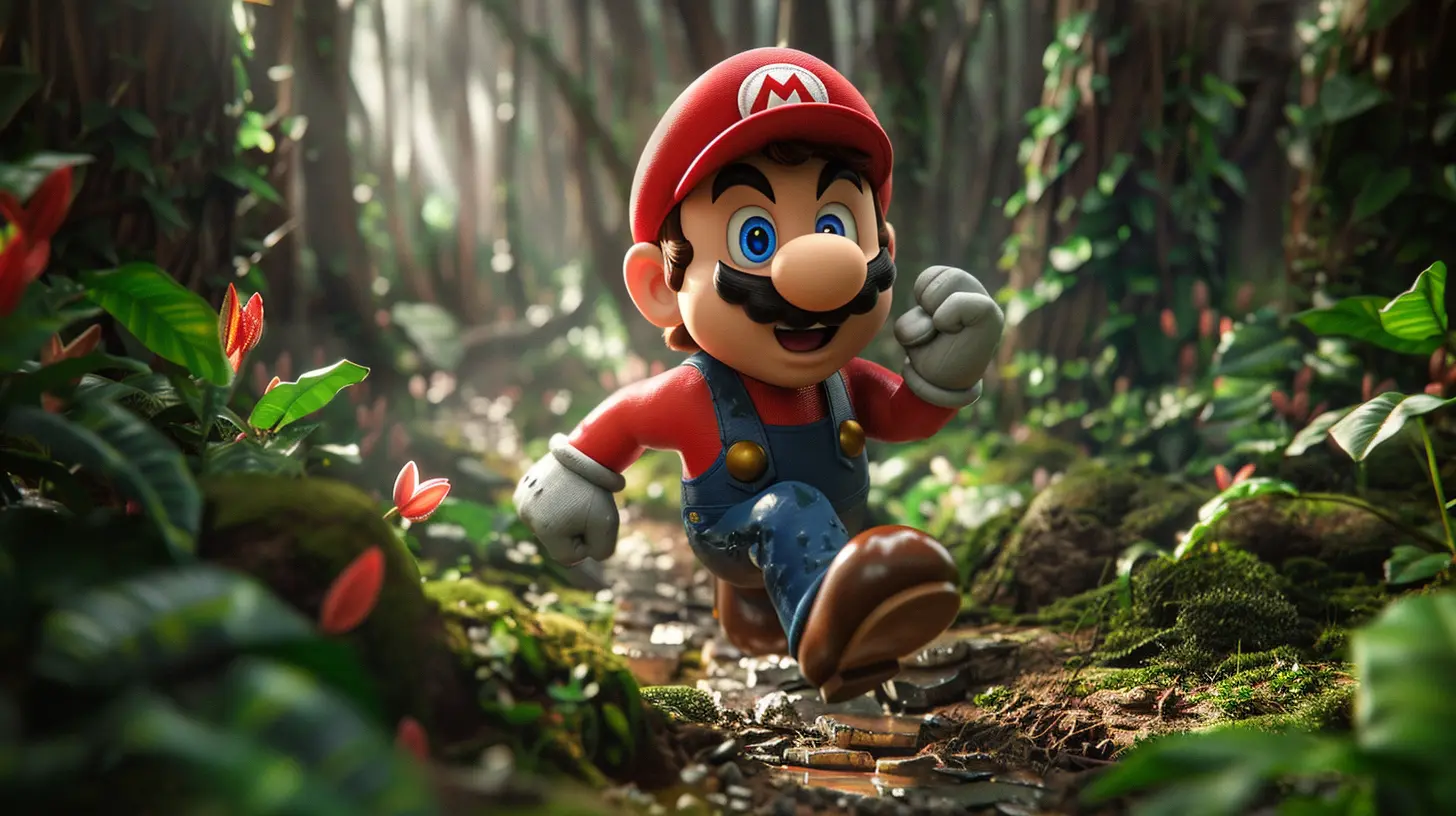
1. The Haunted Piano in Super Mario 64 Wasn’t Just a Jump Scare
If you played Super Mario 64 as a kid, there’s a solid chance the haunted piano in Big Boo’s Haunt gave you nightmares. But here’s the secret: that piano was more than just a random jumpscare.The ghostly piano is actually a subtle nod to Nintendo's clever use of player psychology. In a game where nearly every object is safe to interact with, this one violently attacks. It was purposely designed to mess with player expectations and add an eerie twist. It’s a rare moment of psychological horror in an otherwise joyful platformer—and it definitely left a mark.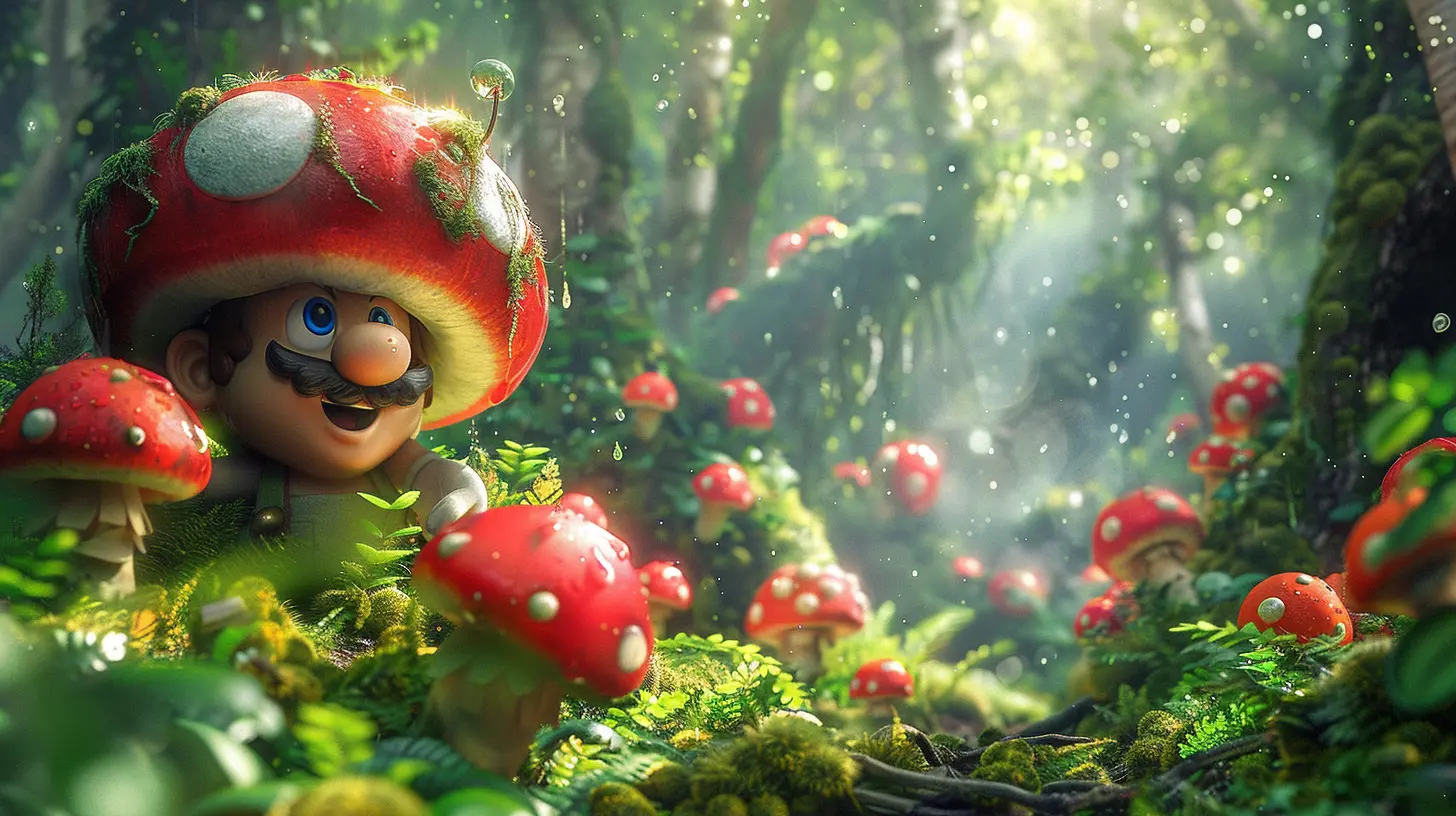
2. Mario's Face in Super Mario 64 Is a Hidden Mini-Game
Remember the floating Mario head in the Super Mario 64 title screen? Most people stretched his nose and cheeks a bit and moved on. But here's a fun fact: that whole face-stretching feature is actually a mini-game of sorts.If you hold down certain combinations of buttons on the Nintendo 64 controller, you can lock parts of his face and stretch others—making wild shapes and saving your creations. It’s a quirky addition that showcased the N64’s technical capabilities, but very few players took the time to explore it fully.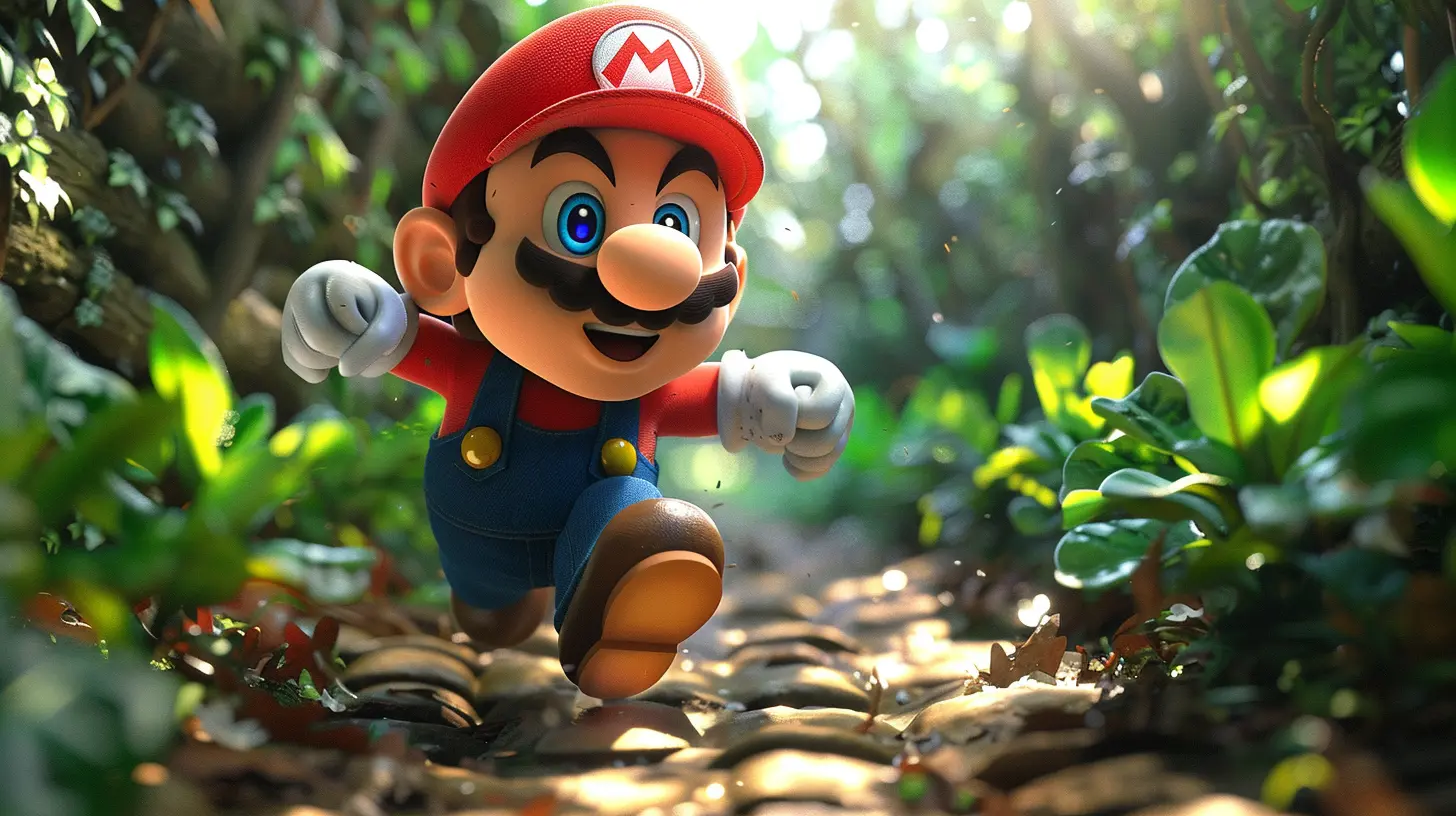
3. Luigi Was Almost Playable in Super Mario Galaxy
Fans were devastated when Luigi wasn’t a core part of Super Mario Galaxy—at least, at first glance. Here's the twist: he IS playable, but under special conditions.After collecting all 120 Power Stars as Mario, a secret option unlocks where you can replay the entire game as Luigi. He handles slightly differently too—running faster and jumping higher, though also sliding more during movement. It's Nintendo's sneaky way of adding replay value and rewarding die-hard fans.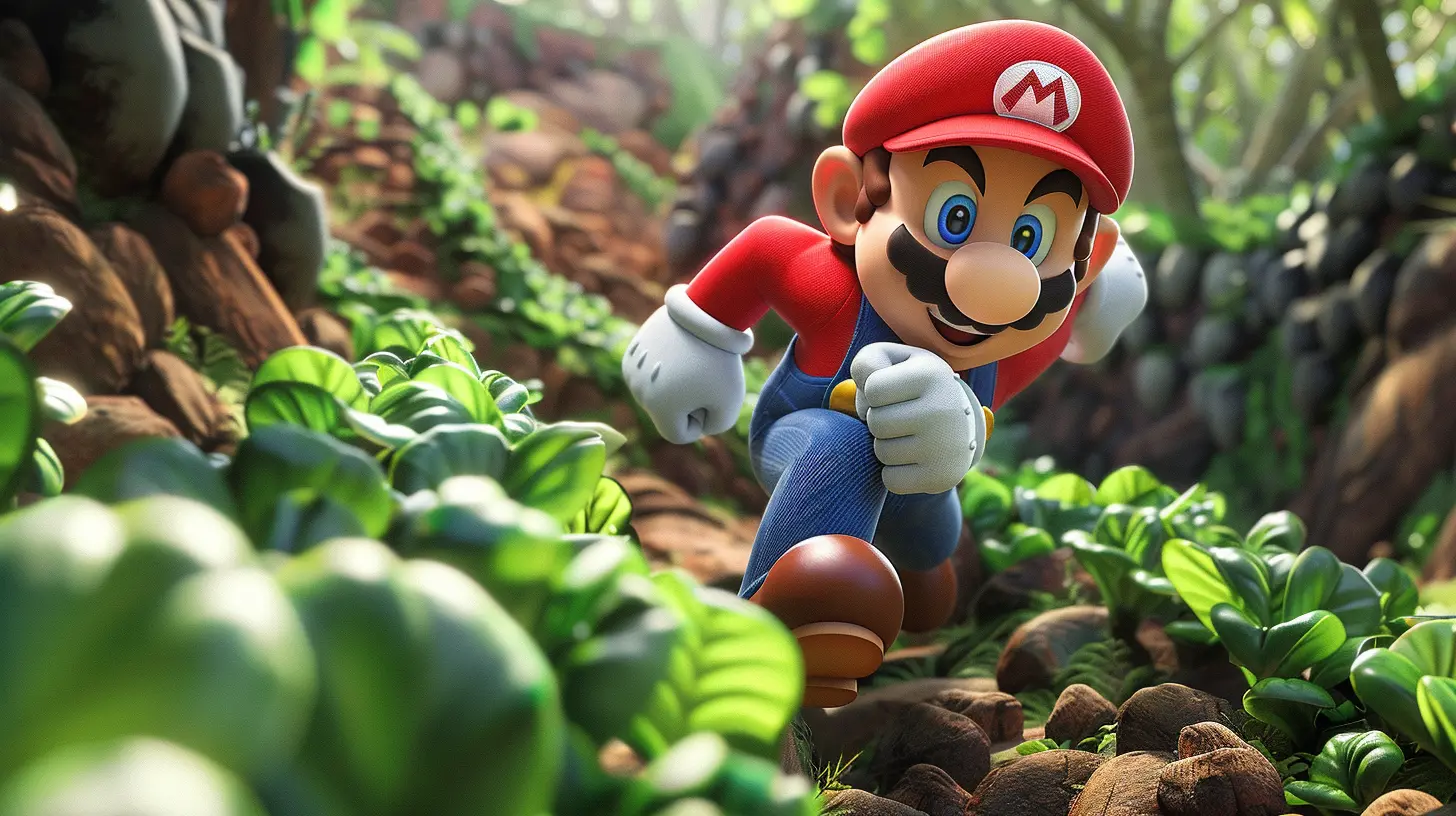
4. Zelda: Breath of the Wild Has a Secret Shrine-Tracking QR Code
This one’s wild. In Breath of the Wild, the Sheikah Slate—a kind of magical iPad—can be used to track shrines. But did you know the designers actually embedded real-world QR code styling into the shrine locator interface?Fans with sharp eyes noticed that some of the mini-map icons resemble pixel-style QR data. While you can’t scan them with your phone, the hidden pattern aligns with Nintendo’s love for blending modern tech aesthetics with fantasy themes.
5. The Ocarina in Ocarina of Time Can Play Real Songs
Sure, you know you can play Epona’s Song or Zelda's Lullaby in Ocarina of Time. But did you know you can actually play real-world tunes too?The ocarina system is fully diatonic, meaning you can literally play songs like “Happy Birthday,” theme songs, or even pop hits—assuming you know the notes. Some players have even recreated entire melodies from outside the Zelda universe. It’s like a musical sandbox disguised as a quest mechanic.
6. Pokémon Red and Blue’s Ghost Glitch Has a Dark Backstory
You probably remember Lavender Town, the creepiest place in Pokémon Red and Blue. But hidden within the game’s code is something way spookier: the MissingNo glitch and a strange ghost encounter that never made it to the final release.Dataminers uncovered that trainers were initially supposed to engage in more intense supernatural encounters—some involving actual ghost-types that couldn't be captured or battled properly. Combined with the infamous Lavender Town music myth, it paints a picture of a game once intended to be much darker.
7. Link’s Awakening: A Zelda Game Stuffed with Mario Enemies
If you’ve ever played Link’s Awakening, maybe you thought you were hallucinating when Goombas and Piranha Plants showed up. But nope—it was intentional.Developers at Nintendo decided to cross-over Mario characters into Link’s dream-world adventure to blur the lines between fantasy and subconscious. Since the game takes place in a dream, it allowed them to break Zelda canon just for fun. It’s like a surreal fever dream where Hyrule and the Mushroom Kingdom had a bizarre baby.
8. Animal Crossing’s NES Consoles Let You Play Full Games
The early Animal Crossing games on GameCube were full of secrets, but one of the coolest? You could actually find old NES consoles that play full versions of classic games.Yup, we’re talking Donkey Kong, Balloon Fight, Excitebike, and more—all playable inside Animal Crossing. Nintendo literally included full ROMs of their vintage titles as in-game items. In today’s terms, it’s like playing a Switch game that contains a working Game Boy emulator inside. Absolutely bonkers.
9. Metroid Prime’s Scan Lore Hints at Future Games
Metroid Prime is famous for its immersive exploration and sci-fi atmosphere, but did you know its scan logs hide hints at future events in the Metroid timeline?By thoroughly scanning terminals, artifacts, and dead enemies, you uncover pieces of the story that tie directly into later games like Metroid Prime 3 and even Metroid Dread. Nintendo used this feature to reward curious players with deep lore and foreshadowing—a storytelling strategy that most fans completely missed.
10. Pikmin Names Are A Tribute to the Developer’s Dogs
Ever wonder where the name “Pikmin” came from? It turns out that it's more personal than you might think.Shigeru Miyamoto, the legendary Nintendo game designer, named the little plant creatures after his pet dog at the time, Pikku. The game was a pet project (pun intended), and many early design choices were inspired by observations of his dogs’ group behavior. Who knew your adorable Pikmin army had such a touching origin?
11. WarioWare Games Hide Entire Microgame Dev Tools
The WarioWare series is known for its zany, rapid-fire microgames. But in WarioWare D.I.Y., the secret runs even deeper: you get access to an entire game development toolkit.Players can create, code, test, and share their own microgames with a shockingly robust set of dev tools baked right into the game. It's Nintendo’s way of teaching players game design without them even realizing it. The depth is wild—if you're willing to dig in.
12. Smash Bros. Stages Contain Hidden Characters and Cameos
Super Smash Bros. is a celebration of Nintendo characters, but even the background holds secrets. Have you ever paused during a match and looked at the stages?Some backgrounds feature hidden characters from obscure franchises—like Elite Beat Agents dancing in the distance or Tingle floating by in a balloon. These aren’t just backgrounds; they’re Easter egg treasure troves. Zoom in—you’ll be surprised who’s watching your fight.
13. Splatoon’s In-Game Language Is Fully Translatable
You’ve probably noticed the funky, alien-like language used in Splatoon. It looks like gibberish, right? Well, it’s actually a fully functional language, with an alphabet and sentence structure.Crazy, right?
Fans went full cryptographer and cracked the code. It turns out some signs, graffiti, and in-game text reveal hidden messages, jokes, and tips when translated. It's like Nintendo included an inside joke for fans willing to decode the squid-speak.
14. Donkey Kong Country’s Backgrounds Tell a Silent Story
Ever feel like something’s watching you in Donkey Kong Country? It might be the background art.Each level isn’t just a randomly generated jungle—it’s part of a carefully designed world narrative. Look closely and you’ll see progressive changes in background elements that tell a story across levels: crashed airships, expanding industrial zones, and even changing weather patterns. The world shifts subtly as the game progresses, telling a silent tale most players never notice.
15. Toad in Super Mario Bros. 3? He's Actually Winking
You thought Toad was just giving you a straight-faced "Thanks, Mario!" at the end of stages in SMB3? Look again—he’s actually winking.In the pixel art, his second eye is subtly angled and made to look closed, giving him a cheeky little wink. Just another charming example of how Nintendo packs personality into even the tiniest bits of pixel art.
Final Thoughts
Nintendo games are full of charm, depth, and delightful surprises. Whether you’re replaying Super Mario 64 or diving into the latest Legend of Zelda, there's always more than meets the eye. These secrets remind us that these aren’t just games—they’re puzzle boxes, layered with creativity and love.So next time you boot up one of your favorite titles, take a moment to look around. Stretch Mario’s face. Scan that alien artifact. Try playing Happy Birthday in Hyrule. You never know what you’ll find.
And hey, let’s be honest—half the fun is in the discovery.
all images in this post were generated using AI tools
Category:
Nintendo GamesAuthor:

Francesca West