Mastering the Art of Balanced Character Builds
16 June 2026
If you've ever found yourself mid-game and suddenly realized your character is wildly underperforming, you're not alone. Maybe you're great at dealing damage but fold like a paper crane when enemies hit back. Or maybe you’re tanky but can’t outpace a snail. Yep, building a balanced character in any game can feel like trying to juggle fire while walking a tightrope. But once you master it—it’s pure magic.
So, whether you're into RPGs, MMOs, or action-adventure titles, understanding how to create balanced character builds will make you not just good—but legendary.
Let’s dive in.
What Do We Mean by a “Balanced Character Build”?
Let's clear this up first. A balanced character build is one that can handle most situations well without being overpowered in just one area. You’ve got decent damage, fair defense, okay support, and enough utility to adapt. You're not the best at everything, but you're also not the worst at anything. Think of it as building a Swiss Army knife rather than a katana.Balanced builds are ideal if:
- You’re playing solo and can't rely on teammates
- You want flexibility over specialization
- You’re aiming for long-term progression instead of early-game dominance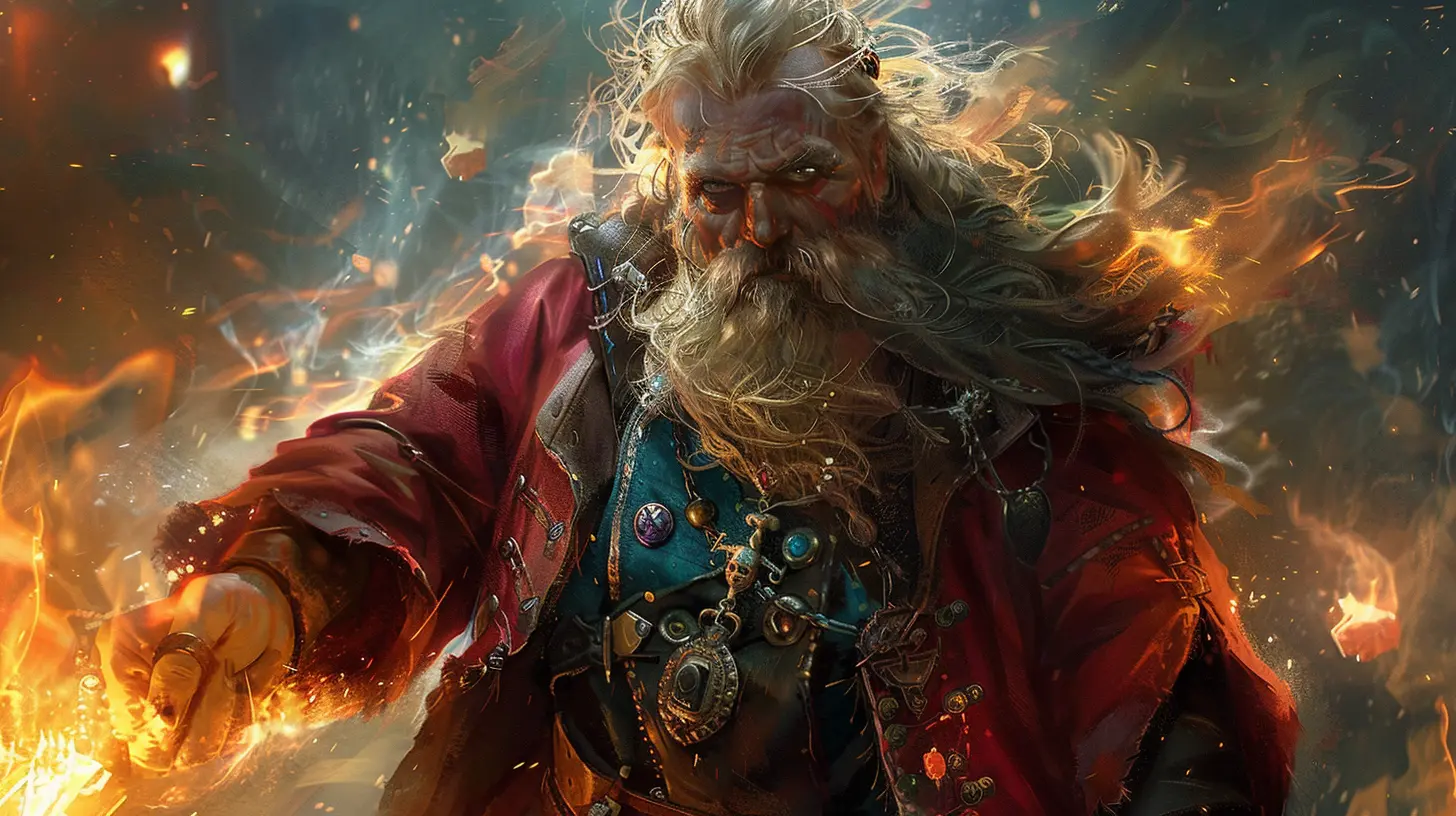
Why Bother with a Balanced Build?
You might be wondering, “Why not just max out Strength and wreck everyone?” Sounds fun—until a boss one-shots you because your defense is trash. Or you run out of mana faster than a food delivery app runs out of drivers on a rainy night.A balanced build gives you room to survive, adapt, and outplay opponents. It’s the middle ground between brute force and finesse. Plus, in many games, late-game content punishes one-trick ponies. A jack-of-all-trades can often outlast pure damage or pure tank builds when things get tough.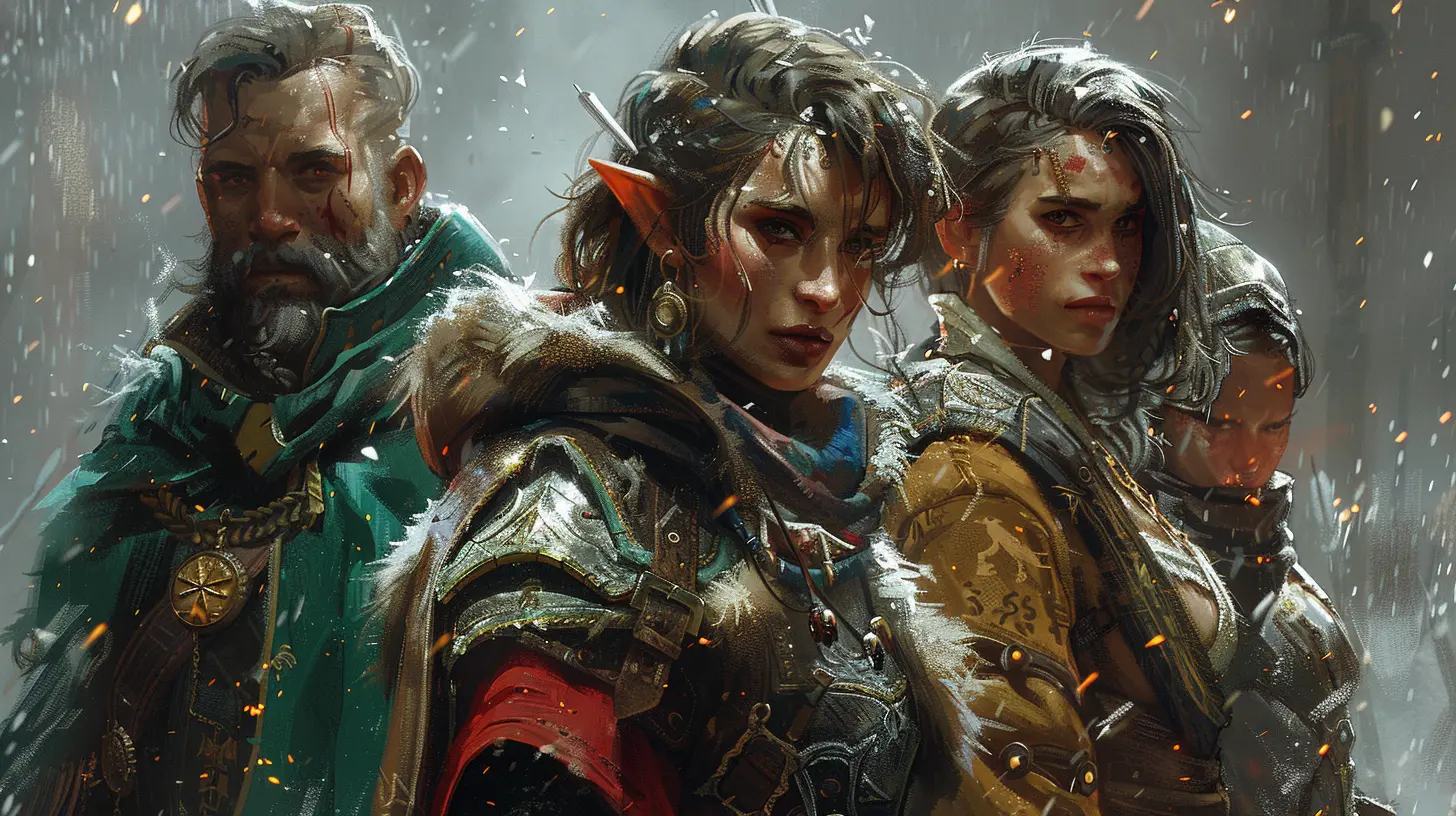
Step 1: Understand the Game’s Mechanics
Before you start allocating stats or choosing skills, you need to break down the game mechanics. Every game is different. Some favor combo-heavy gameplay. Others reward smart positioning, timing, or team synergy.Ask yourself:
- What are the core attributes or stats in this game?
- Which mechanics reward defense, agility, or magic?
- Is there a penalty for dumping all points into one stat?
If your game allows respecs (resetting your build), use early levels to experiment. Test what works and what feels off. You’ll get a much better idea of what balance truly means in your particular game.
Step 2: Analyze Your Playstyle
This part is all you. Playstyle is that fingerprint you leave on every character—you might never touch stealth mechanics, while someone else swears by them.Ask yourself honestly:
- Do I prefer ranged or melee combat?
- Am I aggressive or methodical?
- Do I enjoy managing cooldowns, buffs, or debuffs?
Once you know how you prefer to play, you can shape a balanced build around your tendencies. There’s no point in giving yourself a bunch of magic skills if you never use them. Balance doesn’t mean “equal parts everything”—it means “well-rounded for you.”
Step 3: Spread Your Stats with Intention
Now we get gritty—the numbers game.Most games boil down to a few primary stats like:
- Strength (more melee damage)
- Dexterity/Agility (speed, dodge, ranged proficiency)
- Intelligence (magic power)
- Constitution/Vitality (health and defense)
- Luck (crits, item drops, weird little bonuses)
When creating a balanced build:
- Allocate points with synergy in mind. For example, Strength and Constitution often pair well for a bruiser-type.
- Avoid overcommitting to a single stat early on.
- Think 60-30-10. Focus 60% of your points on your core role, 30% on your secondary strength, and 10% on a wildcard stat for utility or fun.
Remember, spreading too thin can leave you mediocre at everything. Focused diversity is the key.
Step 4: Choose Skills That Compliment Each Other
Stats are the bones, but skills are the muscles—and muscle memory. You want your abilities to flow naturally into each other.Let’s say you’ve got:
- A mid-range AoE (area of effect) spell
- A defensive shield buff
- A fast melee combo
Suddenly, you’ve got a loop. Start with AoE, close the gap with melee, then pop the shield if things get hairy. Voilà! Balanced, practical, and effective.
Keep these tips in mind:
- Avoid redundancy. If you have three stuns, you're probably wasting potential.
- Make sure you’ve got at least one skill for damage, defense, and utility.
- Upgrade skills that scale with your build’s main stats.
It’s like cooking. You don’t want all spice or all sweetness. You want a flavor profile that works together.
Step 5: Gear Up Without Tunnel Vision
You might be tempted to grab the biggest axe or the flashiest wand. Resist that instinct. Gear should support your build, not define it.Look for equipment that:
- Boosts your main and secondary stats
- Enhances your key skills (like cooldown reduction or mana efficiency)
- Increases survivability without neutering your offense
Also, pay attention to passive bonuses. Minor stat adjustments from gear sets can be game-changers when combined properly. A small boost in dodge chance might be what saves you during that sweaty boss fight.
Step 6: Test, Iterate, and Optimize
Here’s the truth: No build is perfect on the first try.A balanced build is like tuning an instrument. You make small changes, test how it sounds, then fine-tune until it sings.
Tips for optimizing:
- Use training dummies or friendly PvP to test rotations
- Swap out one piece of gear or skill at a time to measure difference
- Watch how your build performs in different content: solo, PvP, raids, dungeons
And don’t be afraid to respec. What worked at level 20 might crumble at level 50. Stay adaptable.
Common Pitfalls to Avoid
Let’s hit the brakes a second. Even the best players trip over the same build mistakes. Don’t fall into these traps:1. Overleveling Without Purpose
Throwing points randomly is like building Ikea furniture without reading the manual. It might look okay… until it falls apart.2. Ignoring Weakness Compensation
Even balanced builds have flaws. Identify yours and plug the hole—whether with gear, companions, or passive traits.3. Copy-Pasting Meta Builds
Just because it worked for a YouTuber doesn’t mean it works for you. Use meta builds as a reference, not a bible.Real-World Examples of Balanced Builds
Let’s throw in some context. Here are examples from popular games to clarify what a balanced build could look like:Elden Ring
A Faith/Strength build using Blasphemous Blade and Flame, Grant Me Strength. Solid melee, backup healing, and area denial.Skyrim
One-handed + Restoration + Light Armor. You’ve got close-combat power, healing, and mobility. Toss in a bow, and you’re a one-man army.World of Warcraft
A Paladin with Retribution spec and healing talents. You do decent DPS, can self-heal, and tank in emergencies. Perfect for questing solo or pugging dungeons.See the trend? The best characters don’t just hit hard—they’re unshakable, unpredictable, and reliable.
Final Thoughts: Balance Is an Ongoing Process
Mastering the art of balanced character builds isn’t about reaching some magical blueprint. It’s about understanding yourself, your game, and your goals—and creating a character that thrives under pressure.Think of it like building a house. You need a strong foundation (stats), solid architecture (skills), and good furnishings (gear). But above all, you need to live in it comfortably.
So go out there and build something that not only survives—but shines.
And remember: When in doubt, tweak it out.
all images in this post were generated using AI tools
Category:
Character BuildsAuthor:

Francesca West
Discussion
rate this article
1 comments
Ryan McVicker
This article offers valuable insights into creating balanced character builds. By focusing on the synergy between attributes, skills, and gear, players can enhance their gameplay experience. The tips provided are essential for anyone looking to improve their character's effectiveness in combat.
June 22, 2026 at 3:43 AM
Francesca West
Thanks for the kind words! I'm glad you found the insights helpful for enhancing gameplay and character effectiveness. Happy building!