Massive Wins and Disappointing Misses in Gaming
17 January 2026
Let’s be real—gaming is a roller coaster. One minute you're screaming with joy because a game blew your socks off, and the next, you’re side-eyeing the screen, wondering how a hyped release turned into a total train wreck.
Over the years, the gaming industry has seen its fair share of jaw-dropping triumphs and cringe-worthy flops. Some developers struck gold, while others... well, let’s just say they aimed for the stars and landed face-first in a pixel pit. In this article, we’ll take a deep dive into both the champions and the letdowns of gaming—talking about what made them stand out or fall flat.
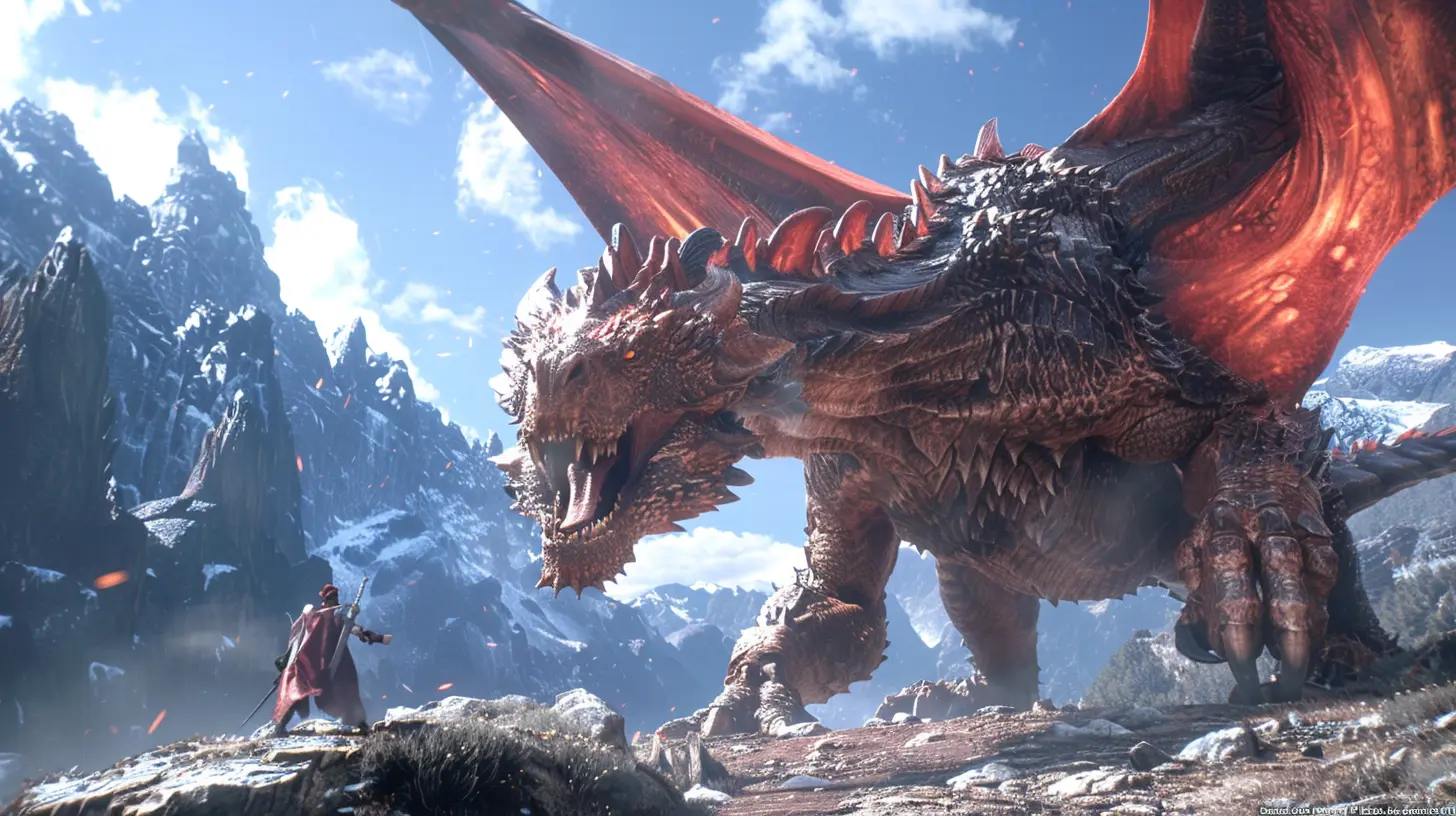
The Golden Highlights: Massive Wins in Gaming
Ah, the sweet satisfaction of a brilliant game. Let’s look at the titles that didn’t just meet expectations—they smashed them.🎮 The Witcher 3: Wild Hunt – The Gold Standard of RPGs
CD Projekt Red hit a home run with this one. The Witcher 3 wasn’t just a good game—it was a massive game. The world was huge, the story intricate, and Geralt’s gruff charm? Chef’s kiss.What made it a massive win:
- A living, breathing open world.
- Side quests that had actual emotional outcomes (not just fetch quests).
- A narrative that respected your choices.
- Free DLC and expansion packs that felt like entire new games.
Gamers praised it not just for its gameplay and story, but for the level of care and polish. It felt like someone crafted it with love, and that love got reciprocated by fans.
🎮 Elden Ring – When Mystery Meets Mastery
FromSoftware’s Elden Ring stirred up a frenzy—and delivered. Imagine cracking open a dark fantasy novel while getting your butt handed to you by two-headed dragons. That’s Elden Ring.Why it worked:
- Open-world design that begged for exploration.
- Brutally satisfying combat.
- Secrets hidden within secrets.
- A real sense of accomplishment after every boss fight.
It took the best parts of Dark Souls, stretched it across a vast open world, and let players loose without hand-holding. Gamers loved the freedom and the challenge. It was mysterious, cryptic, and downright addictive.
🎮 Skyrim – A Never-Ending Fantasy
Even more than a decade later, people are yelling "Fus Ro Dah!" in their sleep. Bethesda’s Skyrim changed the sandbox RPG game forever.Why it was a massive win:
- Modding community kept it alive for years.
- Freedom to play how you want—mage, thief, werewolf, or a bit of everything.
- Epic main quest AND endless side content.
Skyrim became a cultural phenomenon. Let’s be honest—who didn’t spend at least one session picking flowers for alchemy instead of saving the world?
🎮 Fortnite – A Cultural Juggernaut
Like it or not, Fortnite reshaped gaming. Epic Games took the battle royale formula, added building mechanics and constant updates, then threw in pop culture every five minutes.What made it explode:
- Free-to-play model.
- Massive crossovers (hello, Spider-Man vs. Goku).
- Constant content refreshes.
- Competitive and casual appeal.
It created a whole subculture. You’d find kids doing Fortnite dances at weddings, and brands scrambling to get a skin in the game. It wasn’t just a game—it was everywhere.
🎮 God of War (2018) – A Godlike Reboot
Kratos went from angry God-slayer to emotionally complex father, and we loved every moment of it.Why it ruled:
- Stunning visuals.
- Deep, emotional storytelling.
- One continuous camera shot—like a film masterpiece.
- Combat that felt crunchy and meaningful.
Santa Monica Studios pulled off a rare feat: reinventing a franchise without losing its soul. God of War (2018) was an epic that punched us right in the feels.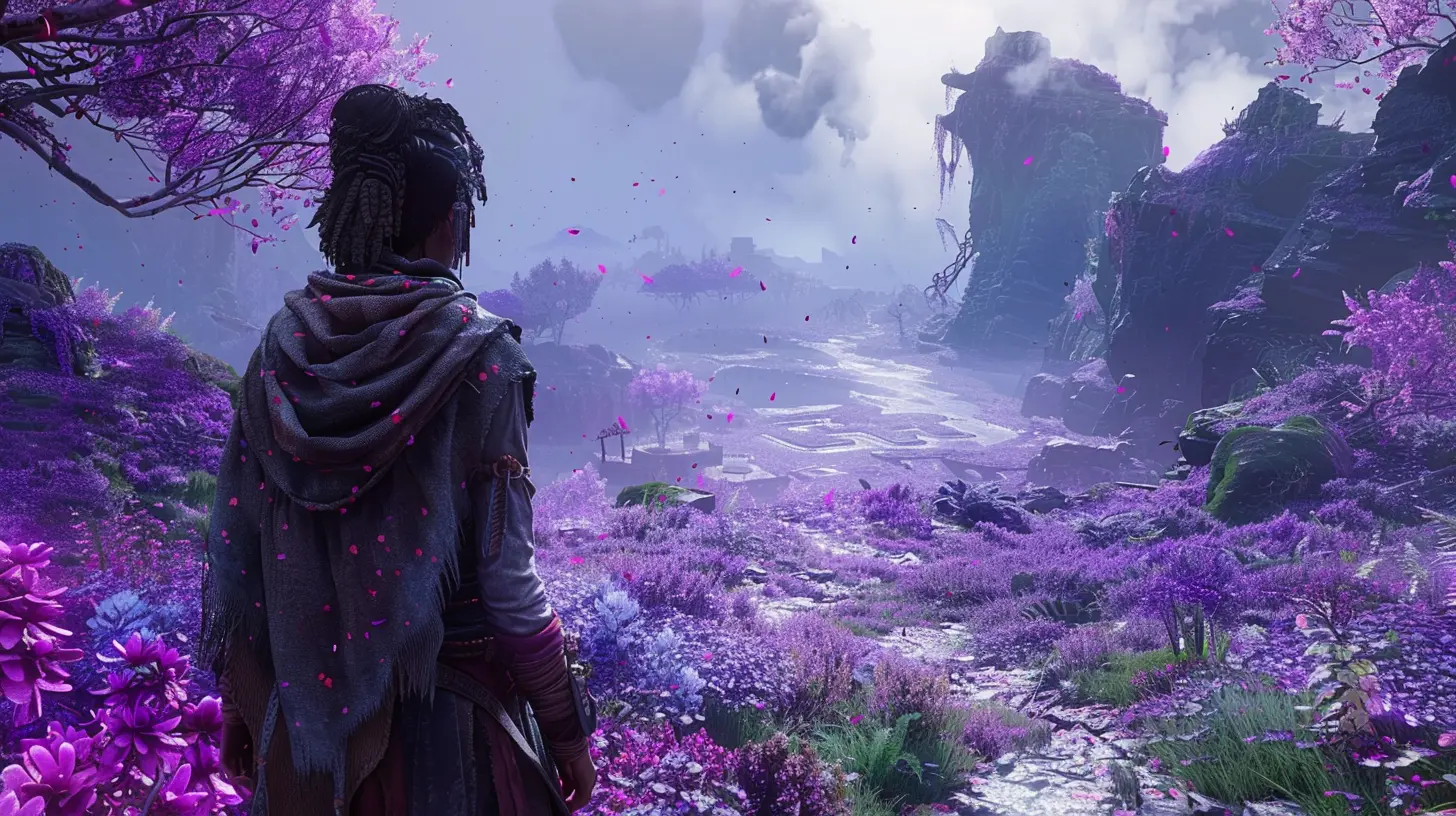
The Painful Pitfalls: Disappointing Misses in Gaming
Now, let's talk about the heartbreakers. These are the games that promised the moon but barely left the launchpad.💔 Cyberpunk 2077 – A Bright Future That Broke Apart
Look, this one still stings. The anticipation was off the charts. Keanu Reeves said “You’re breathtaking!” at E3… and then the game launched.What went wrong:
- Bugs. Like, game-breaking ones.
- Missing features that were promised.
- Poor performance on base consoles.
- Felt unfinished at launch.
Yes, CD Projekt Red patched it over time, but the damage was done. Hype can be a double-edged sword, and Cyberpunk 2077 bled badly.
💔 Marvel's Avengers – Superheroes, Meh Gameplay
Marvel. Avengers. Massive IP, right? This should’ve been a slam dunk. Instead, Square Enix delivered a game that felt like a grindy chore rather than a heroic romp.Why it missed:
- Repetitive missions.
- Shallow loot system.
- Not enough variety in characters' playstyles.
- Lack of engaging endgame content.
It looked promising. But under the surface? No soul. Fans hoped for a blockbuster, but got a glorified mobile game with console graphics.
💔 Anthem – A High-Flying Fail
Bioware gave us Mass Effect and Dragon Age, so expectations were high. Enter Anthem, a game where you fly around in jets suits like Iron Man. Sounds awesome, right?What went wrong:
- Empty world.
- Buggy, clunky combat systems.
- Confusing story direction.
- Content drought post-launch.
It felt like a skeleton of a great concept. The core idea? Solid. The execution? A mess. Even after updates, it couldn’t find its footing.
💔 Battlefield 2042 – From Hype to Hard Pass
EA promised large-scale warfare like never before. What we got was chaos—and not the fun kind.Why it disappointed:
- Features removed from previous games (no scoreboard at launch—what?!).
- Balance issues.
- Glitches galore.
- Specialists replacing traditional classes rubbed fans the wrong way.
It had potential, but rushed development and lack of direction turned it into a meme rather than a masterpiece.
💔 Fallout 76 – A Buggy, Lonely Wasteland
Bethesda decided to make Fallout an online multiplayer survival game. Cool in theory. But reality hit hard.What fell flat:
- Unpolished launch with a truckload of bugs.
- Lack of NPCs made the world feel dead.
- Pay-to-win controversy in a paid game.
They’ve improved it over time, but the rocky start left a bitter taste. It felt like a soulless sandbox in a world we once loved.
What Separates the Wins from the Misses?
Let’s break it down real quick. What makes some games legendary and others infamous?✅ Vision + Execution = Gaming Gold
A cool idea is just step one. You’ve gotta pair it with tight execution. That means:- Smooth gameplay.
- Bug-free launches.
- Meaningful content.
- Listening to the player base.
The best games feel like cohesive experiences, where everything clicks. Even when devs take risks, the payoff is worth it if it’s done right.
❌ Overpromising = Instant Trouble
Some studios get ahead of themselves. They show jaw-dropping trailers, promise the moon, then release a half-finished product. That kills trust—and trust is everything in gaming.❤️ Community Love Matters
Games that thrive long-term are often those that build a community. Think Minecraft, Fortnite, even Among Us. When developers communicate, update regularly, and actually care what players think, the loyalty is real.
Final Thoughts: A Love Letter to the Gaming Journey
Gaming is a wild ride. Sometimes it lifts us to the clouds, and sometimes it throws us into a pit of despair—but that’s part of what makes it so exciting. For every Skyrim or God of War, there’s an Anthem or Fallout 76. Each new release is a roll of the dice, and honestly? That’s the thrill.We cheer when studios get it right and raise an eyebrow when they don’t. Either way, we keep playing, keep hoping, and keep pressing “Start.”
So whether you're shouting in celebration or sighing in frustration, remember—you're part of a passionate, ever-growing tribe that just wants good games.
And hey, isn’t that kind of beautiful?
all images in this post were generated using AI tools
Category:
Game Reviews RoundupAuthor:

Francesca West
Discussion
rate this article
2 comments
Yvette McElroy
What a thrilling ride through gaming's highs and lows! Cheers to the epic wins and lessons from the misses—keep gaming fun! 🎮✨
January 20, 2026 at 5:08 PM
Francesca West
Thanks for the encouragement! Here’s to embracing every moment in the gaming journey! 🎮✨
Thistle Hines
Great insights on the highs and lows of the gaming industry! It's fascinating to see what resonates with players and what falls flat.
January 17, 2026 at 6:06 AM
Francesca West
Thank you! I'm glad you found the insights valuable. The gaming industry's dynamic nature always offers something new to explore!