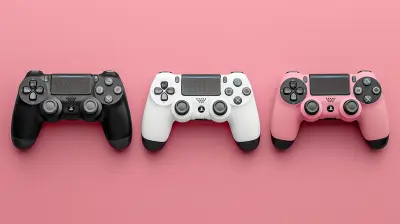
How Vibration Enhances Gaming Immersion
28 August 2026
Let’s get one thing straight — in the world of gaming, it’s not just what you see and hear that counts. It’s what you feel. Yeah, I said it. We're talking about vibration, baby. That subtle (or sometimes not-so-subtle) rumble in your controller when you crash a car, get shot at, or land that victory punch. Vibration isn't just a gimmick — it’s the secret sauce that makes you feel like you're actually in the game.
So buckle up, because we’re diving headfirst into how vibration cranks gaming immersion up to 11.
The Vibe Behind the Vibes: What Is Haptic Feedback?
Before we get too wild, let’s break down the basics. Vibration in gaming, often called haptic feedback, isn’t just your device throwing a temper tantrum in your hands. It's a carefully crafted layer of sensory magic that plays with your sense of touch.Think of it like this: your eyes see the game, your ears hear the action, but your hands? They feel it. And that, my friend, makes all the difference.
From Buzzers to Brilliance: A Quick History of Gaming Vibration
Let’s go on a lil’ nostalgia ride, shall we?Remember the days of the Nintendo 64 Rumble Pak? That chunky little brick you slapped onto your controller? Back then, it was revolutionary. It was like, "Whoa, my game is shaking. This is next level!" But that was just the beginning.
Fast forward a couple of decades, and now we’ve got DualSense controllers that respond to individual raindrops — I mean, c’mon! Vibration technology has evolved from blunt-force buzzing to detailed, nuanced feedback that knows how to tease and thrill.
Why Vibration Is the MVP of Gaming Immersion
? You’re Not Just Watching — You’re In It
Let’s be real. Watching an explosion on screen is cool and all, but feeling the shockwave? That’s a whole different level of badassery. Vibration bridges the gap between digital and physical. It turns a passive experience into an active one.Think about horror games. When the lights flicker and your controller gives a tiny, eerie twitch — oh yeah, your nerves feel that. Or in racing games, when you hit the curb and your wheel shakes just like it would IRL. That’s the power of vibration, folks.
? Fooling Your Brain — And Loving It
Haptic feedback works on your brain like a sneaky illusionist. It makes your mind believe you’re actually inside the game world. It's the same kind of trickery that makes VR so convincing. Your brain doesn’t question the logic; it just eats it up.And that physical acknowledgment? That little rumble when you reload or swing a sword? It tells your brain, “Something’s happening — and you’re part of it.” Boom. Instant immersion.
? Feedback You Can Feel
Gamers want connection — not just to the story or characters but to the action itself. Vibration acts like a whisper in your hand, confirming every move. Whether it’s the recoil of a gun, a heartbeat during stealth missions, or your car spinning out of control — this stuff matters!It pulls you deeper into the experience. Without it, everything can feel... flat. Like watching paint dry. On mute.
The Tech Behind the Tremors
Alright, let’s nerd out just a bit.? Linear Resonant Actuators (LRA)
These bad boys are in most modern smartphones and some controllers. They're precise, fast, and great for creating subtle effects. Think soft heartbeat pulses or tiny footsteps.? Eccentric Rotating Mass (ERM) Motors
These are old-school but still get the job done (hello, original Xbox controller). They're bulkier and not as refined, but when you just need a strong-ass rumble? ERM motors got your back.? Advanced Haptics (Looking at you, PS5 DualSense)
Now we’re talking. The DualSense changed the game (literally). It doesn’t just vibrate — it simulates texture, pressure, and resistance. Pulling back a bowstring or driving through sand feels like it should. It’s the kind of future-tech you’d expect in a sci-fi flick — but it’s here, in your hands.Games That Nailed Vibration Like a Rockstar
Let’s throw some love to games that absolutely slayed the vibration game.? Resident Evil Village
You haven’t experienced true paranoia until you feel footsteps thudding behind you through the controller. The subtle, chilling tweaks of vibration in this game will have you checking behind your shoulder. Chef’s kiss.? Gran Turismo 7
Every tire screech, gear shift, and scrape against the guardrail courses through your hands like you’re actually behind the wheel. If you’ve got a nice wheel-and-pedal setup with force feedback? Oh honey, it’s basically NASCAR at home.? Horizon Forbidden West
Climbing, gliding, and battling mechanical beasts all feel different — and not just visually. Your fingers know the terrain. That’s immersive design done right.? Call of Duty: Modern Warfare (and sequels)
The tactile recoil, grenade shockwaves, and heartbeat sensors pounding softly in your palms? Nothing short of brilliant. You don’t need extra HUD elements when your controller is the HUD.Vibration in VR: The Final Frontier
Let’s crank it up another level.In VR, you’re already visually and sonically in the world. But toss in vibration? That’s when the magic happens.
Controllers like the Oculus Touch and PSVR’s Sense controllers use advanced haptics to simulate everything from pulling levers to the whoosh of arrows flying past your hand. Some next-gen VR suits and gloves (yes, they exist) even simulate temperature and texture — no lie. It’s like Ready Player One just became real life.
Mobile Gaming and Vibration – The Underrated MVP
People sleep on mobile games, but let’s not forget — that little buzz from your phone when you break a candy combo or dodge a bullet in a battle royale? That’s haptic feedback doing its thing.Mobile developers are getting bolder with their rumble game, and with Apple’s Taptic Engine and Android’s fancy haptics, things are heating up. We’re moving from one-size-fits-all buzzing to nuanced, layered feedback. Finally, mobile games that feel good to play!
Where Vibration Is Headed Next
Look, the future is juicy. Here’s what’s coming:? Full-Body Haptics
Imagine feeling rain drop on your arms, or your chest tightening with impact. That’s the goal with haptic suits and gloves. Companies like bHaptics and Teslasuit are already pushing the envelope.? Haptic Audio?
Yeah, it’s a thing. Haptic headphones can vibrate with bass notes or directional audio cues. It’s tactile audio, people. Goosebumps incoming.? Brain-Machine Interfaces
Alright, this one’s still in the “mad science” phase, but it’s coming. Devices that connect directly to your nervous system — meaning you think about movement, and you feel it. When that drops? Game over, reality.But Does Everyone Love It?
Let’s address the elephant in the room.Not everyone wants their hands to rumble like an unbalanced washing machine. Some players, especially those with sensory sensitivity or disabilities, can find vibration overwhelming or distracting.
That’s why the best games let you tweak it. From “just a tickle” to “earthquake mode,” customization is key. Gaming should feel great — not give you a panic attack.
Final Thoughts: Feel It to Believe It
Vibration in gaming isn’t some cheap parlor trick. It’s the unsung hero of immersive storytelling. It’s the difference between “I played a game” and “I lived it.” Whether it’s a subtle thump of footsteps or full-blown feedback from a robot punch, haptic feedback makes games hit different — literally.So next time you're in a boss fight and your controller vibrates like it’s trying to escape your hands? Smile. That’s not a glitch. That’s immersion, baby.
all images in this post were generated using AI tools
Category:
Game ControllersAuthor:

Francesca West
Discussion
rate this article
1 comments
Finnegan Barrett
Vibration truly elevates the gaming experience, making players feel more connected and engaged with the virtual world.
September 4, 2026 at 3:41 AM
Francesca West
I completely agree. Vibration really brings games to life, creating a deeper connection between players and the action on screen.