How to Create Theme-Based Character Builds
30 August 2026
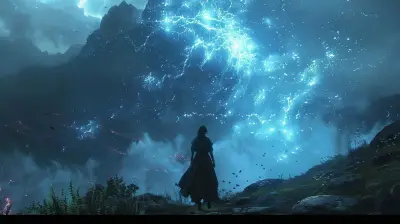
Have you ever crafted a character build so flavorful, so immersive, that it felt like you were writing your own fantasy novel? That’s the magic of theme-based character builds. They’re more than just stats and skills—they’re about personality, quirks, aesthetics, and storytelling. Whether you're diving into your favorite RPG or gearing up for a tabletop campaign, creating a character with a strong theme not only makes gameplay more fun—it makes it unforgettable.
Let’s dig deep into how to create theme-based character builds that'll make both you and your party fall in love with your heroes (or villains).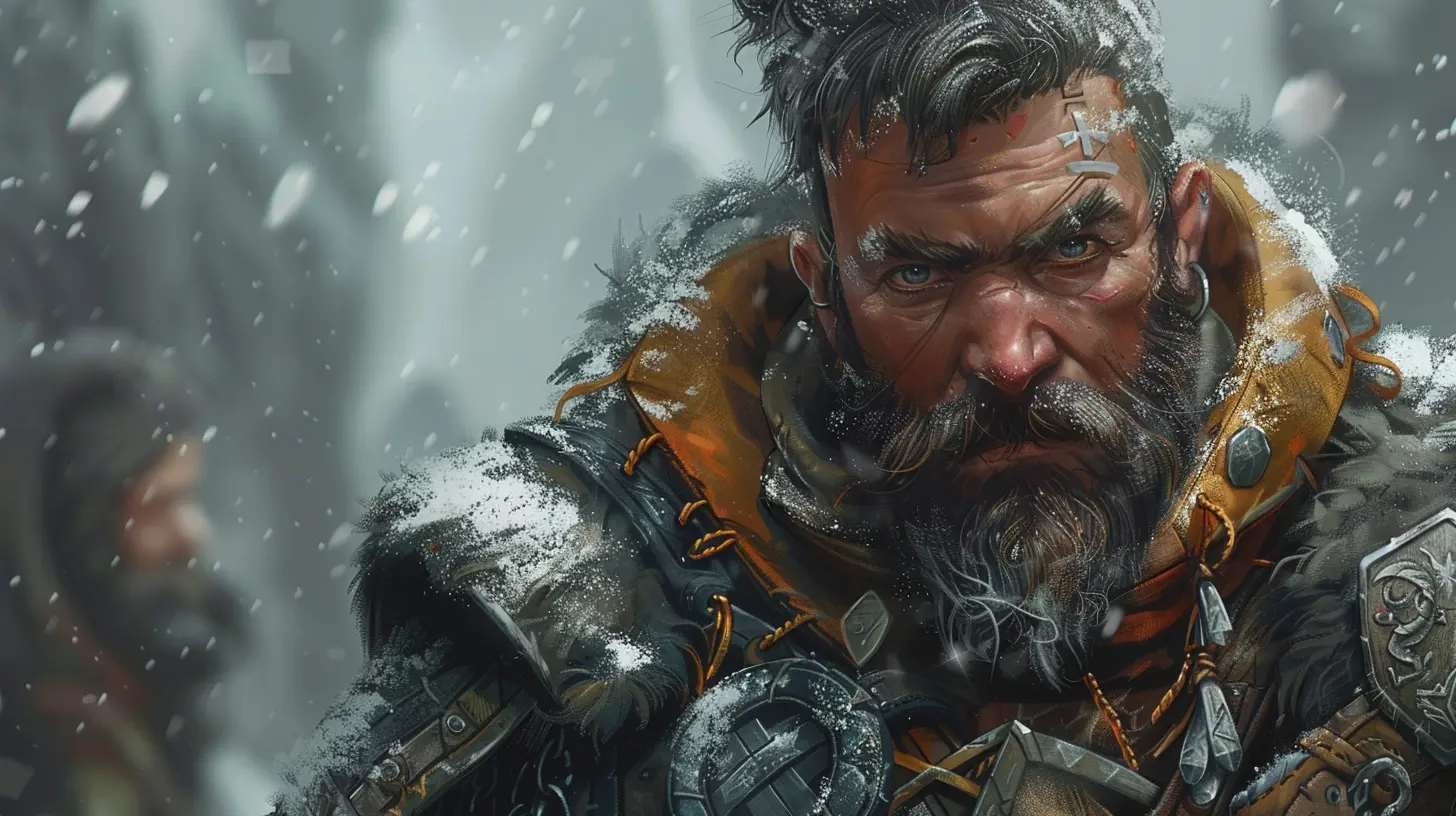
What Is a Theme-Based Character Build?
Let’s clear the air here first—what exactly is a theme-based build?Simply put, it’s a character whose skills, gear, appearance, and behavior all revolve around a central idea or concept. Instead of optimizing just for raw power, you're building a personality.
Think of a knight who refuses to fight with anything but a longsword because of their chivalric code. Or a rogue who only uses poisons because they believe in "silent justice." That’s a theme. And it’s awesome.
Why Go Thematic? (Besides Looking Cool)
A lot of players chase the "meta"—the most effective strategies. But here’s the thing: the strongest builds aren’t always the most fun. A theme-based build adds depth, tension, and flavor to your gameplay. Here's why you should consider it:- Immersion: You’re not just playing a character; you’re living as one.
- Story Impact: The character becomes part of the narrative, not just a stat block.
- Unique Gameplay: You’ll play in new ways that challenge and inspire you.
- Creativity Boost: You get to think outside the box and make builds no one else has.
Step 1: Pick Your Core Theme
This is where it all starts. Ask yourself: What kind of story do I want to tell with this character? Your theme can come from almost anywhere.Some Cool Theme Examples:
- Elemental Mage – Only uses spells tied to fire, ice, or lightning.- Vengeful Spirit – A ghost-themed build focused on fear, ethereal weapons, and stealth.
- Beastmaster – Focus on pets, animal forms, and wild behavior.
- Wandering Monk – No armor, focuses on hand-to-hand combat and wisdom.
Once you’ve got your theme, everything else should orbit around it like planets around a sun.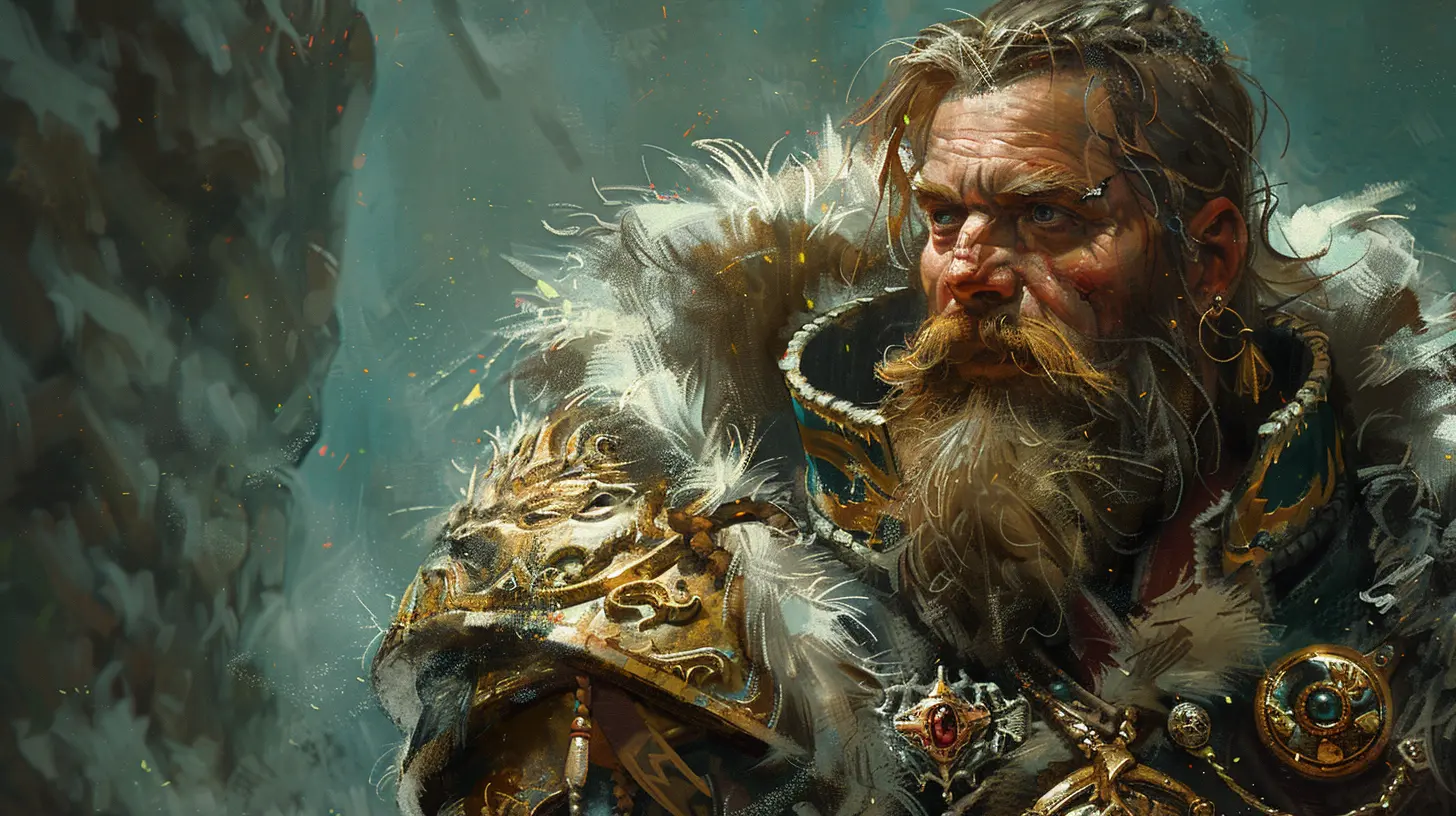
Step 2: Align Your Stats & Class (Or Archetype)
Now, this is where the juice starts flowing. You're not just picking the best class—you’re picking the one that feels right for your theme.For a deathly necromancer? You’re probably going Intelligence-heavy with magic classes. For a rogue assassin? Dex all the way.
Don’t worry if the theme isn’t “optimized.” That’s part of the fun. You might need to sacrifice some power for flavor, but the payoff is a more meaningful character.
Pro Tip: Try multi-classing or hybrid builds if your game allows it. They can open up unique thematic possibilities (like a cleric/warlock torn between light and dark).
Step 3: Choose Gear That Tells a Story
Gear is where your theme can truly shine. The right weapon or armor set can scream “This is who I am!”If your character is a fire mage, go for staves and robes that look scorched or have ember-like effects. A holy knight? They better be wearing radiant armor with a sword that glows like dawn.
And who says fashion isn’t meta? Transmog systems (like in Diablo, Skyrim, or World of Warcraft) let you look the part—even if your stats come from different gear.
Quick Tip: Don’t forget about accessories and cosmetics. Capes, helmets, tattoos—these little things can be the cherry on top of your theme.
Step 4: Roleplay and Personality
Stats are the skeleton. Gear is the flesh. But personality? That’s the soul.Think about your character’s backstory, motivations, and how they see the world.
- Does your frost wizard hate fire spells with a passion?
- Is your cursed warrior always a little too eager to draw their blade?
- Does your pacifist druid avoid violence at all costs?
Tie it all back to that core theme you started with. The more consistent your character’s behavior, the more authentic and memorable they’ll feel.
And when you roleplay them—whether in solo games or with a party—you’ll see the story practically write itself.
Step 5: Build a Thematic Skill Tree
When leveling up or allocating abilities, don’t just go for the best numbers. Go for the ones that feel in-character.If your knight is all about honor and defense, prioritize shield techniques and defensive buffs. If your warlock made a deal with a dark god? Go for cursed skills, debuffs, or mechanics that cost health to cast.
Sometimes this means passing up objectively better skills for the sake of the theme. But remember—you're making a character, not a calculator.
Pro Move: Use your skill tree as a form of storytelling. Maybe early on, your character is all offense, but after a tragic event, you start focusing on healing or support skills. That’s a character arc right there.
Step 6: Set Boundaries (And Stick to Them!)
Here's where it gets real: commit to the bit.If your druid has sworn off civilization, don’t let them carry metal weapons. If your shadow assassin only works during nightfall, don’t break character just because it’s easier.
Setting self-imposed rules doesn’t limit you—it liberates you. It turns every challenge into a puzzle. How do I beat this boss while sticking to my code? How do I support my team when I can only use poison?
It turns gameplay into a story-driven sandbox, and it’s way more fun than min-maxing.
Step 7: Add The Flavor—Dialogue, Reactions, and Choices
Now you’re really cooking. If you’re playing a game with dialogue options, make choices that reflect your theme.If you're lawful good, take the noble route—even if it’s tougher. If you’re playing a trickster archetype, always pick the chaotic or deceptive options.
Your reactions matter too. How does your character respond to betrayal? Triumph? Defeat?
Hot Take: Even in games that don’t have dialogue, you can still react. That NPC lied to you? Maybe your character refuses to talk to them again. That town is evil? You leave it behind, even if it means missing quests.
These small touches make your build come alive.
Case Study: The Fire Mage Who Feared Water
Let me walk you through a real build I once made—just to show how deep you can go.Theme: Fire Mage Obsessed With Flame, Afraid of Water
- Class: Mage (focus on fire spells only)- Backstory: A child who survived a house fire, believing fire is both protector and destroyer.
- Gear: Ember-colored robes, staff with flame engravings
- Skill Tree: Only fire-related spells. No ice, no water, no neutral magic.
- Roleplay: Panics in rain. Avoids water dungeons. Gets angry at party members who use ice magic.
- Restrictions: No canteens, no fishing, no potions labeled as "water-based"
Was it technically efficient? Heck no. But was it fun, memorable, and the absolute highlight of my campaign? You bet.
Challenges of Thematic Builds (And How to Overcome Them)
Let’s be honest for a sec—not everything in the world of thematic building is sunshine and rainbows.Common Hurdles:
- Limited Skill Choices: Your theme might box you in.- Underpowered Builds: You won't always be meta.
- Teammate Confusion: Others might not get your vibe.
How to Handle 'Em:
- Get creative—look for synergies you wouldn’t normally consider.- Talk to your party or group about your goals—it helps set expectations.
- If you’re solo, embrace the challenge. It’s like playing on hard mode!
Just remember: difficulty breeds creativity.
Final Thoughts: Make It Yours
Theme-based character builds aren’t just fun—they’re yours. They're a chance to pour your creativity into gameplay, carve out a unique identity, and turn every quest into a page in your character’s story.Don’t worry about being perfect. Worry about being authentic. The best characters aren’t always the strongest—they’re the ones who live and breathe between the stat sheets.
So next time you boot up your favorite game, don’t ask, “What’s the best build?” Ask, “What kind of story do I want to tell?”
Because that’s where the magic happens.
Quick Recap ?
Here’s a quick cheat-sheet for your next themed build:1. Pick a Core Theme
2. Choose Class & Stats That Support It
3. Find Gear That Matches the Idea
4. Develop a Personality Consistent With the Theme
5. Align Skills and Abilities with the Build
6. Set Personal Boundaries to Stay True
7. React In Character to In-Game Events
Now go build something unforgettable.
all images in this post were generated using AI tools
Category:
Character BuildsAuthor:

Francesca West
Discussion
rate this article
1 comments
Michelle Strickland
Creating theme-based character builds enhances gameplay by allowing players to immerse themselves in unique narratives. Focusing on specific traits, backgrounds, and abilities fosters creativity, encouraging deeper engagement and a more personalized gaming experience.
September 3, 2026 at 5:07 AM
Francesca West
Absolutely! Theme-based character builds add depth and make the game more personal. They truly elevate the storytelling experience.