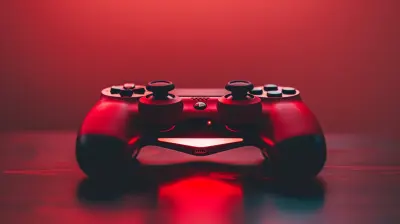
How to Choose the Right Controller for Your Playstyle
26 April 2026
If you’re a gamer, you already know that your controller is basically an extension of your hands. It’s your weapon, your steering wheel, your sword, your dance partner—however you want to look at it. The point is, it isn’t just about plugging in any old gamepad and hitting “start.” Choosing the right controller for your playstyle can make a world of difference in how much you enjoy your games—and how well you play them.
So, how do you pick the perfect controller? Whether you’re deep into fast-paced shooters, love sprawling RPGs, or live for high-adrenaline racing games, there’s a controller that fits just right. In this guide, we’ll break down the different types of controllers, what to look for based on your playstyle, and how to find the one that feels like it was built just for you.
Why Your Controller Choice Actually Matters
Sounds dramatic, doesn’t it? But for real—choosing the right controller can affect everything from comfort and speed to accuracy and overall enjoyment.Imagine trying to drift through tight corners in a racing sim with a controller that has mushy triggers… No thanks. Or attempting precise sniping in a shooter with a controller that has laggy thumbsticks… Hard pass.
Your controller directly influences your reaction time, control precision, and even how tired your hands get after long gaming sessions. It’s not about being fancy—it’s about being functional.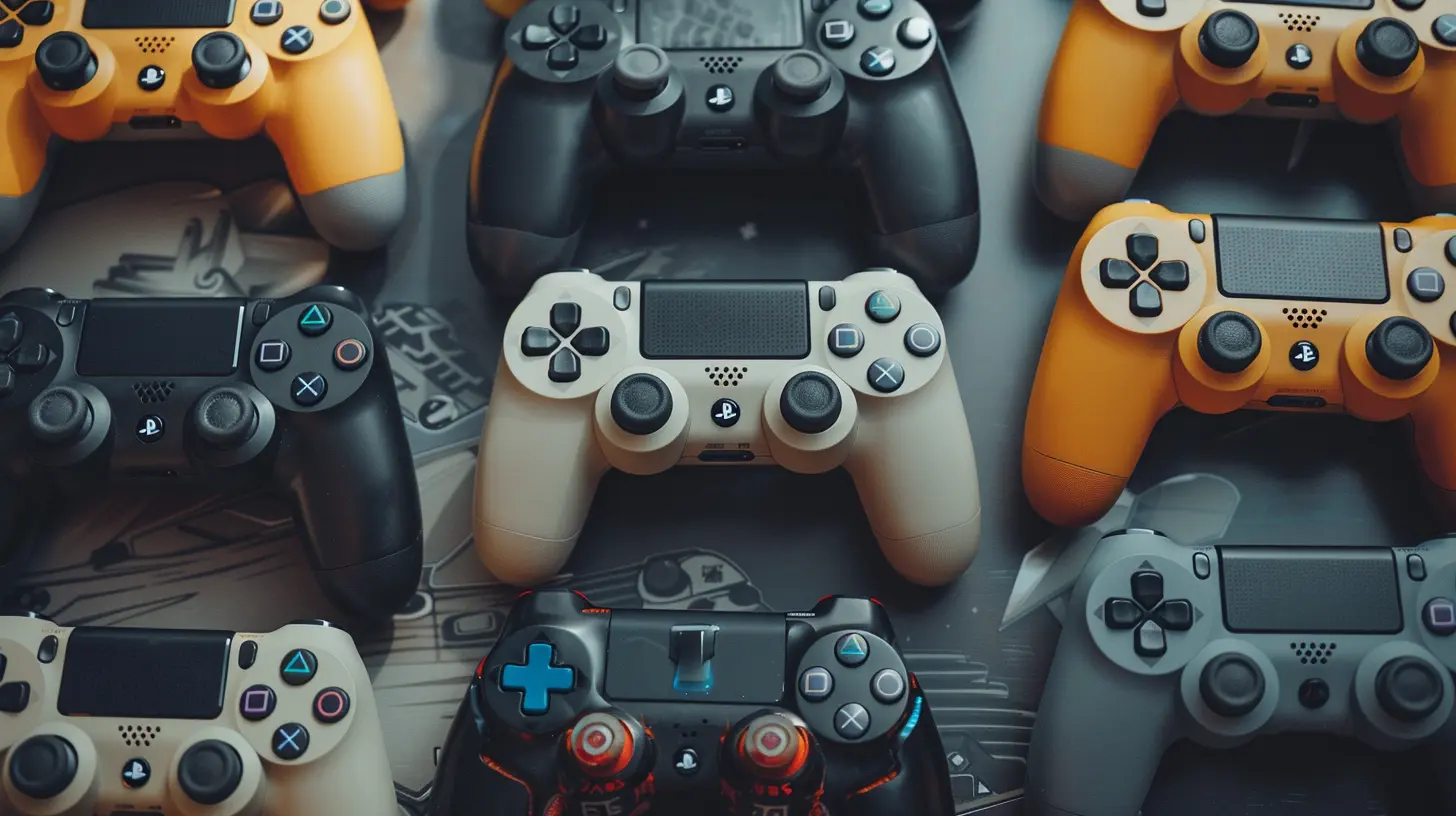
Know Thyself: Understanding Your Playstyle
Before we dive into buttons, triggers, and custom paddles, let’s take a step back. Ask yourself: _What kind of gamer am I?_There’s no one-size-fits-all when it comes to gaming. Some players are super competitive and want lightning-fast responsiveness. Others are more chill, leaning into story-rich, atmospheric games where comfort matters most. There’s no wrong answer. It’s all about what _you_ enjoy.
Here are a few common playstyles to consider:
1. Competitive/FPS Gamer
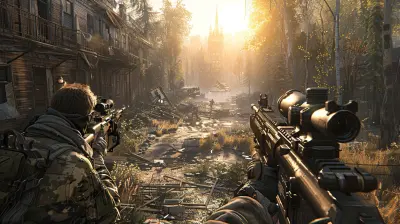
You live for the leaderboard. Your games of choice usually involve guns, grenades, and quick reflexes. Precision and speed are everything here.2. Casual/Story-Driven Gamer
You game to chill. Maybe you love single-player adventures, RPGs, or laid-back platformers. Comfort and immersion are your best friends.3. Fighting Game Fanatic
You’ve mastered every combo in Street Fighter and can pull off a perfect Hadouken in your sleep. You need quick button access and responsiveness.4. Racing Enthusiast
You eat tight turns and split-second decisions for breakfast. Haptic feedback, pressure-sensitive triggers, and steering control are big deals.5. Simulator/Builder
You get joy from building cities, managing farms, or navigating flight sims. You’ll want precision controls and often extra buttons for assigning tasks.Got your playstyle in mind? Awesome! Let’s move to the gear.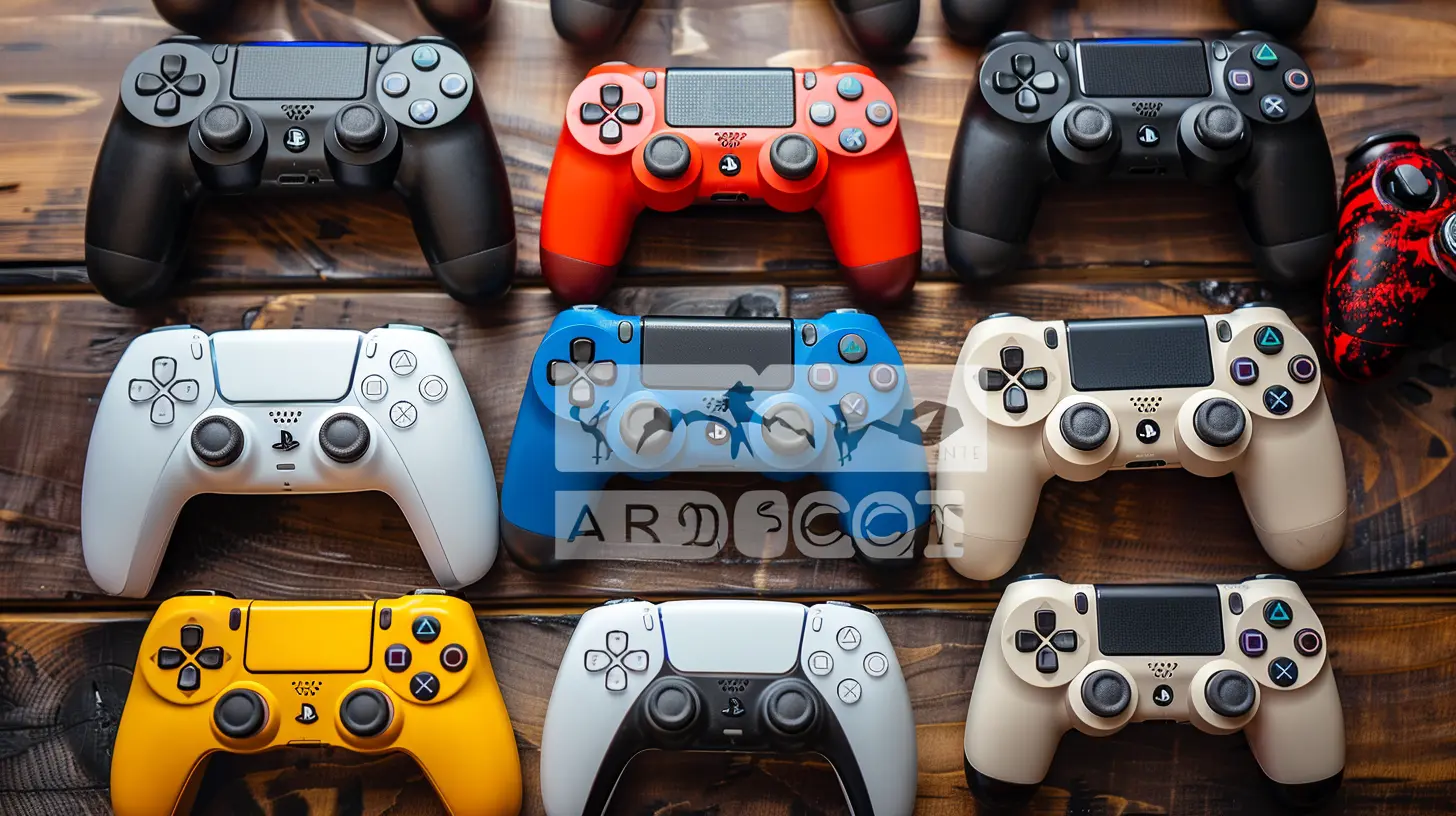
Types of Controllers: The Main Players
There are a few major types of controllers that dominate the gaming world. Each has its strengths and weaknesses, depending on what you’re playing.1. Standard Wireless Controllers
Think of your default Xbox or PlayStation controller. These are balanced tools made for general gaming—good for most games, but not ultra-specialized.Best for: Casual gamers, story-driven games, light multiplayer
2. Pro Controllers
These come with bells and whistles—adjustable triggers, extra paddles, swappable thumbsticks, and more.Best for: Competitive gamers, FPS players, esports fans
3. Fight Sticks
Essentially the arcade experience at home. Great for precision fighting moves with a joystick and big input buttons.Best for: Fighting game fans
4. Racing Wheels
Want to turn your living room into a racetrack? You need a racing wheel with pedals, maybe even a shifter. These offer the most immersive driving experience.Best for: Racing sim enthusiasts
5. Adaptive Controllers
Designed for accessibility, these controllers can be customized with various inputs to fit different physical needs.Best for: Gamers with disabilities or those needing personalized controls
6. Mobile Gamepads
These are great if you play a lot of games on your phone or tablet. They often clip onto your device and give you physical controls, which beats on-screen buttons any day.Best for: Mobile gamers, cloud gamers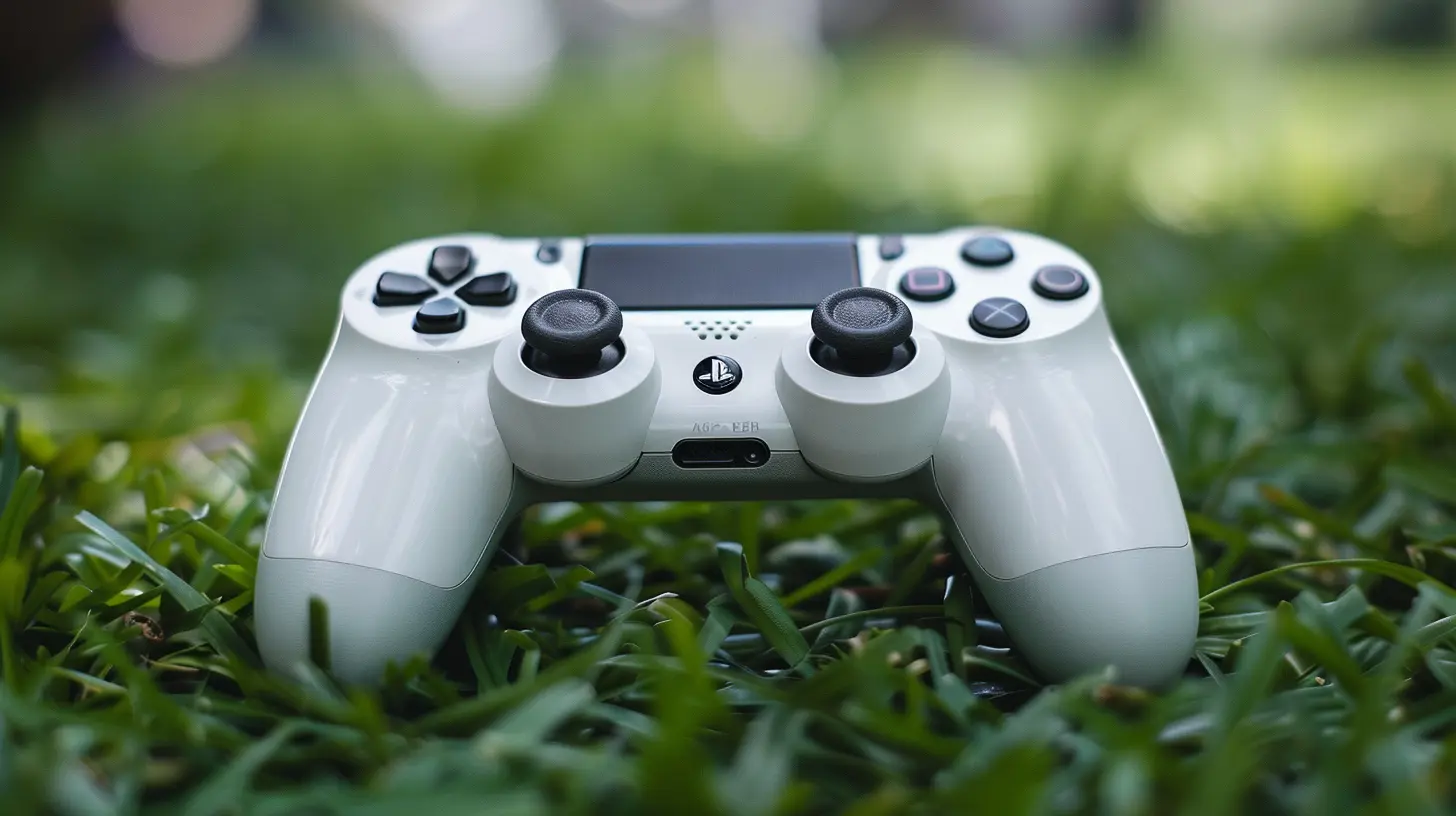
Key Features to Look For in a Controller
Now that you’ve got a sense of your style and the general types of controllers, let’s get into the nitty-gritty. What features should you actually care about?? Ergonomics
This is gamer-speak for “how comfy is it?” Some controllers just _feel_ right. Others feel like you’re gripping a brick. Look for:- Hand fit and grip shape
- Button placement comfort
- Weight balance
If a controller makes your hands cramp after an hour, it’s not the one.
⚡ Responsiveness & Input Lag
This one’s critical for competitive gamers. Some cheaper controllers have noticeable input delay. Not good when you’re in the middle of a shootout.Stick with brands that have a good reputation for low-latency performance—or go wired if you want to eliminate lag entirely.
? Customization
Can you remap buttons? Swap out thumbsticks? Set trigger sensitivities? For many players, having control over how the controller feels is a total game-changer.Highly customizable options like the Xbox Elite Series 2 or the SCUF controllers offer crazy flexibility.
? Battery Life
Nobody likes running out of juice mid-battle. Wireless controllers vary wildly in battery life. Some last 4–6 hours, while others can run for 30+ hours on a single charge.Pro tip: If you game a lot, invest in a controller with rechargeable batteries or use a charging dock.
?️ Stick and Trigger Sensitivity
If you play FPS or racing games, pay close attention to how responsive and adjustable the thumbsticks and triggers are. Some let you fine-tune the dead zones or tension for pinpoint accuracy.? Vibration & Haptics
Some love a good rumble, others find it distracting. Newer controllers like the PS5’s DualSense have immersive haptics that feel super dynamic in-game.Controller Picks Based on Gaming Style
Let’s match some popular controllers with specific gaming styles to give you a head start:? For Strategic/Casual Gamers:
- PlayStation DualSense: Comfortable, immersive, and perfect for deep single-player games.- Xbox Wireless Controller: Great ergonomics and compatibility across PC and console.
? For Competitive/FPS Players:
- Xbox Elite Series 2: Fully customizable, with pro-grade features.- SCUF Reflex Pro / Instinct Pro: Designed specifically for eSports-level performance.
? For Racing Buffs:
- Logitech G923 Wheel + Pedals: Crisp force feedback, responsive wheel action.- Thrustmaster T300 RS GT: Mid-tier price but high-end feel.
? For Fighting Game Lovers:
- Hori Real Arcade Pro V: An arcade-level fight stick with responsive buttons.- Razer Panthera Evo: Designed with pro fighting game players in mind.
? For Mobile Gamers:
- Backbone One: Snaps onto your smartphone, incredible ease of use.- Razer Kishi: Feels like a console controller in your hands, but for your phone.
Should You Go Wired or Wireless?
Big question. Here’s the quick breakdown:- Wired = No input lag, often cheaper, no battery worries.
- Wireless = More freedom, cleaner setup, but can lag slightly or run out of juice.
If you’re ultra-competitive, especially in FPS games, wired might be worth it. Otherwise, wireless is fine for most players (and let’s be honest—cables are annoying).
Personal Suggestions & Final Thoughts
Here’s the deal—there’s no “perfect” controller for everyone. What matters most is how it feels in _your_ hands, how it responds to _your_ playstyle, and whether it elevates your gaming experience.Test stuff out if you can. Head to a local game store and actually hold the controller. Does it feel natural? Easy to press the triggers and bumpers? Are the thumbsticks smooth and tight? That tactile feel tells you more than a spec sheet ever could.
Also, don’t let marketing hype cloud your judgment. A $200 controller isn’t going to make you a pro overnight. But the right controller _will_ make you more comfortable, more responsive, and more in control. And that, my friend, is priceless.
So go ahead—treat yourself to a controller that _gets you_. Your hands (and your K/D ratio) will thank you.
FAQs
Q: Do expensive controllers really make a difference?
Yes and no. They’re not magic wands, but they offer better build quality, more features, and customization that serious players benefit from.Q: Can I use a controller from one console on another?
With adapters and software, sometimes yes. But compatibility is hit-or-miss depending on the device and game. Always check first.Q: What about keyboard and mouse?
They’re great for some games, especially on PC. But many players still prefer the feel of a controller, especially for platformers, racers, and fighters.Final Word
Choosing the right controller isn’t about being fancy—it’s about feeling in sync with your game. When the controller fits your playstyle, it’s like unlocking a new level of joy and skill. So take your time, try a few out, and find the one that makes you feel unstoppable.Happy gaming!
all images in this post were generated using AI tools
Category:
Game ControllersAuthor:

Francesca West
Discussion
rate this article
2 comments
Thornewood Kearns
Choosing the right controller hinges on your gaming style. Consider factors like grip, button layout, and sensitivity. Whether you prefer a light touch for precision or a sturdier feel for aggressive gameplay, the right fit can enhance your overall experience.
April 30, 2026 at 4:39 PM
Francesca West
Absolutely, finding a controller that matches your style can make a big difference in your gameplay. It's all about what feels comfortable for you.
Zorina McIntosh
Consider your preferred game genre, grip comfort, and button layout to find the perfect controller match.
April 27, 2026 at 4:50 AM
Francesca West
Great point! Comfort and layout really make a difference in gaming performance.