How to Build Characters That Adapt to Any Situation
11 June 2026
Let’s be honest—no one wants to play or write a one-trick pony.
Whether you're designing characters for a tabletop RPG, writing a novel, or crafting a protagonist for your next big game, adaptability is the magic ingredient that turns a decent character into a legendary one. Characters who can roll with the punches, pivot under pressure, and evolve over time hook your audience and keep players or readers coming back for more.
So, how exactly do you build characters that can not only survive but thrive in any situation? Grab a snack, get comfy, and let’s dive into the art (and a little science) behind creating these dynamic chameleons of the character world.
Why Adaptability Matters in Character Design
Think of your character like a Swiss Army knife—versatile, ready for anything, and shockingly useful in unexpected situations. Why does that matter? Because static characters get boring. Fast.Imagine playing a healer who can only patch up wounds but can’t talk their way out of a sticky diplomatic mess or survive a sudden ambush. Or picture a stoic knight who absolutely crumbles when faced with emotional conflict. Suddenly, your story—or game—hits a dead end. Yikes.
An adaptable character, on the other hand, keeps things moving. They’re believable. They evolve, and they grow. They’re the ones who leave a lasting impression.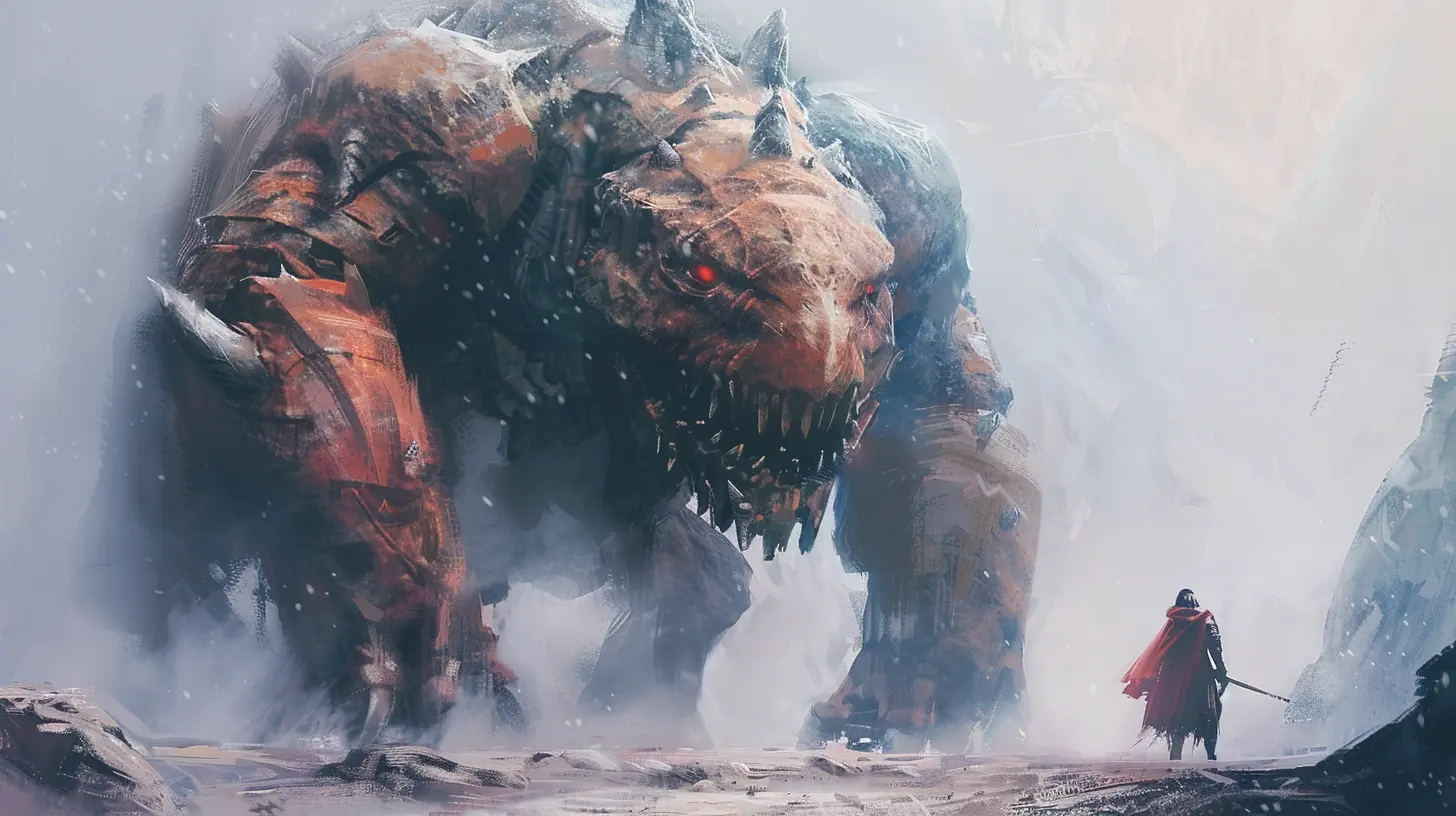
Understanding the Core Traits of Adaptable Characters
Before you start throwing traits together like LEGO bricks, it helps to understand what makes a character truly adaptable. It’s not just about skill sets—it’s about mindset, flexibility, and layers.1. Emotional Intelligence
Adaptability starts in the mind. How your character processes emotions, handles stress, and interacts with others can determine how well they deal with unpredictable circumstances.- Are they calm under pressure?
- Can they read the room?
- Do they learn from mistakes?
Characters with high emotional intelligence can pivot socially and mentally, making them compelling and unpredictable—in the best way.
2. Versatile Skill Sets
Sure, a master swordsman is cool, but can they also navigate a tense negotiation or decode ancient runes? Probably not—unless they’ve been designed for it.Include a mix of “hard” and “soft” skills:
- Combat & physical skills
- Communication & persuasion
- Problem-solving & logic
- Stealth & improvisation
Pro-tip: Don’t max out one stat and forget the others. A jack-of-all-trades may not be the best at everything, but they won’t be a liability when the game flips the script.
3. Dynamic Backgrounds
Give your characters life before the story begins. A rich backstory provides a foundation for adaptability.Did they grow up in a rough neighborhood, learning to survive by thinking on their feet? Were they a scholar forced into a life of adventure? Backgrounds like these organically build resilience and open the door for real character development.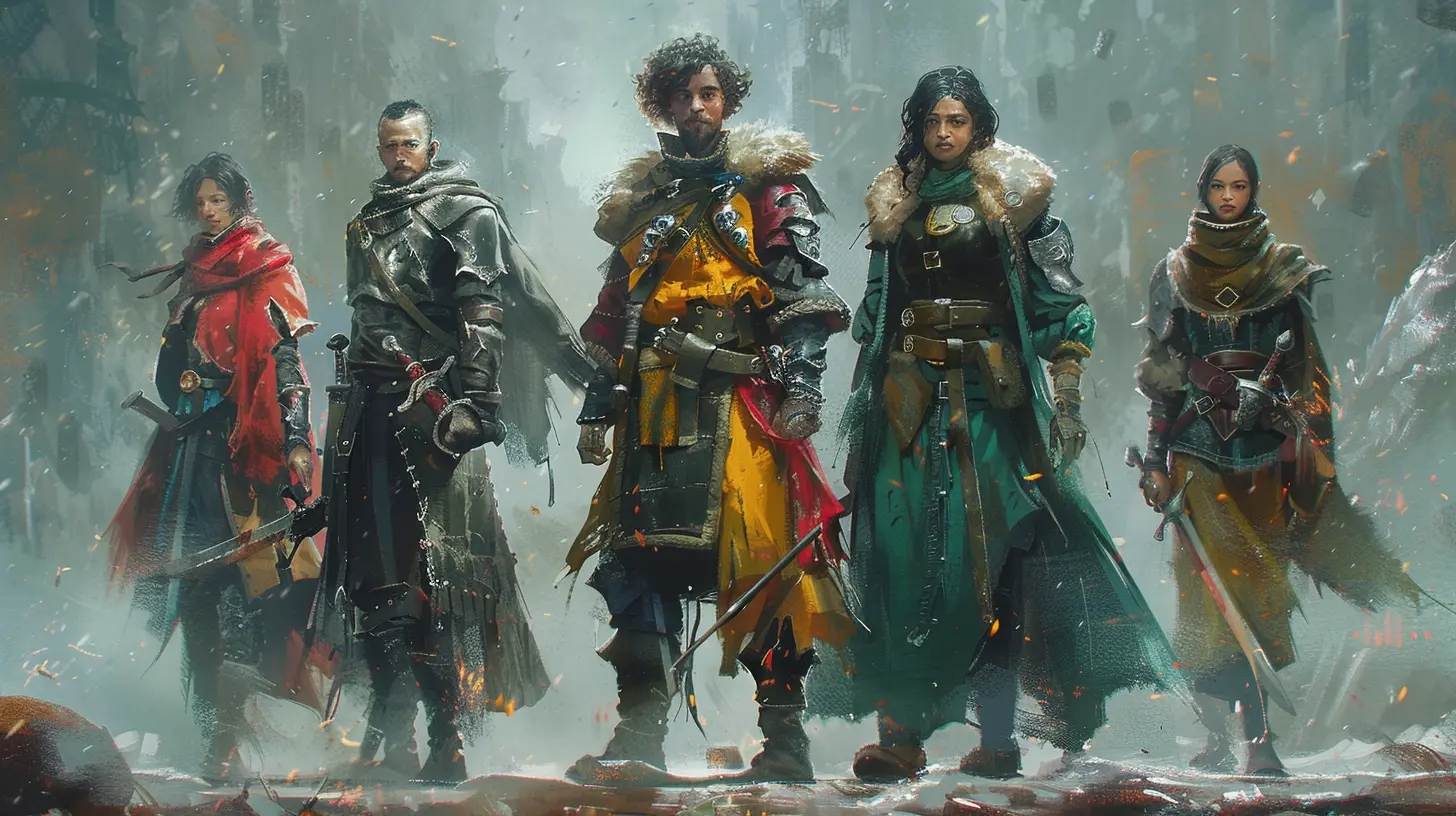
Step-by-Step Guide to Building Adaptable Characters
Alright, now we’re getting to the good stuff. Creating an adaptable character involves a bit of method and a pinch of madness. Here’s how to do it step by step.Step 1: Define a Flexible Personality
First things first—what kind of person are they?Focus on personality traits that encourage flexibility:
- Curious: They ask questions and explore options.
- Open-minded: They consider other perspectives.
- Resilient: They bounce back from setbacks.
- Witty or resourceful: They think on their feet.
You don’t have to make a perfect human. Just ask yourself: how well would this character handle things if everything suddenly went sideways?
Step 2: Build a Multi-Dimensional Skill Set
Let’s get down to the nuts and bolts. It’s time to flesh out their abilities.Instead of putting every point into brute strength or hacking skills, spread things around. Give them a solid “main” area of expertise, but sprinkle in a couple of other competencies that can shine under pressure.
If you're working with RPG stats or character sheets:
- Choose a primary class/role (e.g., rogue, paladin, mage).
- Add 2–3 secondary proficiencies or talents.
- Include a wildcard skill—something unusual but useful (e.g., cooking, mimicry, lock-picking).
These unexpected abilities can change the course of a story or gameplay session more than you might think.
Step 3: Design for Moral Flexibility
This one’s spicy, but hear me out.Characters who stick rigidly to their code, no matter what, are interesting… until they’re not. Sometimes, you need a character who can bend the rules or question their beliefs when the stakes get real.
Ask yourself:
- What lines would they never cross?
- What lines might they cross if pushed hard enough?
- How do they justify their decisions?
Giving your character room to wrestle with their beliefs makes them adaptable and relatable.
Step 4: Layer in Motivations and Goals
Motivations are the GPS systems of your character. But for an adaptable character, these goals shouldn’t be set in stone.Start with one or two driving goals—revenge, redemption, protecting someone, finding treasure—but make them broad enough to allow growth and evolution.
As your story or game progresses, let their goals evolve. Maybe they start with revenge in mind, only to realize forgiveness is more powerful. That pivot? That’s gold.
Techniques for Keeping Adaptable Characters Engaging
Creating them is one thing. Keeping them fresh without making them feel like a shapeshifting mess? That’s the real trick.Use Conflict to Force Growth
Conflict is the treadmill for character development. It forces them to run, adapt, and get stronger—emotionally, mentally, and even physically.Give them situations that challenge their beliefs, test their skills, or force them to pick sides. The more heat you throw, the more they evolve.
Reflect Change Over Time
Characters don’t have to do a 180 overnight. Let change happen gradually:- Shift in dialogue style
- New habits or mannerisms
- Changes in how they treat others
- Evolution in wardrobe or gear
These subtle cues show growth without turning your character into a stranger to the audience.
Avoid Making Them Superhuman
Adaptability doesn’t mean invincible. Mistakes make characters real. Have them fail, misread people, or choose poorly. The key is how they bounce back.Remember: A flawless character is a boring one.
Examples of Adaptable Characters Done Right
Nothing brings these concepts home like seeing them in action. Let’s look at a few characters—from games, movies, and literature—who totally nailed adaptability.Geralt of Rivia (The Witcher)
He’s a monster slayer by trade, but Geralt can also debate politics, negotiate peace, and charm sorceresses. He adapts to each region, culture, and challenge he encounters.Aloy (Horizon Zero Dawn)
Thrown into a world she doesn’t understand, Aloy learns to master both ancient tech and tribal traditions. Her adaptability is her superpower.Arya Stark (Game of Thrones)
From noble girl to blind assassin to faceless warrior. Arya’s journey is driven by change and her ability to adapt mentally, emotionally, and tactically.Pro Tips for Writers and Game Developers
Let’s wrap things up with a few insider tricks:- Don’t Overdefine Everything: Leave room for growth. Let characters surprise you.
- Use Feedback Loops: Let player choices or reader reactions influence character decisions.
- Think Long-Term: Design your character with a 3-act arc in mind—even if it’s a 100-hour game.
Final Thoughts
Building characters that adapt to any situation isn’t just about making them useful—it’s about making them unforgettable. It’s about creating personalities that feel real, flawed, and capable of change.Whether you’re deep into game development, crafting your next campaign, or just scribbling character ideas in a notebook, keep this in mind:
Characters don’t need to have all the answers—they just need to be ready to find them.
So go ahead, design that rogue who reads philosophy, or that priest who knows how to pick a lock. In a world full of cookie-cutter builds, your adaptable characters will be the ones that truly stand out.
all images in this post were generated using AI tools
Category:
Character BuildsAuthor:

Francesca West
Discussion
rate this article
2 comments
Rosanna McKittrick
Creativity is your best tool... have fun!
September 16, 2026 at 3:23 AM
Francesca West
Absolutely! Playing with creativity makes the process so enjoyable and rewarding.
Khloe Jenkins
Just add a cape and call it versatility!
June 14, 2026 at 4:20 PM
Francesca West
Haha, that's a fun take! A cape definitely adds flair to any character.