How Racing Games Are Pushing the Limits of Sound Design
4 January 2026
If you’ve ever revved up in a virtual Bugatti and felt your heart pound to the rhythm of the roaring engine, you’ve experienced the magic of sound in racing games. Sure, jaw-dropping graphics and hyper-realistic physics steal the spotlight, but have you noticed how sound design is quietly revolutionizing the genre? No? Well, buckle up, because we’re about to take a deep dive into how racing games are pushing the limits of sound design to immerse players like never before.
Whether you're a casual gamer zipping through arcade-style racers or a die-hard sim enthusiast nailing perfect apexes, sound plays a massive role in cranking up the intensity. Let’s hit the gas and see how game developers are redefining the auditory experience.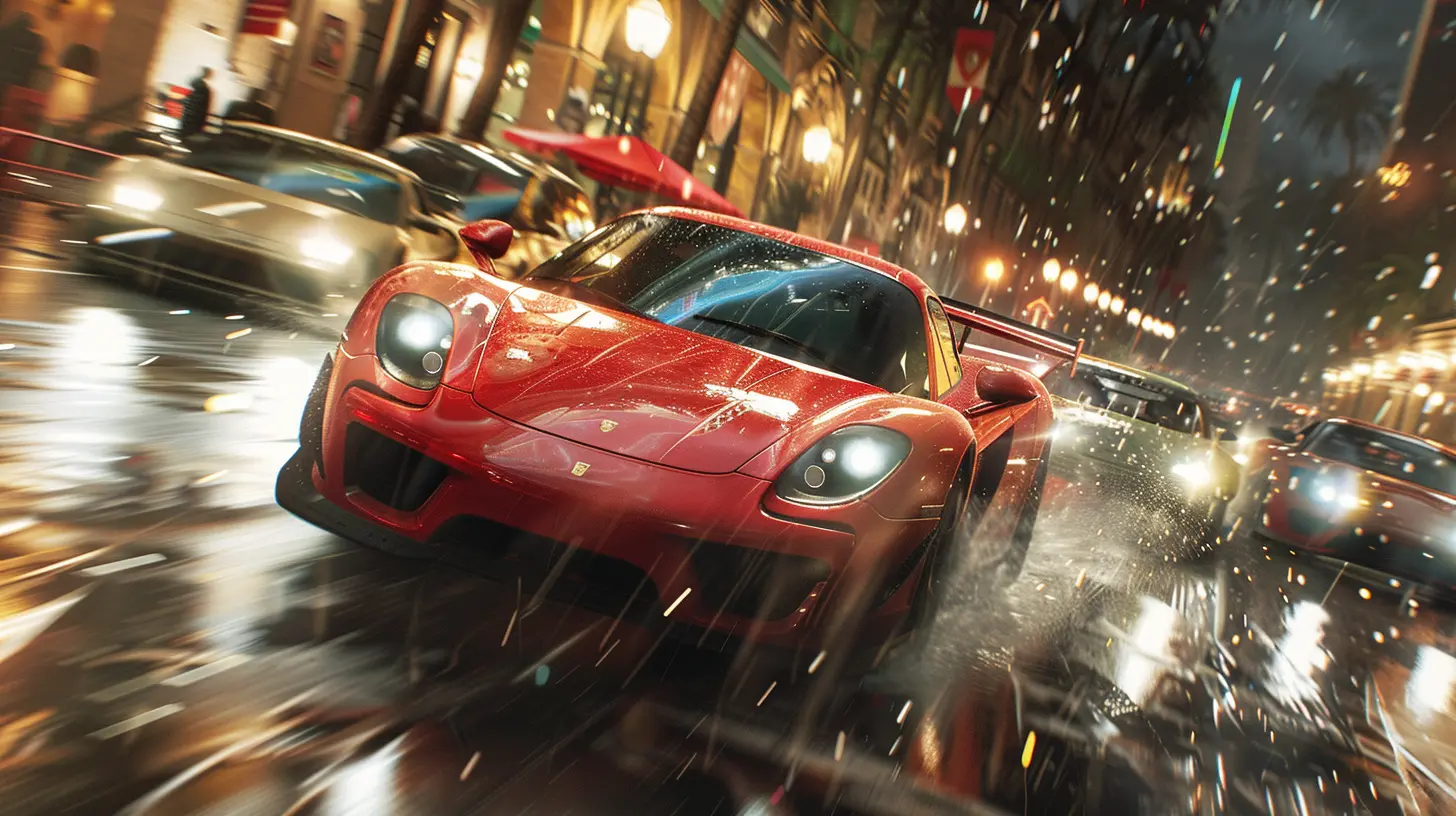
Why Sound Design Matters in Racing Games
Let’s face it, racing games without good sound design would be like watching an action movie on mute—sure, you get the picture, but you’re missing the adrenaline. Sound in racing games is more than just engine noise; it’s about atmosphere, feedback, and immersion. Here’s why it’s such a game-changer.Immersive Atmosphere
Close your eyes for a second (well, maybe after you finish reading this paragraph). Imagine yourself on the Nürburgring, surrounded by the echo of screeching tires, the deep rumble of nearby engines, and the faint cheers of the crowd. That’s sound design at its finest, pulling you into the thick of the action. The right blend of ambient noises and vehicle-specific sounds creates a sense of realism that visuals alone just can’t achieve.Player Feedback
Ever wondered how you can "feel" the grip of your tires or anticipate a loss of traction in a game? A lot of that comes from smart audio cues. Tire squeals, changing wind resistance, and subtle engine notes provide feedback about your car’s behavior on the track. These auditory hints help players react faster, making sound design a crucial tool for competitive racing.Building Emotional Momentum
Sound also builds emotional stakes. Think of it as a co-pilot, guiding your mood. A sudden explosion of engine noise after a slipstream overtaking move? Goosebumps. The crescendo of acceleration as you approach the finish line? Adrenaline overload. Good sound design doesn’t just mimic reality—it amplifies emotions.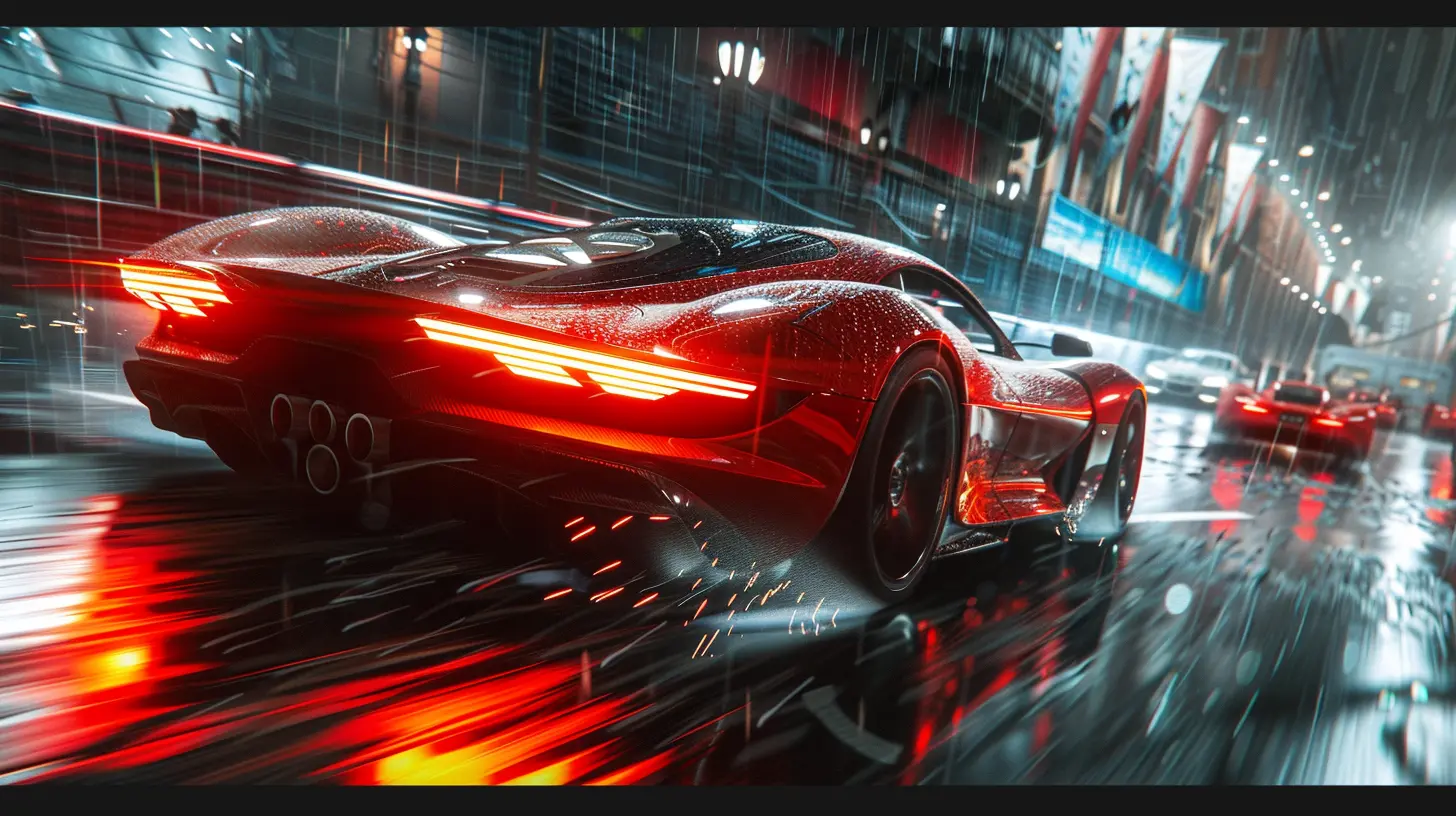
The Components of Next-Level Sound Design
Okay, so sound design is awesome—but what exactly goes into creating those realistic and emotionally charged audio experiences? It’s not as simple as slapping an engine sample onto a car and calling it a day. Modern racing games are using a mix of cutting-edge tech and creative artistry to deliver insanely detailed soundscapes.Hyper-Realistic Engine Sounds
Engines are the beating hearts of racing games, and developers know players are picky about getting the roar just right. Nowadays, audio teams record real-world cars in painstaking detail, capturing everything from idle purrs to the earth-shaking growl of full-throttle accelerations. These sounds are then layered and integrated with dynamic audio systems that adjust based on your inputs, creating a unique experience for every in-game moment.For example, Forza Motorsport and Gran Turismo are known for going all out, recording audio from multiple microphones positioned around real cars. Modulation engines then tweak the sounds in real-time, accounting for factors like exhaust type, RPMs, and even environmental changes like driving through a tunnel.
Spatial Audio for Immersion
Gone are the days of simple stereo sound. Racing games are fully embracing spatial audio technologies like Dolby Atmos and 3D audio to create a full 360-degree soundscape. Imagine whipping around a corner and hearing the screech of your tires shift from your left ear to your right, or sensing a rival car creeping up behind from its faint engine hum. Spatial audio makes everything feel closer, sharper, and more alive.Environmental Sounds
Realism doesn’t stop with the cars; it extends to the environment too. Developers meticulously craft ambient noises like the rustling of leaves in rally stages, the roar of thunder during dynamic weather races, or even the clinking of pebbles thrown up by tires on gravel tracks. These micro-details add layers of depth, making you feel like you’re truly there, in the driver's seat.Tire and Road Interaction
Tires meeting pavement (or dirt, mud, or sand) might seem like a mundane aspect of a racing game, but it’s a treasure trove of sound design opportunities. Games like Dirt Rally go to great lengths to replicate how different surfaces interact with tires—whether it's the crunch of gravel, the squish of mud, or the squeal of rubber on asphalt. Subtle shifts in these sounds even tell you how much grip your tires have left, acting as a vital gameplay mechanic.The Use of Procedural Audio
Procedural audio is changing the game—literally. Instead of relying solely on pre-recorded sound files, procedural systems generate audio in real-time based on gameplay events. This means no two soundscapes are exactly alike. Whether it’s the way an engine sputters after damage or how rain patters against your windshield, these sounds adapt dynamically, adding an extra layer of authenticity.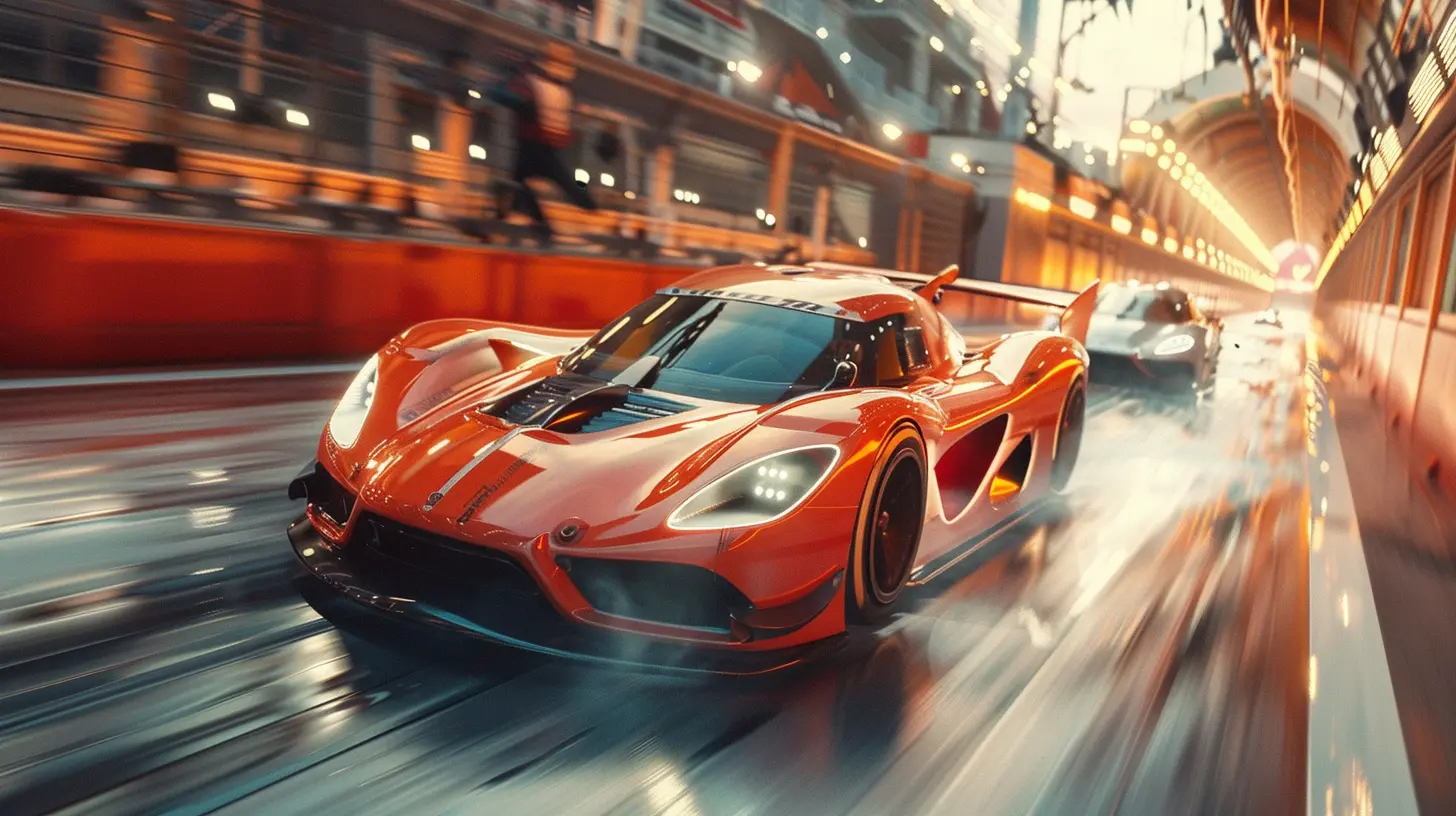
Innovations Driven by Racing Simulators
Racing simulators, known for their obsession with hyper-realism, are often at the forefront of sound design innovation. Let’s take a quick pit stop and see how they’re leading the charge.Advanced Engine Modeling
Simulators like iRacing and Assetto Corsa Competizione go beyond traditional sound design by syncing audio with mechanical simulations of car engines. This means that every sound you hear—from a turbocharger’s whine to a gear shift’s clunk—reflects what’s actually happening inside the car, down to the physics of combustion and airflow.Head-Tracking Audio
Here’s a cool feature making waves: head-tracking audio. When combined with VR, this tech adapts the soundscape to match where you’re looking. Glance over your shoulder and you’ll hear the rumble of a rival car in perfect alignment with its position. It’s a subtle detail, but it makes all the difference in feeling like you’re truly in the cockpit.Community Mods and Enhancements
Let’s not forget the role of passionate players in driving sound design forward. Modders often create sound packs that improve or customize audio in racing sims, adding more nuance or authenticity to specific cars and tracks. This collaborative effort between developers and the community keeps pushing the bar higher.
The Future of Sound Design in Racing Games
So, what’s next? As technology evolves, sound design has infinite potential to keep getting better. Let’s speculate a little about the direction it could take:AI-Driven Soundscapes
Artificial Intelligence could open new doors for procedural audio, generating even more adaptive and unique soundscapes. Imagine an AI system that learns your driving style and adjusts audio feedback accordingly—turning up the intensity when you’re aggressive or dialing back for a more relaxed experience.Haptic Integration
As sound and vibration tech continue to converge, we could see seamless integration between audio and haptics. Feeling the bassy hum of your engine not just through your headphones but through your racing wheel or seat? Sign me up.Cross-Platform Audio Optimization
With gaming spreading across various platforms—PCs, consoles, mobile devices—developers might focus on delivering top-notch audio experiences tailor-made for each system. From high-end headphones to smartphone speakers, sound design could become more versatile than ever.Conclusion
Racing games have come a long way from the simple blips and bloops of early arcade titles. Today, sound design is every bit as important as photorealistic graphics or advanced physics engines. Developers are pushing the envelope with technologies like spatial audio, procedural generation, and real-world car recordings to create experiences that are immersive, engaging, and emotionally charged. So, the next time you floor it in your favorite racing game, take a moment to appreciate not just how it looks but how it sounds. After all, the roar of the engine is what makes the thrill of the race truly come alive.all images in this post were generated using AI tools
Category:
Racing GamesAuthor:

Francesca West
Discussion
rate this article
2 comments
Kendra Phelps
This article brilliantly highlights the innovative sound design in racing games, showcasing how immersive audio enhances player experience. It's fascinating to see how developers are pushing boundaries to create a more realistic atmosphere.
January 17, 2026 at 6:06 AM
Francesca West
Thank you for your thoughtful comment! I'm glad you found the exploration of sound design in racing games compelling. It's amazing to see how audio innovation truly enhances immersion.
Shelby Brown
This article brilliantly highlights the innovative sound design in racing games. It's fascinating to see how audio enhances immersion and elevates the gaming experience. Thank you for sharing these insights on such a vital aspect of game development!
January 11, 2026 at 5:31 AM
Francesca West
Thank you for your kind words! I'm glad you found the insights on sound design in racing games fascinating. It's truly a game-changer for immersion!