How Nintendo Balances Innovation and Nostalgia
19 January 2026
Ah, Nintendo—the Willy Wonka of video games. One minute, it's serving up something incredibly new (like cardboard-based robot suits), and the next, it’s dragging us back to our childhood with a pixelated plumber shouting “It’s-a me, Mario!” And somehow, they’ve managed to make both old-school gamers and the TikTok generation equally obsessed.
So, how does Nintendo pull this off? How do they keep things fresh while constantly tipping their metaphorical red cap to the past? Buckle up, because we’re about to dive deep into the quirky, joyful world of Nintendo—a place where nostalgia and innovation hold hands and skip off into the mushroom-filled sunset.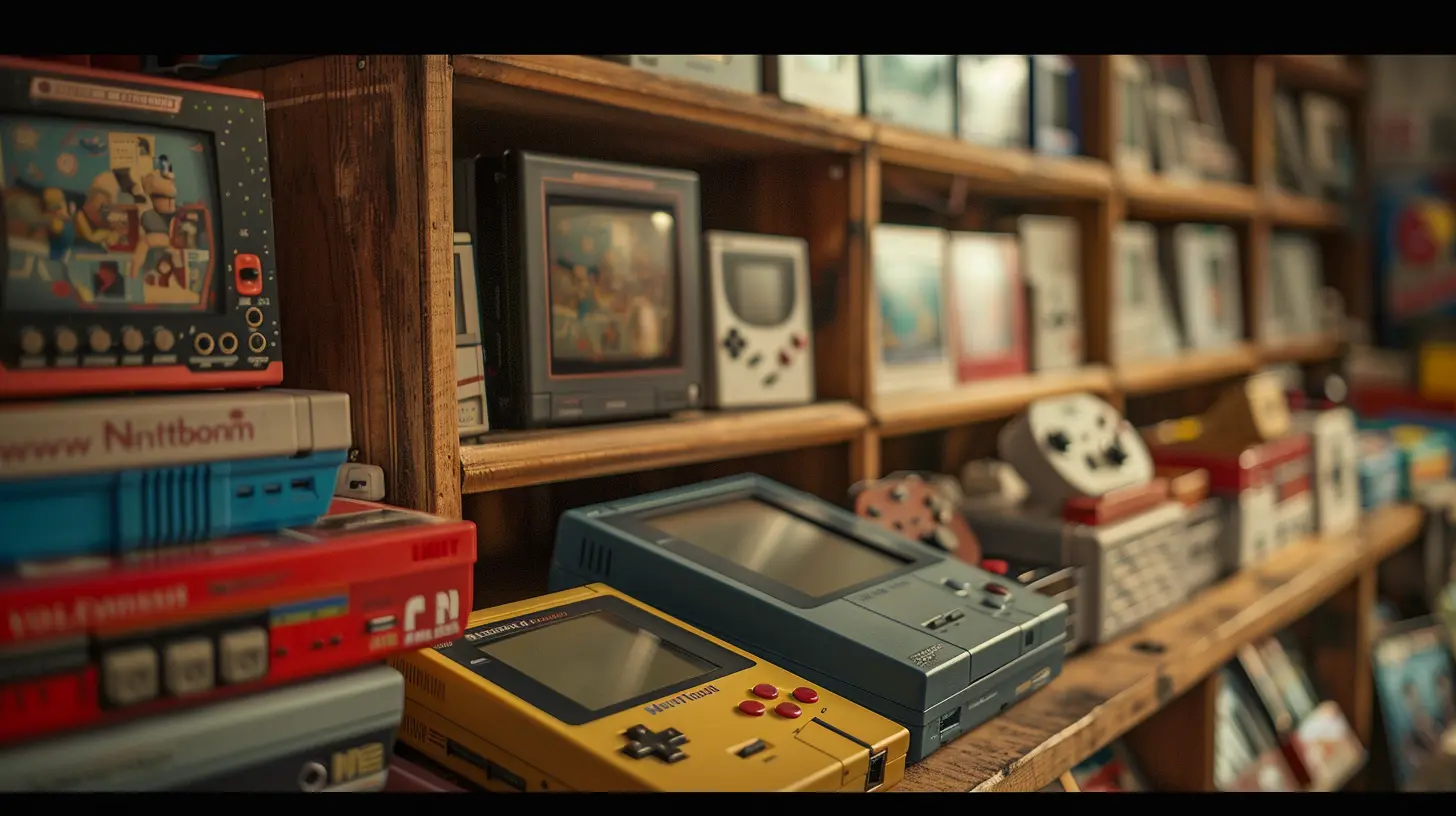
The Fine Art of Balancing Act: Past vs Future
Nintendo doesn’t just make games; it performs a high-wire act between the past and the future. Think of it like baking grandma’s cookie recipe with a 3D-printed oven. The core taste is the same—but the way you get there? Oh, it's magic.Innovation means new experiences. Nostalgia means warm fuzzies. Nintendo serves both. And the secret sauce? They don’t treat them like opposites—they blend them like peanut butter and jelly on a fresh loaf of gaming delight.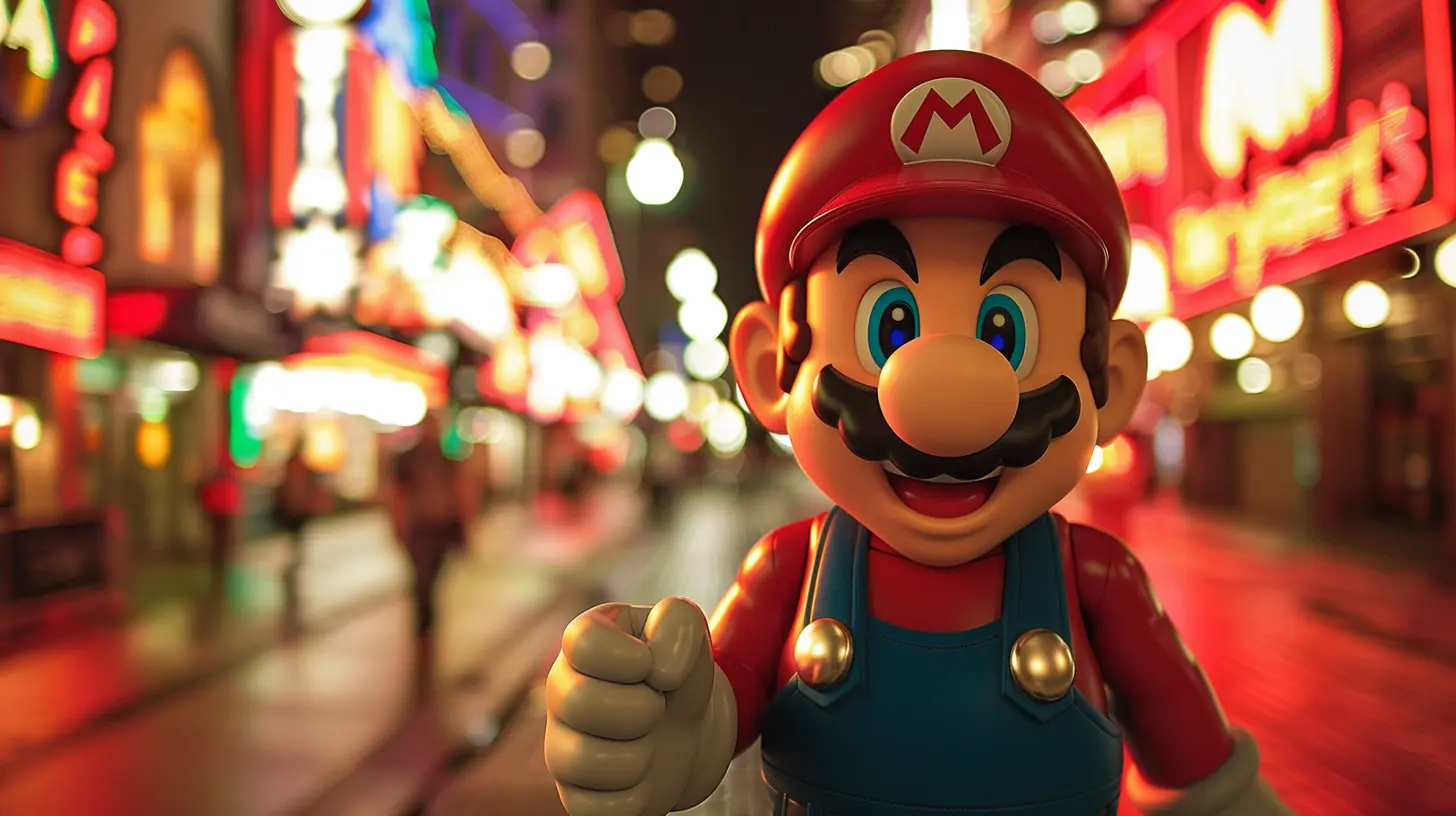
Nintendo's Nostalgia Power-Up: Selling Childhood in HD
Let’s be real—Nintendo could sell us our own childhoods back to us in HD, and we’d throw our money at the screen with zero regrets. And guess what? They already have.Remakes, Remasters, and Recycled Joy
From “The Legend of Zelda: Link’s Awakening” to “Pokémon Brilliant Diamond and Shining Pearl,” Nintendo’s remakes are like time machines, only with better graphics and fewer paradoxes.And don’t even get me started on the Virtual Console and Nintendo Switch Online. With classic NES, SNES, N64, and Game Boy titles just a button-press away, Nintendo basically built a shrine to its own legacy—and we’re 100% here for it.
But it’s not just about slapping a fresh coat of paint on old pixels. These games are carefully updated to fit today’s expectations without losing that retro charm. Think quality-of-life tweaks, modern controls, and yes, the occasional save-anywhere feature (because who has time for permadeath on a Tuesday?).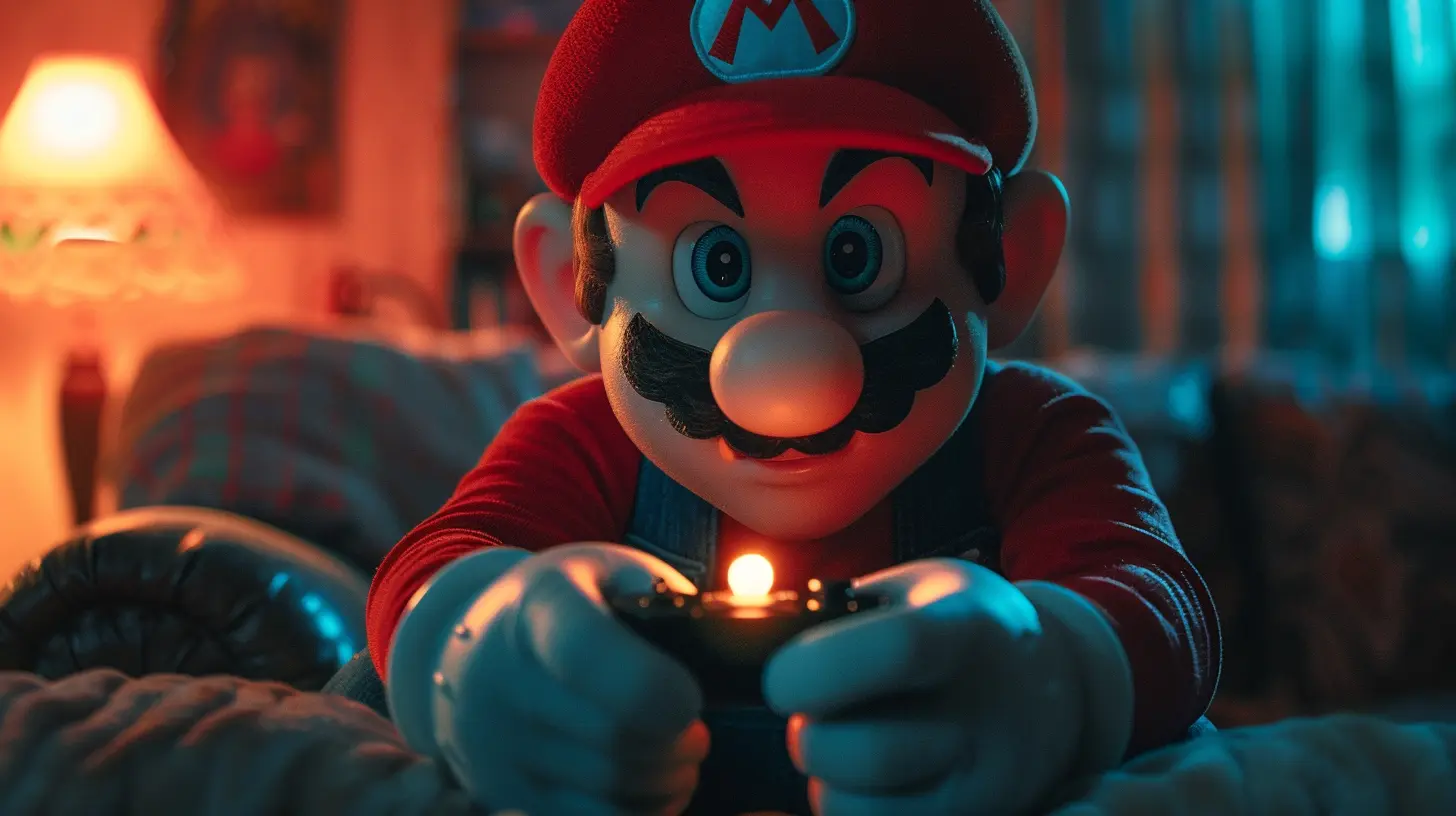
Innovation: Nintendo's Secret Weapon of "What the Heck?!"
Nintendo isn’t afraid to get weird. In fact, they thrive on it. While other companies are out here trying to push realism to the limit, Nintendo's busy asking, “What if the console was also a screen? Or what if the controller had a touchscreen? Wait—what if the whole system was made of cardboard?!”Consoles That Break the Mold (And Sometimes Fold)
Let’s take a stroll down Nintendo Hardware Lane:- Wii (2006): Everyone laughed at motion controls... until grandma was bowling strikes at Thanksgiving.
- DS (2004): Two screens? Touchscreen gaming? Witchcraft!
- Switch (2017): A console that transforms like a gaming Transformer? Shut up and take my Rupees.
- Labo (2018): Build DIY robots and pianos out of cardboard. Questionable? Yes. Innovative? Also yes.
Each of these consoles gave us something nobody expected but somehow instantly loved. It's like Nintendo is the Willy Wonka of gaming—handing out golden tickets to the future through candy-colored innovation.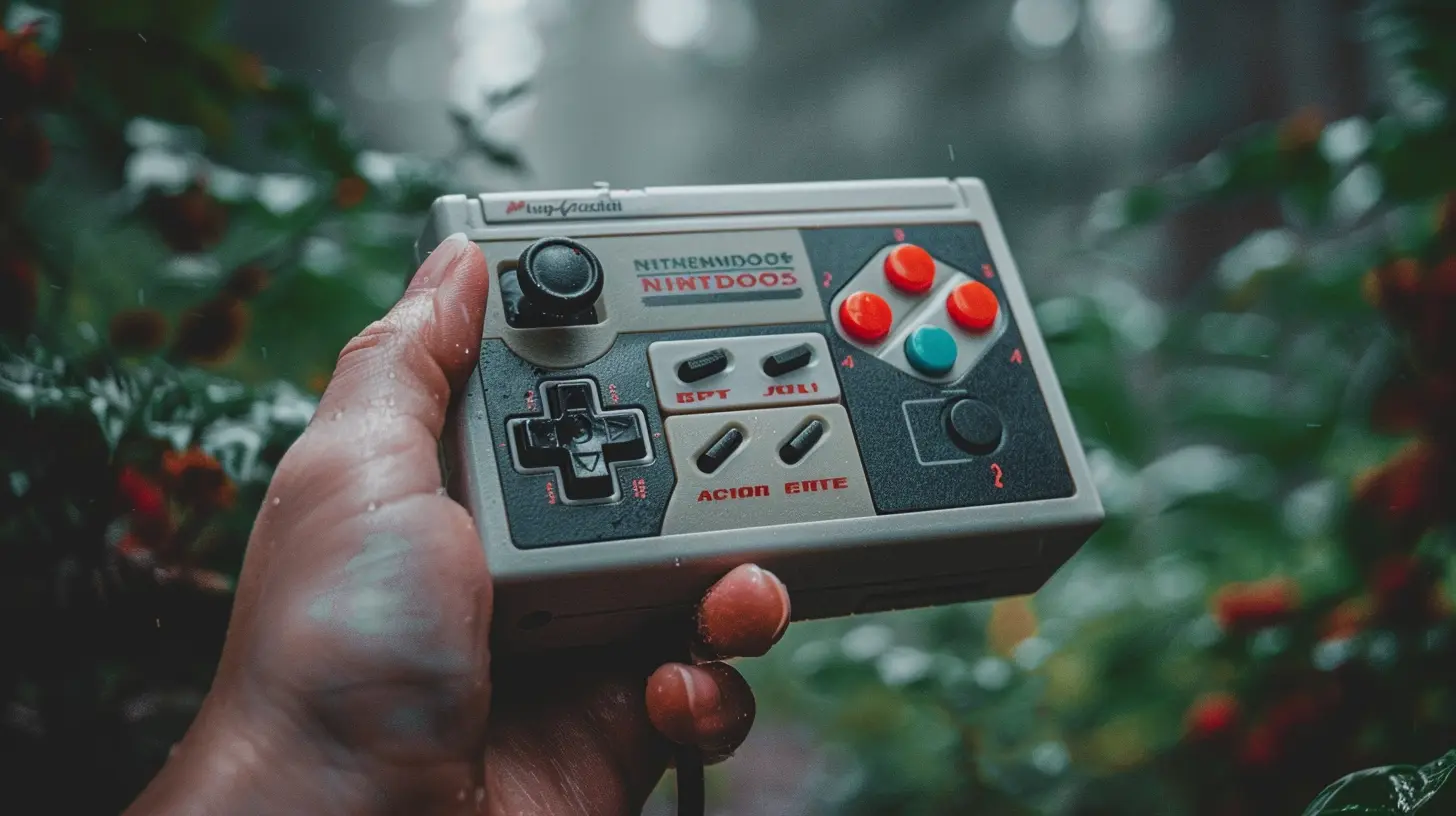
The Mario Formula: How Familiar Faces Keep Things Fresh
You can’t talk about Nintendo without talking about the mustachioed man who’s been jumping on turtles since the '80s. But it’s not just Mario—it's the whole crew. Zelda, Donkey Kong, Kirby, Samus—they’re the Beatles of the gaming world, and Nintendo lets them headline every few years with both nostalgic reruns and bold new remixes.Same Characters, New Tricks
Nintendo doesn't just dust off its classic characters—they evolve them. Look at "Mario Odyssey" where our favorite plumber travels the world (and possesses a T-Rex... because why not?). Or "Breath of the Wild," where Zelda’s world becomes open, physics-driven, and, dare we say, revolutionary.They don't reboot their IPs every other year. Instead, they expand them thoughtfully. It’s like inviting nostalgia to dinner but serving it a brand-new gourmet meal.
Nintendo Direct: The Hype Machine We All Secretly Love
Nintendo could announce a toaster that plays GameCube games and we'd be all over it. How? Because of Nintendo Directs—those surprise YouTube events that cause thousands of fans to collectively lose their minds.These short showcases are packed with updates, remakes, sequels, brand-new IPs, and the occasional curveball (looking at you, "Ring Fit Adventure"). Whether you're in it for the Mario Party nostalgia or curious about the next wacky experiment (hello, Pikmin Bloom), Nintendo keeps everyone guessing.
And what’s genius? They lean into the chaos. Nintendo knows their audience is simultaneously craving their youth and thirsting for the cutting edge. So they give us both—in bite-sized, tweetable chunks.
Innovation with Guard Rails: Not Everything Has to Be a Risk
Here’s the deal: Nintendo doesn’t innovate recklessly. They experiment in the lab, but they bring proven hits to the table. You’ll often see them test new ideas in smaller spin-offs or side projects before rolling them into flagship series.For example:
- Motion controls got their trial run with “Wii Sports” before hitting “Zelda: Skyward Sword.”
- Touch screen mechanics were polished with “Kirby Canvas Curse” before influencing DS mainline games.
- Open-world design found its stride in “Xenoblade Chronicles” before being fully embraced in “Breath of the Wild.”
Nintendo doesn’t shoot blindfolded. They fire test shots, gather feedback, and then release fully-baked masterpieces. Smart, right?
The Psychology of Nostalgia: Nintendo's Ace in the Hole
Ever hear a SNES soundtrack and feel your soul leave your body? That’s nostalgia hitting you like a Red Shell at the finish line.Nintendo knows that retro power is real. It taps into our happy memories and bonds us to its brand like glue. While other companies chase photorealistic graphics, Nintendo wraps us in a warm, 8-bit blanket and whispers, "Remember when?"
Psychologically speaking, nostalgia reduces stress, increases happiness, and yeah... opens wallets. Nintendo is a master of leveraging emotional memory while still surprising us with something new.
And the best part? Even younger players who never touched a GameCube feel the pull. Nostalgia is contagious, and Nintendo is patient zero.
Let’s Talk Games: Best Examples of the Balance
Here’s where the rubber hits Rainbow Road. Let’s highlight a few shining examples of how Nintendo mixes innovation and nostalgia better than a gourmet smoothie:1. The Legend of Zelda: Breath of the Wild
An open-world reimagining of a classic franchise. It blew everyone’s minds while still giving us familiar enemies, locations, and triumph themes. It’s like Hyrule went on a retreat and came back experiencing personal growth.2. Mario Kart 8 Deluxe
New graphics, new tracks, and new mechanics—yet you can still blast your friends with a well-timed Blue Shell. It hits that sweet spot of “I’ve played this before” and “Wait, this is new?!”3. Animal Crossing: New Horizons
Very little changes on the surface—you still owe a suspicious tanuki money—but underneath? Massive QoL improvements, breathtaking visuals, and online multiplayer that made lockdowns a bit more bearable.4. Super Smash Bros. Ultimate
What do you get when you mix 90s nostalgia with meticulously balanced competitive gameplay and DLCs that include characters from modern franchises? A love letter to gaming itself—that’s what.What Can Other Game Studios Learn From Nintendo?
Okay, other game studios, take notes:- Don’t be afraid to look weird. Gamers like quirky.
- Respect your legacy. Fans remember their first game like they remember their first kiss.
- Cherry-pick what worked from the past but reimagine it for today’s audience.
- Be playful. Games are fun—don’t overthink it.
Nintendo's approach isn’t about choosing between the past and future. It's about harmonizing them—like a duet between 8-bit chiptunes and orchestral soundtracks.
Final Thoughts: The Nintendo Way
So, how does Nintendo balance innovation and nostalgia? It's part wizardry, part psychology, part excellent game design—and all heart.They know their fans. They know their characters. And most importantly, they know how to make us smile with both surprising new adventures and well-worn paths we’ve walked since we were kids with sticky Game Boy screens.
Whether you're a lifelong fan or a newbie falling in love for the first time, Nintendo's balancing act has something magical for you. And if it involves riding Yoshi while holding Joy-Cons and wearing a cardboard robot suit? Even better.
Now if you’ll excuse me, I have to go play Mario 64 for the hundredth time... on a fridge screen powered by a Switch emulator running through Labo. Probably.
all images in this post were generated using AI tools
Category:
Nintendo GamesAuthor:

Francesca West
Discussion
rate this article
2 comments
Anna Gray
Ah yes, nothing screams innovation like remaking my childhood... again!
January 23, 2026 at 3:43 AM
Francesca West
I understand your sentiment! Balancing innovation with nostalgia is a challenge, but it often sparks joy for both new and longtime fans.
Valencia Horne
Great article! Nintendo masterfully blends innovation with nostalgia, creating experiences that resonate with both new players and long-time fans. Excited to see what's next!
January 22, 2026 at 5:06 PM
Francesca West
Thank you! I appreciate your insights—Nintendo truly knows how to engage both new and veteran players. Exciting times ahead!