How Motion Controls Are Changing the Way We Play
5 May 2026
Remember the first time you waved a controller and your on-screen character mimicked the same move? It felt like magic, didn’t it? That spark—that blend of physical movement and digital response—is the heart and soul of motion control gaming. And it’s not just a gimmick anymore. It's a full-blown revolution in how we play, interact, and even feel games.
Motion controls have traveled a long road, from clunky beginnings to sophisticated sensing systems that let you swing swords, throw punches, and even dance your heart out. But how exactly are motion controls reshaping the gaming experience? And why are they becoming such a core part of modern gameplay?
Let’s dive into it—together.
What Exactly Are Motion Controls?
Before we go all in, let’s quickly clear the air. What are motion controls?In the simplest terms, motion control refers to technology that allows players to control a game through physical movement rather than traditional button pushing or joystick tilting. Think of Wii Remotes, PlayStation Move controllers, and even your smartphone’s gyroscope and accelerometer. You move—your game responds. It's like turning your body into a controller.
A Little History Lesson (Stay With Me!)
Motion controls aren’t exactly new. Their roots go way back to the 1980s (yep, even before the internet was "a thing"). But things really started to heat up when Nintendo launched the Wii in 2006. That little white console, with its wand-like controller, changed everything. Suddenly, people who’d never picked up a controller in their lives were swinging virtual tennis rackets in their living rooms.And it didn’t stop there. Sony introduced the PlayStation Move, Microsoft hit the scene with Kinect (no controller at all!), and virtual reality started tapping into even more advanced motion sensing tools.
In short? Motion controls went mainstream—and they aren’t slowing down.
Why Motion Controls Matter: The Human Element
Here’s where it gets really interesting. Motion controls bring a level of immersion and emotional connection that’s hard to replicate with traditional controls. You’re not just pressing a button to make your character jump—you’re jumping with them. That’s powerful.This kind of gameplay does something magical: it blends the digital and physical worlds. It makes us part of the story. Whether you’re dodging bullets in a VR shooter or just swinging a virtual golf club, your body becomes part of the game.
Let’s be honest, that’s a big deal.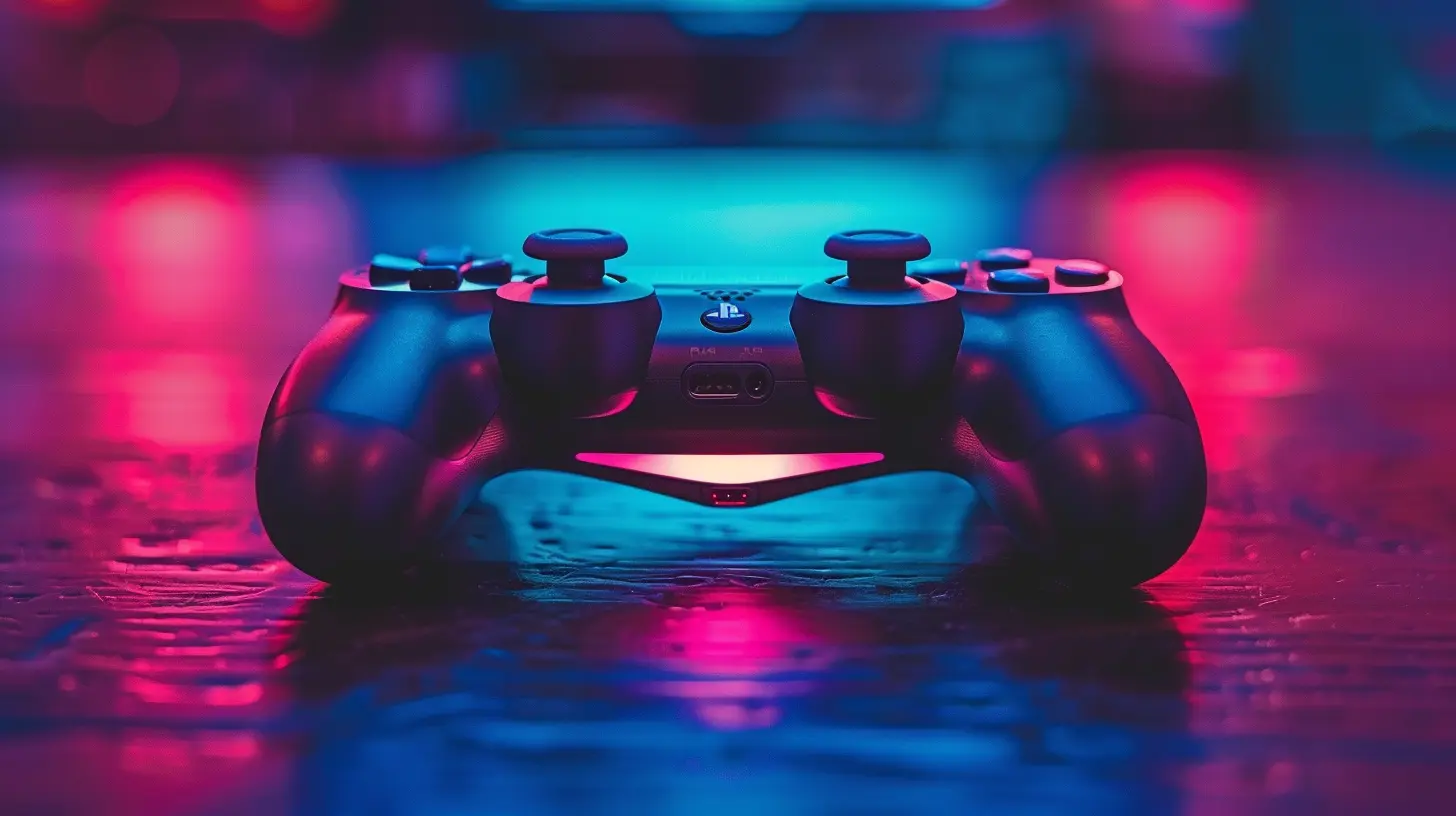
Motion Controls in Action: Where They're Shining Today
? Virtual Reality Gaming
No surprise here—VR and motion controls are a match made in heaven. In games like Beat Saber or Half-Life: Alyx, your hands are your primary tools. You slash, grab, dodge, and shoot using real physical motion. That sense of "being there"? Motion controls make it happen.?️ Fitness and Dance Games
Remember Wii Fit? Fast forward to now, and you'll find games like Ring Fit Adventure and Just Dance pushing physical activity to the front of the gaming line. Motion controls track your movements, score your performance, and even encourage a bit of cardio.It’s turning workouts into play—and that’s a win-win.
? Accessible Gaming
For those with limited traditional motor skills, motion controls can actually make games more accessible. Imagine someone who struggles with a controller but can still wave a hand or tilt their head. Devices like Xbox Adaptive Controller or VR systems with customizable inputs are giving everyone a chance to play.Isn’t that what gaming should be about anyway?
The Tech Behind the Magic
Okay, let’s nerd out a bit—but in a cool way.Most modern motion control systems use a mix of sensors:
- Accelerometers track speed and direction (how fast and in what direction you're moving).
- Gyroscopes detect orientation (which way you're turning or tilting).
- Infrared sensors or cameras (like the PS Camera or Kinect) help the system "see" you.
Put all that together, and you’ve got a scary-smart system that can translate your real-world movements into in-game actions—with stunning accuracy.
It’s like teaching a computer to play charades with you, and it’s gotten really good at guessing what you’re doing.
The Social Side of Motion Gaming
You know what’s underrated? How motion controls bring people together.Think about party games like Wii Sports or Mario Party. Everyone from your younger cousin to your grandpa can join in. No complicated button combos to memorize—just move and play.
That simplicity? It tears down gaming’s walls. It turns a solo hobby into something social, something vibrant, something alive. It’s gaming that encourages you to laugh, move, and play together.
And honestly, that’s beautiful.
Beyond the Controller: The Role of Full-Body Tracking
Motion controls don’t stop at your hands anymore. Full-body tracking is becoming a thing—and it’s wild.Systems like the HTC Vive with base stations or the Meta Quest with hand tracking are showing us what’s possible. When games can track your arms, legs—and even your fingers—suddenly, you’re inside the game in a way that’s almost scary (in a good way).
You can crouch behind cover, peek around corners, or jump over obstacles—and the game keeps up with you. It's like playing in a digital playground where your whole body is welcome.
Are Motion Controls for Everyone?
Let’s keep it real—motion controls aren’t always perfect.They can be tiring (just ask anyone who's played a dance game for more than 20 minutes). They’re not ideal for every type of game—like fast-paced shooters or complex strategy games. And yes, sometimes they glitch out or misread your moves (which can be frustrating).
But here’s the flip side: developers are getting better at designing games that use motion controls in smart, intuitive ways. The tech is improving, the games are more polished, and honestly, the player base is more open to trying new things.
So are motion controls for everyone? Maybe not 100% of the time. But they do make gaming more playful, more active, and more interactive—and that’s a pretty great trade-off.
The Future of Motion Controls: What's Next?
If the current trends are any clue, motion controls are just getting warmed up.? Integration with AI
Imagine a game that not only responds to your movements but can learn your play style. AI could fine-tune your motion sensitivity or even personalize your gameplay based on how you move. Freaky? A little. Cool? Absolutely.? Emotion Detection
Yep, this is a thing. Some developers are dabbling in systems that can read your facial expressions or body language to change the game accordingly. If you look nervous, maybe the game eases up. If you’re confidently charging forward, maybe enemies become more aggressive.It’s like your game is reading your mind—or at least watching your body language.
? Mixed Reality Experiences
Combine motion controls with augmented reality (AR) and we get a future where your living room becomes a dungeon, a battlefield, or a space station. You move through the real world—and the game world moves with you.Mind. Blown.
Why We Should Care (Even If We’re Hardcore Gamers)
Look, we get it. Some of you love your mouse and keyboard or your ultra-precise controllers. And there’s nothing wrong with that. But motion controls offer something traditional setups can’t always deliver: immersion, intuition, and a whole lot of fun.Even hardcore gamers are finding that motion controls add a new layer of depth. Whether it’s pulling off a tricky maneuver in VR or just standing up to dodge an attack, it creates a mind-body connection that’s unlike any other way to play.
Final Thoughts: Where Movement Meets Magic
Motion controls are more than just a novelty—they’re a shift in how we connect with our games. They tear down barriers, stir emotion, and invite us to play in ways that feel real. They make gaming inclusive, active, and full of possibility.So, whether you’re flailing your arms in a VR world or casually swinging a Joy-Con around, remember: you’re not just playing a game. You’re being in it. And that? That’s a whole new level of awesome.
all images in this post were generated using AI tools
Category:
Game ControllersAuthor:

Francesca West
Discussion
rate this article
2 comments
Maisie Clarke
Motion controls add a new layer of immersion, making gameplay more interactive and engaging for players.
June 9, 2026 at 4:15 AM
Francesca West
I agree, motion controls really enhance the experience by making players feel more connected to the game world.
Kennedy Spencer
Motion controls redefine gaming. Embrace it.
May 17, 2026 at 4:37 AM
Francesca West
I appreciate your enthusiasm! Motion controls are definitely bringing a fresh perspective to gaming.