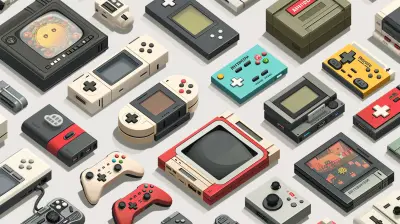
How Casual Games Fit Into a Busy Lifestyle
18 June 2026
Let’s face it—we live in a world that moves faster than a cheetah on an energy drink. Schedules are jam-packed with work meetings, errands, social obligations (or at least the guilt of avoiding them), and the never-ending to-do list that’s somehow growing instead of shrinking. Sound familiar?
Now, you might be wondering: “Where do games—especially casual games—fit into all this chaos?” Well, they fit in perfectly, like puzzle pieces slotting into place during a stolen five-minute break.
In this article, we’re going to break down how casual games sneak their way into even the busiest lifestyles and why that’s not just okay—it’s actually pretty awesome.
What Are Casual Games, Anyway?
Before we go all-in, let’s clear the air. What exactly are “casual games”?In the simplest terms, casual games are:
- Easy to learn, hard to master
- Light on long-term commitment
- Great for short bursts of entertainment
- Often mobile-friendly or browser-based
- Designed to be stress-free and fun
Think Candy Crush, Wordscapes, Angry Birds, Plant vs. Zombies, and Among Us. These aren’t Horizon Zero Dawn or Elden Ring. You won’t need a walkthrough or a PhD to figure them out. They’re snappy, satisfying, and perfect for squeezing into the nooks and crannies of a busy day.
The Time-Crunched Reality of Modern Life
Let’s be real—we’re all juggling a million things. Whether you’re a college student pulling all-nighters, a parent chasing after kids, or a burnt-out office worker chugging coffee like it’s your job (maybe it is), your time is limited.That’s where casual games come in. They’re the digital equivalent of a coffee break. You don’t need an hour, a console, or even a controller. Just your phone and a few minutes of peace.
Micro-Moments Matter
Waiting for your food order? Play a round of Subway Surfers.Stuck on hold with customer service? Knock out a puzzle in Monument Valley.
Those tiny windows throughout the day—yep, they’re perfect for a little gaming.
Why Casual Games Just Work for Busy People
Here’s why casual games slide into your life easier than your favorite playlist:1. Instant Gratification
You don’t need a tutorial longer than a season of Stranger Things. Casual games are intuitive. Within seconds, you're tapping, swiping, matching, or dodging. And the dopamine hit from completing a level? Chef’s kiss.2. Minimal Commitment
Unlike hardcore RPGs or online multiplayer games, casual titles don’t require long sessions, story continuity, or voice chat with teammates halfway across the globe. You can play for five minutes or fifty—your choice.3. Pause and Play Anytime
Most casual games allow you to pause, exit, and come back without losing progress. Got a meeting in five? No problem. Resume later. Flexible and forgiving—just like your favorite yoga instructor.4. Portable Fun
These games go wherever you go. They're perfect for on-the-go entertainment. Stuck in traffic (hopefully not driving)? Sitting in a waiting room? Boom—gaming time.5. Stress Relief in Your Pocket
Life’s stressful enough. Casual games are the anti-anxiety apps that don’t feel like self-help. They give your brain a break without asking for anything in return. Bliss.
The Social Side of Casual Gaming
Think casual games are a lonely business? Not even close.Multiplayer in Microdoses
Games like Words With Friends or Among Us let you connect with others without scheduling a two-hour raid. It’s social gaming... minus the time sink.You get the joy of playing with people but on your time. It's like texting, but with more fun and fewer typos.
Friendly Competition
Leaderboards, daily challenges, and in-game events keep things spicy. Whether you’re racing your cousin in Hill Climb Racing or trying to outscore your coworker in Tetris Blitz, there’s a low-key sense of bragging rights that keeps you coming back.The Mental Boost You Didn’t Know You Needed
Believe it or not, casual games aren't just time-fillers. They’re brain-boosters in disguise.Cognitive Benefits
Games like Sudoku or Brain Dots help with logic and problem-solving. Word games? Great for vocabulary. Matching games? Hello, pattern recognition. You’re essentially sneaking brain exercises into your day—without the sweat.A Quick Mood Lift
A win—even a small one—can brighten your mood, especially during stressful spells. It’s like giving your brain a gold star. Small victories, big smiles.Finding the Right Game for You
Not all casual games are created equal. The key is finding one (or five) that fit your lifestyle and mood.Into Strategy?
Try: Plague Inc., Clash of Clans, or Bloons TDPrefer Puzzles?
Go for: Two Dots, Monument Valley, or 2048Love Words?
You’ll enjoy: Wordscapes, Word Cookies, or Scrabble GoWant Action?
Jump into: Jetpack Joyride, Smash Hit, or Crossy RoadThere’s truly something for every taste, whether you want to chill, challenge yourself, or just blow stuff up (virtually, of course).
Casual Games at Work: Yay or Nay?
Here’s the hot take: Casual games can actually make you more productive.Wait, what? Yep, you read that right.
A Reset Button for the Mind
Taking a five-minute game break between tasks can help reset your brain. It’s like a mini-vacation for your mind. You’ll come back fresh, focused, and way less likely to hate emails.Combatting Brain Fog
Don’t underestimate the power of pushing pixels. A quick game break can help fight mental fatigue—especially during those slow, post-lunch slumps.Just... maybe don’t let your boss catch you stacking Tetris blocks during a Zoom meeting.
Gaming and Self-Care? Absolutely.
We talk a lot about self-care these days—and rightfully so. But while bubble baths and journaling are great, casual games deserve a spot on the list.Guilt-Free Me Time
There’s no shame in having fun, especially if it helps you unwind. Casual games help you reclaim a few moments just for yourself. It's a way to tune out the noise and tune into something lighthearted.Digital Zen
Some casual games are practically meditative. Think Alto’s Adventure or Flow Free. Soothing visuals, relaxing sounds, and a simple objective can be incredibly grounding.Setting Boundaries: Healthy Gaming Habits
Alright, now a quick reality check.Yes, casual games are awesome—but just like chocolate or cat videos, moderation is key.
Here’s how to enjoy without overdoing it:
- Set Time Limits: Use app timers or alarms.
- Avoid Bedtime Binging: Blue light and big scores don’t mix well with sleep.
- Prioritize Responsibilities: Play after completing key tasks, not before.
- Be Mindful of In-App Purchases: That $1.99 unicorn skin adds up!
Gaming should de-stress, not add to it. Keep it fun, not compulsive.
The Future Is Bright for Casual Games
With mobile tech evolving, casual games are getting prettier, smarter, and more interactive.We’re seeing:
- AR Integration: Games like Pokémon GO blend the virtual and real worlds.
- AI Personalization: Games that adapt to your skill level and style.
- Crossplay & Cloud Saves: Play on your phone, tablet, and even your smartwatch seamlessly.
In short? Casual games are leveling up, and they’re not slowing down any time soon.
Final Thoughts
Casual games aren’t just fluff—they're the hidden heroes of hectic lives. They offer a quick breather, a brain boost, and a bit of joy in an otherwise overwhelming day. Whether you’re waiting in line or laying in bed, they meet you where you are—and that’s the beauty of them.So next time someone says games are a waste of time, feel free to laugh, open your favorite app, and know that you're doing something fun, relaxing, and absolutely valid.
Because in a go-go-go world, we all deserve a little tap-tap joy.
all images in this post were generated using AI tools
Category:
Casual GamingAuthor:

Francesca West
Discussion
rate this article
1 comments
Etta Patel
Great article! Casual games really are a perfect fit for busy lives. They provide a fun escape and a quick way to unwind, making every moment enjoyable. Keep it up!
June 27, 2026 at 5:08 AM
Francesca West
Thanks for the support! I'm glad you found it relatable. Casual games really do offer that perfect break when life gets hectic.