Gaming Giants and Indie Stars That Impressed Critics
9 August 2026
The world of video games is a vast, ever-changing universe. Every year, we’re bombarded with flashy trailers, groundbreaking engines, and mind-blowing concepts promising the next big thing. But only a few games—be they big-budget blockbusters or humble indie titles—truly manage to leave critics in awe. Today, we’re diving into those legendary launches and hidden gems that not only impressed players but received powerful nods from the critics too.
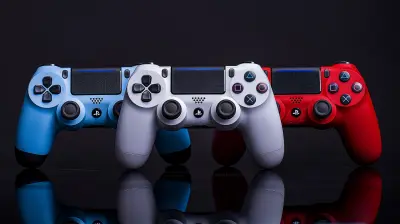
So grab your favorite controller, crack open a cold drink, and let’s talk about the gaming giants and indie stars that left critics gobsmacked.
The Divide Between Giants and Indies: More Than Just Budget
Before we dive in headfirst, let’s clear the air real quick.When we talk about “giants,” we’re referring to the big names—your Ubisoft, Sony, Microsoft, Rockstar Games, and the like. These guys have teams of hundreds (sometimes thousands), multimillion-dollar budgets, and marketing campaigns that could rival Hollywood movies.
On the flip side, "indie stars" are often the underdogs. These titles are born out of passion projects, developed by small teams—or sometimes even a lone developer in a bedroom office. But here's the kicker: just because a game didn’t cost millions to make doesn’t mean it can't be a masterpiece.
Critics have become increasingly open to judging games not by the size of the wallet behind them, but by quality, innovation, and emotional impact. And honestly? It’s about time.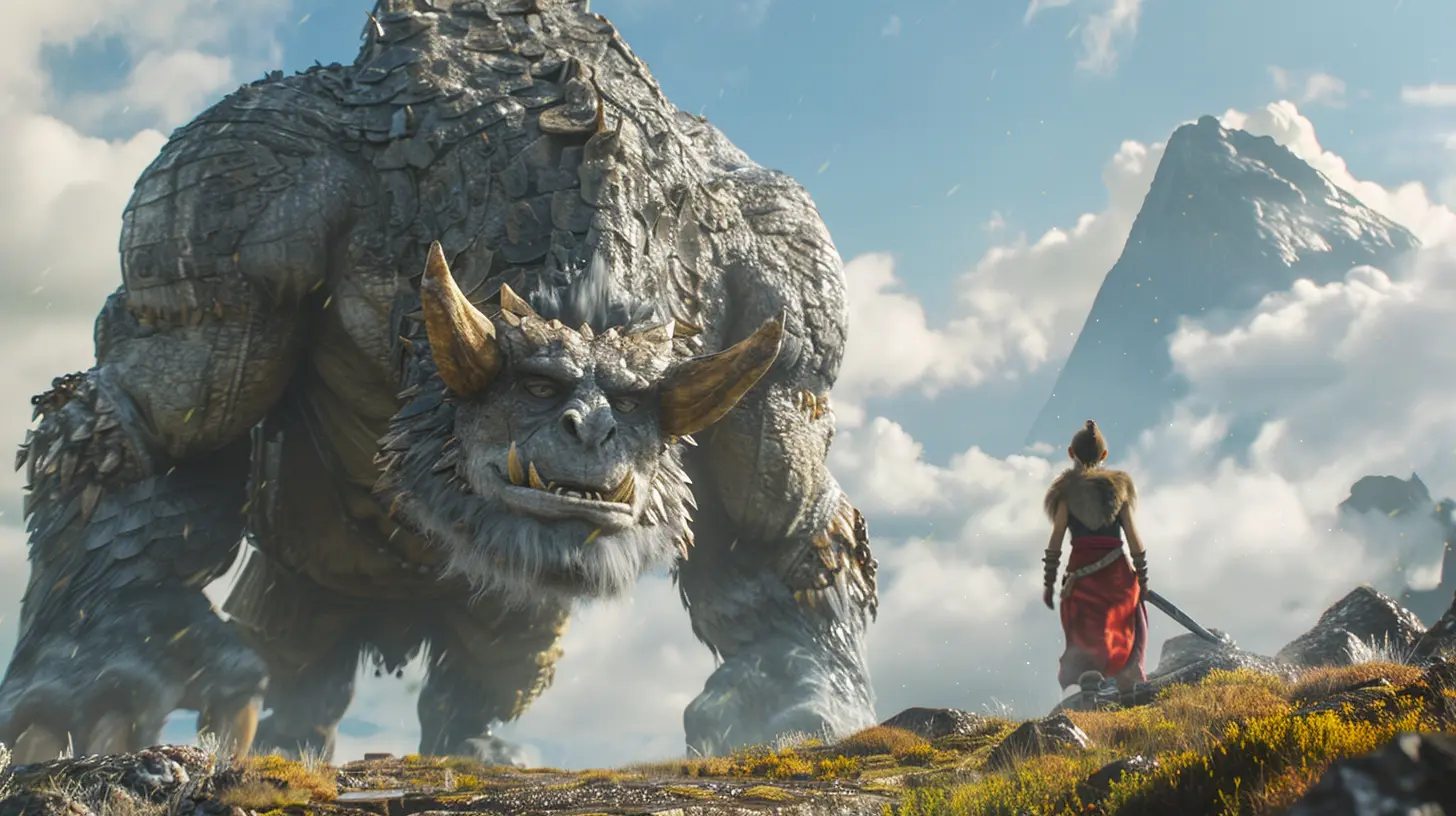
Gaming Giants That Dominated Critic Reviews
Let's talk about the titans that didn't just succeed—they crushed it across the board.1. The Last of Us Part II – Naughty Dog’s Magnum Opus
Whether you loved or hated the story decisions (Team Abby or Team Ellie?), there’s no denying the sheer quality of The Last of Us Part II. From its stellar performances to its hauntingly beautiful soundtrack, this game redefined what emotional storytelling means in gaming.Critics praised Naughty Dog’s risk-taking and the painstaking realism. The game clocked in a solid 93/100 on Metacritic, and its awards shelf is practically sagging under the weight.
Why Critics Loved It:
- Raw, emotional storytelling
- Groundbreaking animations and facial expressions
- Fluid and brutal combat mechanics
2. God of War (2018) – The Comeback King
Kratos went from angry meme machine to Dad of the Year in Sony Santa Monica’s bold reimagining of the franchise. God of War (2018) showed us that even the most rage-fueled anti-hero can grow, evolve, and make us cry ugly tears.With a mature thematic direction and a camera that never cuts, critics fell hard for this one. It scored 94 on Metacritic and redefined character-driven action games.
Why Critics Loved It:
- Deep father-son narrative
- Incredible voice acting and motion capture
- Satisfying, weighty combat
3. Red Dead Redemption 2 – Rockstar’s Wild West Symphony
Let’s be real—Rockstar doesn’t miss. But Red Dead Redemption 2 wasn’t just a game; it was a love letter to cinematic storytelling.From the painstaking detail in Arthur’s facial stubble to dynamic weather effects that affect gameplay, RDR2 had everything. Critics called it “a monumental achievement” and it earned a jaw-dropping 97/100 on Metacritic.
Why Critics Loved It:
- Massive, living world full of detail
- Emotional story arc with rich character development
- Realistic mechanics that pushed the genre forward
Indie Stars That Blew Everyone Away
Game critics don’t just drool over AAA graphics—sometimes it’s the heart and soul of a smaller project that wins them over. Here are the indie darlings that sparked buzz and earned their place alongside the big boys.1. Hades – The Rogue-Like That Redefined the Genre
Developed by Supergiant Games, Hades was the gift that kept on giving. With its addictive combat, richly layered storytelling, and striking art style, Hades wasn’t just fun—it was smart.It scored a 93/100 on Metacritic—matching and even surpassing some AAA titles. Not bad for a game developed by a small team of about 20 people!
Why Critics Loved It:
- Perfect loop of combat and progression
- Deep lore woven into every character interaction
- Visuals and music that popped with personality
2. Celeste – A Platformer With Purpose
Celeste, developed by Matt Makes Games, is so much more than pixel-perfect jumps. It’s a deeply personal tale of mental health, self-doubt, and overcoming obstacles—both literal and emotional.With tight controls, clever level design, and a heartfelt story, critics couldn’t help but praise it. Celeste snagged a 94 on Metacritic, beating out several mainstream releases.
Why Critics Loved It:
- Precision platforming with a high skill ceiling
- Emotional storytelling that felt authentic
- Charming retro visuals and a moving soundtrack
3. Undertale – The Game That Smiled at You
What do you get when you cross EarthBound with existential philosophy and a dash of Internet humor? Undertale, baby!This jaw-droppingly unique RPG by Toby Fox showed critics that storytelling, choice, and humor could go hand-in-hand. It broke every rule and rebuilt them better.
It didn’t just score high (88 and up across platforms)—it redefined what an indie game could be.
Why Critics Loved It:
- Revolutionary combat system with pacifist mechanics
- Unforgettable characters and humor
- Soul-touching music and brilliant use of narrative
What Makes a Game Critically Acclaimed?
So what separates the god-tier games from the “meh” ones? Several key elements almost always put a title at the top of critics' lists:- Emotional Engagement
Critics love games that make you feel something. Whether it's grief, joy, or sheer awe, emotional impact counts more than pixels.- Innovation & Risk-Taking
Playing it safe rarely wows anyone. Games like Death Stranding (love it or hate it) scored points for being different, even if they didn't appeal to everyone.- Polished Experience
Bugs and glitches are a no-go. Critics will forgive a slow start, but not if the game runs like a potato.- Strong Narrative or World-Building
Even games with little dialogue can tell incredible stories. Just look at Journey or Inside—world-building and tone often speak louder than words.The Rise of Critical Love for Indie Titles
Once upon a time, indie games were seen as quirky sideshows to the "real" games industry. That narrative’s long gone.Thanks to digital storefronts, social media buzz, and platforms like Game Pass and Steam, indie devs are now getting the same spotlight as the AAA giants. The fact that games like Hollow Knight, Disco Elysium, and Cuphead are becoming household names? That’s no accident.
So, Why Are Critics Loving Indies More Than Ever?
Because indie developers can take risks. They're not boxed in by focus groups or worried about their quarterly earnings reports. They chase passion, not profit—and it shows.Games like Outer Wilds and Papers, Please prove you don’t need a billion bucks to blow minds.
When Indies Outshine Giants: The Big Plot Twist
Here’s where it gets wild: there are times when indie games not only impress critics—they beat out the giants entirely.In 2020, Hades went toe-to-toe with titles like The Last of Us Part II and Ghost of Tsushima at The Game Awards. And you know what? It didn’t feel out of place at all. That says a lot.
Critics are no longer grading on budget—they’re grading on brilliance.
Final Thoughts: Heart Over Hype
At the end of the day, whether it’s a massive blockbuster or a tiny indie hit, great games rise to the top because they connect with us. They speak to something deeper and remind us why we fell in love with gaming in the first place.The divide between “giant” and “indie” doesn’t matter as much as it used to. What matters is the experience. If a game can make you laugh, cry, or sit in stunned silence after the credits roll, you bet critics will take notice.
So next time you boot up your console or browse that digital store, don’t just look at the price tag or the studio name. Look for the passion. That’s where the magic happens.
all images in this post were generated using AI tools
Category:
Game Reviews RoundupAuthor:

Francesca West
Discussion
rate this article
1 comments
Ximena Sanchez
What a great mix of big names and hidden gems! It's always exciting to see how both gaming giants and indie stars keep surprising us... Keep playing!
August 11, 2026 at 2:48 AM
Francesca West
Thanks for the kind words! It's always thrilling to see the creativity from both big studios and indie developers. Keep gaming!