From Indie Surprises to AAA Powerhouses in the Spotlight
25 July 2026
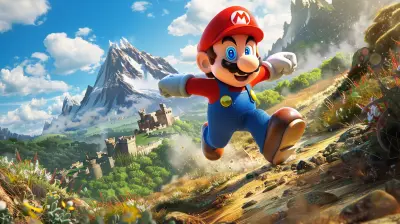
Gaming has come a loooong way, hasn’t it? We’ve gone from pixelated plumbers jumping on turtles to cinematic masterpieces that rival Hollywood blockbusters. But here’s the best part — whether you love quirky little indie gems or you’re all about the high-budget AAA jaw-droppers, there’s something for everyone.
In this post, we’re diving into a fascinating evolution: how indie games have gone from underdogs to crowd favorites, and how AAA titles keep pushing the limits of technology and storytelling. So grab your favorite energy drink, power up your controller (or keyboard), and let’s break down what’s making waves in both ends of the gaming pool.
What Exactly Are Indie and AAA Games?
Before we get into the juicy stuff, let’s set the stage.- Indie games are developed by individuals or small studios. Think of them as the garage bands of the gaming world — full of passion, raw creativity, and zero corporate red tape.
- AAA games, on the other hand, are the rockstars. With huge budgets, massive teams, and blockbuster marketing, they’re built to impress and dominate the market.
But don’t be fooled — just because something’s indie doesn’t mean it’s small in impact. And just because a game has a huge budget, doesn’t mean it's free of flaws.
When Did Indie Games Start Turning Heads?
Let’s take it back to the late 2000s and early 2010s. That’s when digital distribution platforms like Steam, PlayStation Network, and Xbox Live Arcade started opening their doors to smaller developers.Games like:
- Braid (2008)
- Super Meat Boy (2010)
- Limbo (2010)
...basically kicked down the industry’s back door and shouted, “We're here, and we're awesome!”
They told deep, emotional stories. They had unique art styles. And most importantly — they were FUN.
All of a sudden, players realized they didn’t need a $60 game filled with explosions to have a good time. Sometimes, you just needed a clever mechanic and a fresh idea.
Why Do Indie Games Stand Out?
You ever notice how indie games just hit different?Here’s why:
1. Creative Freedom
No corporate overlords standing in the way. Indie devs can take wild risks. Want to make a game about being a goose terrorizing a village? Boom — Untitled Goose Game. Want to emotionally break players with a story about a terminally ill patient? Here comes To The Moon.These aren’t just games; they’re personal projects, love letters to the medium.
2. Emotional Storytelling
Indies often venture into deep, uncharted emotional territory. Games like Celeste tackle mental health in a way that’s raw and touching, while Gris is basically a watercolor painting in motion — no words, just feelings.3. Innovation Over Formula
Indie games don’t need to appeal to millions to make a mark. Because of that, devs can experiment wildly. That’s how we got unique mechanics like time manipulation in Braid, or building entire civilizations from scratch in Dwarf Fortress.
The Rise of Indie Games into the Mainstream
So when did indie titles go from niche to necessary?Honestly? Steam’s Greenlight initiative and Kickstarter campaigns gave indie devs a direct line to fans. Players could literally vote with their wallets on which games deserved to be made.
Then came the awards.
Journey, by thatgamecompany, started sweeping Game of the Year nominations. Hades, an indie roguelike from Supergiant Games, won Game of the Year from multiple outlets in 2020 — even beating out big-budget heavyweights.
That was the moment everyone — even casual gamers — began saying, “Wait... indie games are legit.”
Meanwhile, in the Land of AAA...
Let’s not ignore the juggernauts.AAA games are on a whole other level technically. These massive titles have the budget of small countries — and it shows.
Think about:
- The Witcher 3
- Red Dead Redemption 2
- God of War: Ragnarok
- Elden Ring
These games are immersive, detailed, and dripping in quality. They're the equivalent of blockbuster movies — cinematic, dramatic, and usually voice-acted by top-tier talent.
What Makes AAA Games So Appealing?
Glad you asked. Because let’s be honest — who doesn’t want to get lost in a game world that looks hyper-realistic and feels alive?1. Jaw-Dropping Graphics
You know that moment when you pause to admire the sunset in a game? Thank AAA budgets for that.Big studios can afford the latest tech, from ray tracing to motion capture. The result? Environments that feel alive and characters with soul.
2. Massive Worlds
AAA games often go big — like, really big. We’re talking maps you could get lost in for days. Games like Assassin’s Creed: Valhalla or Horizon Forbidden West have so much to do it can almost feel overwhelming (in a good way).3. Top-Notch Production Value
From cinematic storytelling to sweeping musical scores, it’s all polished to perfection. They hire the best and spend years crafting every detail.The Clash and Collaboration of Indie and AAA
Here’s the twist: it’s not always a battle. In fact, more and more, we’re seeing the lines blur.Indies Going Big
Look at Hollow Knight. It started as an indie Metroidvania and now has a sequel with hype levels rivaling a AAA launch.Stardew Valley, built by one person, has a fanbase that could rival entire franchises. It’s now a staple in gaming culture.
AAA Games Stealing Indie Ideas
Meanwhile, AAA studios are starting to take notes from their indie cousins. They’re adding rogue-like elements, focusing more on storytelling, and even dabbling in retro visuals.Ever heard of Rogue Legacy or Slay the Spire? Titles like these inspired big names like Returnal and Yakuza: Like a Dragon to incorporate similar mechanics.
Imitation is the sincerest form of flattery, right?
Games That Blurred the Line
Here are some key titles that sit right at the junction of indie and AAA — they’re too polished to be called “small,” yet too personal to be “corporate.”- Hellblade: Senua’s Sacrifice – A passion project with AAA production values. Mental health meets Norse mythology.
- Cuphead – Indie devs + old-school animation = pure magic (and pain... so much pain).
- Disco Elysium – Political intrigue, philosophical depth, and more dialogue trees than you can count. It feels indie, but exploded like a AAA.
What Does the Future Hold?
Honestly? We’re entering a golden age of gaming.With tools like Unity, Unreal Engine 5, and accessible publishing platforms, more people than ever can make and release games. The barrier to entry is lower, but competition is fierce.
Expect to see:
- More hybrid games that combine AAA visuals with indie heart.
- Crowdfunded masterpieces that challenge traditional publishing.
- Shorter, richer experiences focusing on quality over quantity.
And, let’s be real — who knows what wild game idea is going to take the industry by storm next?
How to Support Indie and AAA Games Alike
If you truly love gaming, support both sides.✅ Buy that charming $10 indie game from the eShop.
✅ Preorder the AAA sequel you’ve been dreaming about for years.
✅ Leave reviews, share gameplay vids, and tell your friends.
The more we support creative risk-taking — no matter the budget — the better the industry becomes for all of us.
Wrapping It Up
So, what’s your vibe? Are you the type to get emotionally wrecked by an indie game with pixel art and a tearjerking ending? Or do you crave the adrenaline of a AAA open-world RPG with 200 hours of content?Truth is, you don’t have to choose.
We’re witnessing a vibrant, ever-growing landscape where games of all sizes are celebrated. From indie surprises that catch us off guard to AAA powerhouses that blow our collective minds — this is what makes gaming magical.
So next time you fire up your gaming rig or console, remember: big or small, every game has the potential to be your next favorite.
all images in this post were generated using AI tools
Category:
Game Reviews RoundupAuthor:

Francesca West
Discussion
rate this article
2 comments
Desiree McTigue
Great mix of titles!
October 22, 2026 at 4:33 PM
Aelith Sharpe
Exciting mix of indie gems and big studio titles!
August 6, 2026 at 4:53 AM
Francesca West
Thanks! It's great to see such diversity in gaming this year.