Exploring Eco-Friendly Controller Options
19 July 2026
Gaming has come a long way over the past few decades. From pixelated graphics and chunky cartridges to ultra-HD visuals and cloud gaming, the tech has grown fast. But here’s a question that most of us gamers aren’t really asking as often as we should—how sustainable is our gaming gear?
Let’s face it, gaming isn't the most eco-friendly hobby. We're constantly upgrading consoles, chasing the latest graphics cards, and yes, buying new controllers whenever our button-mashing finally takes its toll. But what if we could level up our game and reduce our carbon footprint at the same time?
Welcome to the world of eco-friendly controllers. If you're curious about how you can be a more conscious gamer without sacrificing performance or aesthetics, you’re in the right place. ??

Why Should Gamers Care About Being Eco-Conscious?
Before diving deep into the different eco-friendly controller options out there, let’s start with the “why.”Manufacturing gaming peripherals takes a toll on our planet. Controllers are often made from plastics, metals, and other non-renewable resources. Plus, they’re typically packaged in plastic-heavy boxes and come with extra accessories we might not even need. When you multiply that waste by the millions of units sold each year, the environmental impact starts looking pretty grim.
So, yeah—it matters. And the good news? The industry is slowly adapting, with a few forward-thinking brands stepping up to the plate.
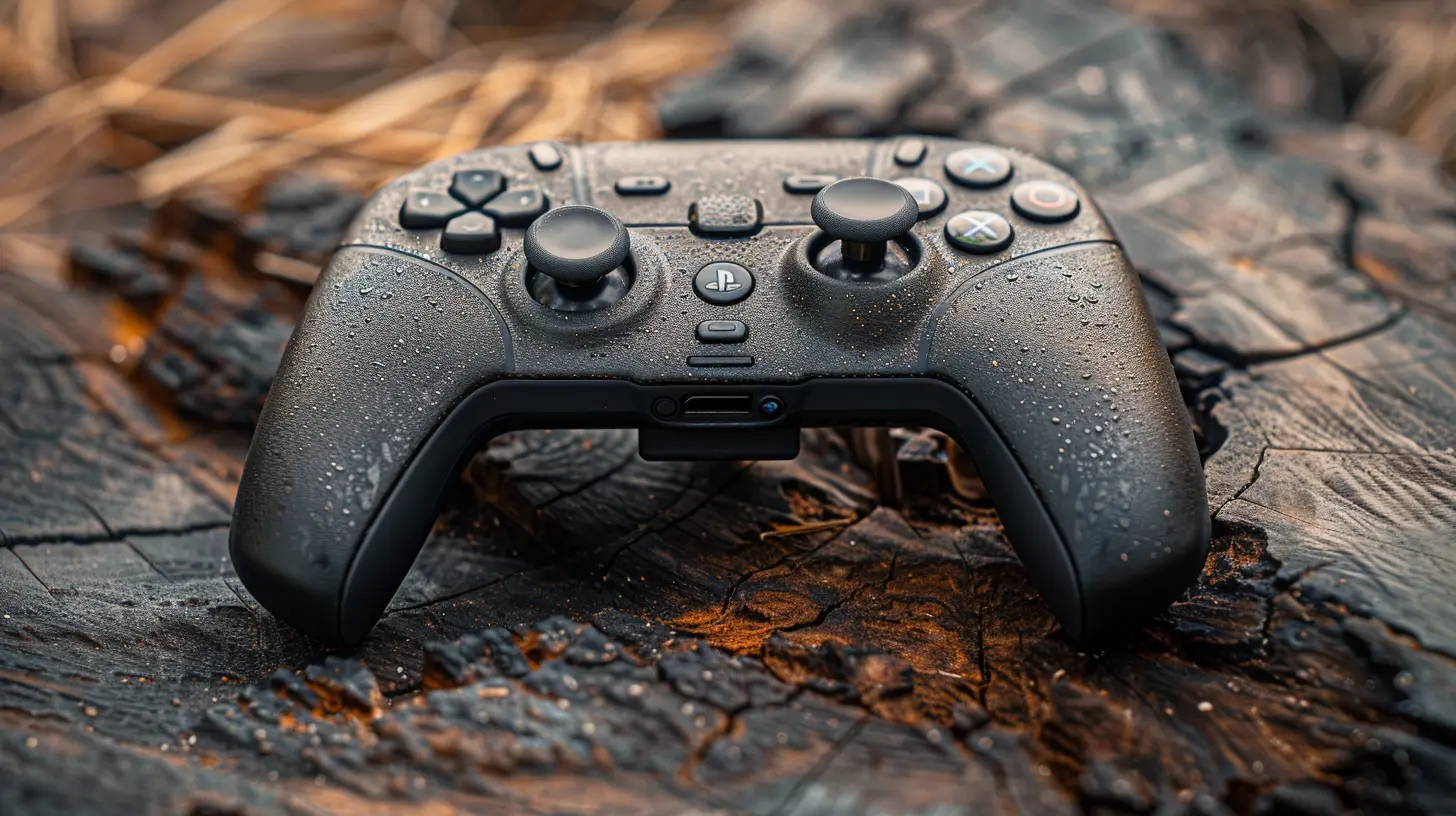
What Makes a Controller Eco-Friendly?
Not all green is created equal. When we talk about sustainable controllers, we’re referring to features like:- Recycled materials: Plastic is everywhere, but recycled plastic helps reduce the demand for virgin petroleum-based plastics.
- Biodegradable components: Some newer controllers use bioplastics or other decomposable materials.
- Low-energy Bluetooth or wired options: Using less energy during operation, or reducing battery waste altogether.
- Minimal or plastic-free packaging: Less junk means less waste.
- Repairability: Why toss it when you can fix it?
In short, eco-friendly controllers aim to reduce environmental impact through smarter materials, better energy use, and more thoughtful designs.
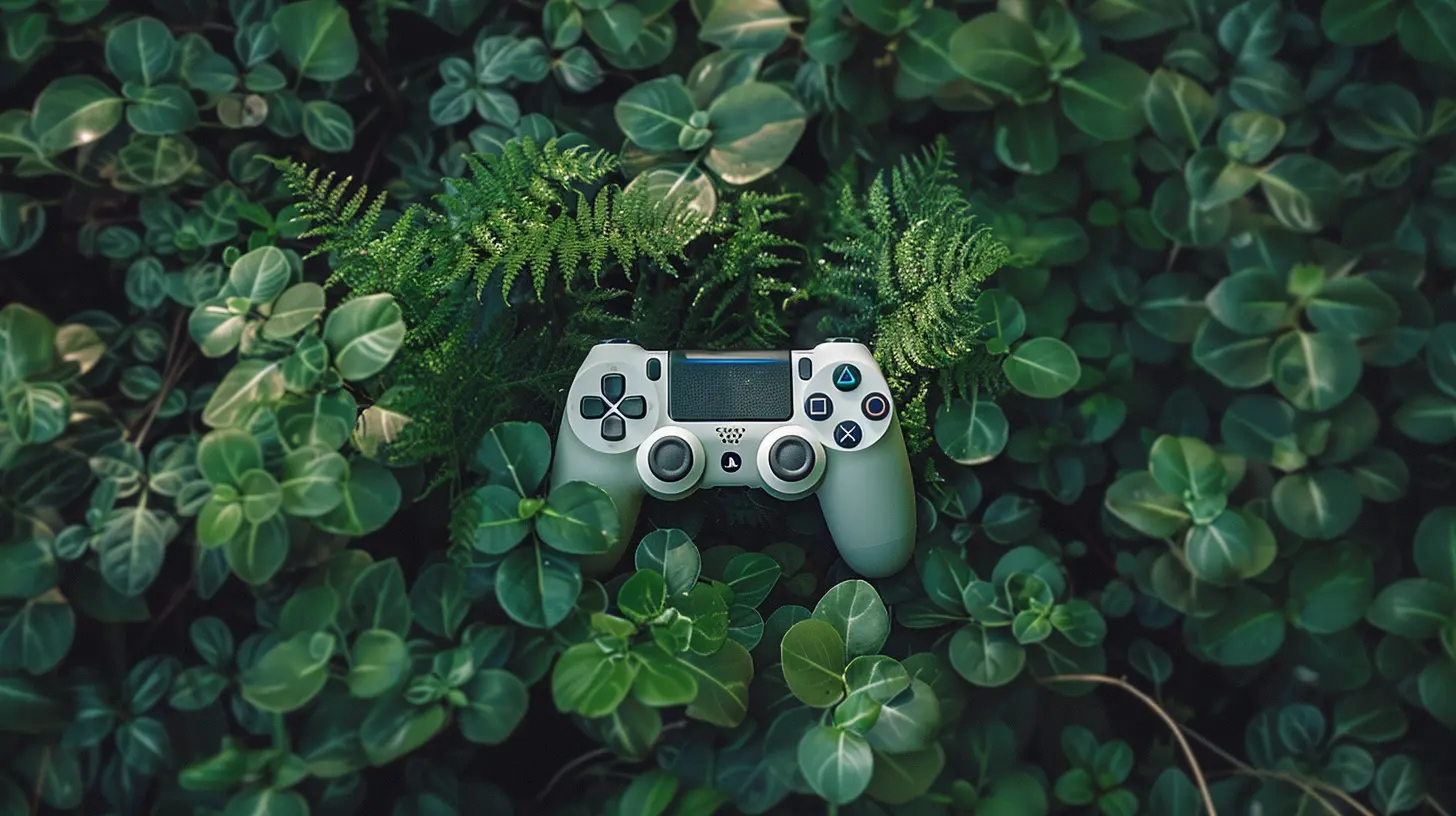
Pioneers in the Sustainable Gaming Movement
Now, let’s get to the juicy part. Some brands and indie developers are already paving the way for eco-conscious gaming gear. Here are a few names you’ll want to keep an eye on.1. Microsoft’s Xbox Wireless Controller – Remix Special Edition
First up, let’s talk about Microsoft flexing its green muscles.In 2023, Microsoft introduced the Remix Special Edition of its Xbox Wireless Controller. This sleek controller is made from recovered plastics, including materials from old CDs, water jugs, and even automotive headlight covers. It features textured grips and a cool earth-toned color palette that actually looks pretty stylish.
Even the packaging is 100% recyclable—talk about commitment. And here’s the kicker: Microsoft has plans to reach carbon-negative goals by 2030. This controller is just a small piece of a big green puzzle.
2. 8BitDo Ultimate Controller with Hall Effect Sensors
This one’s for the retro lovers.8BitDo has been making waves with its customizable controllers inspired by classic Nintendo aesthetics. But recently, they’ve added a low-key sustainable edge—Hall Effect sensors. These sensors replace traditional analog sticks, which tend to drift and wear out over time, leading gamers to replace entire controllers.
With Hall Effect sensors, not only do you get smoother control, but the lifespan of the controller is significantly extended. That means fewer broken controllers ending up in landfills.
3. Planet-Friendly Custom Controllers by Modding Communities
While big brands are starting to catch on, the modding community is already ahead of the curve.Some indie creators are recycling old controllers and refurbishing them with better components. Others are using 3D printers with biodegradable PLA filament to make controller shells. Sites like Etsy or gaming forums often host these gems—one-of-a-kind, planet-friendly controllers with both personality and purpose.
It’s like giving your gaming gear a second life instead of sending it to the e-waste graveyard.

Upcycling: Give Your Old Controller a Second Life
You don’t necessarily need to buy a brand-new eco-controller. One of the greenest things you can do is actually to not buy something new.Upcycling is trendy, and for good reason. Got a busted controller? Instead of tossing it, consider:
- Repairing it: Many minor issues can be fixed with cheap replacement parts.
- Donating it: Some charities accept old gaming gear.
- Modding it: Add new sticks, buttons, or even a paint job.
- Turning it into art: Yes, controller art is a thing, and it’s awesome.
It’s a win-win: your controller avoids the landfill, and you get to flex your creative side.
Batteries Are a Big Deal Too
Let’s take a moment to talk battery life—because even if your controller is made of hemp-fiber and fairy dust, it still runs on power.Disposable batteries? Definitely not eco-friendly. They leak harmful chemicals, pile up in landfills, and take forever to decompose. If your controller uses AA batteries, switch to rechargeables like Eneloops or Lithium-ion packs. Not only are they better for the planet, they’ll save you a ton of money in the long run.
Better yet, opt for controllers with built-in rechargeable batteries or wired options. Less waste, more playtime.
The Packaging Problem
Ever bought a controller wrapped in three layers of plastic, stuffed into a box that’s way too big for it?Yeah, us too. Packaging waste is a sneaky culprit in the gaming world. Thankfully, eco-conscious brands are cutting down on:
- Plastic tie-downs
- Over-sized boxes
- Non-recyclable materials
Look for packaging labeled as FSC certified (sustainably sourced paper) or 100% recyclable. Better still, share your opinion with brands—consumer voices have power.
The Future Looks Greener Than You Think
Admittedly, the eco-friendly controller market is still in its early stages. But the direction we're heading is promising. With gamers becoming more environmentally aware and companies feeling the pressure to clean up their act, we’re bound to see even more innovation.Imagine controllers powered by solar energy, or made entirely from ocean plastic. Sounds futuristic—but not impossible.
The gaming community has always been about pushing boundaries, right? Let’s push a little harder for sustainability while we’re at it.
What You Can Do Today
Ready to go green with your gaming gear? Here are a few easy steps you can take right now:1. Research before you buy. Look into the materials used and the brand’s sustainability commitment.
2. Choose controllers with rechargeable batteries.
3. Repair instead of replace.
4. Support indie modders and upcyclers.
5. Recycle old gear responsibly.
6. Cut down on packaging waste by buying second-hand or refurbished items.
Every little bit helps. Being an eco-conscious gamer doesn’t mean sacrificing quality or style. It just means playing smarter.
Final Thoughts
The gaming world is finally waking up to the eco-revolution, and we’re here for it. With brands like Microsoft leading the way and passionate gamers getting creative with upcycling, sustainable gaming is more than just a trend—it’s becoming the norm.So next time you're in the market for a new controller, ask yourself: “Do I really need a brand-new one? And if I do, can I make a greener choice?”
Because hey, saving the world can be just another side quest... but it’s one worth completing.
all images in this post were generated using AI tools
Category:
Game ControllersAuthor:

Francesca West
Discussion
rate this article
1 comments
Kara Howard
Embracing eco-friendly controllers reflects our responsibility as gamers. Sustainable choices can enhance the gaming experience while protecting the planet for future generations.
August 8, 2026 at 3:31 AM
Francesca West
I completely agree. Eco-friendly controllers not only benefit the environment but can also make gaming feel more rewarding. It's great to see the community embracing sustainable choices.